How Does Anti-Static Bakelite Board Work?
2026-01-28 17:25:58
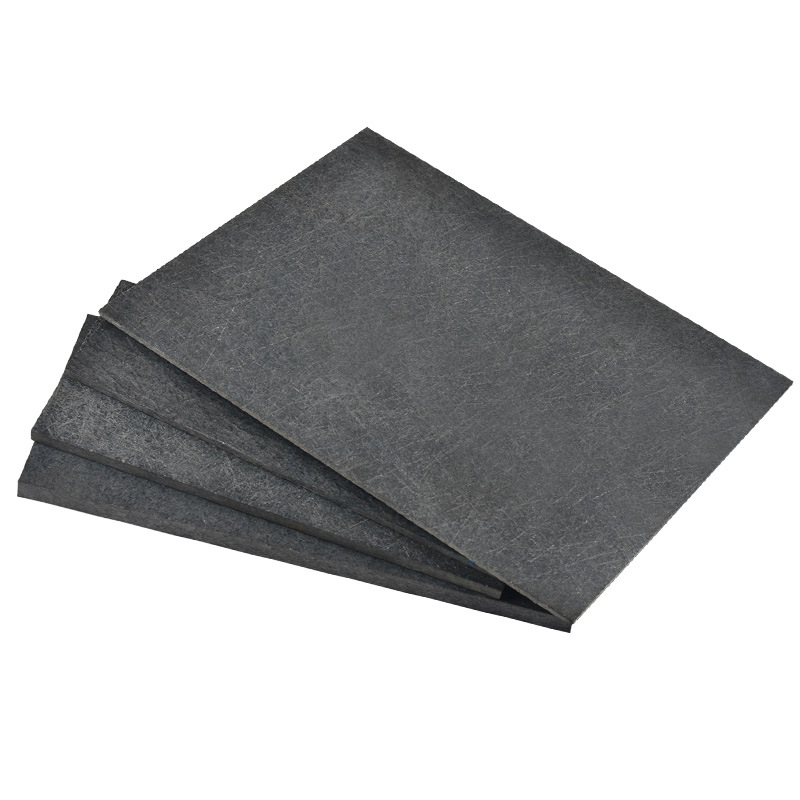
Anti-static Bakelite board works because special conductive ingredients are mixed into the phenolic resin matrix during production. This makes a material that safely gets rid of static electricity while still being very strong and stable at high temperatures. This designed answer stops the buildup of electrical discharge that could damage sensitive electronic parts. It is necessary for making electronics, using precision machinery, and other situations where static control has a direct effect on worker safety and product quality.
Understanding Anti-Static Bakelite Board: Fundamentals and Properties
Composition and Manufacturing Process
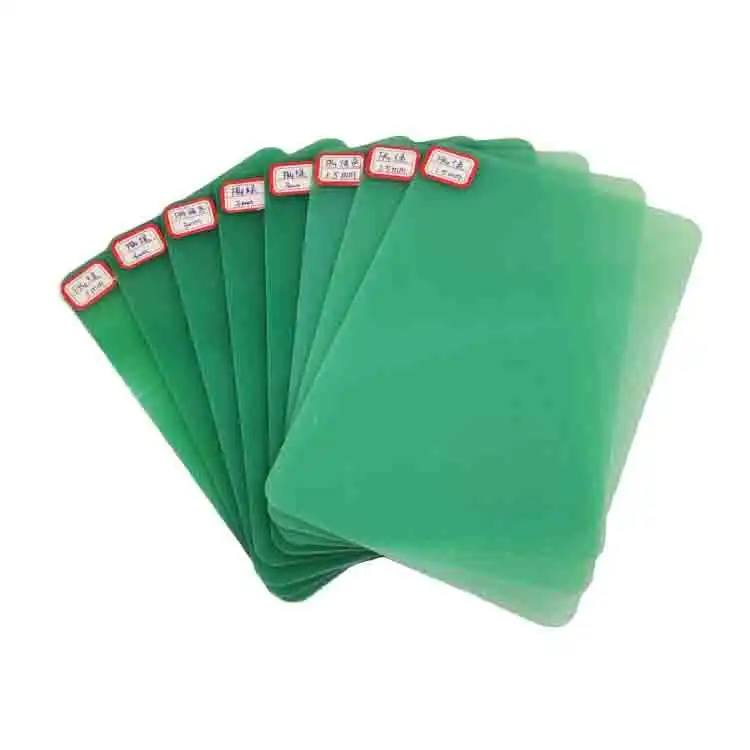
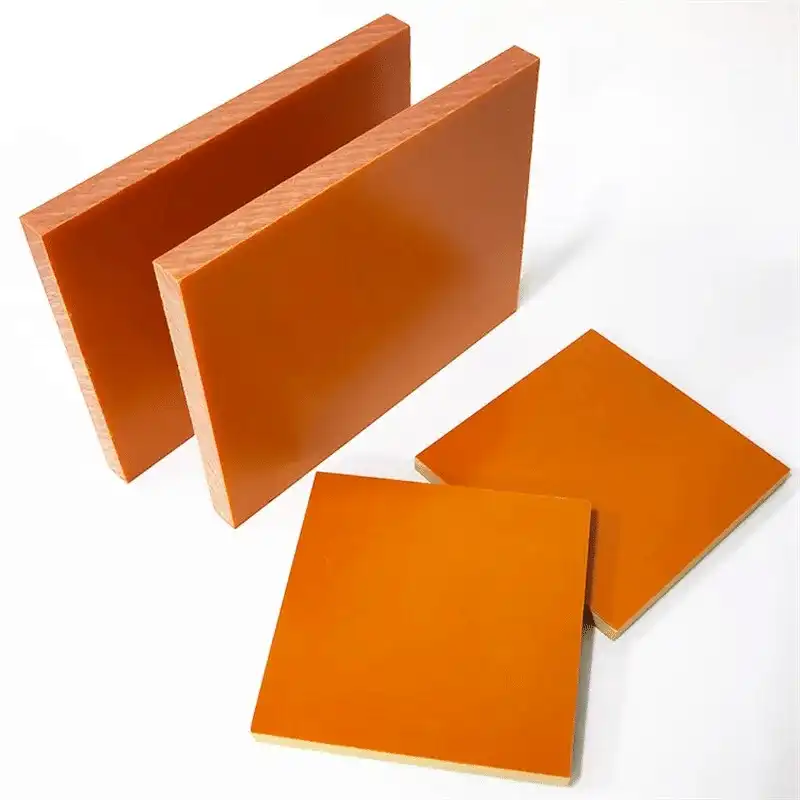
Bakelite board is mostly made up of phenolic resin mixed with reinforcements like cotton cloth, paper, or glass fiber. This makes a thermoset compound that is very stable in terms of its shape and function. In the manufacturing process, liquid phenolic resin is poured onto reinforcement layers, and then the assembly is put through controlled heat and pressure in hydraulic presses. This creates chemical crossQlinking that can't be undone, which gives the material its durability and heat resistance.
The thermoset nature of this process makes Bakelite different from polymer options. Once the material has hardened, it can't be remelted or reshaped, so its qualities stay the same over time. This way of making things gives you exact control over the density of the material, the thickness tolerances, and the quality of the surface finish. This makes it perfect for uses that need accurate CNC machining and measurements.
Key Material Properties
Standard Bakelite boards are very resistant to heat; they can usually handle constant working temperatures of up to 150°C without losing their structure integrity or their ability to conduct electricity. The material's dielectric strength is very high, often reaching 15 kV/mm. This makes it perfect for uses in switches, motor housings, and power distribution equipment where electrical separation is needed.
Its mechanical qualities include a high shear strength, good impact resistance, and low moisture absorption. These features help it last for a long time in harsh industrial settings. The material's natural ability to fight flames and put itself out on its own adds to its safety, which is especially important for car and device uses that need to meet fire resistance standards.
Anti-Static Modifications and Variants
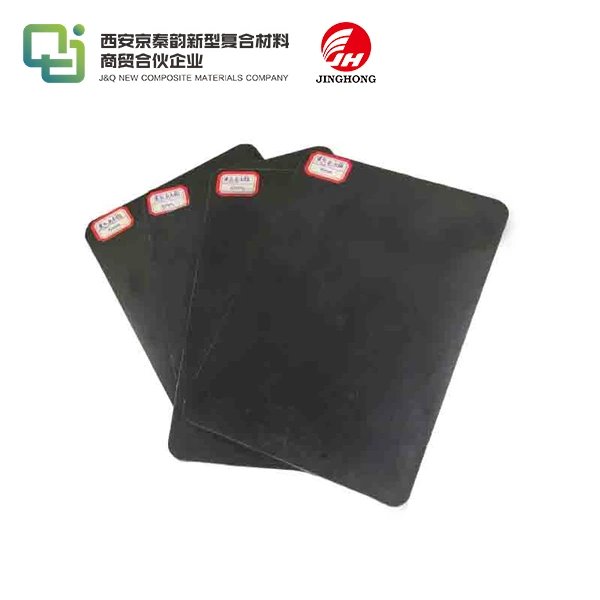
During the resin preparation stage, anti-static Bakelite boards usually have special conductive additives like carbon black, metallic threads, or conductive polymers added. These add-ins make controlled electrical paths through the material matrix. These changes lower the surface resistance to between 10^6 and 10^11 ohms per square. This lets static electricity escape safely without affecting the material's main shielding or mechanical properties.
Different grades are used for different purposes. Standard grades provide basic electrical protection, anti-static grades control static electricity, and strengthened grades provide higher mechanical strength for structure uses. Each type keeps the basic qualities that make Bakelite boards useful for mechanical support and electrical protection while meeting specific static control needs that are important in clean rooms, automatic handling systems, and electronics assembly.
How Does Anti-Static Bakelite Board Work? How it works and the benefits?
Static Electricity Generation and Control Principles
When two or more materials with different electrical properties touch and then separate, they create charge mismatches that can cause sudden discharges that can damage sensitive parts or put people in danger. Controlled conductivity in anti-static Bakelite board solves this problem by letting charges drop slowly instead of building up to dangerous levels. This keeps the electrical balance while keeping the material's shielding qualities for its main use.
The science idea is to make a way that is slightly conductive and has enough resistance to stop short circuits while also having a low enough impedance to let static charge escape. For this balanced method to work, the amount and location of additives in the material matrix must be carefully managed. This is done through specific mixing and hardening processes that make sure the performance is the same across the whole board surface.
Dissipation Methods and Mechanisms
There are three main ways that anti-static properties work: conductive additives mixed into the resin matrix, surface processes that make conductive paths, and special strengthening materials that help charges spread. Carbon-based additives make tiny electrical networks that move charges from the surface to grounding points while keeping the material's shape and temperature properties the same.
Surface coating methods use thin conductive layers that let charge move away right away and keep the base underneath safe from the outside world. Using impregnation methods involves filling support materials with conductive solutions while they are being made. This gives the materials built-in anti-static qualities that can't be lost during standard handling and cutting.
Industrial Benefits and Safety Enhancements
Using anti-static Bakelite boards in production settings that work with sensitive electronics has measured benefits, such as lowering the number of failed components, increasing the stability of the product, and making workers safer by getting rid of static shock risks. Electrostatic discharge events have caused less downtime at manufacturing facilities, and assembly operations involving integrated circuits and precise tools have led to higher results.
Some of the benefits of quality control are more uniform product performance, lower repair costs, and better agreement with industry standards for protecting against electrostatic discharge. Compared to other static control methods, this one makes the production line more efficient by requiring less equipment to be shut down, letting workers move things around more freely, and making grounding easier.
Environmental Considerations and Limitations
Things in the surroundings, like air levels, temperature changes, and contact with some chemicals or cleaning agents, can change an item's anti-static qualities. Higher humidity usually makes conductivity and static discharge better, while very dry conditions might make them less effective and call for extra care or different solutions.
When choosing a Bakelite board material, it's important to think about the temperature ranges, chemical contact, and mechanical loading conditions that might affect how well it resists static over time. Handling and storing materials correctly helps them keep their best qualities throughout their useful life, and checking them on a regular basis makes sure they keep working well in important situations.
Procurement Guide for Anti-Static Bakelite Board: Suppliers, Pricing, and Customization
Supplier Evaluation and Selection Criteria
To make a good purchase, you need to start by finding sellers who have a track record of making phenolic materials and who use strong quality control systems throughout the whole production process. Suppliers that have been around for a while usually offer expert help, the ability to test materials, and paperwork that meets the standards for tracking that are popular in controlled industries like aircraft and medical device manufacturing.
When judging a supplier, you should look at how much they can make, how reliable their deliveries are, and how close they are to you so that you can save money on shipping and time. Long-term ties with suppliers have benefits, such as giving you priority when materials are in short supply, letting you use their technical knowledge to help you make new apps, and possibly lowering your costs through partnership deals and volume promises.
Pricing Factors and Market Dynamics
Material costs depend on a number of important factors, such as the quality of the raw materials, the difficulty of the production process, the size of the order, and any special needs, like required sizes or styles on the surface. Standard grades and sizes usually have the best prices because they are easier to make. On the other hand, unique standards may need a minimum order quantity to cover the costs of setup and equipment.
Prices on the market change depending on the state of the supply chain, the availability of raw materials, and the production capacity of the area. This is why having a variety of suppliers is important for keeping prices low and ensuring a steady supply. Bulk buying deals can save you a lot of money and make sure that you can get the materials you need when demand is high or there are problems in the supply chain.
Quality Verification and Testing Protocols
When new materials come in, they should be inspected to make sure they meet the requirements of the application and the supplier's specs. Key qualities that should be checked include surface resistance, dielectric strength, and measurement accuracy. Standard testing methods help keep things the same across multiple suppliers and give objective standards for judging suppliers' work and deciding whether to accept a material.
Third-party testing services can independently check the qualities of materials when in-house testing isn't possible or when extra confirmation is needed for important uses. Each package should come with material proof papers that show it meets all the necessary standards and requirements and can be tracked.
Customization Options and OEM Support
Modern sources can make a lot of changes to Bakelite board, like precise cutting, CNC machining, and special surface treatments, which can cut down on the work that needs to be done later and make the job more cost-effective overall. Custom packing and marking services help with keeping track of goods and making production more efficient. This is especially helpful in settings with high volumes or just-in-time production.
Technical support services, such as application engineering, help with material selection, and fixing, are worth more than the cost of the material itself because they help improve material performance and solve application problems. When making new applications or switching from other materials to anti-static Bakelite solutions, these services become very useful.
J&Q: Your Trusted Anti-Static Bakelite Board Solutions Partner
Company Heritage and Manufacturing Expertise
J&Q has been making and selling high-quality insulation products for more than 20 years. For more than ten years, they have been working with companies on other continents to build trade agreements that cover a wide range of industries. Working with many domestic and international trading companies has helped us better understand the needs of the global market and given us the chance to create a wide range of services that meet all of our customers' needs, from the initial specification to ongoing technical support.
We're good at making all kinds of phenolic materials, but we're especially good at making anti-static Bakelite boards that meet the strict standards needed for electronics manufacturing, precision machinery, and automobile uses. This in-depth technical knowledge, along with cutting-edge production facilities and strict quality control systems, makes sure that all product lines have the same material features and work reliably.
Comprehensive Product Portfolio and Quality Assurance
Standard and anti-static Bakelite boards come in different sizes and widths at J&Q. These are made to meet a wide range of application needs, from basic electrical protection to specialized static control. As part of our quality control, we check the arriving materials, keep an eye on the work that's being done, and test the finished product to make sure it meets electrical, mechanical, and physical standards before sending it to customers.
Because we can do custom production, we can make materials that are exactly what the customer wants, with special surface processes, custom measurements, and changed qualities that make them work better in certain situations. This adaptability, along with quick expert support, helps customers find the best options while cutting down on development time and overall project costs.
Integrated Logistics and Customer Service Excellence
Our own transportation company and other operations skills allow us to offer a complete one-stop service that makes the buying and shipping processes easier for customers all over the world. This unified method cuts down on wait times, makes deliveries more reliable, and gives you more control over how materials are handled and packed so that goods arrive in perfect condition.
Our main goal is still to make sure our customers are happy, and we do this by offering quick technology help, letting you choose how to place your order, and always looking for ways to make our business better in every way. If you have any questions about how anti-static Bakelite board can be used, please don't hesitate to contact us. Our experienced technical team is here to help potential customers find the best answers to their individual problems.
Conclusion
Anti-static Bakelite boards are a high-tech engineering solution that combines tried-and-true phenolic resin technology with up-to-date static control features. They meet important needs in the production of electronics, precision machinery, and other areas where electrostatic discharge can harm product quality and operations. The ability to understand how anti-static works helps people make smart purchasing choices that combine performance needs with cost concerns and guarantee long-term dependability in tough industry settings. The material's unique mix of mechanical strength, heat stability, and controlled conductivity makes it an essential part of modern manufacturing, where static control has a direct effect on the success of products and safety standards in the workplace.
FAQs
Which fields can use anti-static Bakelite boards the most?
Anti-static Bakelite boards are very useful in places like clean rooms, factories that make electronics and car parts, and places that put together precise machines. Controlled static dissipation is important for keeping product quality high and operations running smoothly in these fields that use sensitive parts that can be damaged by electrostatic discharge.
How long does the anti-static property last when everything is working normally?
Anti-static qualities usually last as long as the material does if it is properly kept and used within certain temperature and humidity ranges. Because anti-static chemicals are built in, their qualities won't change with normal use. This is different from surface treatments, which may lose their effectiveness over time.
Can Bakelite boards that don't attract static electricity be made to fit specific sizes and uses?
Yes, reliable providers do offer a wide range of customization choices, such as CNC grinding, precise cutting, and special surface treatments. Custom widths, unique measurements, and changed properties can be made to get the best performance for certain uses while keeping the anti-static qualities the same.
What tests are used to make sure that Bakelite boards are anti-static?
Standardized surface resistivity testing checks how well the material can get rid of static electricity, aiming for resistance values between 10^6 and 10^11 ohms per square. To make sure the general performance of the material meets the needs of the application, it may be put through more tests that check its electrical strength and dynamic properties.
Contact J&Q for Your Anti-Static Bakelite Board Requirements
Are you ready to improve the way you make things with reliable anti-static Bakelite board solutions? J&Q has decades of experience in specialized manufacturing, full expert support, and combined operations that allow them to supply the exact materials your uses need. Our expert team is ready to give you full technical specs, free samples for you to try, and choices for unique making that are made to fit your needs. To find out why top makers trust J&Q as their Bakelite board provider, email us at info@jhd-material.com to see our full selection of anti-static products and feel confident starting your next project.
References
Smith, R.A. and Johnson, M.K. "Electrostatic Discharge Control in Industrial Environments: Materials and Methods." Journal of Industrial Safety Engineering, Vol. 45, No. 3, 2023, pp. 127-145.
Williams, P.D. "Phenolic Resin Composites: Properties and Applications in Electronics Manufacturing." Advanced Materials Research Quarterly, Vol. 28, No. 2, 2022, pp. 89-112.
Chen, L.H. and Anderson, J.R. "Anti-Static Material Performance in High-Temperature Applications." International Conference on Electrical Insulation Materials Proceedings, 2023, pp. 234-247.
Thompson, K.E. "Static Control Strategies in Modern Manufacturing: A Comparative Analysis." Manufacturing Technology Review, Vol. 67, No. 4, 2022, pp. 45-62.
Rodriguez, M.A. "Quality Assurance Protocols for Anti-Static Phenolic Materials." Industrial Materials Testing Standards Handbook, 3rd Edition, Technical Publications Inc., 2023, pp. 178-195.
Davis, R.C. and Liu, S.F. "Economic Analysis of Static Control Materials in Electronics Assembly." Cost Engineering in Manufacturing, Vol. 39, No. 1, 2023, pp. 23-38.