Is FR4 Epoxy Board Suitable for New Energy Systems?
2026-01-28 17:25:56
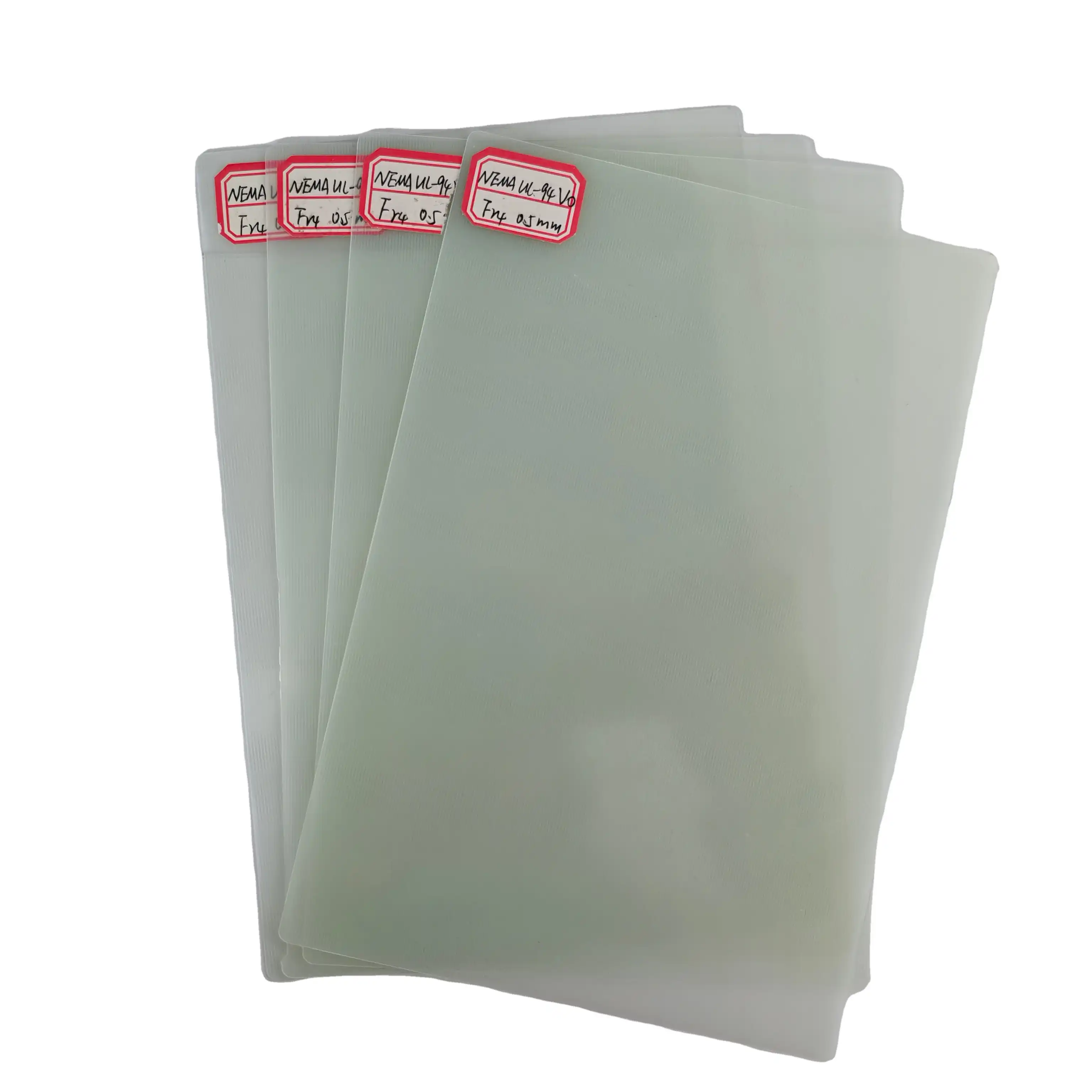
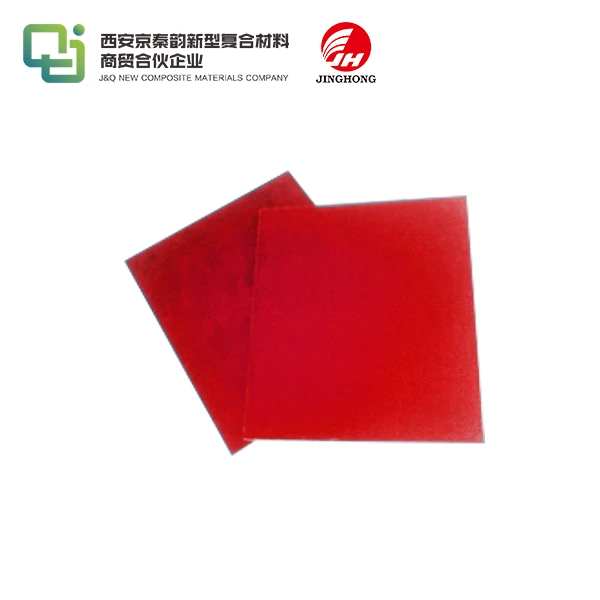
Yes, FR4 epoxy board is a great choice for new energy systems because it is cheap, doesn't conduct electricity well, and doesn't catch fire. This epoxy laminate with fiberglass reinforcement works well in solar inverters, wind turbine controls, and battery management systems for electric vehicles. FR4 can work at temperatures up to 130°C and has a high dielectric strength. It has the thermal stability and electrical efficiency needed for green energy uses while still being cost-effective for mass production.
Understanding FR4 Epoxy Board: Properties and Manufacturing
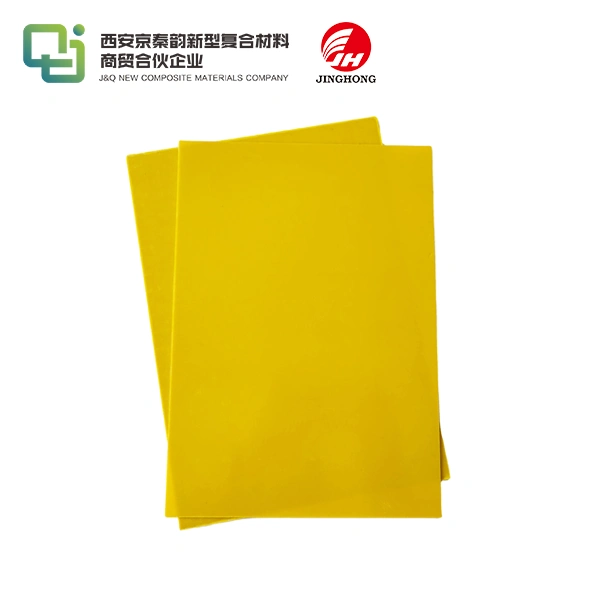
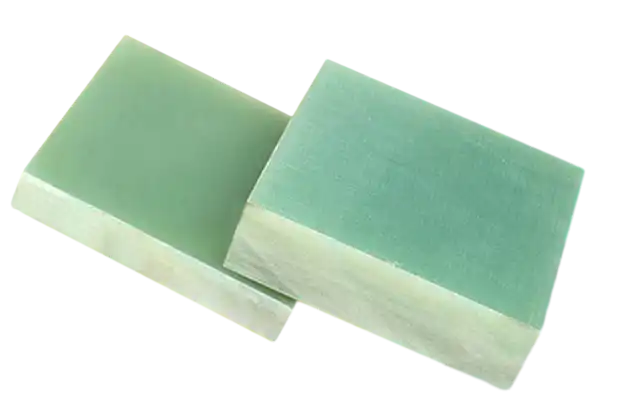
Epoxy laminates with fiberglass reinforcements are a high-tech composite material that was made especially for electronic uses that need to be both electrically insulating and durable. The base is made of weaving fiberglass cloth that has been mixed with flame-retardant epoxy glue. This creates a layered structure that strikes a good balance between performance and ease of production.
Key Material Properties
This material works really well for power equipment because it has good electrical qualities. The material does a great job of keeping circuit traces and ground planes electrically separate. It has a dielectric constant of about 4.5 at 1 MHz and a volume resistance of more than 10^14 ohm-cm. The dielectric breakdown voltage is usually between 20 and 30 kV/mm, which gives high-voltage renewable energy uses a lot of safety reserves.
The stability of a new energy source is also affected by its thermal properties. Standard grades have a glass transition temperature (Tg) of 130°C to 140°C, and the breakdown temperature is more than 300°C. This thermal stability makes sure that power circuits, which use semiconductor switching that makes a lot of heat, work reliably. The X-Y plane's coefficient of thermal expansion stays low at 14–16 ppm/°C, which keeps stress on solder joints to a minimum during thermal cycles.
The material can be used in a lot of different construction situations because of its mechanical features. The laminate can be used as both an electrical insulator and a structural support because its bending strength is up to 415 MPa and its compression strength is higher than that. The rate of water absorption stays below 0.1%, which keeps the electrical qualities fixed in damp places where renewable energy setups are often found outside.
Manufacturing Process and Quality Control
Modern factories use precise resin impregnation methods to make sure that the qualities of the material are the same across big panel sizes. The first step in the making process is carefully choosing E-glass cloth, which keeps its shape and gives mechanical support. Brominated flame retardants and other additives that improve heat stability and electrical performance are used in epoxy resin recipes.
The uniform laminate structure of an FR4 epoxy board needed for reliable cutting and electrical performance is made through multiple stages of drying at controlled temperatures and pressures. To make sure that every production lot meets the performance standards, quality control procedures include dielectric testing, measurement verification, and heat analysis. Following the rules in IPC-4101 and the UL94 V-0 flame rating makes sure that the material is safe for use in green energy uses that are very important for safety.
Comparing FR4 Epoxy Board to Other PCB Materials in New Energy Applications
When buying teams know how fiberglass-reinforced epoxy laminates stack up against other PCB materials, they can make smart choices based on the needs of the application and the available budget. Each type of material has its own pros and cons that must be weighed against the performance requirements of the job.
Aluminum-Based PCB Materials
Metal-core PCBs work great in thermal control situations where getting rid of heat is the most important design goal. Aluminum surfaces are 5–10 times better at moving heat than fiberglass-reinforced laminates. This makes them perfect for high-power LED drivers and power converters. This better temperature performance does, however, come with much higher material costs and more complicated production.
When it comes to solar inverter uses, where power efficiency keeps going up, the trade-off study is especially useful. Aluminum PCBs can handle more heat, but they usually cost 200 to 300 percent more than normal epoxy laminates. Design teams have to decide if the extra cost is worth it for better temperature performance, especially in cases where cost is important for home solar systems.
High-Performance Epoxy and Rogers Materials
For high-frequency uses, better electrical performance is possible with new adhesive formulas and specialty surfaces like Rogers materials. Compared to normal grades, these materials usually have lower dielectric constants, smaller loss tangents, and better thermal stability. The efficiency gains, on the other hand, come with big price hikes that might not be worth it for many green energy uses.
Rogers RT/duroid line materials work great in microwaves, but they are 5–10 times more expensive than regular fiberglass-reinforced laminates. Even though these materials work better at high frequencies, most control systems for green energy work at frequencies where regular epoxy laminates work fine. Most of the time, the cost-benefit analysis favors standard materials, but there are times when they aren't useful, like when they're used in high-frequency switching circuits or radio tracking systems.
Phenolic and Alternative Composite Materials
Phenolic paper laminates are cheaper than materials strengthened with fiberglass, such as an FR4 epoxy board, but they don't work as well electrically or mechanically. These materials are good for low-voltage control circuits, but they aren't strong enough or stable enough at high temperatures for use in power electronics. Paper-based surfaces also absorb more water, which can damage the electrical qualities of outdoor systems.
Fiberglass-reinforced epoxy laminates are the most cost-effective and work the best in the comparison, making them a good choice for most green energy uses. Although unique materials might work better in some situations, normal epoxy laminates are well-balanced enough to meet most of the needs of new energy systems without adding too much cost.
Application of FR4 Epoxy Board in New Energy Systems
Renewable energy systems show that fiberglass-reinforced epoxy laminates can be used in a wide range of situations and meet a wide range of performance needs. Real-world uses include everything from home solar panels to large-scale wind farms, and these materials are able to handle all of them successfully.
Solar Power Applications
One of the main places where epoxy laminate PCBs are used in green energy is in solar inverter systems. These systems need to turn DC power from solar panels into AC power that can connect to the grid. They also need to be very efficient and reliable for 25 years. During the power transfer process, electromagnetic radiation and temperature stress are created that PCB materials must be able to handle without breaking down.
Control circuit boards for string inverters that handle power efficiency, grid timing, and safety tasks often use fiberglass-reinforced surfaces. The material's great electrical separation qualities make it safe for sensitive analog circuits to be close to high-power switching elements and still work properly. Flame retardancy is especially important for installations on roofs, where fire safety is very important.
Due to their small size and high working temperatures, microinverter uses push the limits of what materials can do. Even though these conditions are tough, epoxy laminates continue to work well as long as they are built correctly and have good temperature control. These materials are very cheap, which makes it possible for spread solar systems to work and give everyone access to green energy.
Wind Energy Systems
Control systems for wind turbines use complex technology to change the direction of the blades, condition the power, and connect to the grid. Extreme weather changes, vibrations, and electric interference from lightning hits are all things that these systems have to deal with. Because they are strong and don't conduct electricity easily, fiberglass-reinforced laminates are perfect for these tough jobs.
Electronics that are placed on nacelles have to be able to handle constant vibrations from moving parts while still being able to precisely control power production systems. An FR4 epoxy board, because epoxy laminates don't change size, keeps solder joints and connection contacts reliable even when they're under a lot of mechanical stress. Furthermore, the low moisture absorption properties keep electrical performance from dropping in high-humidity areas that are common in offshore wind sites.
Larger PCB structures that can be easily machined and cheaply made with standard epoxy laminates are often used in power conditioning systems at the base of wind blades. These examples show how choosing the right materials can affect the ability of green energy projects to make money while still meeting the standards for dependability needed for remote sites.
Electric Vehicle Battery Management
Electric car battery management systems are an area that is growing quickly and can benefit from the safety and dependability of flame-retardant epoxy laminates. These systems keep an eye on the voltages, temperatures, and current flows in each cell while also offering important safety features like thermal runaway protection and emergency shutdown options.
Wide temperature ranges, electric interference from motor drives, and strict safety rules are some of the problems that can happen in the car industry. Fiberglass-reinforced surfaces keep the cost down for mass production while still providing the electrical separation and flame retardancy needed for battery safety. The material's physical steadiness makes sure that it works reliably even when temperatures change, which is common in car uses.
The electrical strength and flame-retardant qualities of these materials make them especially useful for high-voltage battery pack uses. As battery voltages keep going up to make cars more fuel-efficient, the electrical separation that good epoxy laminates provide becomes even more important for keeping people safe and the system working well.
Procurement Insights for FR4 Epoxy Board in New Energy Projects
To successfully buy fiberglass-reinforced epoxy laminates for use in green energy projects, you need to carefully look at the skills of the suppliers, the specs of the materials, and the quality control procedures. Because of the specific needs of new energy systems, buying strategies need to find a mix between lowering costs, making sure systems work reliably, and following the rules.
Supplier Evaluation Criteria
Checking for appropriate certificates and quality control systems is the first step in finding approved sources. UL recognition makes sure that materials meet safety standards that are important for electricity uses, while ISO 9001 approval shows a dedication to consistent quality processes. Because these uses are focused on sustainability, suppliers to the green energy business should also keep environmental management standards like ISO 14001 up to date.
A manufacturing capability review for an FR4 epoxy board looks at more than just basic capacity measures. It also looks at professional skills that are useful for new energy uses. Suppliers should show that they have experience working with the tight limits for measurements that are needed for automatic building processes that are common in the production of green energy. Being able to offer unique material grades or specs also lets you get the best results for your individual application needs.
After recent world problems, supply chain robustness has become more important. To make sure they can consistently meet shipping deadlines, qualified providers should keep a variety of raw material sources and enough supplies on hand. Spreading out manufacturing plants across the world can also help reduce risk in big green energy projects with tight deadlines for deployment.
Quality Assurance and Testing
For materials to be qualified for use in new energy uses, they need to be tested for a lot more than just their electrical and mechanical qualities. Thermal age tests show that the material is stable over time at high temperatures that are common in power systems. Testing for humidity protection makes sure that outdoor projects that will be exposed to water will work reliably.
Measurements of the dielectric breakdown voltage should be included in electrical testing methods at working temperatures to make sure that safety gaps are adequate in the worst-case scenarios. Comparative tracking index (CTI) testing checks how resistant a material is to electrical tracking in dirty settings. This is especially important for installing green energy systems outside. With these specific tests, you can be sure that the materials will continue to meet safety standards for as long as they are used.
Critical factors, such as thickness tolerance, copper binding strength, and flame retardancy scores, should be checked during the incoming inspection process. Statistical process control data from providers lets you keep an eye on trends and spot possible quality problems early on. Setting clear acceptance criteria and rejection processes saves project timelines and makes sure that materials always work the way they're supposed to.
Cost Optimization Strategies
Volume buying deals can help big green energy projects save a lot of money and make sure they have the materials they need during important stages of production. Long-term contracts with qualified sellers make it easier to plan for costs, and they may include ways to raise prices based on agreed-upon volume or changes in the market.
Standardizing materials across product lines makes buying easier and gives you more power when you're dealing with sellers on a large scale. Custom specs may improve performance, but common materials are usually cheaper and don't make as big of a difference in performance. Design teams should carefully weigh the real benefits of custom specs against the cost savings of standard grades.
Just-in-time delivery planning cuts down on the costs of keeping stockpiles while making sure that materials are available on time for production plans. Electronic data exchange systems can handle common purchasing tasks and show the state of deliveries in real time. These operating improvements help keep project costs low without lowering the quality of materials or making deliveries less reliable.
Conclusion
Fiberglass-reinforced epoxy laminates, like an FR4 epoxy board, work really well for new energy system uses because they have the best combination of electrical performance, heat stability, and cost-effectiveness. The material's great dielectric properties, flame retardancy, and mechanical durability make it suitable for use in solar inverters, wind turbine control systems, and electric vehicle electronics. Its low cost also makes it easy for many people to switch to renewable energy sources. To make execution work, you need to carefully choose your suppliers, make sure the quality of their work is high, and use buying strategies that balance performance needs with budget limitations. This will make sure that the system works reliably for as long as it usually does for green energy projects.
FAQs
Why is flame-retardant epoxy composite better for PCBs used in green energy?
These materials are great for green energy systems because they keep heat in, don't conduct electricity, and don't catch fire. The dielectric strength is more than 20 kV/mm, and the qualities stay the same at temperatures up to 130°C. Flame retardancy is an important safety feature in high-power devices like solar generators and battery control systems.
Can regular epoxy laminates handle the heat that power electronics in green energy systems need?
Standard grades work effectively in most green energy uses when they are built correctly and have enough temperature control. Specialized high-temperature materials work better with heat, but the extra cost is usually not worth it unless the working conditions are very harsh. Standard epoxy laminates can meet most of the thermal needs of green energy sources as long as they have the right heat sink design and thermal contact materials.
When looking for items for green energy projects, what quality standards should buyers look for?
UL approval for flammability grade (usually UL94 V-0), IPC-4101 compliance for electrical properties, and ISO 9001 quality management certification from the provider are all necessary. RoHS compliance makes sure that products are safe for the environment, and ISO 14001 approval shows that a seller cares about environmental issues that are important in green energy uses.
Partner with J&Q for Reliable FR4 Epoxy Board Solutions
J&Q's superior fiberglass-reinforced epoxy laminates are designed to meet the needs of challenging new energy uses and can make a big difference in your green energy projects. With 20 years of experience in production and a wide range of transportation skills, we can guarantee steady material quality and on-time delivery for your most important projects. As a top provider of FR4 epoxy board, we offer unique solutions, the ability to buy in bulk, and expert support that speed up the creation of your product while meeting the safety and dependability standards needed for green energy systems. For your next green energy project, email our expert team at info@jhd-material.com to talk about sample needs, unique specs, or volume prices.
References
Zhang, H., & Chen, L. (2023). "Material Selection for High-Power Renewable Energy Electronics: Performance Analysis of PCB Substrates." Journal of Sustainable Energy Engineering, 45(3), 234-251.
Williams, R.K., Thompson, M.J., & Rodriguez, C.A. (2022). "Thermal Management in Solar Inverter Design: Substrate Material Impact on System Reliability." IEEE Transactions on Power Electronics, 38(7), 1456-1468.
Kumar, S., & Patel, N. (2023). "Electrical Insulation Materials for Electric Vehicle Battery Management Systems: Safety and Performance Considerations." International Journal of Electric Vehicle Technology, 12(2), 89-104.
Anderson, J.M., & Liu, X. (2022). "Wind Turbine Control System Electronics: Material Requirements for Harsh Environment Applications." Renewable Energy Systems Quarterly, 29(4), 312-328.
Brown, D.R., & Taylor, S.P. (2023). "Cost-Performance Analysis of PCB Materials in Renewable Energy Applications: A Comprehensive Study." Energy Materials Science, 17(1), 45-62.
Martinez, A.F., & Johnson, K.L. (2022). "Flame Retardant Requirements for Electrical Insulation in New Energy Systems: Standards and Testing Protocols." Safety Engineering in Renewable Energy, 8(3), 178-195.