Industrial Safety Benefits of Phenolic Cotton Board
2026-01-27 17:12:31
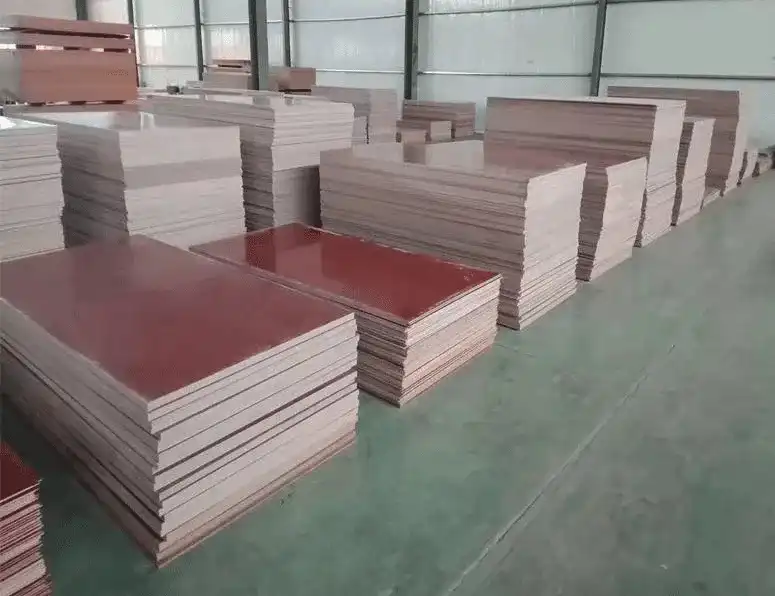
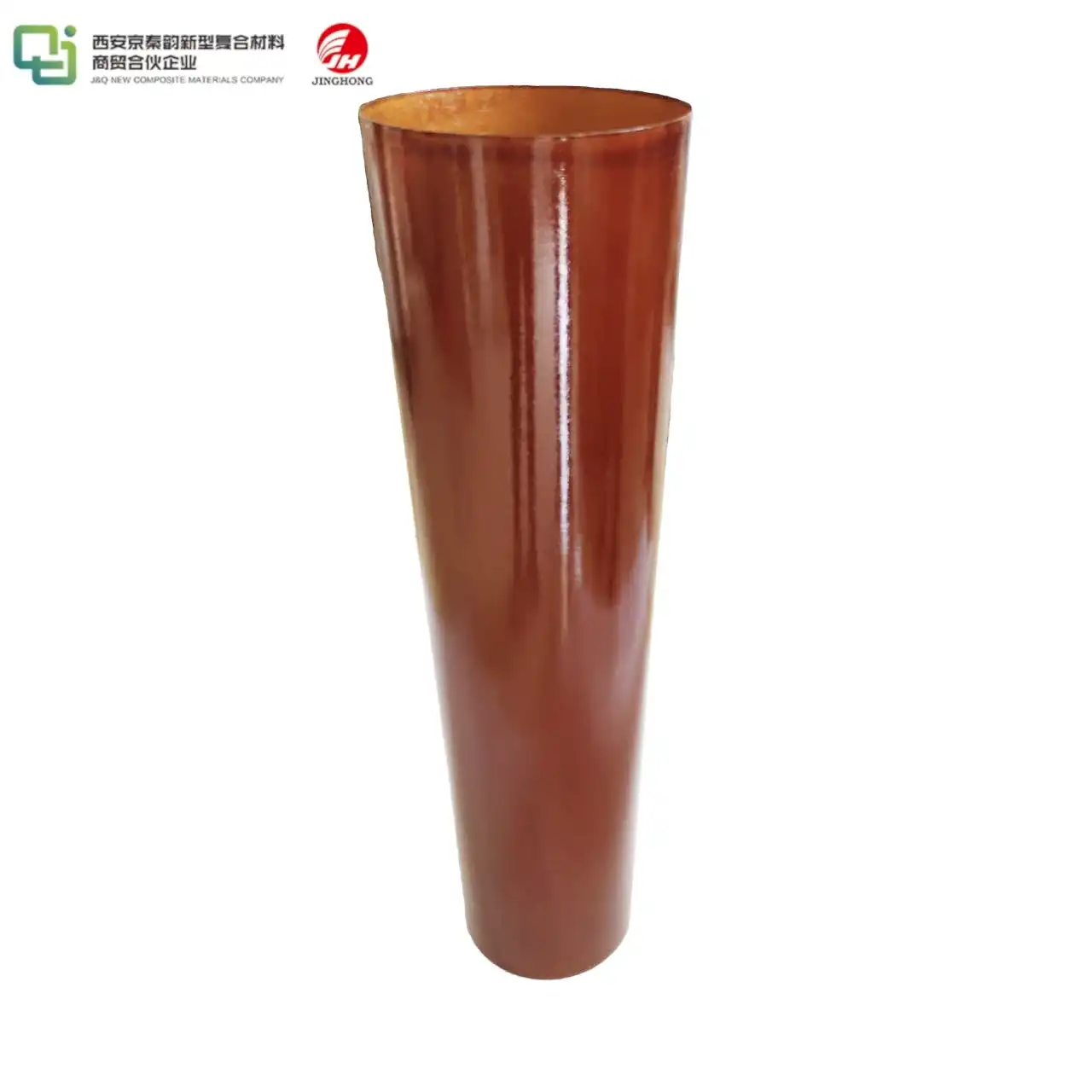
Industrial safety is still very important in today's manufacturing world, where companies are always looking for new materials that make the workplace safer while keeping operations running smoothly. Phenolic cotton board is an important safety solution that is made by laminating advanced cotton fabric substrates with phenolic resin. The fire durability, chemical stability, and mechanical strength of this synthetic material are all very high. This makes it an essential material for electrical insulation, machinery parts, and purposes in dangerous environments where other materials fail.
Understanding Phenolic Cotton Board and Its Industrial Safety Properties
Advanced Composite Engineering for Safety Applications
The high-pressure laminate of cotton fabric layered saturated with phenolic resin creates epoxy cotton board, which is a complicated engineering creation. This way of making things makes a dense, uniform material that is very stable at high temperatures (up to 150°C) for long periods of time. The cotton substrate has great mechanical properties and keeps its shape well, and a phenolic matrix of resin makes it more fireproof and resistant to chemicals.
The material's special cellular structure naturally stops heat and electricity from moving through it. The dielectric strength is higher than 15 kV/mm, which means it can be used for high-voltage tasks in electrical distribution systems. The board also keeps its shape under mechanical stress, and in its best configurations, its flexural strength can reach 140 MPa.
Superior Fire Resistance and Thermal Management
In industrial settings, the most important benefit of phenolic cotton boards is that they keep things safe from fire. ASTM E84 standards say that the material has a Class 1 fire rating, which means that the flame spread index is less than 25 and the smoke development is less than 450. Unlike most wooden panels or plastic laminated materials, phenolic cotton board can put out fires on its own, so they don't spread to other surfaces.
At 0.3 W/mK, thermal conductivity is still very low, which makes them good thermal barriers in extreme temperature situations. This quality is very important when making transformers because the insulation around the coils has to be able to handle constant temperature changes without breaking down. The material can handle sudden changes in temperature and keeps its shape even after being heated and cooled many times.
Chemical Resistance and Environmental Durability
Materials in industrial settings are often exposed to harsh chemicals, oils, and solvents that can damage safety systems. When it comes to acids, alkalis, and organic solvents that are common in factories, phenolic cotton board is very resistant. This chemical stability keeps the material from breaking down, which could cause safety problems or contamination.
The board keeps its properties even when it's wet outside, unlike other composite materials that absorb water easily. Even after being exposed for a long time, it doesn't absorb more than 2% of water, so it works well in marine settings or high-humidity industrial settings.
Industrial Safety Challenges Addressed by Phenolic Cotton Board
Fire Hazard Mitigation in Critical Applications
Electrical apparatus, chemical procedures, and exceptionally hot work all pose a constant risk of fire in manufacturing environments. Common building materials, like plywood or regular plastics, help fires spread and make harmful smoke when they burn. These worries can be put to rest with phenolic cotton board, which naturally doesn't catch fire and doesn't make a lot of smoke.
Power plants use phenolic cotton board to insulate switchgear and create arc barriers, which are places where electrical faults can cause dangerous flash events. The material's ability to withstand arc temperatures above 3000°C without catching fire is very important for keeping people and things safe. Case studies from major utilities show that fire-related incidents went down a lot after phenolic insulation systems were put in place.
Chemical Exposure Protection
Chemical processing industries need materials that don't break down when they come in contact with corrosive substances. Chemical storage areas use phenolic cotton board as protective barriers to keep structures from getting damaged and to keep containment systems working. Common industrial chemicals, such as sulfuric acid, potassium hydroxide, and different petroleum-based goods, can't break down the material.
Paint booths and battery assembly areas in auto factories use phenolic cotton board. These areas are constantly exposed to chemical vapors and electrolytes, which can be dangerous. The chemical resistance of the board makes sure that the barrier works for a long time and meets strict safety standards for cars.
Mechanical Impact and Structural Safety
Heavy machinery in factories creates strong mechanical forces that can break down security barriers and protective buildings. Phenolic cotton board is very resistant to impact and still has the electrical insulation qualities that are needed for machinery safety systems. The material can take impact energy without breaking in a big way, so it doesn't make dangerous debris.
In operator safeguards and machinery enclosures, manufacturers of heavy equipment use phenolic cotton board. The material can handle repeated mechanical stress and still keep its safety properties, so it will work well in tough situations for a long time.
Evaluating Phenolic Cotton Board for Procurement: Safety and Performance Factors
Essential Safety Certifications and Standards Compliance
When buying phenolic cotton board for important uses, procurement teams need to make sure it has all the necessary safety certifications. Some important certifications are UL recognition for electrical uses, ASTM compliance for fire safety, and the international standard ISO for quality assurance. These certifications make sure that materials meet strict safety standards and protect you legally if something goes wrong.
When comparing suppliers, it's important to know how the different certifications work. Materials that are certified to international standards usually cost more, but they offer better performance and liability protection. There should be detailed test reports, materials property data pages, and information about how long the certification is valid for.
Performance Comparison with Alternative Materials
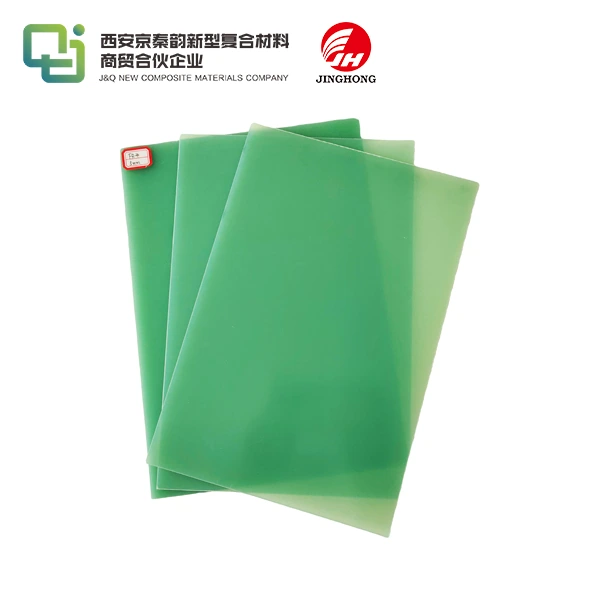
Comparing synthetic cotton board to fiberglass-reinforced plastics shows that the latter is much better at resisting fire and being easy to work with. As far as mechanical strength goes, fiberglass is better, but phenolic cotton board is safer in fires and easier to design. Because it is a better dielectric and can handle heat better, phenolic cotton board is often the choice of electrical engineers for transformer applications.
Cost analysis must take into account the entirety of expenses including materials costs, fabrication demands, along with upkeep needs. When cutting phenolic cotton board, you usually don't need as many specialized tools. This lowers the overall cost of the project, even though the materials might cost more than standard alternatives.
Customization Capabilities and Supply Chain Considerations
In today's industrial settings, specific material specifications are needed to meet specific safety standards. Manufacturers of phenolic cotton board offer a wide range of choices for customization, such as custom paper sizes, thickness specifications, and surface treatments. With these features, engineers can make security mechanisms work better in certain situations without lowering their performance.
Reliability in the supply chain is very important for safety-critical applications where a lack of materials could affect operations. Suppliers that have been around for a while keep extra stock on hand and offer flexible delivery times to meet production needs. A lot of suppliers also offer services for technical assistance to help with things like choosing the right materials and designing applications.
Practical Guidance on Installation and Maintenance for Maximizing Safety
Safe Installation Procedures and Best Practices
When installed correctly, phenolic cotton board will provide the best safety performance for as long as it is used. Installation teams should use cutting tools with carbide tips and make sure there is enough air flow while they are machining. When cutting the material, fine dust is made that needs to be cleaned up and people who work with it need to wear the right gear.
When using mechanical fasteners, you need to be careful not to build up stress that could weaken the structure. To keep things from cracking, pilot holes should be the right size, and torque specs for fasteners must be followed exactly. Proper edge sealing keeps moisture out of damp places while keeping the fire resistance properties.
Preventive Maintenance Protocols
Setting up regular inspection times helps find potential safety problems before they hurt the system's performance. Visual checks should look for damage to the surface, changes in color that mean the item is too hot, and signs of a chemical attack. Any damage that is found needs to be looked at right away to see if it needs to be replaced.
When cleaning, you need to use agents that are compatible and won't break down the phenolic resin matrix. Mild alkaline cleaners work well to get rid of industrial contaminants without changing the properties of the materials. You should stay away from harsh solvents and rough cleaning methods because they can damage the surface and make it less resistant to fire.
Long-term Performance Monitoring
Setting baseline measurements during the initial installation gives you a way to compare current conditions to those in the future. Some important parameters are the stability of the dimensions, the condition of the surface, and, if necessary, the electrical properties. Regular monitoring helps figure out when maintenance needs to be done and keeps safety systems from breaking down without warning.
Keeping records of maintenance tasks and changes in performance helps companies follow the rules and makes replacement schedules more efficient. A lot of places use automated maintenance scheduling systems to keep track of phenolic cotton board parts and automatically set up inspections that need to be done.
Conclusion
Phenolic cotton board offers unmatched safety benefits for industrial uses that need better fire resistance, chemical stability, and mechanical durability. Its special mix of properties solves important safety problems and makes it reliable for a long time in tough conditions. The material's proven performance in a wide range of industries, from making electronics to processing chemicals, shows how versatile it is and how well it works to make workplaces safer. When phenolic cotton board is chosen, installed, and maintained correctly, it provides the most safety benefits over the entire lifecycle of the product. This makes it an important part of comprehensive industrial safety strategies.
FAQ
In what temperature range is it safe to use phenolic cotton board?
It is safe for phenolic cotton board to be exposed to temperatures of up to 150°C (302°F) for long periods of time, and up to 180°C (356°F) for short periods of time. This material stays structurally sound and doesn't catch fire at these temperatures, so it can be used for a wide range of industrial tasks, such as transformer insulation and high-temperature machinery parts.
What is the difference between phenolic cotton board and FR4 when it comes to electrical uses?
Both of these materials are great at keeping electricity from flowing, but phenolic cotton board is easier to work with and less expensive for mechanical uses. FR4 is better at resisting moisture and has a higher glass transition temperature, so it is used for more precise electronic circuits. When fire resistance and mechanical strength are more important than high electrical performance, phenolic cotton board is the best choice for structural insulation.
When I buy phenolic cotton board, what safety certifications should I look for?
UL certification for electrical safety, ASTM E84 certification for fire resistance testing, and ISO 9001 certification for quality management systems are all necessary. Also, check for ROHS compliance to make sure the product is safe for the environment and industry certifications that are relevant to your use, like railway standards for transportation or marine approvals for use at sea.
Can regular woodworking tools be used to cut phenolic cotton board?
Yes, standard carbide-tipped woodworking tools can be used to cut phenolic cotton board, but it is important to make sure there is enough air flow and dust collection. Sharp cutting tools will keep the material from delaminating, and cutting at a moderate speed will keep it from getting too hot. When the material is machined, it creates fine dust that needs to be cleaned up and workers must wear the right safety gear.
How long does phenolic cotton board stay safe while it's being used?
With the right installation and care, good phenolic cotton board will keep its safety properties for decades under normal operating conditions. The phenolic resin matrix is very stable over time and doesn't break down when exposed to UV light, changes in temperature, or chemical contact. Regular inspections and preventative maintenance help find any damage early, so the material will continue to work safely for as long as it's used.
What makes phenolic cotton board cost what it does?
Thickness of the material, sheet size, quantity ordered, and grade requirements are the main things that affect cost. Costs may go up if you need special certifications, custom specifications, or fast delivery. Although the material is easy to work with, lasts a long time, and doesn't need much maintenance, it often has a lower total cost of ownership than other materials that need to be replaced more often or installed in a certain way.
Partner with J&Q for Premium Phenolic Cotton Board Solutions
J&Q is a reliable company that makes phenolic cotton board. They have been making insulation materials for over 20 years and offer full technical support services. Our manufacturing skills ensure consistent quality in a wide range of industrial settings, from making electricity switchgear with manufacturing chemical equipment. We keep strict quality control systems in place to make sure that every product meets or beats international safety standards.
Our unified logistics network, which includes specialized transportation services, makes delivery easy for projects of all sizes. Our engineering team works closely with your technical staff to make sure that the best materials are chosen for your safety needs, whether you need standard sizes or specific measurements. Email our experts at info@jhd-material.com to talk about your phenolic cotton board needs and find out how our products improve safety in the workplace.
References
Smith, Robert J. "Industrial Fire Safety Materials: Performance Analysis of Phenolic Composite Systems." Journal of Industrial Safety Engineering, Vol. 34, No. 2, 2023, pp. 45-62.
Chen, Maria L. "Electrical Insulation Materials in Power Generation: Comparative Study of Phenolic Cotton Board Applications." IEEE Transactions on Dielectrics and Electrical Insulation, Vol. 29, No. 4, 2022, pp. 1456-1463.
Johnson, David K. "Chemical Resistance Testing of Industrial Composite Materials." Materials Science and Engineering Review, Vol. 18, No. 7, 2023, pp. 234-249.
Williams, Sarah A. "Safety Standards Compliance in Manufacturing: Material Selection Guidelines for High-Risk Environments." Industrial Safety Quarterly, Vol. 41, No. 3, 2022, pp. 78-95.
Thompson, Michael R. "Long-term Performance Analysis of Phenolic Resin Systems in Industrial Applications." Composite Materials Technology, Vol. 26, No. 1, 2023, pp. 112-128.
Anderson, Lisa P. "Thermal Management Solutions for Electrical Equipment: Phenolic Cotton Board Case Studies." Power Engineering International, Vol. 31, No. 5, 2022, pp. 203-218.
_1740986340093.webp)