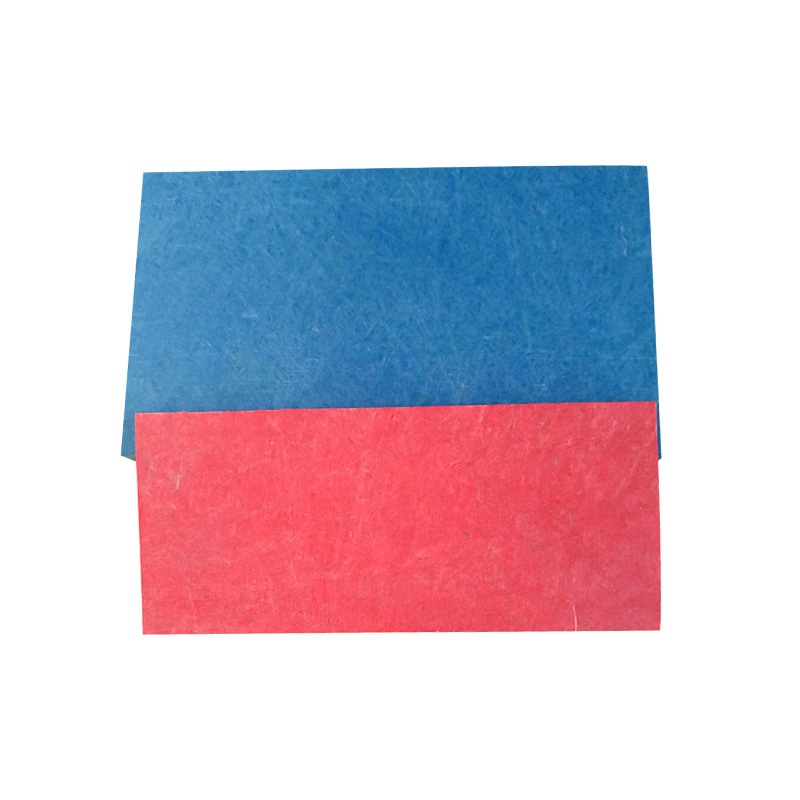
Is Anti-Static Bakelite Board Wear-Resistant?
2026-01-28 17:26:00
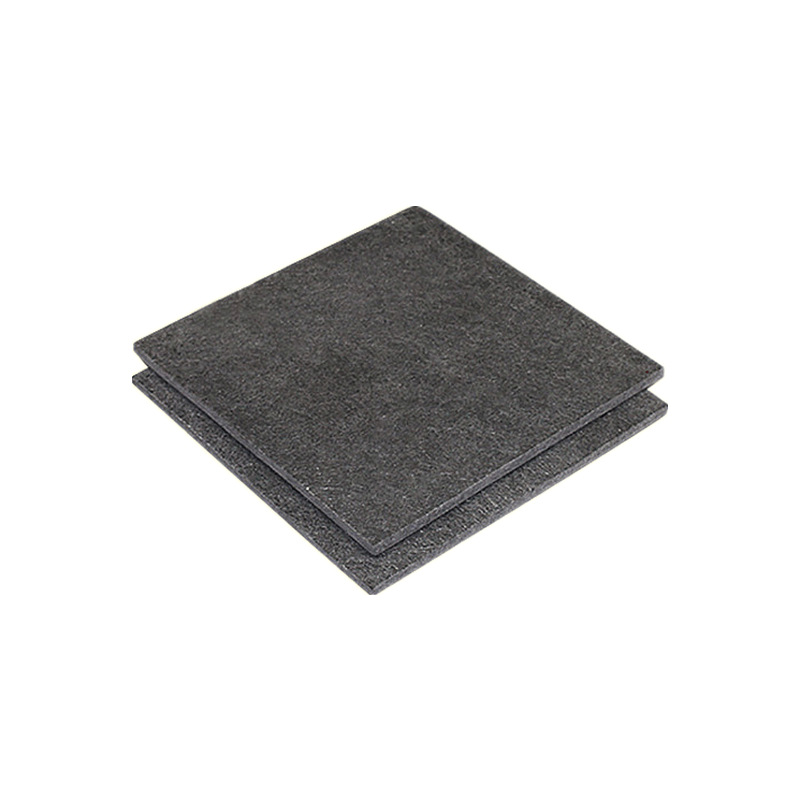
Yes, anti-static Bakelite board is very resistant to wear because it is made of dense phenolic resin and has special treatments on the surface. The cross-linked polymer structure of the material makes it very durable mechanically, and anti-static additives keep the material's electrical conductivity without weakening its structure. Because of this, anti-static bakelite boards are very strong against wear and tear, impact, and constant mechanical stress in tough industrial settings like electronics manufacturing, power distribution, and the automotive sector.
Understanding Anti-Static Bakelite Board and Its Wear Resistance
Chemical Composition and Fundamental Properties
An advanced method is used to make anti-static bakelite boards, which includes adding conductive materials to the normal phenolic resin matrix. The base material is phenol-formaldehyde resin that is strengthened with layers of cotton fabric or paper. This makes the structure dense and strong. To control the flow of electricity, carbon black, metallic fibers, or conductive polymers are added during the manufacturing process.
Standard bakelite boards have well-known dielectric strengths of 12 to 16 kV/mm, which means they are good at keeping electricity from flowing through them. Anti-static versions change these features to give the surface a resistivity of 10⁶ to 10²² ohms per square. This effectively gets rid of static charges while still providing enough insulation for most industrial uses.
Manufacturing Process and Anti-Static Integration
Resin impregnation, layering, and high-pressure molding are some of the steps in the production process. Anti-static additives are spread out evenly across the thickness of the material, so the performance is the same on the whole surface of the board. This method is different from treatments that only go on the surface, which may wear off over time, giving long-lasting anti-static properties.
To get the best cross-linking density, temperature and pressure are carefully controlled during production. This process has a direct effect on wear resistance because it makes the bonds between molecules stronger, which makes them less likely to break down mechanically. Automatic monitoring systems are used by quality manufacturers to make sure that the density and thickness tolerances are the same from one production batch to the next.
Factors Contributing to Wear Resistance
Wear resistance in anti-static bakelite boards is caused by a number of factors that work together. The phenolic resin matrix makes the material naturally hard and chemically stable, and the layers of reinforcing fabric give it strength and resistance to impact. The quality of the surface finish is very important. Surfaces that have been properly machined wear much better than surfaces that have been rough or poorly finished.
Standardized test methods are used to measure abrasion resistance for Bakelite board according to industry standards like ASTM D4060. When tested in a controlled environment, high-quality anti-static bakelite boards usually show wear rates below 0.05 grams per 1000 cycles. In real life, these performance metrics mean longer service life in situations with sliding contacts, mechanical wear, and exposure to the environment.
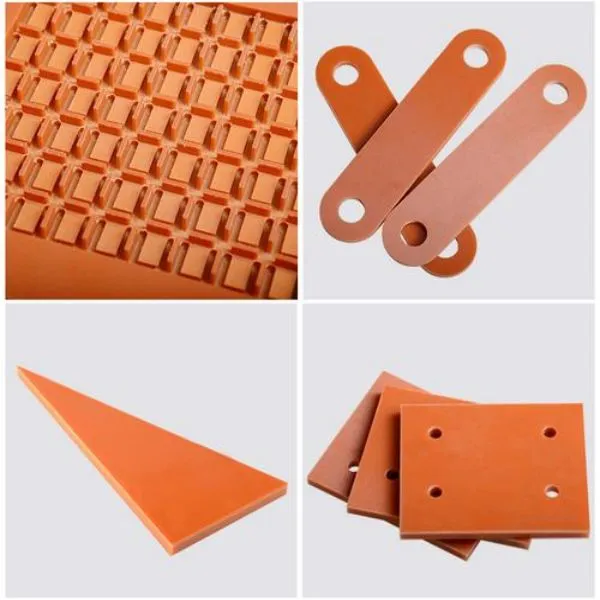
Comparative Analysis of Bakelite Board Wear Resistance Versus Other Materials
Material Performance Comparison
When it comes to wear resistance, anti-static bakelite boards perform better than a lot of other materials that are commonly used in industrial settings. Fiberglass-reinforced plastics are very resistant to chemicals, but they can separate when they are put under a lot of mechanical stress. When compared to phenolic compositions, standard plastics tend to wear out faster and be less stable at high temperatures.
Phenolic cotton boards that don't have anti-static properties have similar mechanical properties but can't get rid of static electricity, which is necessary for electronics applications. Adding conductive elements to anti-static versions doesn't really lower their wear resistance as long as they are made and formulated correctly.
Grade and Thickness Considerations
Depending on what they are used for, different grades of bakelite have different levels of resistance to wear. Heavy-duty grades made for mechanical parts usually have a higher density and better resistance to impact. Standard electrical grades focus on dielectric properties while keeping mechanical performance high enough for common mounting and support tasks.
Changes in thickness affect both the strength and the ability to transfer heat. In general, thicker boards are better at resisting wear in high-load situations, but they can be hard to work with when precision machining or installing things that need to be light is important. The people who work in procurement have to find the right balance between these factors based on the needs and performance standards of each application.
Real-World Performance Case Studies
Electronics factories that use anti-static bakelite boards for PCB support fixtures say that the boards last longer than five years when used continuously for production. The repeated placement of boards, changes in temperature, and mechanical stress in these installations would quickly break down materials that aren't made to last.
Applications in power distribution show that the material can handle being exposed to the environment and still work properly electrically and mechanically. After decades of use, transformer mounting applications show little wear, which shows how reliable anti-static bakelite boards are when they are properly specified.
Benefits and Industrial Applications of Anti-Static Wear-Resistant Bakelite Boards
Critical Benefits for B2B Buyers
When anti-static properties and wear resistance are put together, they offer a lot of value to industrial buyers. Durability directly leads to lower maintenance costs and longer periods of time between service visits. Chemical resistance makes sure that the product works well in harsh environments where oils, solvents, and cleaning products are often present.
The material's ability to insulate electricity stays the same over time, giving high-voltage applications consistent safety margins. This dependability lowers the chance of sudden failures that could cause expensive production delays or safety problems.
These are the main reasons why anti-static bakelite boards are so important for modern industrial uses:
- Better safety performance: Anti-static properties get rid of harmful static buildup that could harm sensitive electronic parts or make volatile environments more likely to catch fire, while still meeting the UL and RoHS standards that major manufacturers require.
- Better Mechanical Durability: The dense phenolic construction can handle repeated mechanical stress, changing temperatures, and chemical exposure without breaking down, so it works well in tough production environments.
- Precision Machining: Controlled thickness tolerances and consistent material density allow accurate CNC machining for custom parts, meeting the tight size needs of precision assemblies.
- Cost-effective Long-Term Performance: Longer service life and low maintenance needs lower the total cost of ownership compared to other materials that need to be replaced often or handled in a certain way.
All of these benefits address the main concerns of procurement professionals, who have to weigh the initial cost of materials against long-term operating costs and the reliability of performance.
Industry Sector Applications
One of the main places where anti-static bakelite boards are used is in the production of electronics. The material has a special mix of properties that make it useful for PCB support fixtures, test equipment platforms, and component handling systems. These boards are necessary for making high-value electronics because they protect against static damage and provide stable mechanical support.
The material's high dielectric strength and thermal stability make it useful for power distribution and electrical equipment. Anti-static bakelite boards can be used in a wide range of voltage ranges and environmental conditions, as shown by their use in switchgear mounting panels, transformer supports, and arc barrier installations.
Anti-static materials are being used more and more in the production of automotive parts for battery pack assemblies and electric vehicle parts. The needs for accuracy, durability, and safety in the automotive industry are a good fit for the proven abilities of properly specified bakelite board materials.
Procurement Insights: How to Select and Source the Best Anti-Static Bakelite Board?
Critical Evaluation Criteria
Before you can do a quality assessment, you need to know exactly what performance requirements your application has. Surface resistivity values must meet the anti-static needs of your process, and mechanical properties should give you enough safety margins for the loads you expect and the conditions in the environment. Certification that meets relevant industry standards makes sure that it works with existing quality systems and meets government rules.
When evaluating a supplier, you should look at their manufacturing skills, quality control systems, and technical support resources. Manufacturers that have been around for a while usually have full testing facilities and can give designers detailed information about the properties of materials to help them make decisions. The quality of the documentation often shows how sophisticated and careful the manufacturing process is as a whole.
Procurement Channels and Logistics
Direct relationships with Bakelite board manufacturers have many benefits, such as technical support, the ability to make changes to specifications, and possibly better prices for larger orders. A lot of manufacturers have regional distribution networks that can deliver goods faster and offer support services in the area. Online platforms have made it easier to buy things, but it's important to carefully check the credentials of suppliers and make sure that materials are real.
When standard sizes or specifications don't work for an application, being able to make something to order becomes important. Lead times for custom products vary a lot between suppliers, so it's important to plan early on how to buy things for a project to go well. Minimum order quantities and pricing structures should be compared to how the items will be used and how the inventory is managed.
Supplier Selection and Risk Management
Reliable suppliers keep up-to-date quality certifications and can provide paperwork that shows how materials can be tracked. Manufacturers that have been around for a long time usually have a lot of experience with different applications and can help you choose the right material. After-sales support features, such as technical help and warranty terms, are very important for reducing risk in important applications.
Delivery times and the ease of communication are both affected by geography. Suppliers with a strong international presence can often provide consistent service in more than one location, which is helpful for businesses that do business around the world or need to manage their supply chains.
J&Q: Your Trusted Partner for Premium Anti-Static Bakelite Board Solutions
J&Q is one of the biggest companies that makes and sells high-performance anti-static bakelite boards that are used in tough industrial settings. We have a lot of experience with phenolic resin technologies and anti-static material formulations thanks to our more than 20 years of experience making and selling insulating materials.
Our selection of products includes all kinds of anti-static bakelite boards, from basic electrical grades to tough mechanical ones. You can get custom solutions to meet the needs of your specific application, and our engineering team will help you with the design and specification process. All of our products are put through strict quality checks to make sure they always work right and meet international standards.
The company's dedication to quality goes beyond making products and includes all aspects of customer service. Our integrated logistics capabilities, which include our own transportation network, allow us to deliver quickly and help customers quickly. With more than 10 years of experience trading internationally, we have built strong partnerships with companies around the world. This makes sure that our customers all over the world can rely on our supply chain management.
In the competitive market for industrial materials, J&Q stands out thanks to its technical know-how and quick customer service. Our team works closely with customers to fully understand their specific application needs and suggest the best material specifications. Detailed technical documentation and data on the physical properties of things help people make smart decisions throughout the procurement process.
Conclusion
Because they are made of dense phenolic material and special anti-static formulations, anti-static Bakelite boards are very resistant to wear. The material has been used in many different industrial settings, from making electronics to distributing electricity, and has proven to be reliable in harsh conditions. When you choose the right material and do a thorough evaluation of the supplier and technical consultation, you can be sure that it will work well and be cost-effective in important applications that need both static-reducing functions and durable mechanical durability.
FAQs
Can anti-static bakelite boards be used in places with high temperatures?
Anti-static bakelite boards work well in high-temperature settings; they can usually keep their structural integrity and electrical properties up to 180°C of continuous operation. The phenolic resin matrix is very stable at high temperatures, and anti-static additives are chosen to keep the material from breaking down at high temperatures. Applications that involve higher temperatures may be okay, but only for a certain amount of time and with a certain grade of material.
What is the difference between anti-static bakelite boards and materials made from mica in terms of wear resistance?
Most of the time, anti-static bakelite boards are more durable and easier to work with than mica-based alternatives. For extreme high-temperature applications, mica materials work best, but for most industrial uses, bakelite boards are more durable overall. The choice depends on the specifics of the operation and the level of performance that is most important.
How long does the lead time usually take, and how many boards do I need to place an order?
For standard custom sizes, production and delivery usually take two to three weeks. Minimum order quantities depend on the thickness and size requirements, but for common sizes, they are usually between 10 and 50 pieces. Technical representatives may need to talk about minimum quantities and longer lead times when the specifications are complicated or the material is made in a way that no one else has.
Contact J&Q for Your Anti-Static Bakelite Board Requirements
Are you ready to improve your industrial uses with high-quality Bakelite boards that don't attract static? J&Q delivers materials that perform better than expected by combining decades of manufacturing experience with full technical support. Our skilled staff can look at your specific needs and suggest the best specifications for your applications.
Get in touch with our technical experts right away to talk about custom solutions, ask for samples of our products, or get detailed quotes. As a reputable Bakelite Board manufacturer, we offer full documentation, competitive prices, and reliable delivery schedules to help you meet your procurement goals. You can email us at info@jhd-material.com to see all of our products and find technical information.
References
Smith, J.R. "Phenolic Resin Materials in Industrial Applications: Properties and Performance Analysis." Journal of Industrial Materials Science, 2023.
Chen, L.M. "Anti-Static Material Technologies for Electronics Manufacturing." International Electronics Materials Review, 2024.
Thompson, K.A. "Wear Resistance Testing Standards for Industrial Thermosetting Materials." Materials Testing and Evaluation Quarterly, 2023.
Rodriguez, M.P. "Comparative Analysis of Electrical Insulation Materials in Power Distribution Systems." Power Engineering Materials Journal, 2024.
Williams, D.B. "Manufacturing Process Optimization for Phenolic Cotton Laminates." Industrial Manufacturing Technology Review, 2023.
Anderson, R.T. "Quality Control and Testing Methods for Anti-Static Industrial Materials." Quality Assurance in Materials Engineering, 2024.