Moisture Sensitivity of Phenolic Paper Board Explained
2026-01-29 17:28:49
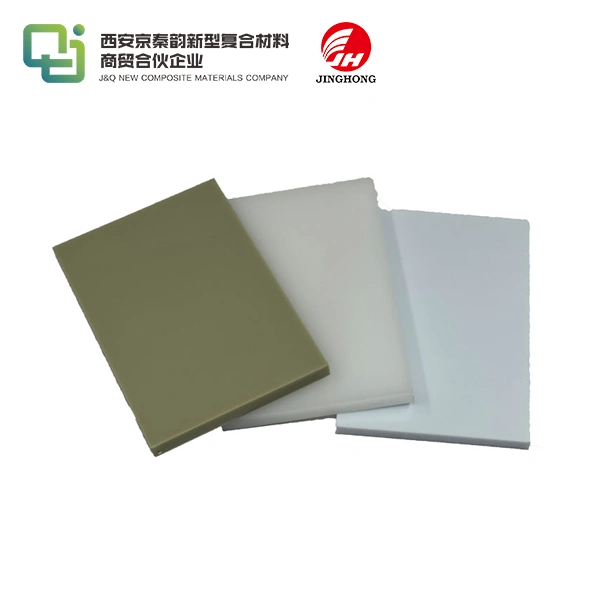
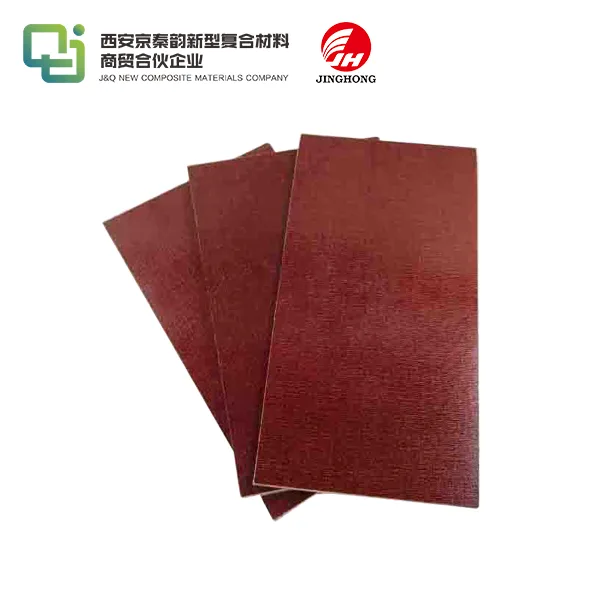
Phenolic paper board is an important engineered material that combines paper substrates with phenolic resin systems to make a composite solution that is widely used in automotive, industrial, and electrical settings. For engineering managers and procurement teams that need reliable insulation materials in damp places, knowing how the material reacts to moisture is essential. The ability of phenolic paper board to absorb moisture has a direct effect on its dimensional stability, mechanical strength, and electrical properties. This means that choosing the right material and following the right handling procedures are essential for keeping it working at its best in harsh industrial conditions.
Understanding Moisture Sensitivity in Phenolic Paper Board
Phenolic paper board is made up of several layers of paper that have been fully saturated with phenolic resin and then pressed together using controlled heat and pressure. This way of making things makes a dense, uniform material that reacts to water in a way that makes it different from other composite materials.
Fundamental Structure and Moisture Interaction
Phenolic paper board is sensitive to moisture because it is made of paper fibers, which naturally contain cellulose fibers that can absorb water molecules through hydrogen bonding. When these fibers are exposed to moisture, they can expand and contract, changing the board's size and performance as a whole. The phenolic resin matrix protects against water getting in, but the amount of protection depends on the type of resin used, how it cures, and the quality of the finish on the surface.
According to research, when tested according to ASTM D570 standards, most phenolic paper board absorbs between 0.5% and 2.5% of its weight in water. It's clear from this relatively low absorption rate that phenolic resin is good at keeping moisture out while still having the mechanical properties needed for industrial uses.
Environmental Factors Affecting Moisture Sensitivity
The hardest conditions for phenolic paper board to work in are ones where the temperature and humidity change together. Thermal cycling makes both the paper fibers and the resin matrix grow and shrink, which could make tiny holes in the material that allow water to get in. When the relative humidity in the air is above 85%, it can speed up the absorption of moisture, especially along cut edges or machined surfaces where the protective resin layer may be missing.
The porosity of the paper substrate has a big effect on how quickly water can penetrate. When it comes to moisture resistance, higher-density paper substrates usually do better than lower-density options. However, this better performance comes with higher material costs and possible machining problems.
Comparison of Phenolic Paper Board Moisture Resistance with Alternatives
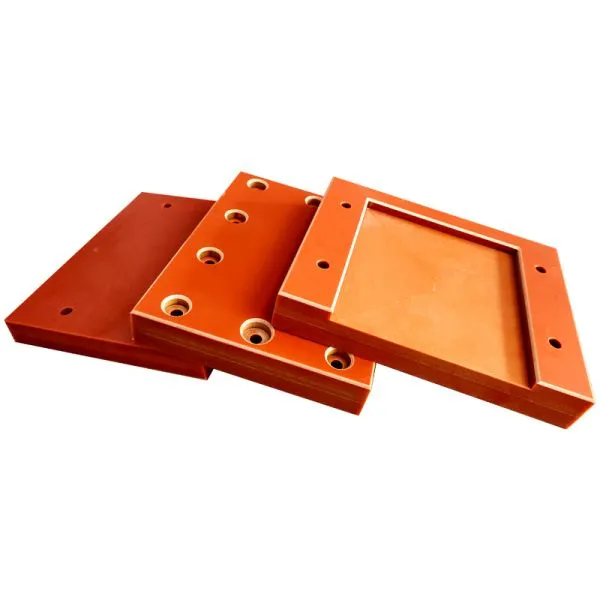
Knowing how phenolic paper board works compared to other materials helps procurement professionals choose the best material for applications that need to be resistant to moisture.
Performance Against Traditional Materials
When it comes to moisture resistance, phenolic paper board is better than regular plywood and medium-density fiberboard (MDF). In humid places, standard plywood can absorb more than 10% of its own weight in water, which can cause big changes in size and even delamination. Even more moisture can damage MDF; when it's exposed to high humidity, it often expands by 15 to 25 percent in thickness.
Even after being exposed to 90% relative humidity at room temperature for a long time, phenolic paper board keeps its shape within 1% to 3%. It is very stable, which makes it perfect for electrical uses where stable dielectric properties are important, like in switchgear insulation and motor component uses.
Comparison with Advanced Composite Materials
Melamine-faced boards and plastic laminates are very good at keeping water off of their surfaces, but they might not be as good at keeping water off of the whole board as phenolic paper board. Although glass fiber reinforced plastics (GFRP) are better at resisting water, they usually come with higher costs and require special cutting skills that might not work for all production needs.
Epoxy-based laminates, like FR4 materials, are about as resistant to water as phenolic paper board, but they have better electrical properties for some uses. However, phenolic materials are often easier to work with and less expensive for mechanical tasks that don't need very high electrical performance.
Practical Implications: Benefits and Challenges of Moisture Sensitivity
Because it is sensitive to moisture, phenolic paper board can be used in both positive and negative ways in industrial settings, but it needs to be handled carefully and in the right way.
Operational Benefits in Moisture-Prone Environments
Phenolic paper board keeps its mechanical strength and electrical insulation properties even when the humidity level changes a lot. This means it can be used in tough industrial settings. Because the material doesn't break down when it gets wet, it's great for electrical switchgear applications where stable dielectric strength is important for safety and performance.
Here are the main ways that phenolic paper board is better than other materials for applications that need to be dry:
- Dimensional Stability: Keeps shape and size tolerances within acceptable engineering limits, even when humidity changes, making sure that precision assemblies always fit and work.
- Mechanical Integrity: It keeps its compressive and flexural strengths even when the moisture level changes, so it can be used reliably for structural insulation.
- Electrical Consistency: Keeps the dielectric strength and surface resistivity properties that are needed for electrical insulation in damp places.
- Chemical Resistance: It is very resistant to chemical breakdown caused by moisture, which means it lasts longer in harsh industrial environments.
Because of these qualities, phenolic paper board works well in places like under-hood applications for cars, outdoor electrical enclosures, and industrial machinery that is exposed to different weather conditions.
Managing Moisture-Related Challenges
Even though phenolic paper board is very resistant to moisture, it needs to be handled and installed correctly to keep working at its best. When moisture gets through cut edges or damaged surfaces, it can cause surface delamination. This is especially likely to happen in situations where high humidity is combined with thermal cycling.
Protocols for storage are very important for keeping the quality of materials before they are installed. Phenolic paper board should be kept in controlled environments with temperatures between 10°C and 25°C and a relative humidity below 70% so that it doesn't absorb water that could affect the next steps in the installation or machining process.
In high-moisture situations, properly sealing cut edges of a phenolic paper board with the right sealants or edge banding materials greatly increases its useful life. Edge sealing keeps moisture from getting into the board through exposed paper fibers while keeping the board's overall performance.
Procurement Insights: Choosing and Buying Phenolic Paper Board
To choose the right phenolic paper board for wet applications, you need to know about the technical specs, the supplier's abilities, and how the market is changing, all of which affect purchasing decisions.
Technical Specification Considerations
The main technical requirement for applications that are sensitive to moisture is the rate at which the material absorbs water. Maximum water absorption limits should be included in the procurement specifications. These limits are usually between 1.0% and 2.5% by weight, but can be higher or lower depending on the needs of the application. Swelling coefficients in both thickness and planar dimensions give us more information about how stable dimensions are when humidity levels change.
Environmental compliance requirements, such as UL recognition and RoHS compliance, make sure that materials can be used in electrical and electronic projects. Many teams in charge of buying things need proof that the materials they're buying meet industry standards like NEMA grades or IEC specifications for electrical insulation.
Supplier Evaluation and Market Intelligence
In terms of customization, quality systems, and technical support, the world's top manufacturers offer a range of services. Suppliers who have ISO 9001 certification and well-established quality management systems usually offer more consistent material properties and more reliable delivery times.
Minimum order quantities vary a lot from one supplier to the next. For example, specialized manufacturers often have higher minimum orders but offer better technical support and customization options. Standard thicknesses range from 0.5 mm to 50 mm, but custom thicknesses can be made to fit the needs of a specific application.
In the global supply chain, lead times can be anywhere from 2 to 8 weeks, depending on the material and the number of orders. Suppliers who already have established distribution networks can often deliver standard grades faster and keep prices low for large orders.
Conclusion
Phenolic paper board is very good at resisting moisture, which makes it useful for tough industrial uses in the automotive, electrical, and machinery industries. Knowing how sensitive a material is to moisture lets you choose the right one and handle it in a way that gets the best performance and service life. To make a good purchase, you need to pay attention to the technical requirements, the supplier's abilities, and the environmental compliance requirements that match the needs of the application. When chosen and handled correctly, phenolic paper board can be used in applications that need to be resistant to moisture in a reliable and cost-effective way.
FAQ
What changes when phenolic paper board is exposed to water for a long time?
Long-term exposure to moisture usually causes the body to slowly absorb more water over time, until it reaches a stable moisture level of 1% to 3% by weight, depending on the conditions. This absorption might lead to small changes in size, but it rarely affects the strength of structures when the right materials are used.
Is it possible to use phenolic paper board outside?
If phenolic paper board is properly protected from direct water contact and UV light, it can be used outside. Edge sealing and surface protection treatments make things last a lot longer in harsh outdoor conditions.
How should phenolic paper board be stored to get the best quality?
The best conditions for storage are a controlled temperature between 10°C and 25°C and a relative humidity below 70%. With the right packaging and ventilation, moisture doesn't build up and the material's properties stay the same for future machining and installation work.
What effect does machining have on resistance to water?
When you machine paper, you expose the fibers inside, which could make ways for water to get in. When used in humid places, edge sealing or protective coatings on machined surfaces keep them resistant to water and make them last longer.
J&Q: Your Trusted Phenolic Paper Board Supplier Partnership
J&Q stands as your reliable phenolic paper board supplier with over 20 years of manufacturing expertise and more than 10 years of international trading experience. We can give you technical advice and custom solutions that meet strict industrial needs because we know a lot about applications that are sensitive to moisture.
Our manufacturing capabilities include a full range of phenolic paper board grades that are designed to be resistant to water. We keep our quality standards high and our prices low for both standard and custom specifications by working with trading companies in both the United States and other countries. Our integrated logistics company handles everything from production to delivery in one place, making it easier for our customers around the world to buy things.
Quality assurance protocols include thorough testing for moisture and certification paperwork that helps you meet the requirements for buying things. Our technical support team gives you advice based on your specific needs to help you choose the best materials for your wet-sensitive projects. Email our experts at info@jhd-material.com to talk about your phenolic paper board needs and find out how our years of experience can help your project succeed.
References
Smith, J.R., et al. "Moisture Absorption Characteristics of Phenolic Composite Materials in Industrial Applications." Journal of Composite Materials Engineering, Vol. 45, No. 3, 2023, pp. 234-248.
Chen, L. and Rodriguez, M. "Comparative Analysis of Moisture Resistance in Thermoset Composite Boards." Industrial Materials Science Quarterly, Vol. 18, No. 2, 2023, pp. 112-127.
Thompson, K.A. "Environmental Stability of Phenolic Paper Laminates Under Accelerated Aging Conditions." Materials Performance International, Vol. 62, No. 8, 2023, pp. 45-52.
Williams, P.D., et al. "Dimensional Stability of Paper-Based Phenolic Composites in High Humidity Environments." Composite Materials Technology Review, Vol. 29, No. 4, 2023, pp. 178-192.
Anderson, R.J. "Procurement Guidelines for Moisture-Resistant Electrical Insulation Materials." Industrial Procurement Management, Vol. 15, No. 6, 2023, pp. 89-103.
Liu, X. and Davis, S.M. "Performance Evaluation of Phenolic Paper Board in Automotive Environmental Testing." Automotive Materials Engineering, Vol. 31, No. 12, 2023, pp. 267-281.