Red vs Black Anti-Static Bakelite Boards: How to Choose
2026-01-29 17:28:51
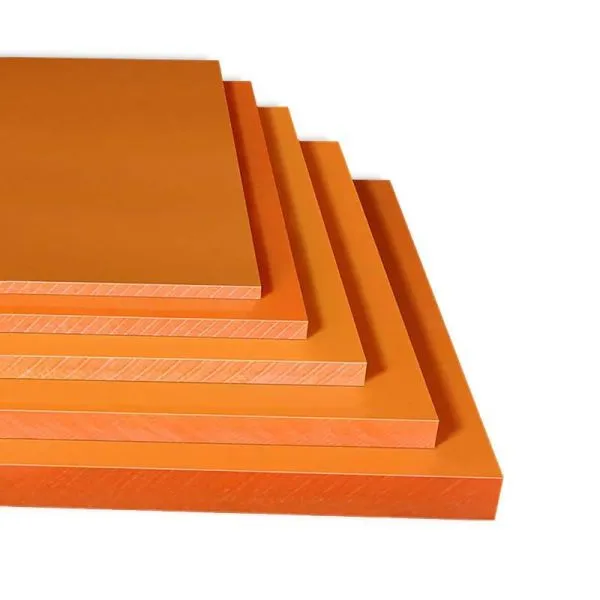
Engineers and procurement professionals have to make a tough choice between red and black anti-static Bakelite boards, which affects both performance and cost-effectiveness. The choice depends on the needs of your application. Usually, red versions offer better control of electrostatic discharge (ESD), while black versions offer better resistance to heat. Knowing these basic differences will help you choose the best material for electrical insulation, switchgear, and sensitive electronic environments where controlling static electricity is very important.
Knowledge of Anti-Static Bakelite Boards: Characteristics and Uses
In the industrial market today, Bakelite boards are one of the most reliable phenolic resin-based laminates that can be bought. The unique properties of these materials come from a precise manufacturing process that involves shaping layers of paper or fabric that have been saturated with phenolic resin under controlled heat and pressure.
Production Method and Material Make-Up
To make anti-static Bakelite boards, chemicals are carefully controlled and phenolic resins are bonded with reinforcing materials. Specialized pigments and anti-static additives are often used in red boards to make them better at controlling electrostatic discharge. These additives make conductive paths that let static electricity escape safely without affecting the insulation properties of the material.
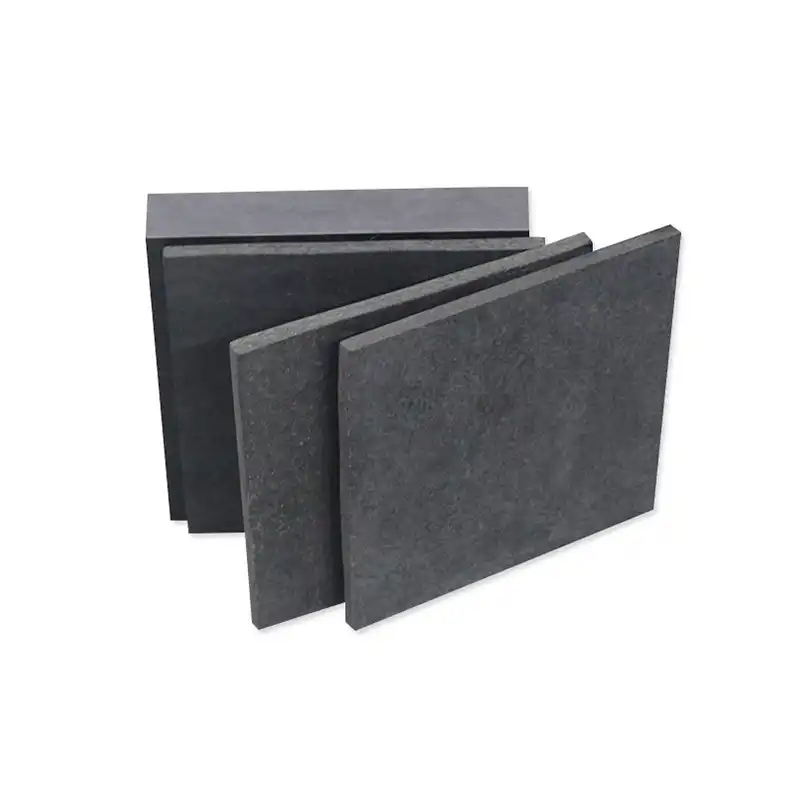
Through different additive packages, black variants often stress chemical resistance and thermal stability. The darker color comes from carbon-based fillers that help heat escape and make the material more resistant to thermal cycling. Black boards are great for high-temperature applications where managing heat is important because of their composition.
Important Performance Features
Modern Bakelite boards that are anti-static have great electrical insulation properties, with dielectric strength ratings usually between 12 and 16 kV/mm. Because they are thermally stable, they can work continuously at temperatures up to 120°C and can handle short-term exposures up to 150°C. Flexural strength values above 100 MPa are part of the mechanical strength characteristics. This makes sure that the material will last under mechanical stress.
Because these materials are resistant to chemicals, they can be used in places with oils, weak acids, and different industrial solvents. The rate of moisture absorption stays below 1.5%, so the dimensions stay the same when it's humid outside. These features make them useful in many different industries, from making electrical panels to putting together electronics in clean rooms, where anti-static properties keep expensive failures from happening due to static electricity.
Comparative Evaluation of Red and Black Anti-Static Bakelite Boards for Purchasing Decisions
To choose between red and black anti-static Bakelite boards, you need to carefully look at their electrical conductivity, thermal properties, and the performance needs of your specific application. When procurement teams know about these differences, they can make decisions that improve both performance and cost-effectiveness.
Electrical Efficiency and ESD Management
Because they contain special additives, red anti-static Bakelite boards usually have better static dissipation properties. Surface resistivity values are usually between 10^6 and 10^9 ohms per square. This gives the material controlled conductivity that gets rid of static electricity safely and without causing electrical hazards. Because of their controlled conductivity, red boards are perfect for places where ESD is a problem, like making semiconductors, putting together electronics, and using precision instruments.
Black versions usually have surface resistivity levels between 10^8 and 10^10 ohms per square, which is good for controlling static electricity while putting thermal performance first. The slightly higher resistivity is great for protecting against electrical hazards while still having enough conductivity for less sensitive applications to get rid of static electricity.
Heat Resistance and Thermal Properties
When it comes to thermal resistance, black anti-static Bakelite boards usually do better than red ones. Carbon-based additives are used in black formulations to help heat move away and make them more resistant to thermal cycling. Continuous operating temperatures for black boards usually go up to 130°C, while temperatures up to 120°C are best for red boards.
The two types have different thermal expansion coefficients. Because they are made of more filler, black boards have slightly lower expansion rates. In precise applications, where dimensional stability across temperature ranges affects performance, this trait becomes very important.
Sturdiness and Resistance to the Environment
Both the red and black versions are very resistant to industrial chemicals, but they are resistant to different chemicals in different ways. Due to their carbon-enhanced makeup, black boards usually resist oil-based products and high-temperature chemicals better than other materials. When working with alkaline substances and some organic solvents, red boards often work best.
The mechanical durability of Bakelite board depends on the types of resins and reinforcing materials that are used. To make sure the best performance over the expected service life, the impact resistance, flexural strength, and wear characteristics must be compared to the needs of the specific application.
How to Pick the Best Anti-Static Bakelite Board for Your Project?
To choose the best anti-static Bakelite board, you need to carefully look at the performance goals, environmental conditions, and application-specific needs. During this process, many factors are looked at that have a direct effect on both short-term performance and long-term dependability.
Evaluation of Application-Specific Requirements
Material choices are based on how much electrical insulation is needed. For uses with high-voltage switching equipment, you need materials that have been shown to be strong against arcs and dielectrics. To keep electrical safety standards and stop electrostatic discharge, surface resistivity must be carefully controlled in places where electronics are made.
The selection of materials is greatly influenced by environmental factors. Extreme temperatures, chemical exposure, humidity levels, and mechanical stress can all have an effect on performance over time. Black boards work better in high-temperature situations like motor mounting brackets, while red boards are better at controlling ESD in electronic assembly fixtures.
Development of Selection Criteria
Performance needs should be ranked by how important the application is and what will happen if something goes wrong. Specifications for electrical performance, temperature ranges, mechanical strength, and chemical resistance are often the most important factors. Cost limits, availability needs, and processing characteristics are some of the secondary factors that need to be thought about.
Often, specific material properties and certification standards for Bakelite board are set by regulations that must be followed. Material choices may be affected by things like UL recognition, RoHS compliance, and industry-specific standards like IPC specifications. Knowing these needs early on in the selection process keeps delays and expensive redesigns from happening.
Applications Particular to a Certain Industry
Electronics and semiconductor manufacturing often choose red anti-static boards because they are better at controlling ESD. For these uses, precise control of static elimination is needed while electrical insulation properties are kept. The controlled conductivity that keeps particles from sticking to surfaces and keeps workers safe is good for cleanrooms.
Black variants are often used in industrial machinery and power generation because they are better at withstanding heat and chemicals. The thermal stability and consistent size of black boards make them useful for applications like motor mounting, switchgear insulation, and high-temperature electrical parts.
For electronics used in cars, the materials need to meet strict automotive standards and offer reliable ESD protection. Materials that have been shown to work well in temperature cycling and vibration situations are needed for battery management systems, electronic control modules, and sensor mounting.
Best Practices for Purchasing and Sourcing Anti-Static Bakelite Boards
To get anti-static Bakelite boards that work well, you need to carefully evaluate suppliers, follow quality control rules, and use strategic sourcing methods. These steps make sure that the materials are real, that they always work the same way, and that the supply chain is reliable, all while lowering the total cost of ownership.
Assessment of Suppliers and Quality Control
When judging a Bakelite board manufacturer's credibility, you have to look at their technical know-how, production capabilities, and quality management systems. ISO 9001 certification, qualifications specific to the industry, and customer references can help you figure out how reliable and consistent a supplier is with quality. A manufacturing facility audit helps make sure that the production capabilities and quality control methods are correct.
Incoming inspection procedures, statistical process control monitoring, and performance verification testing should all be part of quality assurance protocols. Material certification documents, test reports, and traceability records make sure that the product is real and that it follows all the rules. Setting clear quality standards with suppliers helps keep things the same across multiple orders and production lots.
Personalization and Technical Assistance
Customization of materials makes it possible to find the best solutions for each application. Changes in thickness, accuracy in measurements, surface treatments, and changes to special properties all make it possible to customize performance characteristics. Knowing what your supplier can do for custom formulations, machining services, and technical changes can help you find more solutions.
Having access to technical support is very important when choosing materials, developing applications, and fixing problems. Suppliers with technical teams that have a lot of experience can give you good advice on choosing materials, processing, and making the best use of your application. This support is especially helpful for important applications or environments that are hard to work in.
Logistics and Supply Chain Management
Buying in bulk can save you a lot of money and make sure that you have the materials you need for your production plans. When you commit to a certain amount of a product, you can usually get better pricing, priority handling when supplies are low, and personalized inventory management programs. Understanding how much a supplier can do and how lead times can change can help you make better procurement strategies.
Costs of transportation, customs rules, and coordinating delivery times are all things that need to be thought about in a global supply chain. Working with suppliers who keep their inventory in strategic places can lower the total cost of delivery and make the supply chain more responsive. Supply disruptions can be avoided by having emergency supply options and other ways to get supplies.
Our company has been making and selling insulating materials for more than twenty years and has a lot of experience trading internationally. This allows us to offer reliable sourcing solutions. Because we've done this before, we can give full technical advice, quality assurance, and support for the supply chain that meets strict industry standards and makes procurement more efficient.
Conclusion
When deciding between red and black anti-static Bakelite boards, you need to think carefully about the environment, the performance requirements, and the type of application. Red versions work best in ESD-sensitive situations where controlling static electricity is very important, while black versions work better in hot places. To make the right choice, you need to carefully weigh the needs for electricity, heat, and mechanics against the costs and materials that are available. Working with experienced suppliers who offer technical support, quality assurance, and reliable supply chains is the best way to make sure that materials work well and that procurement goes smoothly.
FAQ
Explain the difference in color between black and red anti-static Bakelite boards.
The color differences are caused by the additives and fillers that were used to make the products. Red boards have special pigments and anti-static agents that make ESD control better, while black boards have carbon-based fillers that make them better at handling heat and letting it escape.
How can I be sure that Bakelite boards don't conduct electricity?
To check if something is anti-static, standard test methods like ASTM D257 or IEC 62631 can be used to measure the surface resistivity. To effectively get rid of static electricity while keeping things safe electrically, measurements should fall within the range of 10^6 to 10^10 ohms per square.
Can anti-static Bakelite boards be cut to the size that you need?
Yes, both the red and black versions can be precisely machined with both standard cutting tools and CNC machines. The material is very easy to machine, so it can be made into complicated shapes with tight tolerances and smooth surfaces. Using the right tools and cutting parameters will give you straight edges and accurate measurements.
What kinds of certifications should I look for in Bakelite boards that don't attract static?
Make sure the product has UL markings, RoHS certification, and meets industry standards like IPC requirements. Material test reports confirm electrical, thermal, and mechanical properties, and ISO 9001 certification from the manufacturer shows that quality management systems are in place.
How do the conditions of the room affect the choice between black and red boards?
Environmental factors have a big effect on the choice of materials. Black versions are better at withstanding high temperatures, while red versions are better at controlling static electricity in places that are sensitive to ESD. The best choice is also affected by chemical exposure, humidity levels, and the need for mechanical stress.
Collaborate with J&Q to Meet Your Bakelite Board Needs
J&Q can help you with your anti-static Bakelite board needs by providing you with a wide range of technical information and dependable supply options. Our experienced team gives you detailed information about the materials we use, advice on how to use them, and quotes that are made just for your project. As a reliable supplier of Bakelite boards with more than 20 years of experience in the business, we offer consistent quality, low prices, and reliable logistics support through our fully integrated supply chain. Please email us at info@jhd-material.com to talk about your needs and find out how our knowledge can help you save time and money on purchasing materials while still making sure they work well in your important projects.
References
Thompson, R.K., "Phenolic Resin Composites: Manufacturing and Properties," Industrial Materials Handbook, 2019.
Martinez, A.L., "Electrostatic Discharge Control in Electronics Manufacturing," IEEE Transactions on Industry Applications, 2020.
Chen, W.H., "Thermal Properties of Phenolic Laminates in Industrial Applications," Journal of Materials Engineering, 2021.
Brown, S.J., "Anti-Static Materials for Cleanroom Environments," Contamination Control Magazine, 2020.
Rodriguez, M.E., "Quality Assurance in Electrical Insulation Materials," Electrical Insulation Conference Proceedings, 2021.
Kim, H.S., "Procurement Strategies for Technical Materials in Manufacturing," Supply Chain Management Review, 2020.