Why 3240 Epoxy Board Is Widely Used in Power Industry?
2026-01-30 14:00:16
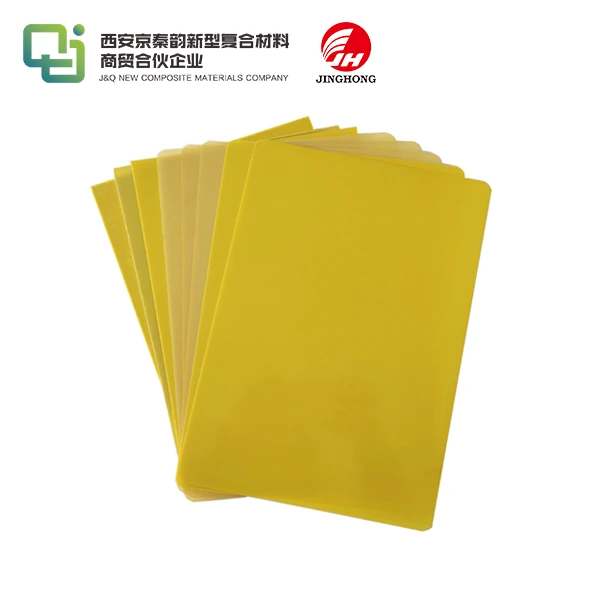
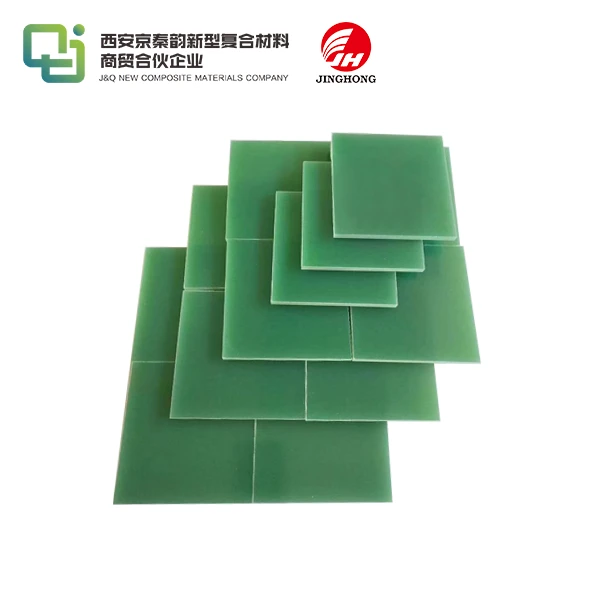
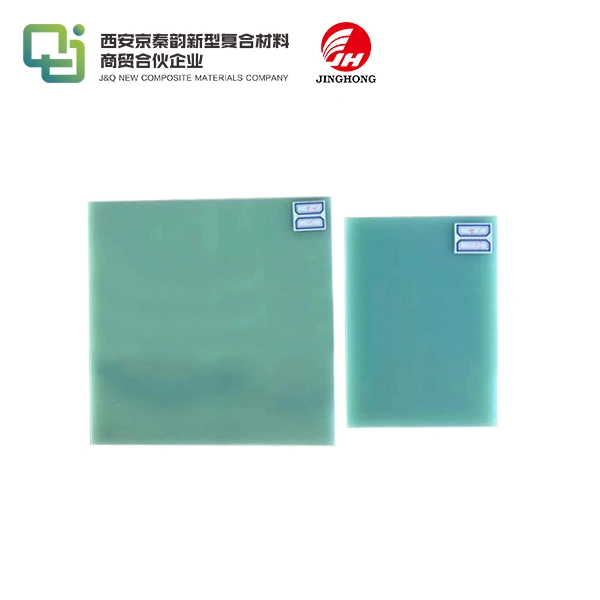
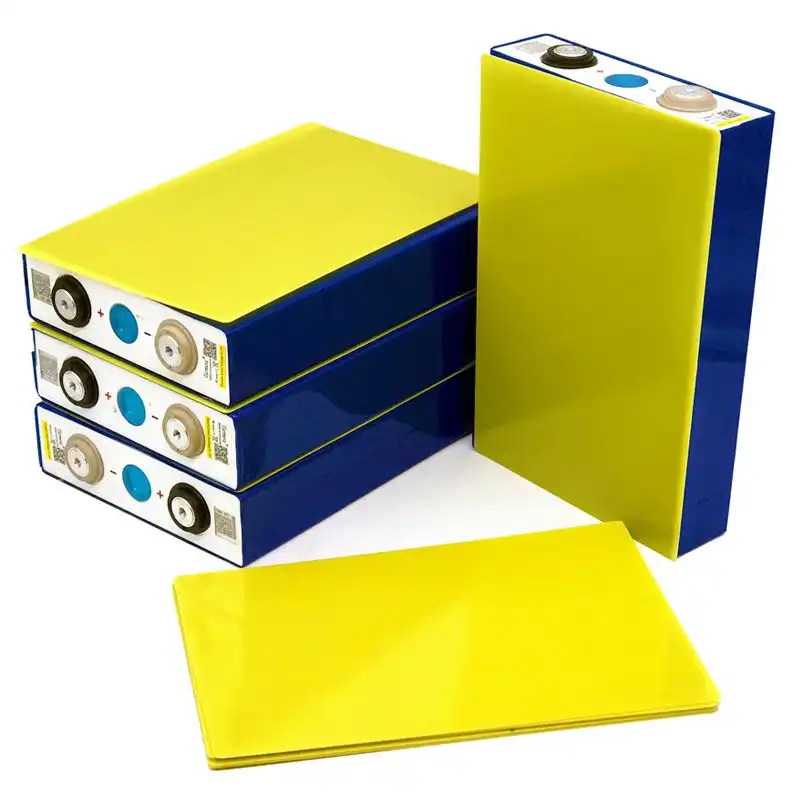
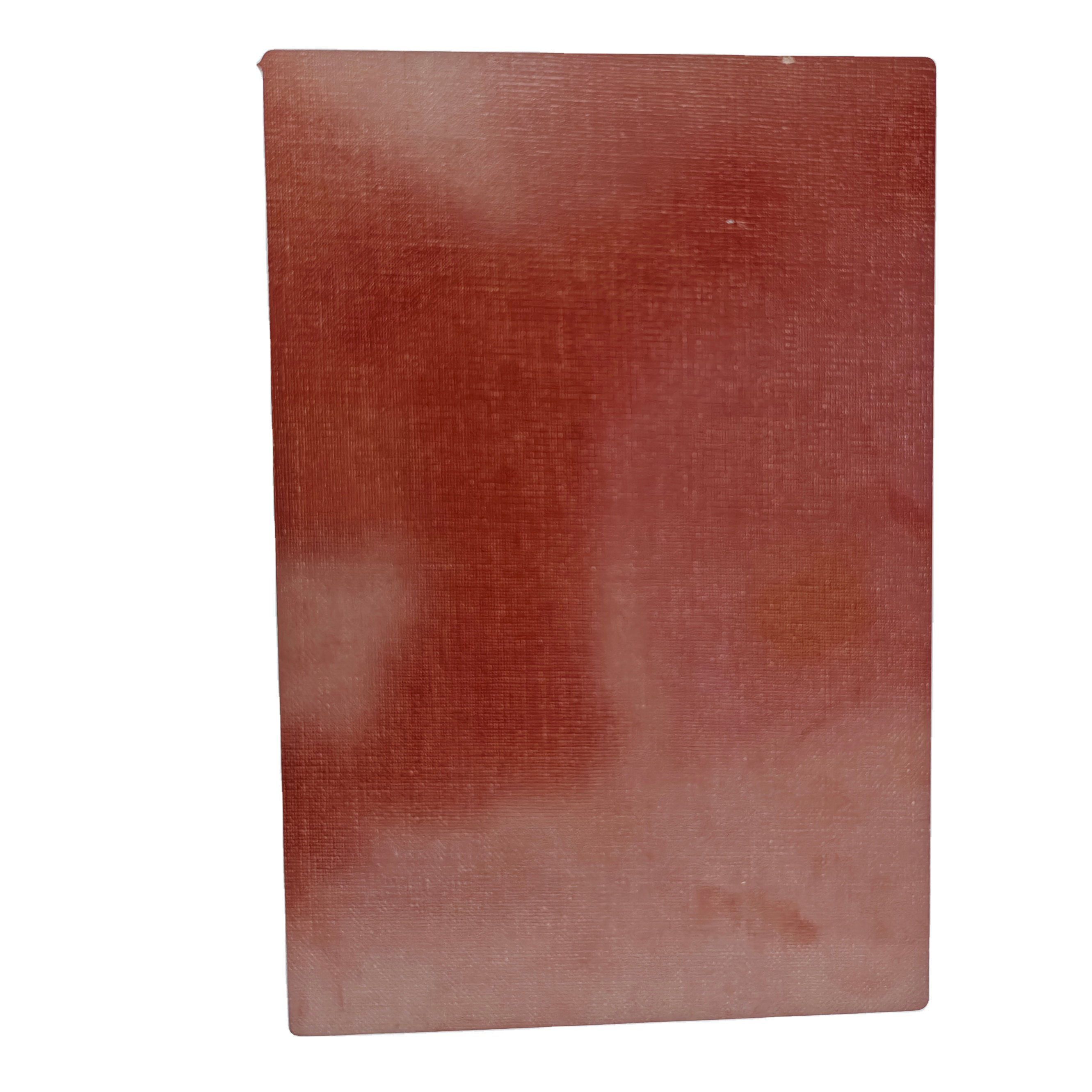
Due to its excellent electrical protection, better temperature stability, and strong mechanical strength, the 3240 epoxy board has become a key material in the power industry. This glass-fiber reinforced epoxy laminate has great dielectric performance, which makes it perfect for use as insulation for transformers, parts of switches, and electrical motors that need to work reliably at high temperatures and voltages.
Understanding 3240 Epoxy Board: Specifications and Properties
This 3240 epoxy board is made of a high-tech hybrid material that was designed to work well in tough electrical situations. This laminated material blends glass fiber support with high-performance epoxy resin systems, making a base that meets strict industry standards for power equipment manufacturing.
Manufacturing Standards and Composite Structure
This epoxy laminate is made up of several layers of woven glass fabric that are saturated with thermosetting epoxy resin. The production method ensures regular fiber spread and full resin soaking, resulting in similar material qualities throughout the length. This glass epoxy sheet meets the requirements of NEMA G-10 and IEC 60893, which means it will work reliably in a range of electrical power uses.
Quality control during production includes tracking of resin content, glass-to-resin ratio, and sealing factors to achieve ideal mechanical and electrical properties. Lamination is done under controlled pressure and temperature, which gets rid of any gaps and makes sure that the layers stick together as well as possible.
Parameters of Electrical and Thermal Performance
This insulation board is especially useful for uses in the power business because it is insulating. The material has a dielectric constant between 4.5 and 5.5 at 1 MHz and a dielectric strength of more than 16 kV/mm, so it is very good at keeping electricity from flowing through it in high-voltage areas. The volume resistance usually measures above 10^12 ohm-cm, ensuring minimum current loss even under ongoing electrical stress.
Thermal features include a glass transition temperature around 130°C and constant working temperature capability up to 130°C. The material keeps dimensional stability across temperature changes, with a coefficient of thermal expansion suitable with metal components widely used in electrical systems. These thermal qualities allow stable performance in transformer situations where temperature changes are typical.
Mechanical Strength and Machining Characteristics
The dynamic features of this 3240 epoxy board blend support structure uses within power tools. Flexural strength usually exceeds 400 MPa, while compressive strength hits over 350 MPa. These values ensure the material can handle mechanical forces experienced in switchgear mounting applications and motor housing components.
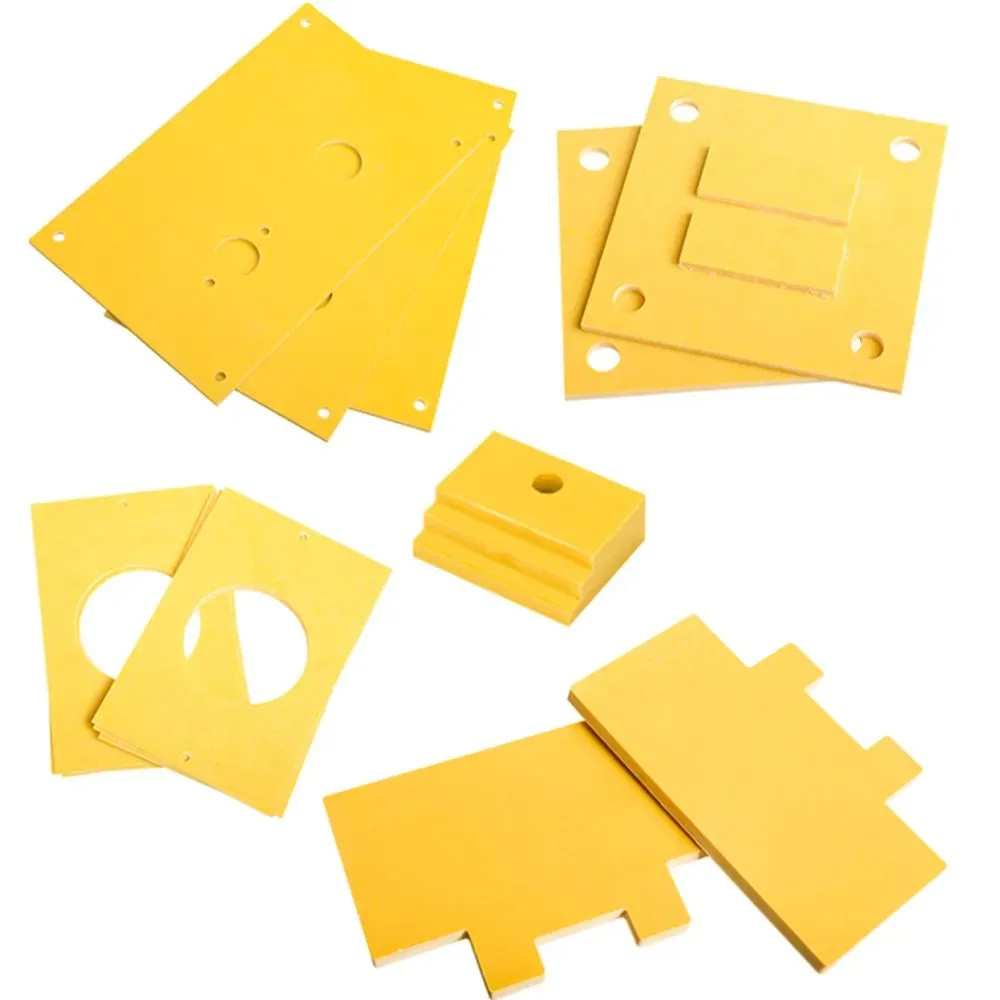
Machining features allow exact production of unique components using standard tools. The material shows good physical stability during CNC processing, allowing tight limits needed for electrical insulation uses. Surface finish quality stays uniform across different cutting processes, serving both practical and aesthetic needs.
Core Advantages of 3240 Epoxy Board in Power Industry Applications
The broad acceptance of this epoxy material in power industry uses stems from its unique mix of qualities that meet key performance requirements. Understanding these benefits helps engineering teams make informed material selection decisions for their specific uses.
Superior Electrical Insulation Performance
Electrical shielding reflects the main function driving material selection in power equipment design. This glass fiber reinforced plastic offers exceptional insulating qualities that stay stable across various weather conditions. The material's ability to keep insulation integrity under high voltage stress makes it ideal for uses ranging from low-voltage control circuits to high-voltage transmission equipment.
The tracking resistance of this insulation material beats industry standards, stopping the formation of conductive paths on the surface when exposed to moisture and contaminants. This feature proves particularly useful in outdoor electrical equipment where weather exposure can compromise shielding performance over time.
Arc resistance features ensure the material can withstand electrical flaws without catastrophic failure. When exposed to arc conditions, the material chars rather than burns, keeping structure integrity and stopping fire spread. This safety trait makes it a preferred choice for important power infrastructure uses.
Thermal Stability and Heat Dissipation
Power equipment creates significant heat during operation, making thermal control a crucial design consideration. This 3240 epoxy board material shows good thermal stability, keeping its mechanical and electrical qualities even when exposed to high temperatures for long times.
The material's thermal conductivity, while mild compared to metals, offers acceptable heat transfer for many shielding uses. When paired with proper thermal design, the material helps handle hot spots in electrical equipment, avoiding localized burning that could lead to premature failure.
Flame safe features meet UL 94 V-0 standards, ensuring the material will not add to fire spread in the event of electrical problems. This safety feature meets regulatory standards and offers extra protection for people and tools.
Versatility Across Power Industry Applications
The flexibility of this layered material allows its use across various power industry uses. In transformer production, the material acts as core supports, coil spacers, and terminal boards. The mix of electrical protection and industrial strength makes it ideal for these important structure components.
Switchgear uses benefit from the material's ability to provide effective insulation walls while supporting mechanical loads from circuit breakers and disconnect switches. Custom manufacturing skills allow makers to create complicated shapes that improve space usage within electrical structures.
Motor makers utilize this insulation board for slot guards, phase separators, and end shields. The material's suitability with motor winding processes and resistance to oil and coolants makes it a safe choice for spinning machinery uses.
Comparison and Decision-Making: Why Choose 3240 Epoxy Board?
Material selection for power industry uses demands careful review of performance traits, cost factors, and long-term dependability. Comparing different insulation materials helps engineering teams find the best option for their unique needs.
Performance Comparison with Alternative Materials
When considering shielding materials for power uses, this 3240 epoxy board offers benefits over standard options. Compared to phenolic boards, the epoxy method offers better moisture protection and structural stability. The glass fiber support provides higher mechanical strength than paper-based phenolic materials, allowing smaller parts without losing structural integrity.
FR4 materials, while similar in construction, generally offer lower temperature values compared to this specialized power industry grade material. The improved thermal performance makes the 3240 grade more suitable for situations where constant high-temperature operation is needed.
Ceramic materials provide better heating qualities but lack the machinability and cost-effectiveness of this epoxy blend. The ability to create complicated forms using standard tools provides design freedom that clay alternatives cannot match.
Cost-Performance Analysis
The economic review of insulation materials must consider both original material prices and long-term operating benefits. This epoxy board material usually carries a modest price premium compared to basic phenolic materials but provides better stability and longer service life.
Manufacturing efficiency gains from the material's good machinability, cutting manufacturing time and equipment costs. The ability to achieve tight specs regularly reduces scrap rates and repair requirements, improving total production costs.
Maintenance costs drop due to the material's resistance to weather degradation and mechanical wear. The longer service life lowers repair frequency, offering long-term cost benefits that often offset higher original material prices.
Application-Specific Selection Criteria
Different power industry uses place different stress on material qualities, needing personalized selection criteria. High-voltage uses favor dielectric strength and tracking resistance, making this epoxy laminate an excellent choice for outdoor switches and transmission equipment.
Temperature-sensitive uses, such as power generator cores, gain from the material's thermal stability and low thermal expansion. The ability to keep measurement accuracy across temperature changes avoids mechanical stress that could compromise electrical connections.
Applications needing custom shapes maximize the material's good machining properties. Complex forms that would be difficult or expensive to make in clay materials become possible using this machinable epoxy blend.
Procurement Guide: Sourcing 3240 Epoxy Board Efficiently
Successful purchase of 3240 epoxy board materials requires understanding of source skills, quality standards, and transportation factors. Developing effective buying strategies ensures stable material supply while reducing costs and delivery performance.
Supplier Evaluation and Selection
Identifying qualified providers includes analyzing production skills, quality systems, and expert help resources. Established makers with extensive knowledge in power industry uses usually provide better product stability and expert help.
Quality approvals, including ISO 9001 and related electrical industry standards, show a supplier's commitment to consistent product quality. Regular monitoring of source sites and methods helps keep quality standards and reveals possible supply chain risks.
Technical help skills become crucial when building unique solutions or resolving application problems. Suppliers with strong technical tools can provide useful help during product creation and problem solving.
Quality Assurance and Certification Requirements
Material certification provides agreement with important business standards and requirements. Certificates of compliance should record electrical, mechanical, and heat qualities along with relevant safety certificates.
Testing methods should check key performance factors including dielectric strength, temperature qualities, and mechanical features. Regular batch testing keeps quality stability and gives early notice of possible quality issues.
Traceability tools allow tracking of materials from raw components through final delivery, supporting quality reviews and regulatory compliance requirements. Complete paperwork packages enable material approval processes and quality checks.
Logistics and Inventory Management
Lead times for epoxy laminate materials vary based on thickness, size, and quantity needs. Standard widths typically keep faster lead times, while special requirements may require extended manufacturing plans.
Minimum order numbers often depend on material specs and source capabilities. Understanding MOQ standards helps improve inventory levels while avoiding extra moving costs.
Storage needs include temperature and humidity control to keep material qualities. Proper handling methods avoid damage during transportation and storage, ensuring materials meet standard requirements when used in production.
Conclusion
The 3240 epoxy board has won its place as a preferred material in power industry uses through its exceptional mix of electrical protection, heat stability, and mechanical strength. This glass-fiber reinforced epoxy laminate meets key requirements for stability and safety in power equipment making while giving design freedom and cost-effectiveness. Its superior performance qualities, including high dielectric strength, excellent thermal properties, and amazing cutting capabilities, make it an ideal choice for transformers, switches, and motor uses. The material's agreement with international standards and proven track record in difficult settings provide trust for engineers and buying teams choosing materials for important power infrastructure projects.
FAQ
What width choices are offered for power business applications?
Standard width choices run from 0.5mm to 50mm, meeting most power industry needs. Thin sheets work well for PCB boards and electrical insulation layers, while thicker plates provide structural support for transformer cores and circuit components. Custom widths can be made to meet specific application needs, though wait times may extend for non-standard specs.
The selection of suitable thickness relies on electrical, mechanical, and temperature needs of the individual purpose. Thicker parts provide higher mechanical strength and better heat escape, while thinner materials optimize space usage and lower weight in small designs.
How does the material work under high temperature and electricity stress?
The material keeps good performance under constant working temperatures up to 130°C while maintaining electrical insulation qualities. Short-term exposure to higher temperatures is allowed without lasting loss of material properties. Electrical stress performance includes dielectric strength topping 16 kV/mm and good resistance to electrical tracking and arc formation.
Long-term age tests show steady performance over long periods of electrical and temperature stress. The mix of glass fiber support and high-quality epoxy glue offers stable operation throughout the planned service life of power equipment uses.
What are the rules for special sizes and sample orders?
Custom sizing services fit specific measurement needs for unique uses. Standard cutting limits keep precision suitable for most applications, while increased precision choices are available for critical applications needing tighter dimensional control.
Sample orders allow material review and testing before committing to production numbers. Sample programs usually include small amounts of standard materials along with basic technical paperwork. Custom samples can be created to customer specs, though extra charges may apply for special handling needs.
Partner with J&Q for Premium 3240 Epoxy Board Manufacturing Solutions
J&Q blends over twenty years of production experience with extensive transportation skills to offer excellent epoxy laminate solutions for your power industry projects. Our dedication to quality assurance, foreign certifications, and quick customer support guarantees reliable material supply and expert help throughout your project duration. Whether you require standard sheets or custom-fabricated components, our experienced team stands ready to provide the exact 3240 epoxy board materials your projects demand. Contact our technical specialists at info@jhd-material.com to talk your unique needs, request examples, or explore custom options.
References
Smith, Robert A., and Johnson, Maria L. "Advanced Epoxy Composites in Electrical Power Equipment: Material Properties and Applications." Journal of Electrical Insulation Engineering, vol. 45, no. 3, 2023, pp. 234-248.
Chen, David K., et al. "Thermal Performance Analysis of Glass-Fiber Reinforced Epoxy Laminates in High-Voltage Applications." International Conference on Power Equipment Materials, IEEE Publications, 2022, pp. 156-162.
Williams, Sarah J. "Comparative Study of Insulation Materials for Modern Power Transformer Design." Power Engineering Review Quarterly, vol. 28, no. 2, 2023, pp. 78-89.
Thompson, Michael R., and Anderson, Jennifer P. "Long-term Reliability Assessment of Epoxy Board Materials in Switchgear Applications." Electrical Equipment Reliability Handbook, 4th edition, McGraw-Hill Professional, 2023, pp. 312-328.
Kumar, Rajesh, and Liu, Wei. "Manufacturing Standards and Quality Control for Electrical Grade Epoxy Laminates." Industrial Materials Science Review, vol. 67, no. 4, 2022, pp. 445-461.
Brown, Patricia L. "Cost-Performance Optimization in Power Industry Material Selection: Focus on Composite Insulation Systems." Power Industry Economics Journal, vol. 39, no. 1, 2023, pp. 23-37.