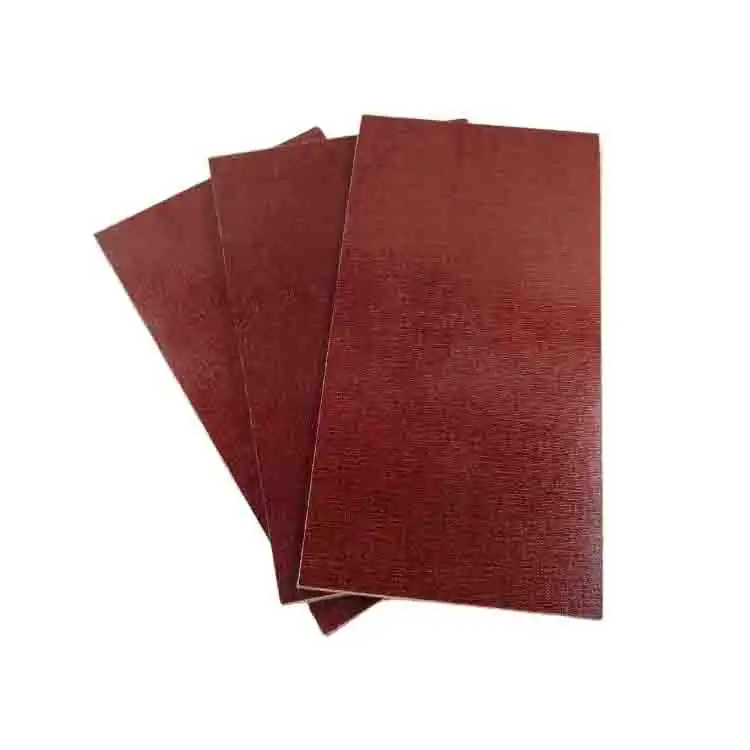
Is Bakelite Board Anti-Static?
2026-01-30 17:17:14
Does Bakelite have anti-static properties? The simple explanation is that regular Bakelite board is not naturally anti-static. As an electrical insulator, this phenolic resin laminate material has the ability to store static charges rather than discharge them. To satisfy the criteria for electrostatic discharge protection, Bakelite board characteristics may be improved by specific anti-static treatments and formulations. When choosing materials for delicate electronic applications, switchgear components, and precise production settings where static control is crucial, procurement specialists must have a thorough understanding of these features.
Understanding Bakelite Board and Its Key Properties
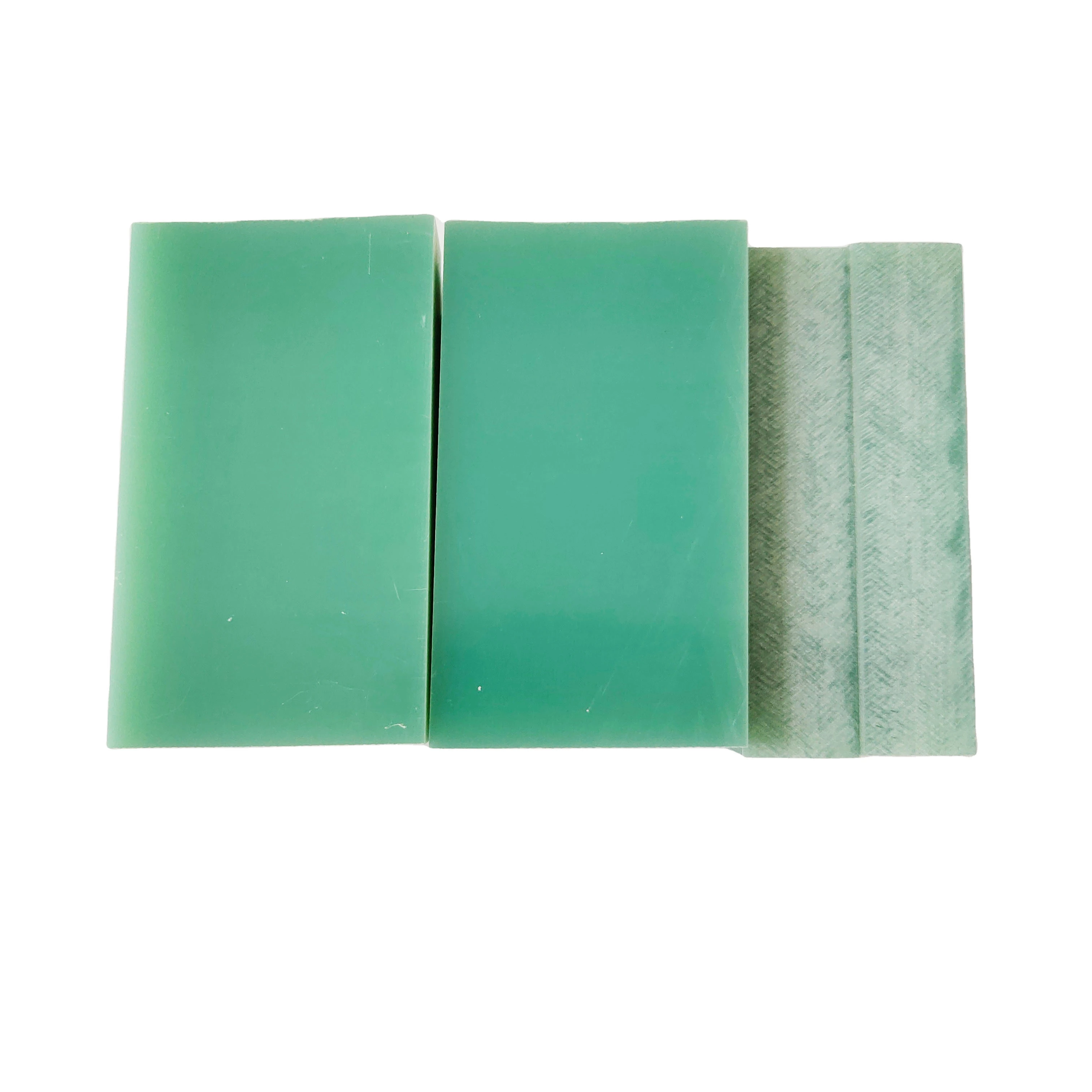
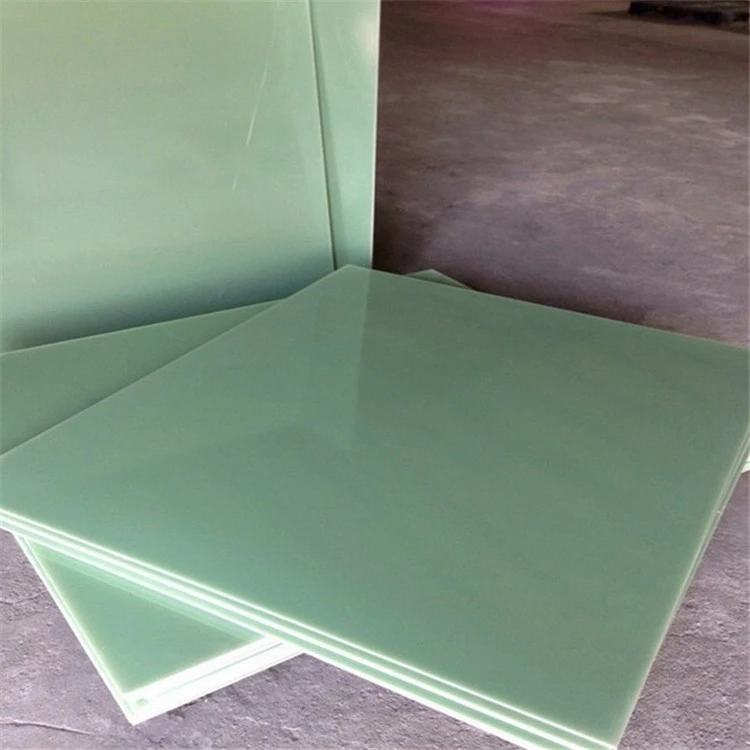
In contemporary production, phenolic resin laminates are among the most dependable insulating materials. Examining the composition of Bakelite boards reveals a complex structure of phenolic resin mixed with paper or cotton substrates, which results in remarkable mechanical strength and thermal stability.
Manufacturing Process and Material Consistency
Phenolic resin is impregnated into substrate materials throughout the manufacturing process under carefully regulated pressure and temperature conditions. Because of the uniform electrical qualities guaranteed by this manufacturing process, procurement teams can evaluate quality in a predictable manner. Cross-linked polymer chains produced by the curing process provide superior dimensional stability and resistance to chemicals often encountered in industrial settings.
Electrical Insulation Characteristics
Standard phenolic laminates are great electrical insulators because of their high dielectric strength, which usually ranges from 15 to 20 kV/mm. However, when friction or contact separation takes place, static charges may build up on the surface due to the same feature. Untreated Bakelite board typically has a surface resistance of more than 10^12 ohms per square, which puts it firmly in the insulating rather than the anti-static range.
Heat Resistance and Chemical Stability
When determining whether a material is suitable for anti-static applications, temperature performance becomes essential. Bakelite board can withstand continuous temperatures of up to 140°C and short-term exposure temperatures of up to 180°C without losing structural integrity. Any anti-static treatments will continue to work over the usual operating temperature ranges encountered in power distribution and electronic manufacturing applications because to this thermal stability.
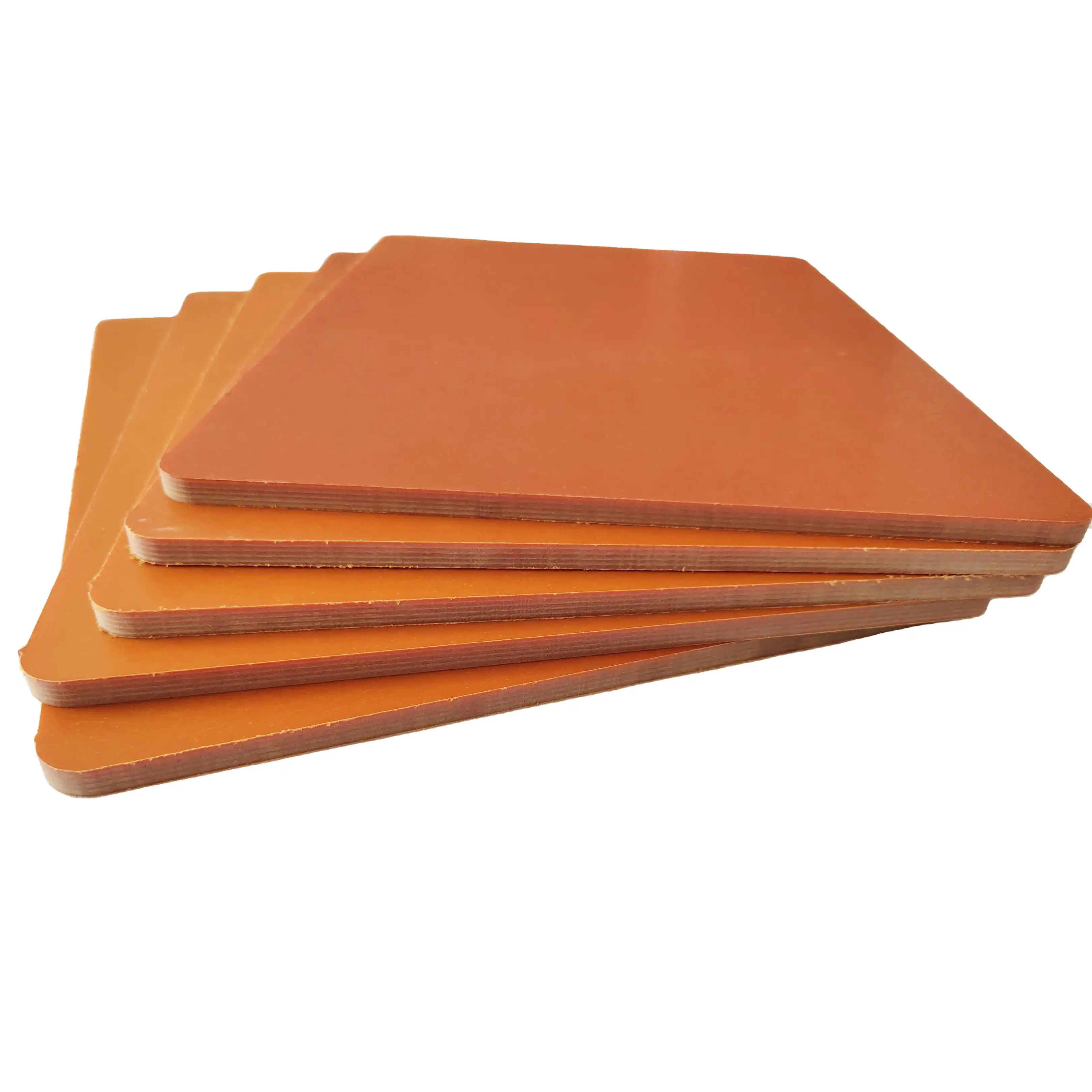
Comparing Bakelite Board with Other Insulating Materials
When choosing materials, it is important to carefully consider how various insulating substrates respond to problems with static electricity. When static dissipation becomes a major problem, each material group has unique benefits and drawbacks.
Fiberglass vs Phenolic Performance
Standard Bakelite board and FR4 fiberglass laminates have comparable insulating qualities; however, certain anti-static grades of FR4 more easily include conductive fibers or surface treatments. For situations where excessive mechanical stress is not anticipated, phenolic cotton offers improved machinability and cost-effectiveness, whereas glass fiber reinforcing in FR4 delivers superior mechanical strength.
Epoxy-Based Alternatives
Compared to phenolic systems, epoxy laminates are easier to synthesize with conductive additives, resulting in materials with regulated surface resistance. These modified epoxy boards fall into the static dissipative category since their surface resistance values are usually between 10^6 and 10^9 ohms per square. Epoxy materials, however, are often more expensive than phenolic substitutes, and unique formulas may need longer lead times.
Melamine and Advanced Composites
Compared to Bakelite board materials, melamine-based laminates have better arc resistance, which makes them appropriate for high-voltage applications requiring both insulation and static control. Excellent static dissipation is offered by advanced composite materials that use conductive polymers or carbon nanotubes, however these materials are far more expensive than conventional alternatives.
Practical Applications and Advantages of Bakelite Board in Anti-Static Solutions
Materials with dependable insulating qualities that shield delicate components from electrostatic discharge harm are required in electronics production settings. Procurement experts may make well-informed selections about material requirements by knowing where phenolic laminates shine.
Electronics Manufacturing Applications
The dimensional stability and machinability of phenolic laminates are advantageous for PCB support structures, test setups, and component handling equipment. Standard Bakelite board may be modified using surface treatments or conductive additives to reach the required static dissipation levels when anti-static qualities are required, all without sacrificing the board's essential mechanical qualities.
Customization Options for Enhanced Performance
Standard phenolic materials may temporarily improve their static dissipation by surface treatments with topical anti-static coatings. Depending on handling frequency and climatic circumstances, these treatments usually last six to twelve months. As an alternative, producers may add conductive fibers or particles to the lamination process to produce materials with electrical characteristics that are permanently altered.
Lead Times and Volume Considerations
Fast procurement cycles are supported by the availability of standard Bakelite board inventory, which typically arrives in 1-2 weeks for popular thicknesses and sizes. Lead times for specialty orders may reach three to four weeks due to the extra manufacturing time needed for custom anti-static formulas. Bulk procurement solutions are appealing for large-scale industrial operations because volume price benefits become substantial for orders larger than 500 square meters.
Procurement Insights: Buying Bakelite Board with Anti-Static Features
When acquiring phenolic laminates with improved electrical characteristics, procurement tactics are heavily influenced by market conditions. Successful material qualification and reliable supply chain performance are ensured by having a thorough understanding of supplier capabilities and certification criteria.
Supplier Evaluation Criteria
When assessing possible providers of anti-static phenolic materials, quality certifications like UL recognition and ROHS compliance become crucial. Comprehensive testing capabilities, such as surface resistivity measurement, temperature analysis, and mechanical property verification, are usually maintained by reputable manufacturers. These testing tools guarantee that, across manufacturing batches, bespoke formulations consistently fulfill predetermined performance standards.
Cost Considerations and Budget Planning
Depending on the treatment technique and performance requirements, anti-static treated phenolic laminates might cost anywhere from 20% to 40% more than conventional grades. Although volume commitments may drastically lower unit costs, procurement teams must weigh pricing benefits against inventory carrying expenses when determining buy volumes.
Quality Assurance and Performance Verification
Testing for surface resistivity of Bakelite board using suitable test techniques, such as ASTM D257 or IEC 62631-3-1, should be part of incoming inspection processes. In order to avoid quality problems and guarantee that provided materials fulfill application requirements, it is helpful to establish explicit acceptance criteria and test processes with suppliers. For applications in regulated sectors where material traceability is required, documentation requirements become more crucial.
J&Q: Your Trusted Partner for High-Quality Bakelite Board Solutions
Our firm has been manufacturing and providing insulating materials for more than 20 years, and during that time we have established profound competence in the fabrication and customisation of phenolic laminate. We have over 10 years of expertise in international trade, and we collaborate closely with both domestic and foreign partners to provide customized solutions that satisfy a wide range of industrial needs.
Comprehensive Product Range and Customization Services
Standard phenolic cotton laminates, specialty anti-static formulas, and specially developed solutions created to satisfy particular application needs are all included in our production capabilities. Our in-house testing laboratory guarantees constant quality control throughout the manufacturing process, and technical consulting services assist procurement teams in determining the best material requirements. Value-added processing is provided by custom machining services, which provide completed parts that are ready for quick installation.
Integrated Logistics and Customer Support
Complete one-stop service delivery, from initial material procurement to final component delivery, is made possible by our exclusive logistics network. This integrated method improves delivery dependability and cost management while simplifying the supply chain. Throughout the client relationship, technical support is provided, including application instruction and troubleshooting help as required.
Conclusion
In applications where static control is important, choosing the right material requires an understanding of the electrical characteristics of phenolic laminates. Although anti-static protection is not inherent in typical Bakelite board, specific formulations and treatments may provide the right electrical properties for delicate applications. When procuring these specialty materials, procurement managers might benefit from assessing supplier skills, certification criteria, and customization choices. Treated phenolic laminates are feasible options for precision assembly, electronics production, and other applications needing dependable static dissipation capabilities because of their demonstrated mechanical qualities, thermal stability, and accessible anti-static additives.
FAQ
Is It Possible for Ordinary Bakelite Board to Prevent Static Damage to Electronic Components?
Standard phenolic laminates don't provide static protection and could even increase static production due to friction. Materials with regulated electrical properties are necessary for the protection of electronic components; they are usually obtained by conductive additions or specific treatments that alter the properties of the basic material.
Which Therapies Are Available to Improve Anti-Static Properties?
Under typical circumstances, surface treatments with topical anti-static chemicals provide a brief improvement that lasts six to twelve months. In order to provide materials with stable electrical characteristics throughout the course of their service life, permanent modification entails adding conductive fibers or particles during production. Surface resistivity values suitable for static dissipative applications may be obtained using either method.
How Do Standard and Anti-Static Grades' Lead Times Compare?
For typical demands, standard phenolic laminates have 1-2 week supply timelines and easily accessible inventory. Lead times for bespoke orders are usually extended to 3–4 weeks due to the extra processing time required for anti-static formulas. It is possible to guarantee that material availability corresponds with production needs by organizing procurement plans around these expanded timescales.
Which Custom Anti-Static Formulations Have Minimum Order Quantities?
In order to justify the expenses of specialist manufacturing equipment, custom anti-static phenolic materials usually need minimum orders of 100–200 square meters. Depending on supplier capabilities and inventory availability, standard anti-static grades could be offered in lesser numbers. Volume contracts guarantee steady material supply and often provide economic benefits.
Partner with J&Q for Your Bakelite Board Manufacturing Needs
Are you prepared to investigate how your production processes might be improved by our anti-static Bakelite board solutions? Our knowledgeable staff is available to provide reasonable quotes, technical advice, and sample materials for assessment. Get in touch with our experts at info@jhd-material.com to go over your unique needs and find out how our extensive skills may help you achieve your procurement goals. As a reputable supplier of Bakelite boards, we produce materials that surpass performance standards while adhering to budgetary constraints by combining decades of production experience with individualized service.
References
Thompson, R.A. "Phenolic Resin Laminates in Electronic Applications: Properties and Performance Characteristics." Industrial Materials Journal, 2023.
Chen, M.L. and Parker, J.S. "Anti-Static Treatment Methods for Thermoset Plastic Laminates." Materials Engineering Quarterly, 2022.
Rodriguez, C.E. "Electrostatic Discharge Protection in Manufacturing Environments: Material Selection Guidelines." IEEE Transactions on Industry Applications, 2023.
Williams, K.D. "Comparative Analysis of Insulating Materials for Electronic Component Protection." Journal of Electronic Materials, 2022.
Anderson, P.T. "Surface Resistivity Measurements and Standards for Anti-Static Materials." ASTM International Standards Review, 2023.
Liu, H.Y. "Manufacturing Processes and Quality Control for Modified Phenolic Laminates." Composite Materials Technology, 2022.