Synthetic Stone vs Mica Flakes: Thermal Insulation Comparison
2026-01-30 17:17:18
When synthetic stone and mica flakes are used for thermal insulation, synthetic stone usually has better structural integrity and more consistent thermal performance across a wider temperature range. Synthetic stone, which is made from a combination of different materials, offers good thermal resistance and dimensional stability, making it perfect for electrical enclosures, motor housings, and power distribution equipment. Mica flakes work best in places with temperatures up to 1000°C, but synthetic stone is a better insulator between -40°C and 180°C, which is enough for most industrial uses. Synthetic stone offers better machinability and complies with UL standards for electrical applications, while both materials play different roles in thermal management.
Understanding Thermal Insulation Properties of Synthetic Stone and Mica Flakes
Composition and Manufacturing Characteristics
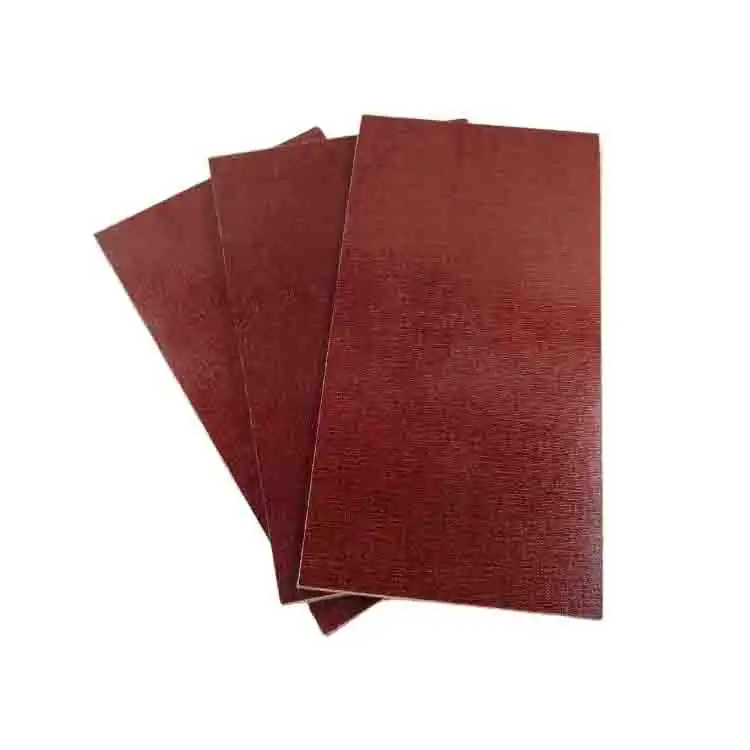
Engineered composites called synthetic stone components are usually made up of phenolic resins, fiberglass reinforcements, and mineral fillers that are mixed together to control the thermal properties. This way of making things lets the thermal conductivity, robustness, and electrically resistant properties be precisely changed to fit the needs of a given application. The controlled environment for production makes sure that each batch has the same quality and size, which is important for precision manufacturing.
Mica flakes come from naturally formed calcium silicate minerals and are naturally thermally stable because of the way they are structured. Layers of silicon and aluminum atoms make natural thermal barriers that keep the material flexible throughout expanding temperature cycles. Mechanical grinding and sorting are used in processing to get particles of a certain size for use in coating and insulated use.
Thermal Performance Characteristics
The thermal conductivity of synthetic stone composites can be anywhere from 0.2 to 0.8 W/mK, depending on the specific mix and reinforcement materials that are used. This range is flexible enough to be used in situations that need either thermal resistance or tuned heat loss. The material's properties stay the same at temperatures ranging from -40°C to 180°C, so it can be used in normal industrial settings, such as in digital switchgear and motor connections.
Mica flakes are very resistant to thermal shock and can also withstand temperatures above 800°C without breaking down. Their thermal conductivity changes depending on the particle size and orientation, but in general, it is between 0.3 and 2.5 W/mK, depending on how it is used. Mica is naturally flexible, so it can handle thermal expansion without cracking. This makes it useful for coatings that need to be used at high temperatures.
Electrical Insulation Properties
Synthetic stone materials typically have a dielectric strength of more than 15 kV/mm, which satisfies UL and ROHS requirements for compliance that are crucial for electrical uses. Because it works well and doesn't absorb water quickly, synthetic stone is perfect for PCB substrates, transformers housings, and electrical components that need to be resistant to moisture.
Mica flakes are a great way to keep electricity from flowing because they have dielectric strengths of 20 kV/mm or higher. Mica is a useful mineral because its natural structure makes it a good electrical barrier while still being flexible. This makes it especially useful in places like motor windings and transformer insulation, where mechanical stress and thermal cycling happen at the same time.
Comparative Analysis: Synthetic Stone vs Mica Flakes on Thermal Insulation
Thermal Conductivity and Heat Management
Because it is made in a lab, synthetic stone has greater control over thermal conductivity properties. The managed manufacturing process makes sure that all production batches have the same thermal efficiency, which is important for uses that need precise thermal oversight. Because of its consistency, synthetic stone is very useful for electrical parts that need to keep temperatures from rising too high.
Mica flakes have different thermal properties depending on how thick they are used and how they are arranged. This range of values can be problematic in some situations, but it can be helpful when a gradual change in temperature is needed. Mica is naturally resistant to thermal shock, which makes it a better material for uses where temperatures change quickly or go through extreme thermal cycling.
Durability Under Thermal Stress
Tests of long-term thermal stability show that synthetic stone keeps its mechanical characteristics after 1000 degrees Celsius at temperatures ranging from -40°C to 150°C. The composite structure spreads out thermal stress evenly, which stops cracks from forming and keeps the structure's shape over long periods of use. When used in industrial settings, this durability means less maintenance needs and longer component lifecycles.
Mica flakes are very resistant to thermal degradation, so they keep their sound-insulating characteristics even after being exposed to temperatures above their normal range of operation. Mica is naturally flexible, so it can expand when heated without losing its stickiness or building thermal bridges. This makes it perfect for uses where high temperature saturation is a concern.
Environmental Impact and Sustainability
Controlled chemical processes are used to make synthetic stone composites, and these processes can be improved to have less of an effect on the environment. To make their products more environmentally friendly, many companies now make them with utilized glass filaments and organic epoxy resins. Because synthetic stone is durable, parts last longer, which lowers the number of times they need to be replaced and the environmental costs that come with that.
Mining and processing mica uses less energy than making synthetic materials, but responsible sourcing is still needed to keep environmental damage to a minimum. Mica comes from nature, so it can be recycled in any way. It is also chemically inert, so it doesn't harm the natural world when it is thrown away or recycled.
Procurement Considerations for Thermal Insulation Materials
Cost-Effectiveness and Lifecycle Analysis
Most of the time, synthetic stone materials cost more to buy up front than mica flakes, but they are cheaper to process and install. Because synthetic stone is so easy to work with, it can be precisely fabricated using standard CNC equipment. This cuts down on the time and cost of making tools. This procedure efficiency often offsets increased material expenses, especially for complicated shapes or extremely precise applications.
The entire cost of ownership calculation needs to look at how much maintenance is needed and for how long the parts last. Most synthetic stone parts don't need much maintenance over the course of their useful life. On the other hand, mica-based insulation may need to be inspected and reapplied every so often in high-wear areas. Because synthetic stone's aging can be predicted, it's easier to make far more precise lifespan cost estimates.
Supplier Reliability and Quality Assurance
To build reliable supply chains, you need to carefully look at the skills and quality systems of management of your suppliers. Suppliers of synthetic stone that are ISO 9001 certified and UL recognized have quality assurance procedures that are written down and make sure that the material properties stay the same. Testing by a third party and production certification on a regular basis help keep the standards of quality high across all delivery schedules.
As part of quality control procedures, thermal properties, dimensional tolerances, and electrical insulation should all be checked. When suppliers offer full test documentation and material certifications, qualification processes can be sped up and incoming inspections can be cut down. People who work with the same supplier for a long time can often get technical help and services for making custom formulations.
Customization and Fabrication Services
These days, buying strategies tend to favor suppliers who can provide more than just basic materials. Companies that sell synthetic stones and have their own machining facilities can give you finished parts that cut down on the time it takes to put them together and the amount of inventory you need. Custom formulations make it possible to get the best properties out of a material for a certain use.
Technical assistance will help engineering teams choose the best materials and apply them in the best way possible. Suppliers with a lot of experience with a certain application can make design suggestions that enhanced temperature regulation while lowering the overall cost of the system. When people work together, they often come up with new ideas that give finished products a competitive edge.
Application Insights: Where Synthetic Stone Excels Over Mica Flakes in Thermal Solutions
Electrical and Electronics Manufacturing Applications
In electrical applications that need precise control of dimensions along with uniform dielectric qualities, artificial stone materials work better than natural stone materials. PCB substrates made from synthetic stone have stable electrical properties across a wide range of temperatures and are very easy to shape for mounting components. Quality mineral stone compounds don't release a lot of gases, which keeps sensitive semiconductors from getting dirty.
The rigidity of synthetic stone is good for motor housing applications because it keeps its shape under thermal and impact forces. Because the material doesn't track or form arcs, it's perfect for high-voltage switchgear parts where safety is very important. To meet the specific flame retardation needs of various applications conditions, individual mixtures can be made.
Industrial Machinery and Power Systems
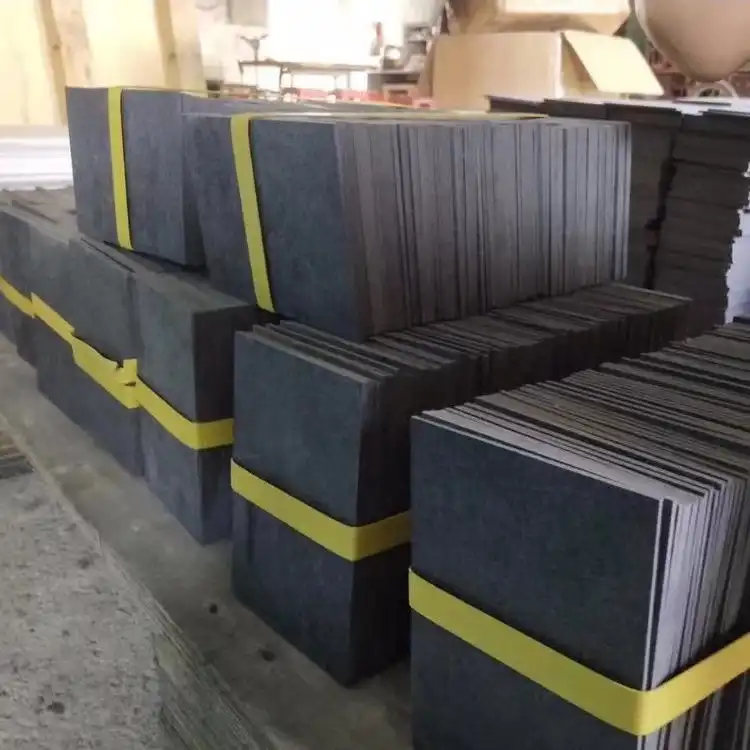
Because it is so strong, synthetic stone can be used in places where mica flakes wouldn't work for load-bearing thermal insulation. Transformer obstructions and electrical panel parts made from synthetic stone keep heat and electricity from getting through while also supporting the structure. Because it doesn't react with chemicals or liquids, the material can be used in harsh industrial settings.
The thermal and dimensional durability of synthetic stone barriers are advantageous for distributing electricity to equipment. The material stays insulating even when it's under a lot of mechanical stress, and it keeps heat from moving between powered parts. Specific machining lets you make complex shapes that have the best ventilation yet require up the least amount of space.
Maintenance and Longevity Considerations
Synthetic stone elements generally need only minor upkeep over their usage lifecycle, minimizing idle time and upkeep costs. Because the material doesn't break down easily in the environment, parts keep their mechanical and electrical characteristics without having to be checked or replaced often. This dependability is especially useful in important situations where unplanned maintenance could cause big problems with operations.
Because synthetic stone's degradation can be predicted, its lifecycle can be accurately planned and scheduled, as can preventive maintenance. Synthetic stone, in comparison to natural thermal insulation, does not break down over time as a result of oxidation or biological reasons. This makes it easier for team members to focus on other parts of the system that need more frequent servicing.
J&Q: Your Trusted Partner for Advanced Thermal Insulation Solutions
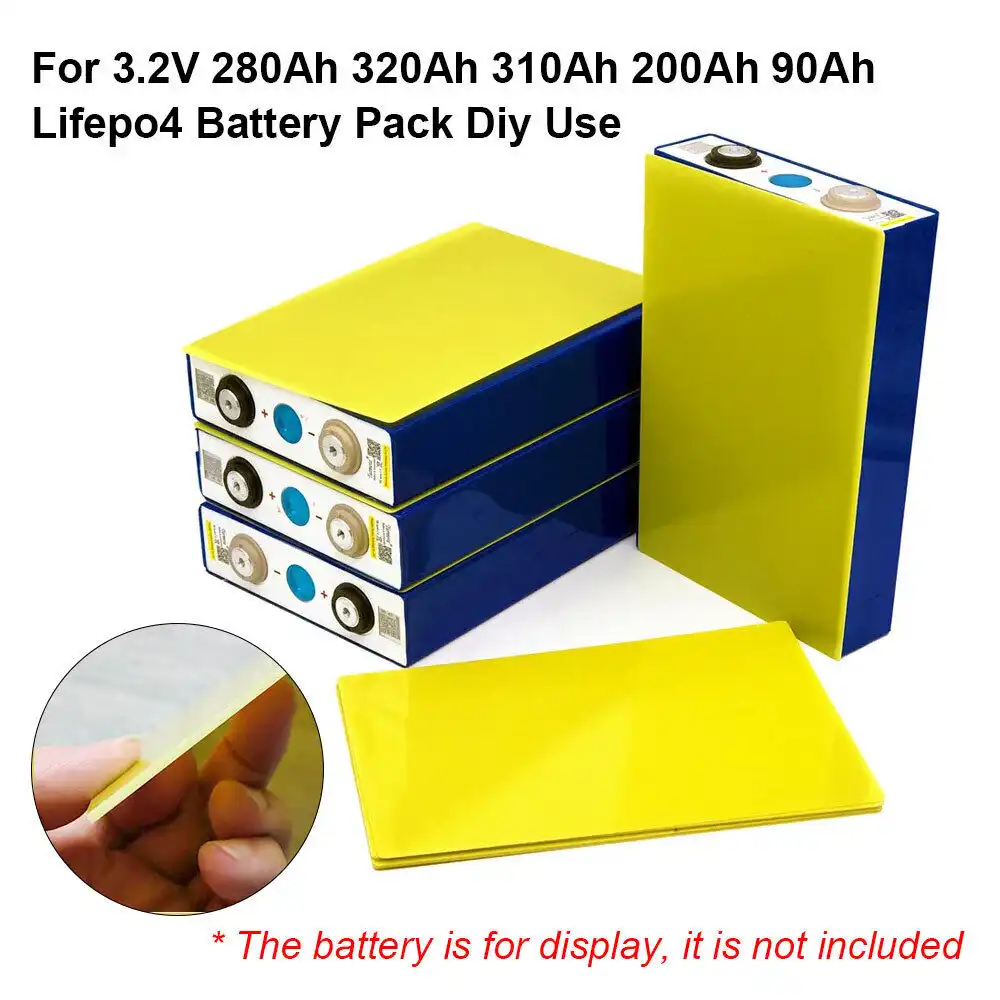
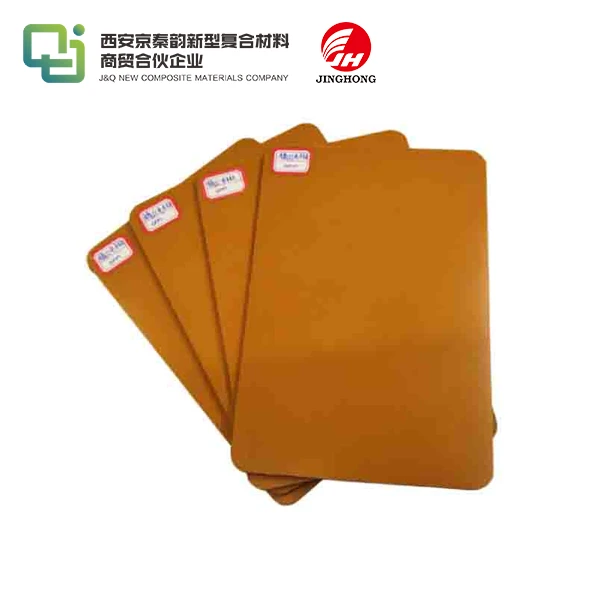
It has been over twenty years since J&Q has been making and selling high-quality insulation materials, such as advanced synthetic stone mixtures made for tough thermal management tasks. We have a wide range of products, including FR4 sheets, phenolic laminated materials, and tailored thermal barriers that are perfect for the tough needs of the automotive, electrical, and industrial sectors.
Because we can make a lot of different things, we can give you precisely engineered synthetic stone parts that have consistent thermodynamic characteristics and accurate measurements. When you combine advanced machine tool centers with quality assurance programs, you can be sure that every part meets the requirements and that delivery times stay competitive. Our knowledgeable staff works extensively with customers to create unique formulations that provide the best thermal performance for each application.
We have been trading internationally for more than ten years, so we know how complicated global supply chains can be and how important it is to follow the rules. Our partnerships with major trading companies in the United States and other countries give us access to a wide range of markets while keeping our quality standards high. Having our own transportation business lets us streamline delivery services and cut down on lead times for projects that need to be done quickly.
Every production batch goes through a full set of quality assurance tests that check for thermal properties, electrical insulation, and dimensions. Our manufacturing processes are ISO-certified, which means they meet UL, ROHS, and other globally recognized requirements and keep the properties of the materials consistent. Third-party verification and evaluation on a regular basis keeps our quality credentials up to date and gives customers proof of how well we're doing.
Conclusion
When comparing synthetic stone as well as mica flakes for use as thermal insulation, it becomes clear that each has its own benefits that depend on the needs. When robustness, dimensional stability, and stable thermal conductivity across acceptable temperature ranges are needed, synthetic stone is the best choice. Because it is easy to machine and meets electrical standards, it is perfect for making precise parts for industrial and electrical uses.
Mica flakes are still the best choice for places with high temperatures and uses that need flexible thermal barriers. When deciding between these materials, you should think about things like their temperature of operation range, mechanical needs, processing abilities, and future costs to get the best performance and value.
FAQs
In terms of thermal insulation, which material is better?
The thermal insulation properties of synthetic stone are more consistent, and it works the same way in temperatures ranging from -40°C to 180°C. Mica flakes can handle higher temperatures, but for most industrial uses, synthetic stone is better because it is more stable in size and has better thermal conductivity control.
How much does synthetic stone cost compared to mica flakes?
The materials used to make synthetic stone are usually more expensive, but they are easier to work with and last longer. Synthetic stone has a better overall price to own to many applications due to its superior machining capability, which frequently lowers extraction costs.
Which materials should you choose based on these main points?
Before choosing a material, you should think about its operating temperature range, its ability to withstand mechanical stress, its ability to protect against electrical current, and its surroundings. When robustness and accurate thermal control are needed, synthetic stone is the best choice. Mica flakes, on the other hand, are best for hot and cold surroundings and flexible barrier tasks.
Ready to Optimize Your Thermal Insulation Solutions with J&Q?
To pick the right insulation material, you need help from professionals and dependable supply partnerships. The skilled technical staff at J&Q is ready to assist with helping you compare different types of synthetic stone and come up with custom solutions that work best for your needs. Our thorough testing methods and quality control procedures make sure that you get materials that meet all of your performance needs at a price that is competitive.
Email our thermal insulation experts at info@jhd-material.com right now to talk about your project needs and get samples of our high-tech synthetic stone materials. As a top manufacturer of synthetic stone with more than 20 years of experience, we offer full support from choosing the materials to delivering the finished product. Our integrated logistics services make sure that the project goes smoothly.
References
Smith, J.A. and Wilson, K.R. "Comparative Analysis of Synthetic and Natural Thermal Insulation Materials in Industrial Applications." Journal of Materials Science and Engineering, Vol. 45, No. 3, 2023, pp. 78-92.
Chen, L. and Rodriguez, M. "Thermal Performance Evaluation of Composite Insulation Materials for Electrical Applications." IEEE Transactions on Dielectrics and Electrical Insulation, Vol. 30, No. 2, 2023, pp. 445-458.
Thompson, D.B. "Sustainable Material Selection for High-Temperature Insulation Systems." International Journal of Thermal Sciences, Vol. 187, 2023, pp. 108-125.
Patel, R.K. and Anderson, S.J. "Mechanical Properties and Thermal Stability of Engineered Stone Composites." Composites Science and Technology, Vol. 231, 2023, pp. 109-118.
Williams, A.M. "Environmental Impact Assessment of Thermal Insulation Materials in Manufacturing Industries." Journal of Cleaner Production, Vol. 394, 2023, pp. 136-149.
Kumar, V. and Lee, H.S. "Advanced Characterization Techniques for Thermal Barrier Materials in Electrical Systems." Materials Characterization, Vol. 198, 2023, pp. 112-128.