How Does Electrical Insulation Phenolic Resin Cotton Fabric Support Motor Components?
2026-11-13 17:02:13
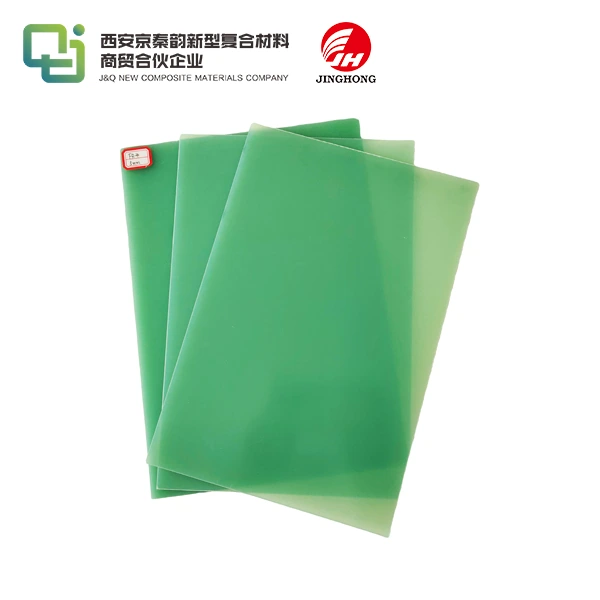
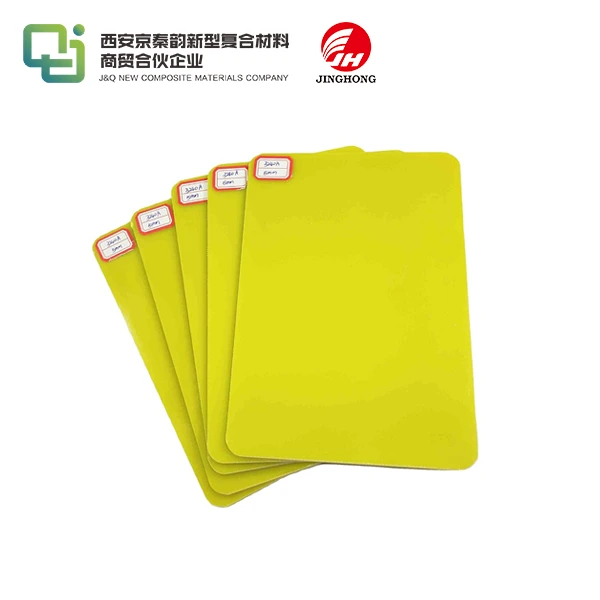
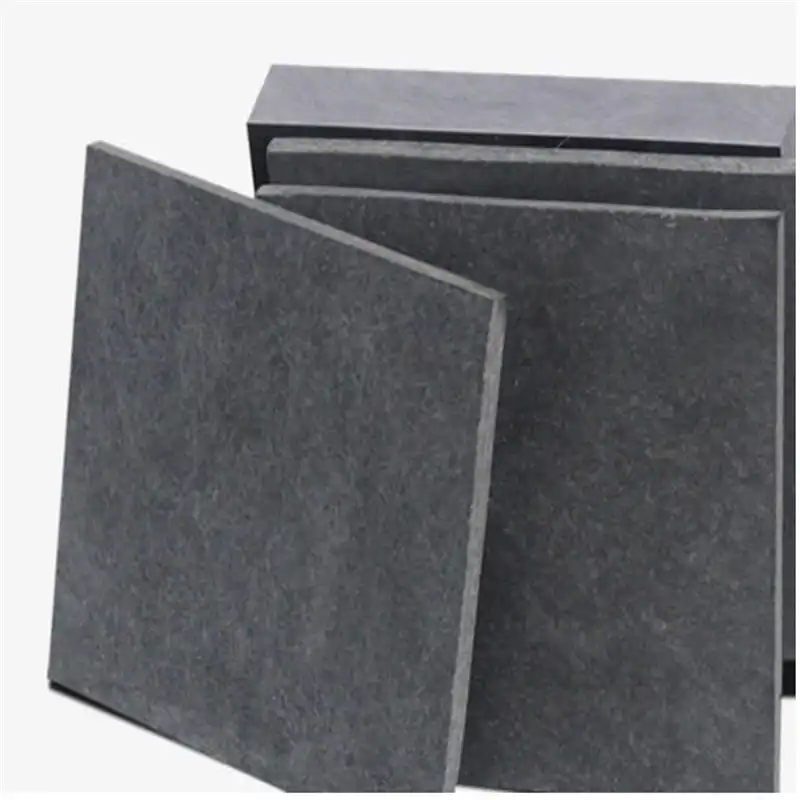
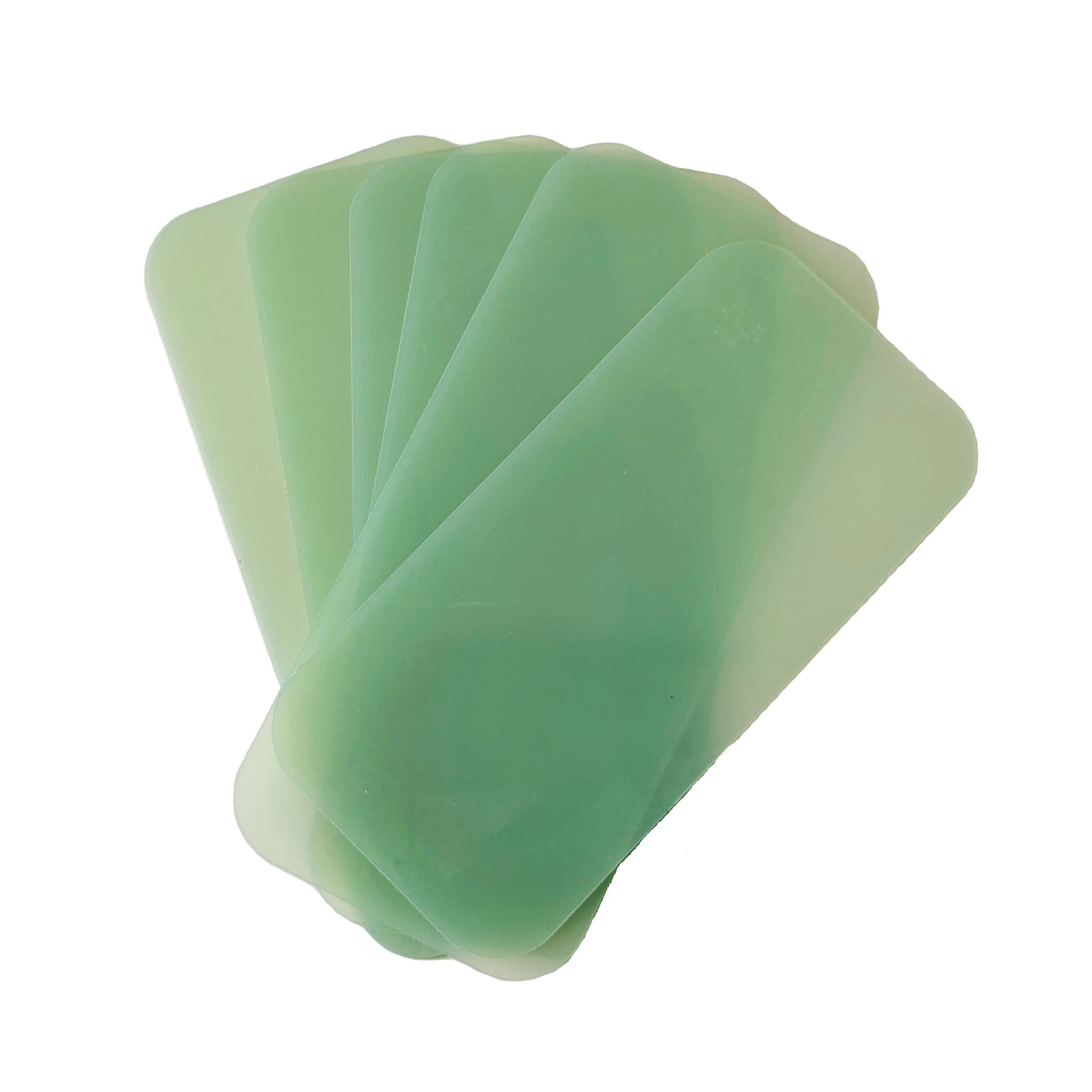
By performing two tasks simultaneously, Electrical Insulation Phenolic Resin Cotton Fabric supports motor parts. There are electrically live parts that are kept away from each other. These parts stay in place even when they are hot, vibrating, or under pressure from the assembly. Cotton cloth with a fine weave is mixed with phenolic resin by the people who make it. It is then laminated under a lot of heat and pressure. It's easy to cut this into terminal boards, spacers, washers, and barriers because it makes a thick, waterproof sheet. The laminate can take a beating better than some insulators because it is reinforced with cotton.
Some people want to know more about a subject before getting a quote. This guide was written for those people. This is for people who make motors, work as electrical engineers, are purchasing managers, buy from distributors, and buy from OEMs. How does the laminate work inside a motor? What are its most important properties? What parts does it work best for? How does it compare to other materials? What should you include in a request to buy it?

How Phenolic Cotton Fabric Supports Motor Components?
Electrical Separation Between Conductive Parts
Wiring, terminals, and leads are all close to each other inside a motor. Every one of them has a different voltage. The spaces between them are filled with phenolic cotton laminate, which makes a solid wall that doesn't charge. The phase connections are kept apart by a board made from a piece of paper. The ends of two coils can't touch each other because of a phase separator. The dense structure of the laminate and its ability to keep water out help keep surface leakage current low.
Even so, engineers still need to check the dielectric strength and insulation resistance against the real thickness and humidity of the project. One number on a spreadsheet can never tell the whole story.
Mechanical Support Under Vibration and Load
A motor does more than just move electricity. This machine shakes, gets hot, and starts and stops when it's under load. The insulating parts have to stay in place the whole time. The layers of woven cotton make the laminate stiff and hard to damage. This makes it less likely that a support plate or spacer will break while it is being put together or while it is shaking.
That's why people pick materials that are strong and simple to work with. When fasteners hold the part in place, they put bending loads on it, so bend strength is very important. For blocks that hold weight, thicker sheets work best. For barriers and washers, on the other hand, thin sheets work best.
Behavior in Heat, Humidity, and Transformer Oil
A thermoplastic melts when it gets too hot, but this kind of resin doesn't. The Hongda sheet we have is very thick and doesn't soak up water very well. It can be put in transformer oil. Since it's not filled with oil, it's also a good choice for electrical equipment that is already full of oil.
Some water can still get into cotton, and electrical values can change after being wet, solvent-filled, or heated or cooled for a long time. In your question, you should describe the temperature and setting where the product will be used. This way, the correct thickness and grade can be chosen.
Key Properties of Electrical-Grade Phenolic Cotton Fabric
Dielectric and Insulation Performance
How well it stops current is the first thing that is used to rate electrical-grade phenolic cotton fabric. Most of the time, you can measure it by its dielectric strength, insulation resistance, arc or tracking resistance, or both. ASTM D229 tells you how to test rigid sheets and plates that are used for electrical insulation. For business use, IEC 60893 talks about rigid laminated sheets made from thermosetting resins.
The results depend on how thick it is, how it was treated, and which way the test was run. You can only compare values if the conditions and test method are the same. If a supplier gives you a number, I think you should ask them how they got it and what the terms are.
Mechanical Strength and Machinability
It's not the same as paper-based phenolics because this laminate is made stronger with cotton cloth. In NEMA LI 1, the family is split up into groups based on the fabric base. With Grade CE canvas, you can use electricity, and with Grade C canvas, you can make things that move. Linen grades L and LE have fabric that isn't as rough and machine work that is smoother.
Electrical Insulation Phenolic Resin Cotton Fabric is stronger when it is made of canvas, and it is easier to work with when it is made of linen. The sheet can be CNC machined, milled, turned, cut, punched, and drilled. Sharp tools and safe cutting heat keep the edges clean. It's very easy to shape because the same material can be used to make a Bakelite tea tray board.
Moisture, Heat, and Dimensional Stability
Even though phenolic cotton laminate is dense, hard, and stable in shape for a machined material, it can still be changed by what is around it. Wet places can make the edges of something that was just cut wet because cotton fibers soak up water. You can use a varnish or coating that works with the edges to protect them if the design lets you. This should work after some tests.
Sheets should be kept flat on a pallet so they don't bend. The heat limits are based on the grade and test method. IEEE Std 1 and other standards explain how the temperature limits for electronics are set. Don't guess; instead, ask for the temperature range that is written on the sheet.
Motor Components Commonly Made From Phenolic Cotton Laminate
Terminal Boards, Connector Supports, and Phase Separators
Terminal boards need to be stiff and able to take drilled or tapped holes so they can hold bolted connections and keep phases apart. Plug supports and phase separators are in between the ends of the coil and the leads. In this area, vibrations can damage things that aren't strong enough.
A sheet that can be machined can have holes and slots cut in it. This sheet can then be used to make a prototype to make sure it fits right. Many times, companies that make electrical goods need sheets to be cut on-site or finished pieces to be made from their plans. That being said, a prototype run before mass production makes sure that everything fits well and the machining is done well.
Spacers, Washers, Bushings, and Rings
Metal parts don't touch each other because of spacers, washers, bushings, and rings. They hold fasteners, bearings, and windings in place. In this case, it's important to know the thickness tolerance because a spacer that moves the whole stack will be different for each piece.
Hongda sheets can be as thin as 0.5 mm or as thick as 100 mm. This means that the same material can be used to make both thick blocks and thin washers. This form also asks for wear-resistant spacers from people who do machinery work. Before you start making it, make sure it works with the tapes, glues, and any impregnation steps in your process.
Gears, Guides, and Structural Parts
For heavy machinery, the laminate is used to make pinion gears, guides, and structural supports. It doesn't carry electricity, and because it's flexible, it can handle vibrations better than metal. These changes quiet down machines used in textiles and paper.
The stuff is used to make support bars, link arms, and sliding vanes in switchgear that don't move and can handle the shock of a breaker in action. It's found on the bearing surfaces and in some parts of tap changers in transformers that are submerged in oil. The grade and thickness must be checked against the load for each use.
Phenolic Cotton Fabric Compared With Other Electrical Insulation Materials
Versus Epoxy Fiberglass (FR4 and G10)
The FR4 and G10 epoxy laminates are made with glass added to them for strength. They are often found in structural parts, electronics, and PCB supports that get wet a lot. Another balance is found in phenolic cotton, which is simple to work with, strong, and not too expensive.
If you need a motor part that can handle flames, high levels of moisture, or electricity, epoxy glass might be a better choice than Electrical Insulation Phenolic Resin Cotton Fabric. Check the cotton laminate to see if it can be used as a spacer or gear that can be machined and can handle being hit. To compare them, use the same test method and datasheets that are the same thickness.
Versus Insulation Paper and Pressboard
This kind of paper and pressboard are both very thin and easy to bend. You can use them to line slots, insulate layers, and wrap things, but they can't hold any weight. It is possible to clamp, bolt, and machine phenolic cotton laminate because it is stiff.
The slots in many motors are lined with flexible materials, while the end supports, terminal blocks, and spacers are made of rigid laminate. PVC boards made from paper are cheap and good for light work. On the other hand, cotton grades make places stronger that get hit or worn down.
Versus Nylon and Other Plastics
These parts are made of nylon because it is light and lasts a long time. On the other hand, they can soak up water, which can change their shape and the way electricity flows through them. Also, as the temperature rises, they become softer.
When mixed with cotton fibers, phenolic can be machined into stable shapes. It is a thermoset that doesn't melt. Nylon can be used for sliding parts that don't have to hold much weight, but laminate is better for parts that need to be clamped, hold a lot of weight, or are exposed to heat. If you're not sure which material to pick, put them together yourself first and see which works best.
How to Specify and Buy Phenolic Cotton Sheet for Motors?
Information to Put in Your Request
It takes less time and costs less money to make clear requests. This is what I think you should add:
- Application details: Describe the motor type, the role of the part (terminal board, spacer, gear, or barrier), operating temperature, humidity, oil or solvent exposure, voltage level, and mechanical load. This helps our team recommend a suitable thickness and confirm that the cotton laminate fits before any cutting begins.
- Dimensions and quantity: Share drawings, tolerances, hole patterns, surface requirements, and expected order volume. Tight thickness tolerances and flatness expectations should appear in writing, because they affect how a sheet is selected, machined, and checked before shipment to your plant.
- Documentation needs: List the standards, test methods, and inspection records your quality team requires. Stating these early lets us confirm what we can provide and avoids delays when your engineers review samples or approve a new material for production.
With these specifics, you can turn a general question into a precise quote. This will save your buyers and engineers time because they won't have to ask as many follow-up questions.
Hongda Sheet Specifications
Small pieces of fine-weave cotton cloth are soaked in phenolic resin and then heated and pressed together very hard to make Hongda Electrical Insulation Phenolic Resin Cotton Fabric. The process makes the material dense, less likely to get wet, and easier to work with. Sheets range from 0.5 mm to 100 mm thick, and the standard size is 1220 mm × 2020 mm.
The sheet can be put in transformer oil and is used to keep electrical equipment safe and stable. Strength and ease of machining are the things that make it work best. Each year, we make 13,000 tons of goods, so we have enough for customers to keep ordering from us.
Ordering, Packaging, and Delivery
You can pay by T/T, and 500 kg is the minimum amount you can order. A regular box is used to keep the sheets safe while they are being packed. Ocean, land, and air are all ways to ship things.
For more than 20 years, J&Q has made and sold insulating sheets. For more than 10 years, they have also done business with other countries. We have been in business for a long time and have worked with trading companies in the US and other countries. So, we can offer a full service, from production to delivery. This makes it easy for US buyers to get in touch with us.
Conclusion
Electrical Insulation Phenolic Resin Cotton Fabric holds motor parts in place by electrically separating conductive parts and keeping them in place mechanically. Because it is reinforced with cotton, it is stronger and easier to work with. It can be used to make terminal boards, spacers, washers, gears, and support parts because it is dense and doesn't absorb water. It's important to make sure that the temperature, moisture exposure, dielectric strength, and mechanical strength are all right for real-world use, and that the same method is used to compare test values. Glass fiber epoxy, insulation paper, and nylon can all be used for different tasks. For each load, environment, and machine need, there is a best one to use. There will be a better match between the material and the quote if you give clear instructions with drawings, tolerances, and operating conditions.
FAQ
What is the difference between phenolic cotton laminate and FR4?
The glass reinforcements in FR4 make it stronger. To make phenolic cotton laminate, phenolic resin is mixed with cotton cloth. The cotton grade is simple to work with and can take a hit. FR4 is better for harsher electrical or wet conditions, though.
Can this laminate be used in transformer oil?
Yes. It's possible to put our Hongda sheet in engine oil. So that we can make sure the thickness is right for your equipment, we need to know the temperature and time of exposure.
What sizes and thicknesses are available?
It is possible for it to be between 0.5 mm and 100 mm thick. The usual sheet size is 1220 mm x 2020 mm.
What are the MOQ and payment terms?
You can pay by T/T, and 500 kg is the minimum amount you can order. We ship by sea, land, or air, and we pack and protect the pallets normally.
Request a Quote for Electrical Insulation Phenolic Resin Cotton Fabric From J&Q
Want to find a company that sells Electrical Insulation Phenolic Resin Cotton Fabric for motor parts? At J&Q, we can take care of everything for you. We have our own logistics company and have worked with insulation sheets for more than 20 years. Please send your drawings, thickness, and quantity by email to info@jhd-material.com. You can find out more at jhd-material.com as well. We'll get back to you with a clear idea for how to use your motor.
References
1. NEMA LI 1 Industrial Laminated Thermosetting Products, 1998
2. ASTM D229 Standard Test Methods for Rigid Sheet and Plate Materials Used for Electrical Insulation, 2019
3. IEC 60893-1 Insulating Materials: Industrial Rigid Laminated Sheets Based on Thermosetting Resins for Electrical Purposes, 2004
4. Handbook of Thermoset Plastics, 2013
5. Electrical Insulation for Rotating Machines, 2014
6. IEEE Std 1 General Principles for Temperature Limits in the Rating of Electric Equipment, 2000
_1747991245292.webp)