What Should PCB Manufacturers Consider When Selecting Solder Pallet Material?
2026-11-13 16:56:00
For manufacturers to choose the right Solder Pallet Material, they need to make sure it works with the PCB's size and weight, the cleaning chemicals, the level of accuracy needed for the machining, and the amount of production. It needs to be able to handle enough heat to not bend, enough chemicals to not react with flux and washing, and a controlled surface resistivity to protect the most fragile parts. The part also needs to last a long time and be easy to machine to tight tolerances. This way, replacement costs will be low. I'm going to talk about each one, compare them, and then show how JingHong sheets meet these needs.
This guide was made to help engineers, purchasing managers, distributors, and OEM buyers find the best deals and stay away from mistakes that could cost a lot of money.

Start With Your Process and the Material Choices
Define Production Requirements Before You Compare Quotes
I write down what the pallet has to do before I look at two different kinds of wood. To begin, you need to know how to solder, what the highest temperature is, how long you will be in the solder zone, and how fast the metal will heat up and cool down. Lead-free wave soldering usually takes place around 260°C, and SAC305 lead-free alloy melts at around 217°C to 220°C. It melts at about 183°C for tin-lead solder. With that gap, the pallet has to deal with more heat.
Next, write down the board's length, width, weight, any holes or bottom-side parts, and any space it needs. These details tell the machine exactly how to hold the pallet up and cut it. Last, write down how much will be made and how long it should last. Tools that are used every shift need different things than prototype pallets that are only used a few dozen times. Don't get quotes that aren't right until you settle these points. This will keep price comparisons fair.
Know the Main Types of Solder Pallet Materials
There are different kinds of materials used to make pallets, and each one strikes a different balance between price, strength, durability, and insulation. Everyday use FR4 is easy to find and doesn't cost much. When epoxy and glass-fiber composites are heated to high temperatures, they can run through many cycles without breaking down as much. Aluminum and other metals help structures stay strong and move heat around, but they may need to be blocked off from electricity or have their surfaces treated.
Ceramics and other man-made materials used today are very stiff and can handle high temperatures well. They aren't used very often, though, because they are pricey, fragile, and hard to work with. Hybrid pallets are also used in many factories. These have a composite body with metal inserts or reinforcements that can be switched out. If you know about these trade-offs, you can pick just two or three good options to try instead of all of them.
Compare the Properties That Affect Performance
You can't buy something based on its name alone. I check to see how well they handle high and low temperatures, how they grow and shrink, how they handle chemicals, how strong they are, how long they last, and how easy they are to work with. Height and width stability is the most important thing when you need precise PCB registration or small holes.
It's important to pay extra attention to strength at temperature. The JingHong test report says that the vertical laminar bending strength is 361 MPa at 23°C, 158 MPa at 155°C, and 84.4 MPa at 180°C. If you want to buy laminate, make sure that each supplier gives you information on both the strength at room temperature and the strength when it's hot.
Feel free to test what the surface does when you use flux, solvents, water, and cleaning products. Boxes don't last as long if they get soft, crack, or swell. Ask the manufacturer for data that shows how long the aperture will last, how well the edges are made, and how well the insert stays in place.
Weigh FR4, Aluminum, and Other Options Against Your Soldering Method
FR4 vs. Aluminum vs. Other Materials
FR4 and aluminum both fail every test. It's easy to work with, doesn't weigh much, doesn't let electricity flow, and costs less for everyday tasks. About 0.3 W/m·K of heat can't get through, so the bottom doesn't get too hot.
Aluminum alloys used as a Solder Pallet Material can move more than 100 W/m³K of heat and make big or heavy boards stiffer. Their heat loss is about 23×10⁻⁋/K, which is more than that of laminates. Also, they conduct electricity very well, so they need to be handled carefully when they are near live circuits. When making things without lead, high-temperature composites work better most of the time. Hybrid, stainless steel, titanium, and ceramic are all good types of builds for different things.
When you compare prices, you should think about things like maintenance, shipping, how often you need to replace things, downtime, and the length of time that the cycle will last. Even if the price of a sheet is low, it may still cost a lot to make.
Match Material to Wave and Selective Soldering
There are two types of stress that are put on the pallets: wave and selective. Wave soldering needs a stable base for the conveyor belt, masking that works well, and the ability to work with flux and molten solder over many passes. It's just as important that the walls are flat as they are heat resistant, since warped walls can let solder flow into safe areas.
When selective soldering, it's more important that the aperture is accurate, the fiducials are lined up, there is enough space between the components, and they can handle localized thermal stress. When you machine through-hole pins, you need to be very careful not to miss any marks, and you also need to make sure that their thickness stays the same.
Usually, tin-lead work needs to be less likely to warp and more stable at high temperatures than lead-free work. Designs made of more than one material may be stronger, better at keeping heat in, and more stable in their shape than designs made of only one material. This kind of structure can be a composite body with metal reinforcement, inserts that can be changed, or an insulated aluminum frame.
Recommended Material by Application Scenario
Putting the facts into a real-life picture helps you decide what to do. FR4 or a cheap glass-reinforced composite is often good for prototypes and small runs, where it's most important to make something quickly and cheaply. Most of the time, a high-temperature composite that does a lot of work and stays in shape through many thermal cycles is better for lead-free wave soldering.
If you don't want your boards to sag, they may need a metal frame, aluminum bands, or a hybrid pallet. There are times when you need a high-temperature metal or a composite that has been precisely machined for selective soldering. Find a good balance between price, durability, availability, how quickly you can replace something, and how consistently the item is made for repeat orders. To save money in the long run, it's best to use a pallet that costs a little more but lasts twice as long with fewer breaks.
Use a Checklist and a Clear Decision Process
Build a Practical Selection Checklist
The engineering and procurement teams can compare suppliers on the same level when they use a written list. What are the highest and lowest temperatures it can work at? What are its flexural strength, thermal expansion, stability in terms of size and shape, resistance to chemicals and water, insulation or ESD performance, machining tolerance, and how long it is supposed to last?
After that, send them all the same information, such as Gerber files, assembly drawings, part heights, thermal profiles, flux chemistry, cleaning method, annual volume, and delivery needs. People guess when they don't have all the facts, and those guesses lead to wrong pallets.
Aside from price, you should also look at the company's CNC skills, inspection records, material certificates, prototype support, repair policy, ability to handle repeat orders, experience exporting, and how reliable their delivery is. After the first order, these things often show how well a pallet program works.
Follow a Step-by-Step Decision Process
It is easier to compare quotes, and there is less technical risk when the same method is used every time. Five things I do. First, divide the applications into groups based on their size, temperature, safety, and ease of use. Second, make sure that the minimum requirements are met for things like durability, chemical resistance, strength, accuracy in machining, stability in size, and thermal performance.
Third, make a short list of categories that can work as a Solder Pallet Material, such as standard FR4, high-temperature composite, aluminum reinforcement, or a structure that is a mix of these. Fourth, make sure a prototype works by putting it to the test on the real line. Make sure it fits well, has enough space around it, doesn't melt or run when heated, works with conveyor belts, blocks out light well, and is resistant to chemicals. Fifth, go with the process that is most reliable based on how long it lasts, how well it works, how easy it is to find a replacement, and the total cost of ownership.
Most of the time, skipping the prototype step saves money in the long run but causes the most trouble when mass production starts.
Avoid Common Purchasing Mistakes
People make the most mistakes when they set a price without seeing the whole production environment. A cheap material might warp, crack at the holes, move out of tolerance, and need to be replaced often if it is used for work that is hot or has a lot of it. Standard FR4 can also break down quickly if it is cleaned too hard or is exposed to lead-free radiation over and over again.
Bad building can't be fixed with good materials. If the apertures are wrong, the tolerances aren't consistent, or the inserts are in the wrong place, it doesn't matter what kind of sheet it is. Before they place their first order, buyers should also check to see if there will be a long-term supply, that the drawing will be kept, that replacements will work, and that the supplier has enough space.
Finally, don't believe the first quote; instead, find out how much it costs per production cycle. That amount of money shows how much downtime, extra work, and replacements really cost.
How JingHong Solder Pallet Material Supports Your Decision?
What a Specialized Supplier Should Provide
A good supplier gives you more than just sheets; they also give you technical help. If you tell them about your PCB layout, soldering process, thermal profile, cleaning chemistry, volume, and lifespan goal, they can help you choose a good material or hybrid build.
Insulating sheets have been made and sold by J&Q for more than 20 years. We've done business with other countries for more than 10 years. People from the US and other countries have hired us to work with them for a long time. We also have our own logistics company, which means we can do everything for you, from delivering goods to supplying them.
Some useful tools are CAD review, CNC machining, precision routing, making prototypes, inspecting dimensions, and making things on a large scale. You can also buy things from other countries more easily if you have inspection reports, material datasheets, export paperwork, and boxes that keep things safe.
JingHong Specifications and Test Results
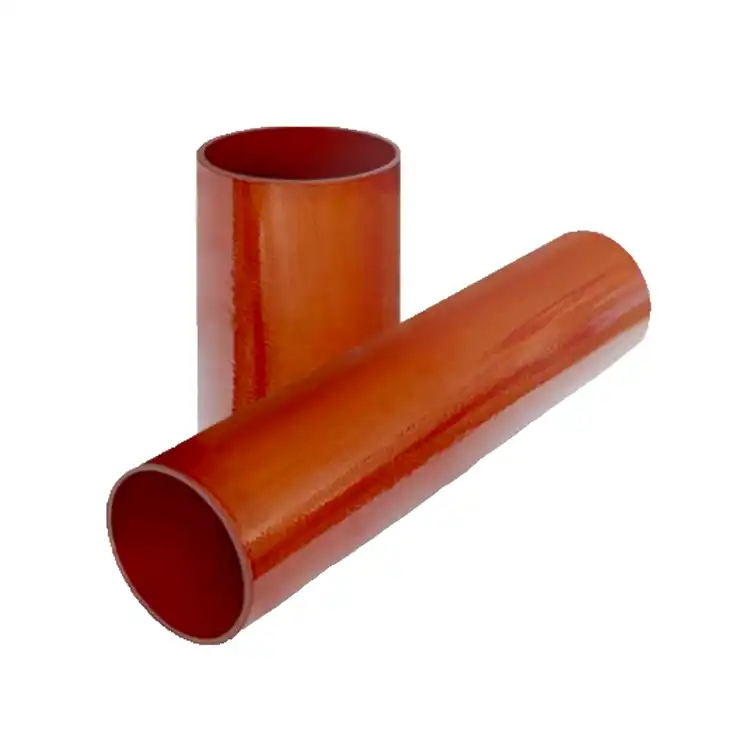
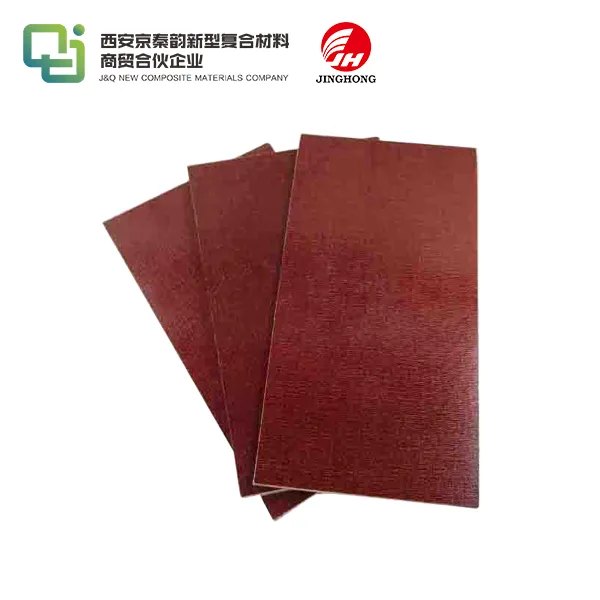
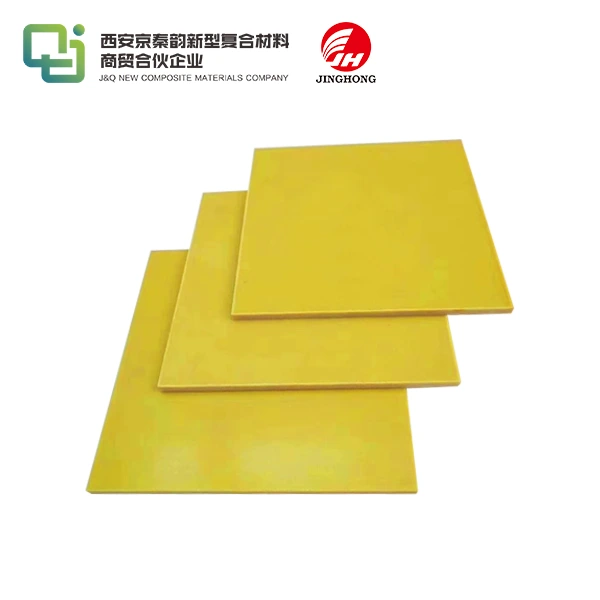
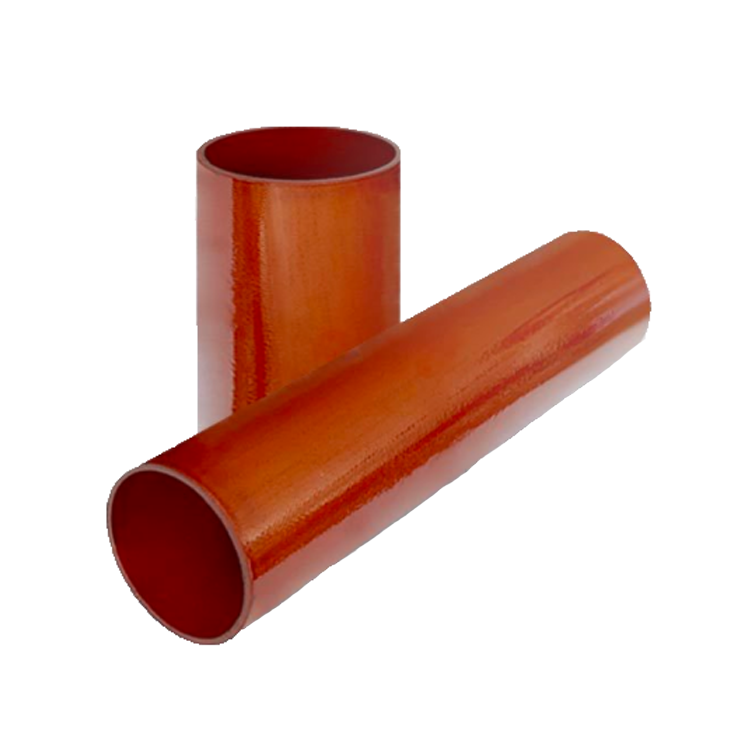
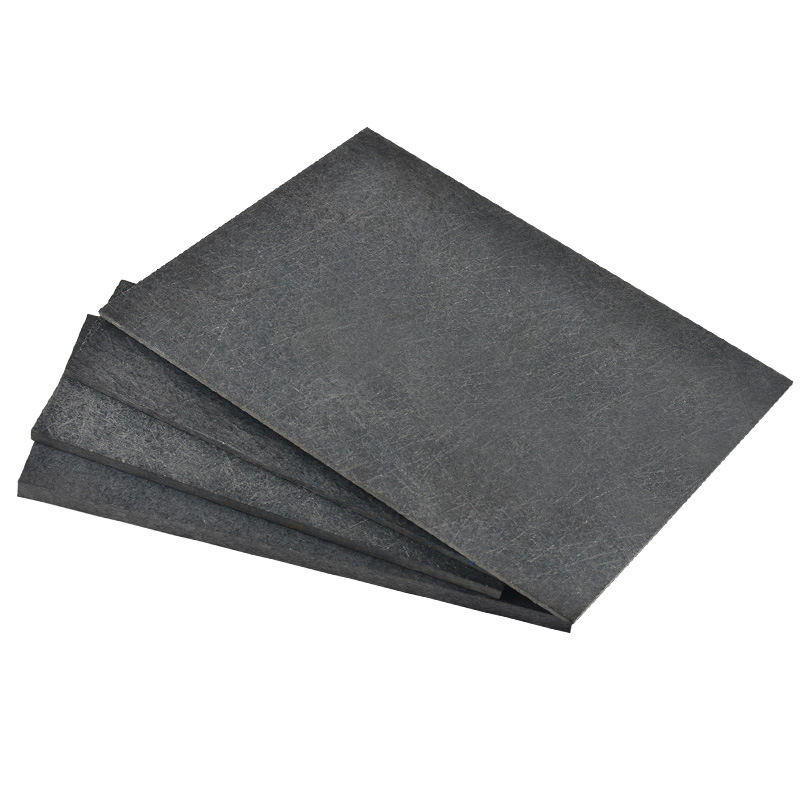
Size-wise, it's 1 m x 2 m and comes in black, gray, and blue. The thickness of our JingHong sheets ranges from 3 mm to 50 mm. Some important things about it are that it is strong, doesn't conduct static electricity, doesn't melt at high temperatures, can be machined easily, doesn't react with chemicals, and lasts a long time. The test report says the following:.
| Test item | Result |
|---|---|
| Rockwell hardness | M114 |
| Density | 2.01 g/cm³ |
| Water absorption | 24.2 mg |
| Surface resistivity | 1.5×10⁷ Ω |
| Linear thermal expansion (20°C to 60°C) | 12.5×10⁻⁶/K |
| 260°C ± 5°C operating test | No stratified cracking |
| 350°C ± 10°C transient test | No stratified cracking, appearance unchanged |
It is in the range of values that are usually used to describe materials that are good at getting rid of static electricity in programs that control ESD.
Custom Cutting and OEM Support
That's why we cut sheets based on your plans or measurements. Every plant does things in its own way. We can use CNC to make complicated shapes, drill and route precisely, finish the edges, and handle orders of any size, from a few pieces to a lot of them. You can also get help from our technical team to make the pallet better so it works better and lasts longer.
It is possible to make wave soldering pallets, selective soldering masks, component testing fixtures, assembly jigs, and safety barriers out of these sheets. Your business might make parts for electronics, home appliances, or cars. If you want to see how our tolerance, lead time, and documentation stack up against other pallet shops, you can send us the same drawings. Plain sheets that are 1 m x 2 m are ready to ship when you need them quickly.
Conclusion
It's not the price that matters; how the Solder Pallet Material is made that does. What the pallet has to go through depends on the type of soldering, the highest temperature, the number of thermal cycles, the size and weight of the board, the cleaning chemical, and the amount of work that needs to be done. Plain FR4 works well for prototypes and light-duty work. Composites that are made at high temperatures can handle many lead-free cycles. If you need a heavy board or something different, an aluminum or hybrid build might work. The properties of something, like its hot strength, thermal expansion, chemical resistance, and surface resistivity, give you a better idea of how it will work than its name. People can avoid things warping, holes cracking, and having to be replaced too soon by making a written list, testing prototypes, and thinking about the cost per cycle. How well a good material works in daily production depends on how well it was machined, how well it was documented, and how well the supplier helped with delivery.
FAQ
Is standard FR4 enough for a solder pallet?
FR4 can be used for prototypes and short runs at room temperature. Standard FR4 may soften or warp more quickly, so high-temperature grades are often better for lead-free cycles that happen over and over again.
Is aluminum better than FR4?
Not all the time. To make things stronger and better at moving heat, use aluminum. However, it conducts electricity and may cost more. FR4 keeps the heat inside. Pick the right one for the process and board weight.
What should I send when requesting a quote?
We need you to send us the PCB files, assembly drawings, thermal profile, flux, and cleaning information, along with your annual need for volume and delivery.
Does JingHong offer custom cutting?
Yes. We can use your drawings to do CNC machining, precise drilling and routing, and edge finishing, no matter how big or small your order is.
Request a Solder Pallet Material Evaluation or Quote
Send your PCB drawings and process details to info@jhd-material.com. J&Q's team will help you choose the right Solder Pallet Material grade and give you a quote for it. We offer Solder Pallet Material and run our own logistics company. We've been in business for more than 20 years. International trade has been going on for more than 10 years, and we've been making insulating sheets for more than 20 years. Visit jhd-material.com to find out more.
References
1. IPC J-STD-001, Requirements for Soldered Electrical and Electronic Assemblies, 2020
2. IPC-A-610, Acceptability of Electronic Assemblies, 2020
3. IPC-4101E, Specification for Base Materials for Rigid and Multilayer Printed Boards, 2017
4. ANSI/ESD S20.20, Protection of Electrical and Electronic Parts, Assemblies and Equipment, 2021
5. Reflow Soldering Processes and Troubleshooting, Ning-Cheng Lee, 2002
6. Environment-Friendly Electronics: Lead-Free Technology, Jennie S. Hwang, 2001