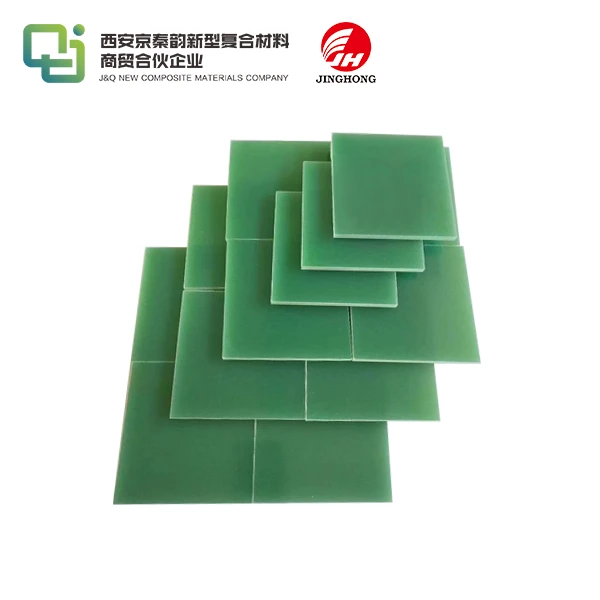
Solder Pallet Material for SMT Production Lines and Precision PCB Fixtures
2026-11-12 17:22:26
Solder Pallet Material is a composite sheet that can handle heat and doesn't conduct electricity. It is used in SMT production lines and sharp PCB fixtures. This sheet can be cut into carriers, wave soldering stacks, and selective soldering masks by shops. The right grade keeps boards flat, protects bottom parts from hot solder, and doesn't peel off even after being heated and cooled many times. You shouldn't just look at the sheet's price. You should also see how well it stands up to chemicals, heat, and bending, as well as how much it costs over its lifetime. We use JingHong sheets from 3 to 50 mm in this guide to show you how to pick the right materials. It talks about data on performance, steps for choosing suppliers, and checks on suppliers.
What Is Solder Pallet Material and Which Types Are Common?
What does the sheet do on the line, and which families do most buyers look at? That will help you when you compare grades.
Definition and Role on the Line
This is the stuff that is used to make wave soldering boards, selective soldering fixtures, and PCB carriers. It holds the board in place, makes room for the through-hole leads that need to be connected, and protects the wave-sensitive parts on the bottom. Because they are stiff and don't melt in hot weather, these thermoset laminates with fibreglass reinforcement are the best for this job. How well it works depends on the chemistry of the resin, how thick it is, how dense it is, and how well it was made. Firms that use laminates make things like electronics, car parts, and device control boards. One sheet is often used for both test runs and automatic lines that print many sheets at once.
Common Material Types
FR4 and G10 glass-epoxy laminates are cheap, easy to find, and good at keeping heat in. They are good for general fixes. NEMA LI 1 makes sure they are safe. If you heat fibreglass composites and epoxy tooling boards up, they stay flat longer during lead-free processes and are easy to machine. Most of the time, aluminium is not a good choice for direct board contact because it moves heat around better than glass-epoxy. Frames and hybrid pallets do get stiffer, though. Specific ways of using glue protect against harsh chemicals. Let's talk about the price first. I match the type to the number of cycles, the way it will be soldered, the shape of the board, the temperature profile, and the cleaning chemical.
JingHong Product Profile
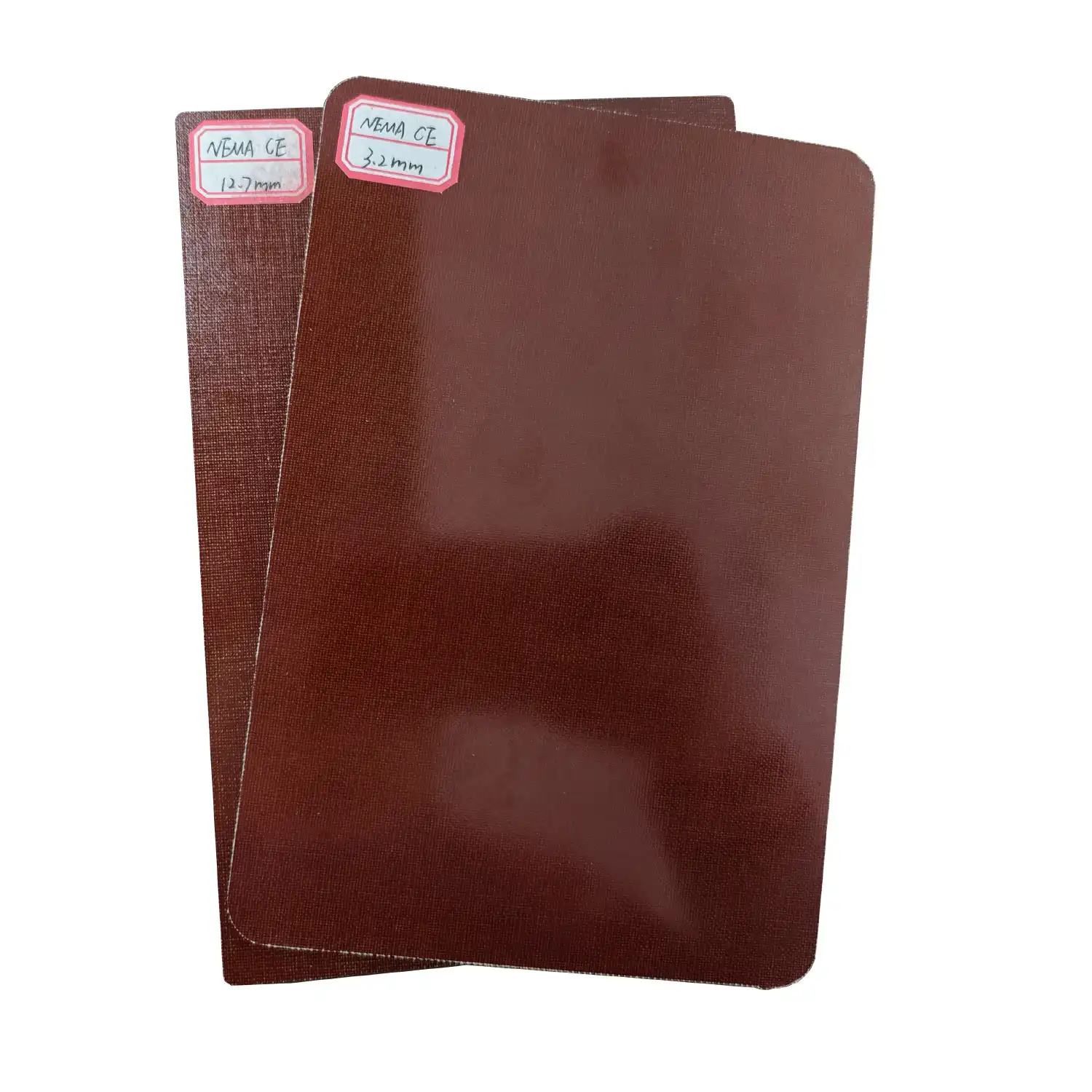
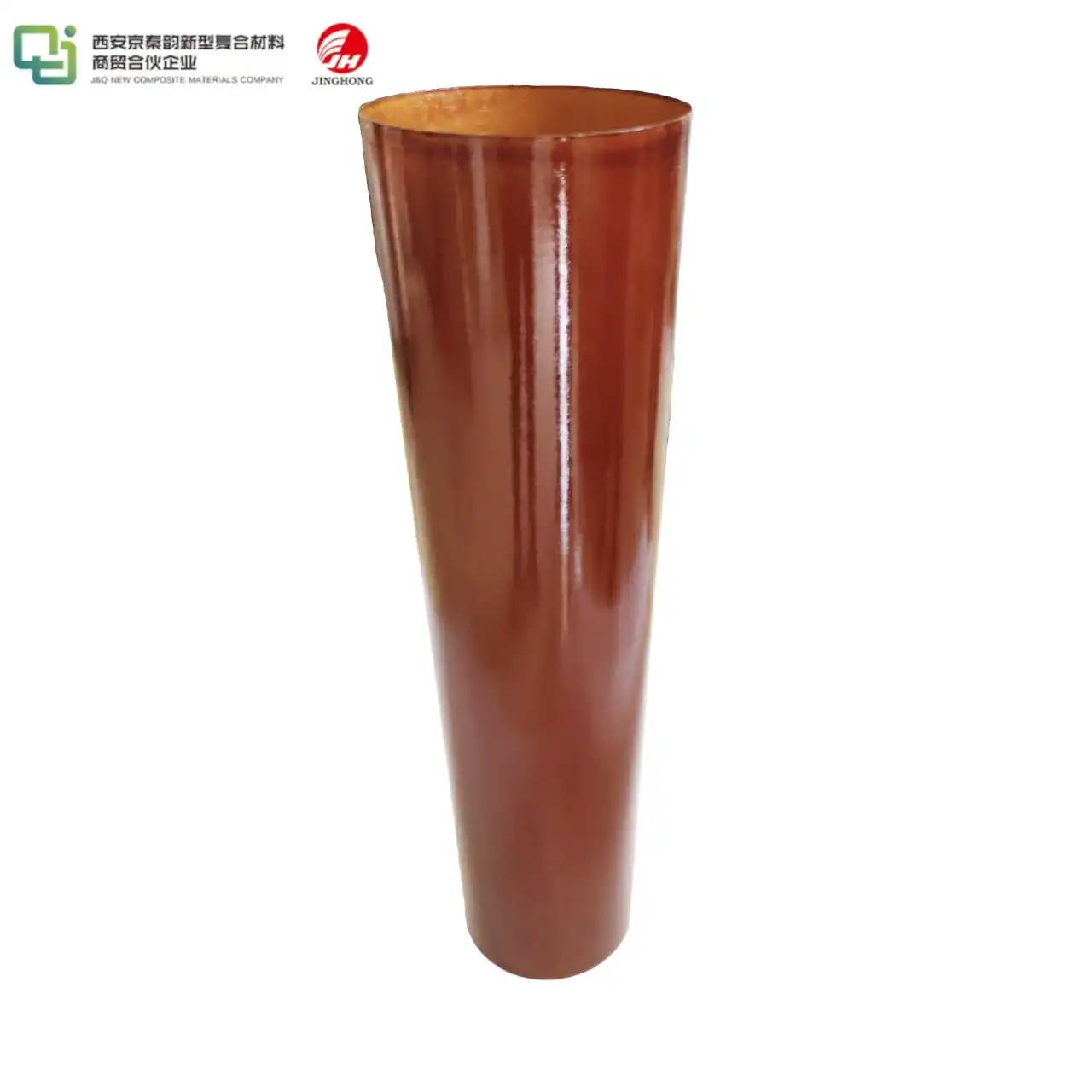
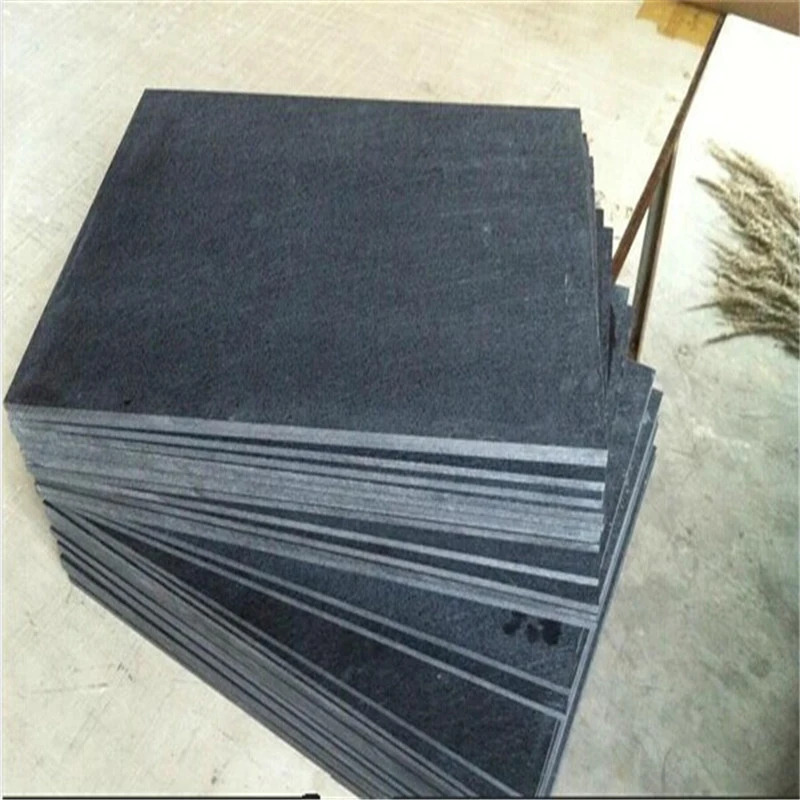
The JingHong Solder Pallet Material comes in black, grey, and blue. It is very strong and doesn't pick up static electricity. Most sheets are 1 m x 2 m and can be 3 mm or 50 mm thick. Black is always in style because it looks slick and cool. Blue makes it easy to sort and find things on a busy floor, and grey is clean. It's strong, can take chemicals and high temperatures, and lasts a long time. It's also simple to use. We can also cut it to the shape or size you show us. There are both thin SMT carriers and thick wave soldering pallets in that price range.
Solder Pallet Material Comparison: Performance and Cost
When you compare two things, you should look at measured data, how well they fit together, and how often parts need to be changed.
Measured Data from JingHong Test Results
Our test report says it is 2.01 g/cm³ dense and M114 hard. To bend something straight up, you need 361 MPa of force at 23°C, 158 MPa at 155°C, and 84.4 MPa at 180°C. At 23°C, the modulus of elasticity is 2.15 x 10⁴ MPa. At 180°C, it drops to 9.95±10³ MPa. There were no separate cracks in the sample that was heated to 260°C ±5°C. After a short time at 350°C ±10°C, it didn't change or break. There is a linear thermal rise of 12.510 from 20°C to 60°C, and the methods used are in line with GB/T standards. I make my walls thin since I know that hot walls lose their strength.
FR4, Composites, and Aluminum Side by Side
Look at FR4, Composites, and Aluminium side by side. Standard FR4 and G10 are still cheap for general-use fixtures, but they may not stay flat as well in lead-free work with a lot of cycles. If you compare it to eutectic tin-lead, which melts at 183°C, this one melts at about 217°C. This means the profiles on the boards are warmer. When it's hot, tooling boards and materials that can handle it work better. Aluminium makes things stiff, but it also moves heat quickly to the PCB and parts nearby. The weights are also not the same. Aluminium is heavier than an alloy that weighs about 2.01 g/cm³. This is good for people who have to load boxes by hand all shift.
Lifecycle Cost Instead of Sheet Price
One line in the budget is for off-time, and another is for sheet price. Solder can flow over the walls of a pallet that isn't level, which can lead to bridges, rework, and queue stops. It might cost more to buy a pallet that lasts longer, but it costs less and takes less time to change and switch out. You should keep track of the type of flux, how often it needs to be cleaned, how thick the walls are, and how many boxes are thrown away every year. Then, divide the price by the number of times the goods will be made. If you clean something harshly and use flux acid, it will wear out faster. This is why chemical protection is just as important as temperature rating. With datasheets and a production run, you should be sure of your choice.
How to Choose Solder Pallet Material for SMT Production
The choice is still useful because it has a clear order. That's how I go about working through method, wave requirements, and application fit.
Start With the Soldering Process
Select, wave, reflow-adjacent carrier, or hand are some of the methods you can use to begin. Find out the highest temperature, how long it stays that way, how fast it heats up and cools down, and how many cycles you think there are. The IPC J-STD-001 sets the rules for soldered assemblies. The shape and joint requirements you have should guide the design of the pallet. Next, write down the PCB's width, height, uneven edges, and safety zones, as well as its size and thickness. If you don't support wide spans, you need pallets that are thicker or more durable. Walls that aren't very wide also need to be easy to machine. There are more things that should be on the list that affect how quickly a pallet wears out. These are cleaning chemistry, flux exposure, and production volume.
Wave Soldering Pallet Requirements
Because the board needs to be supported evenly, the parts need to be masked properly, solder splash needs to be stopped, and the pallet needs to be able to handle being heated and cooled many times. Parts that need to stay out of the wave are kept safe by holes that let solderable leads show through. When working without lead, it's more important that the material can handle high temperatures, doesn't warp, and measurements are always the same. It's also important for lines with a lot of work to have strong handling areas and surfaces that don't wear down quickly. These surfaces might need replacement inserts in places where they are loaded or soldered a lot. It didn't break at 260°C and has an expansion value of 12.5×10⁻⁋/K, which are good proofs, but your own test is still the best.
Selective Soldering and Application Fit
Selective soldering fixtures require Solder Pallet Material that can accommodate heat-sensitive components, shields, and connectors while maintaining good machinability and dimensional stability. Standard FR4 or G10 can be suitable Solder Pallet Material options for prototype testing and low-volume fixtures with relatively simple requirements. However, for lead-free wave soldering and high-volume production, high-temperature composite materials are generally more suitable because they can withstand repeated thermal exposure while maintaining their shape. For larger fixtures, strong aluminum frames can also be incorporated to provide additional structural support and keep the assembly securely in place. Electrostatic discharge (ESD) performance is another important consideration when selecting Solder Pallet Material. According to the provided specifications, JingHong sheets have a surface resistivity of 1.5 × 10⁷ Ω, which should be evaluated against the ESD requirements of the specific application rather than assumed to meet every ESD standard. Before purchasing Solder Pallet Material, buyers should review the manufacturer's datasheets, verify temperature resistance and mechanical properties, and confirm that the selected material is suitable for their soldering process.
Machining, Design, and Custom Production of Solder Pallets
For a good sheet to work well on the line, it still needs to be well designed and machined.
Machining Accuracy
How well the pallet works depends on how well the sheets are made and how precisely they are cut. It's important to keep the surface flat and smooth while CNC work is being done so that exact holes, pockets, apertures, and support surfaces can be made. Because glass fibre is rough, tools that are covered in carbide or diamond, fast spindles, and slow feed rates help keep thin walls from coming apart. When the internal stress eases up while the material is being removed, symmetrical clamping makes distortion less likely. We can CNC-machine complicated shapes, drill and route precisely, finish the edges, and work on orders of any size.
Design Details That Extend Service Life
You can choose the width based on the PCB size, the unsupported span, the component space, the weight of the fixture, and whether it works with the conveyor. Engineers can find the right mix between how stiff something is and how heavy it is in our 3 to 50 mm range. Small parts of the style are also important. Edges with chamfers and radii stop chips, alignment pins make sure the same registration every time, and relief pockets protect parts that are too tall. Workers are helped by access points, handles, and identification marks that are close to each other. High-contact areas last longer with wear inserts that can be replaced. When someone buys something, I always ask for full CAD, PCB, component-height, and process data. This is because most redesigns are caused by missing data.
From Drawing to First Article
When you do custom development, it's best to do it in a planned order. It's you who sends the important measurements, soldering conditions, component layouts, 3D files, PCB drawings, and 3D printing files. Our team suggests a sheet thickness and fixture structure based on the client's budget, the type of work, the load, the amount of difficulty, the volume, and the load. After getting approval for the CAD file, we cut out the pallet and check its size. Then you test a first item with the real PCB and process to make sure it fits, loads, unloads, lets you solder, and protects the parts. Because drawings are approved and changes are tracked, later orders are always the same from one batch to the next.
Common Mistakes and How to Evaluate a Supplier
Most problems with pallets are caused by a few decisions that could have been prevented. You can avoid these problems if you have a good supplier.
Mistakes to Avoid
Choosing a material based on its price per sheet is the first mistake. This is because it costs more to fix and shut down a cheap material that breaks easily. Second, they always use standard FR4 and don't check the process count or temperature profile. Teams also forget that aluminium quickly moves heat to parts that are hidden or that it can expand and warp when heated. The rest are due to designs that aren't right because they don't have temperature profiles, cleaning conditions, or component height data. You can avoid most of these problems by writing down a short review of the shape, tolerances, volume, and lifecycle cost of the process before it starts.
Questions to Ask a Supplier
A good supplier won't push the same sheet of material for every job. Instead, they'll tell you about sheets that will work with your process. Find out if they can help with CAD, CNC, keeping tolerances in check, aperture work that is hard to understand, prototyping, and making sure that orders are always the same. To get things that can be sent to the US by sea or air, you should ask for material certificates, dimensional inspection reports, traceability, first-article documentation, and proper export packaging. Read over the wait times, Incoterms, payment terms, shipping options, and how to get in touch with customer service after the sale. When getting quotes, it's important that the price clearly lists the type of material, the amount of work that will be done, the tolerances, the surface treatment, the cost, the freight, and the delivery time. Only then can you compare offers fairly.
What J&Q Brings to Your Project
For more than 20 years, J&Q has made and sold insulation sheets. For more than 10 years, they have also done business with other countries. For a long time, we've worked with trading companies in the US and other countries. We also run our own logistics company, which means that one group is in charge of shipping, cutting, and receiving goods. It's harder for engineering managers and procurement teams to work together with that setup. Our skilled staff looks over your plans and process data and suggests a good way to set up the sheets and fixtures. All of our insulation sheets can be seen at jhd-material.com. Making Sure the Materials Are Right for Making PCBs: Choosing Solder Pallet Material isn't just a matter of getting things; it's also a matter of process engineering. It is best to use FR4 and G10 for medium- to low-volume work. High-temperature composites and tooling boards are better for lead-free, selective, and high-cycle production. JingHong's test results back this up: no stratified cracking at 260°C, 361 MPa bending strength at room temperature, 12.5×10⁻⁋/K expansion, and 1.5×10⁷ Ω surface resistance. Because strength goes down with temperature, the shape of the wall is important. A checked first article, precise CNC cutting, and close attention to design details can all help to keep flatness and service life high. The best way to compare options is not by their sheet price but by how much they will cost over time.
Conclusion
Choosing Solder Pallet Material is a process engineering decision, not only a purchasing task. The article showed that FR4 and G10 suit moderate, lower-volume work, while high-temperature composites and tooling boards fit lead-free, selective, and high-cycle production. JingHong test data supports this: no stratified cracking at 260°C, 361 MPa bending strength at room temperature, 12.5×10⁻⁶/K expansion, and 1.5×10⁷ Ω surface resistivity. Strength falls at higher temperatures, so wall design matters. Accurate CNC machining, careful design details, and a validated first article protect flatness and service life. Lifecycle cost, not sheet price, gives the fairest comparison between options.
FAQ
Is there one best Solder Pallet Material?
Not at all. Heavy wave soldering jobs are better done with high-temperature composites, while lead-free, selected, or high-cycle jobs are better done with FR4. The choice is your process data.
What thickness should I choose?
It depends on the board's size, the span that isn't supported, the space between the parts, and how the machine is built. Sheets from JingHong can be anywhere from 3 mm to 50 mm thick.
How should I clean pallets?
Wipes with wires and a strong alkaline cleaner should not be used. To protect the plastic, clean it with neutral products that have soft bristles or with ultrasonic waves.
Why does a pallet warp after machining?
Most of the time, it's because of emotional stress that is released when stuff is taken away. The risk is smaller when symmetrical clamping is used, and the sheet is fully cured and has been relieved of stress.
What should I send for a quotation?
Send PCB sketches, component layouts, how you plan to solder, the amounts, the tolerances, and the temperature profile.
CTA: Request a Custom Solder Pallet Material Recommendation from J&Q
Send your PCB drawings and process details to J&Q at info@jhd-material.com, and our engineers will review your project. As an experienced Solder Pallet Material supplier with more than 20 years of experience in insulating sheets, we offer JingHong sheets in 3 to 50 mm, custom CNC machining, and one-stop logistics. Visit jhd-material.com for details.
References
1. IPC-A-610H, Acceptability of Electronic Assemblies, 2020
2. IPC J-STD-001H, Requirements for Soldered Electrical and Electronic Assemblies, 2020
3. ANSI/ESD S20.20, Protection of Electrical and Electronic Parts, Assemblies and Equipment, 2021
4. NEMA LI 1, Industrial Laminated Thermosetting Products, 1998
5. Reflow Soldering Processes and Troubleshooting: SMT, BGA, CSP and Flip Chip Technologies, Ning-Cheng Lee, 2002
6. IEC 61340-5-1, Electrostatics – Protection of Electronic Devices from Electrostatic Phenomena – General Requirements, 2016