How Does Solder Pallet Material Improve PCB Assembly Stability During Wave Soldering?
2026-11-12 17:22:08
The Solder Pallet Material keeps the board flat, protects the bottom parts, and makes sure that the aperture positions stay the same during each heating cycle. Wave soldering is more stable this way. The board and the moving belt don't move because they are made of a stiff material that can handle heat. So, it will only touch the leads and pads that need it. The deck stays the same from the first run to the last because it doesn't change much. If you want fewer bridges and slips and more stable through-hole fill, this guide was made just for you. The JingHong test data that comes with it lets you compare it to your own process as well.
Why Wave Soldering Stability Starts With the Pallet
How Movement and Warpage Create Solder Defects
It gets hot, and flux is put on the board. Then all of a sudden, a wave of liquid solder hits it. If boards are not properly held in place, they can move. They can be moved by a belt. Thin laminates can get soft and bend in hot places. The pads will still touch the wave, but for a different length of time if the heights are not very different. Smear bridges, skips, and holes that aren't fully filled through happen most of the time. IPC-A-610 lists some types of solder joints that are okay. One of them is through-hole barrel fill. The most dangerous boards are the ones that are big, thin, and heavy. Some of that difference is lost when you add an extra piece of wood to hold the board flat before it hits the wave.
What a Solder Pallet Does on the Line
The PCB is moved along the process by a solder bar. It's also called a wave solder container or wave solder gear. Three things it does. It keeps the board flat by holding it up along its length. On the bottom and other places that shouldn't be soldered, it hides SMT parts. Also, windows can only be opened by connecting certain pads to through-hole leads. The board or box can be heated, fluxed, or cleaned in any way. For those three jobs, the box's material matters. This setup works well for boards that use more than one technology, like utility control boards, power tool control boards, and car modules.
How Solder Pallet Material Improves Stability
There are four main signs that the Solder Pallet Material does its job well. How stiff it is is one of the most important things to me. The stiff and strong Solder Pallet Material keeps the fixing plate from sagging or bending while it's being used. This helps the height of the wave of solder stay the same. It needs to stay in shape when you put it on top of the hot parts and the solder wave hits it. After that, check to see how well the house keeps the cold out. What kind of Solder Pallet Material do you use? No matter what the weather is like, it should stay in shape. This makes sure that the window's sides stay lined up with the PCB pads. Also, make sure it can handle acids and soldering flux, which can wear down edges, damage bare surfaces, and change the size of holes over time. Last but not least, making sure the sizes stay the same helps make sure that the solder spots and contact times stay the same from one production run to the next. All four qualities of Solder Pallet Material should be looked at at the same time by people who make things if they want good soldering results, stable long-term production, and fixtures that stay in place.

Key Properties and Material Options for Wave Soldering Pallets
Properties That Decide Pallet Performance
I look at five things first. Lead-free metals, such as SAC305, melt at 217 to 220 °C. When there is a wave process, the solder pot is generally kept between 250 and 265 °C. To put it another way, you need to be able to handle heat. The modulus and flexural strength of a board show how straight it stays when put on a pallet. It's possible for the sides of a window to stay sharp for a long time after being cleaned and fluxed many times. The supplier might not be able to cut thin walls and tight pockets very well. Because it's thick, there is an even amount of space on the bottom for parts. An engineer can use this paper to check how well these numbers match up with real things. It has these numbers and the test methods on it.
Thermal Expansion, Moisture, and ESD Behavior
There should also be a separate check for growth caused by heat. The window frames will move away from the pads if the box grows faster than the board. On the JingHong test sheet, the linear expansion coefficient for temperatures between 20 °C and 60 °C is written as 12.5×10⁻⁋/K. This number can be used to compare your boards to it. So it's important to keep the area wet. If you take away water, a puddle can grow, or hot solder can turn into mist. A 4.00 mm test piece on the same sheet gave it 24.2 mg of water. What these boards do when ESD hits them is important. Surfaces with a resistivity of 1.5×10⁷ · or less are good at getting rid of static electricity, according to the ESD standards.
Comparing Durostone-Type Composites, FR4, Polyimide, and Aluminum
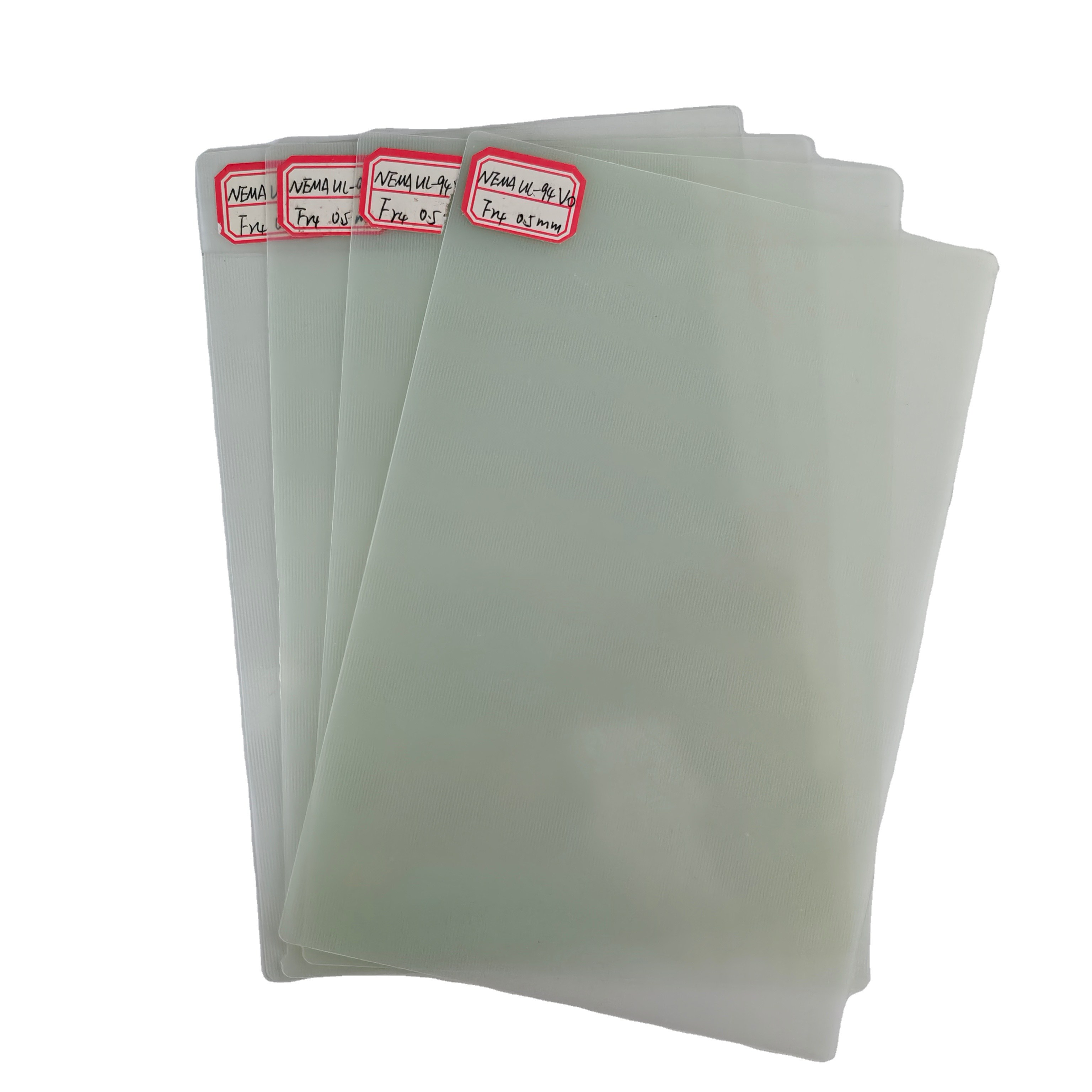
The same kind of stuff can't be used for every job. This is because wave and selective soldering need materials that are strong, can handle heat, and stay chemically stable for a long time. These materials are often Durostone-type glass-reinforced materials. Even though it costs less, epoxy glass or FR4 can be used for prototypes or small amounts of production as long as the grade is checked to make sure it works at the right temperature. Pimide composites are good for precise work or work that needs to be done at high temperatures. Once it is built right, aluminium is strong and moves heat well. However, its thermal mass changes how heat behaves, so it needs to be thought out ahead of time. Composites that are safe for ESD keep long-lasting parts safe. People who want to buy sheets should not only compare prices, but also look at how well the sheets handle heat, how stable their dimensions are, how easy they are to work with, how long they last, and the total cost of ownership.
How to Select and Buy Solder Pallet Material
Define Your Process Before You Request a Quote
You need to know about your queue in order to make a good choice. People tell me how long, wide, heavy, and empty the bottom of the board is. The next part talks about the solder alloy, the highest temperature, the conditions of the conveyor, and how many cycles are likely to happen. There are also cleaners and different types of flux on the list because they change how fast the surface wears down. Do you need ESD control? If so, tell us what size limits you have. You won't have to guess about the right thickness, material, and window design if the provider knows that. Before you give the go-ahead, make sure you have technical data, material certificates, machining limits, sample support, and a first art check. Check to see if the supplier can handle new orders and changes to the drawings. This package should be sent right away by engineers and skilled procurement teams so that the review process can go faster.
Standard or Custom Pallets for Global Orders
When lead times are short, board designs are stable, and process conditions are reliable, standard boxes are a good choice. Pallets can be changed to fit parts that have a thick bottom, boards that aren't level, special masking, ESD control, or a certain conveyor interface. Most of the time, suppliers need Gerber files, assembly drawings, board measurements, soldering profiles, information on cleaning chemicals, tolerances, and guidelines for shipping. Also, they need to know how much space there is between the parts. Find out how much can be made, how the goods are packed for sale, and how long you have to wait before you can buy something from another country. Being able to talk to workers well is just as important as being able to build tools. It's because a change made too late can stop a project from going forward. Because it's written down, neither side can change the same drawing at the same time.
Selection Mistakes I See Most Often
Many purchasing mistakes occur because buyers focus only on the initial price of Solder Pallet Material without considering its service life and long-term performance. For example, selecting a standard FR4 grade that cannot withstand the high temperatures of lead-free soldering may result in premature material failure. Some manufacturers also overlook thermal expansion or fail to account for the dimensional changes that occur when the pallet is repeatedly exposed to heat. Over time, flux, cleaning agents, moisture, and repeated thermal cycling can gradually damage Solder Pallet Material, leading to soldering defects, PCB sagging, fixture deformation, and worn or enlarged holes. These problems can shorten the pallet's service life and increase replacement costs. Therefore, Solder Pallet Material should be treated as a reusable production tool rather than a simple consumable. Buyers should evaluate the total cost of ownership and establish clear procedures for cleaning, storage, inspection, cycle tracking, and material replacement. Proper maintenance and careful material selection help extend the service life of Solder Pallet Material, reduce unnecessary expenses, and maintain consistent production efficiency.
Manufacturing, Quality Control, and Verification
From Gerber Files to CNC-Machined Pallets
To make pallets that are all the same, the first thing that needs to be done is an engineering review. The service provider looks over the layout plans, Gerber files, the supported spots, the solder contact areas, and the direction of the board. After that, the sheet is cut and checked for mistakes that can be found. Next, based on the agreed model, CNC machines are used to make PCB supports, solder windows, component pockets, and drill holes. Tools covered in carbide or diamond are most common in shops because rough glass materials are used most of the time. Because of symmetrical locking, the material also doesn't warp when the force inside it is taken away. First, get rid of the burrs. Then, smooth out the top, write down what you did, and look it over for mistakes. These steps make sure that every box in a queue is the same.
Inspection Points Before Shipment
As a last check, you should make sure that the dimensions, flatness, alignment of the holes, space between parts, and ability to move along the conveyor are all right. I think you should test the first piece on a real PCB. This is because size problems can be seen on a real board that you might not see when you only look at the models. Also, checks are very important. How deep the milled pockets go is based on how uniform the thickness is. They can hold water inside, which makes it hard to solder hot. To stick to your ANSI/ESD S20.20-based ESD control plan, you should write down the surface resistance of the things you want to protect against ESD. The tech and quality teams will be able to quickly find these records again if they need to. They stay with each batch.
Measuring Whether the Pallet Improves Stability
A big claim turns into proof when it is checked. First, make a list of the most important results. Things like skips, missed through-hole fill, solder bridging, PCB movement, board warping, the rate of rework, and the first-pass yield could be on this list. For this test, make sure that the board design, the solder temperature, the speed of the bed, and the flux are all the same. Check the material after a few cycles to see if it has shrunk, cracked, delaminated, worn away, or changed shape. Also, see how flat it is. Test conditions, inspection data, good grades, and a guess of how long the cycle will last are all written down in a report. This paper backs up what engineers said and gives procurement a good reason to pick a seller.
JingHong Solder Pallet Material for Electronics Manufacturing
Product Specifications and Test Data
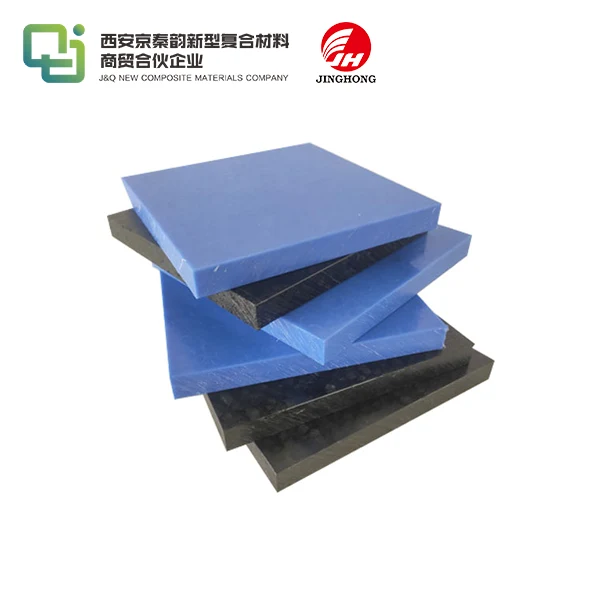
JingHong Solder Pallet Material comes in 1 m x 2 m sheets that are black, grey, or blue. It ranges from 3 mm to 50 mm thick. The person giving the test sheet has these numbers on it. It says it's a Durotest.
| Test item | Result |
|---|---|
| Density | 2.01 g/cm³ |
| Rockwell hardness | M114 |
| Bending strength at 23 °C / 155 °C / 180 °C | 361 / 158 / 84.4 MPa |
| Bending modulus at 23 °C / 155 °C / 180 °C | 2.15×10⁴ / 1.26×10⁴ / 9.95×10³ MPa |
| 260 ± 5 °C operating temperature | No stratified cracking |
| 350 ± 10 °C transient exposure | No stratified cracking, appearance unchanged |
| Surface resistivity | 1.5×10⁷ Ω |
| Linear expansion, 20–60 °C | 12.5×10⁻⁶/K |
You should think about the process temperature when you're deciding how thick a pallet should be. Strength and stiffness go down as temperature rises.
Applications Across Industries
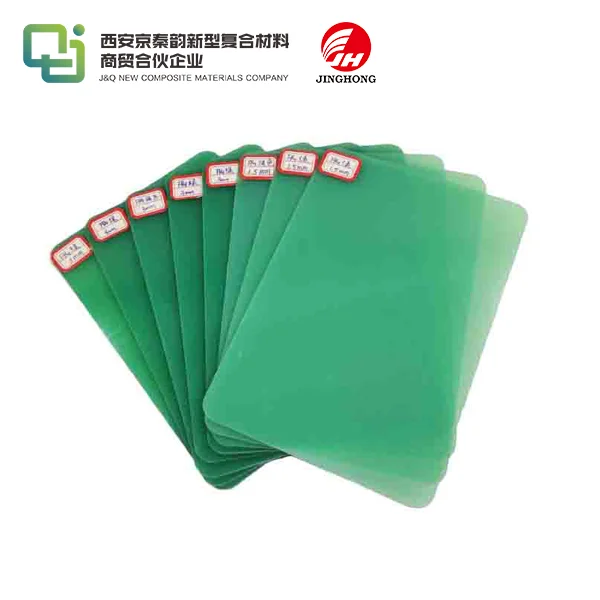
The company that makes the goods says that their products are often used as barrier protection, unit testing stands, wave soldering pallets, and selective soldering masks. These discoveries have changed many things about the areas we work in. Pallets are used by companies that make electronics to put together control boards with holes in them. People who make precisely machined parts for cars or electronic modules that need to be made in stable batches can use them. For mixed-technology boards, the same method can be used by companies that make power and energy equipment, appliance brands, and machines that put together control PCBs. Shops can also sort boxes by line or family of goods with the three colours. A lot of people use blue because it's easy to see.
OEM Machining and Supply Support
J&Q sells JingHong sheets and can cut them to fit your needs. Any size order is fine with us, and our CNC machines can make complicated shapes, drill and route precisely, and finish the edges. Our customer service staff helps make tools that last a long time and work well. Insulation sheets have been made and sold by them for more than 20 years. They've also done business with other countries for over 10 years and have worked with trading companies in both countries for a long time. Because we also have our own logistics company, the shipping, drilling, and materials all go through the same steps to get to your plant in the US.
Conclusion
For stable wave soldering to work, the board has to stay flat, safe, and in the right spot. Solder Pallet Material takes care of all of these things. The holes don't move during the preheating or the solder wave because they don't heat up or cool down very much. It takes longer for cleaning and flux to wear down things that are resistant to chemicals. You shouldn't choose between Durostone-type composites, FR4, polyimide, aluminium, and ESD-safe composites based only on price. You should also check how well they take heat, how stable their sizes are, how long they last, how much they cost, and how easy they are to work with. There is proof that the goal was met thanks to a clear process profile, careful CNC machining, first-article inspection, and measured trials. The data from JingHong show that as temperature rises, strength and modulus decrease. In other words, the width and style should match the real process.
FAQ
What is the expected lifespan of a solder pallet?
It depends on how thick the wall is, how acidic the flux is, how often it is cleaned, and how many times it is used. I think you should keep track of the cycles and regularly check the edges and flatness of the openings.
Can I use this material for lead-free wave soldering?
For the grade, compare it to your highest temperature. A process with tin-lead runs cooler than a process without lead. JingHong says that layered cracking doesn't happen at 260 ± 5 °C or 350 ± 10 °C for short periods of time. But you should still try it on your own queue.
How should I clean flux residue from pallets?
Wire brushes and cleaners that are very acidic should not be used on plastic because they can damage the surface. It's better to use neutral soaps that clean right away with ultrasonic waves or soft bristles.
Why does a pallet warp after machining?
Most of the time, this is because internal stress is being released when material is taken away. Using symmetrical clamps and sheets that reduce stress is safer.
Request a Custom Solder Pallet Material Recommendation from J&Q
Send your Gerber files, drawings, and soldering profile to J&Q at info@jhd-material.com, and our team will recommend a suitable thickness and design. As an experienced Solder Pallet Material supplier with over 20 years in insulating sheets, more than 10 years in foreign trade, and our own logistics company, we offer one-stop service from sheet to delivery. Visit jhd-material.com for details, and request your quote today.
References
1. IPC-A-610 Acceptability of Electronic Assemblies, 2020
2. IPC J-STD-001H Requirements for Soldered Electrical and Electronic Assemblies, 2020
3. ANSI/ESD S20.20 Protection of Electrical and Electronic Parts, Assemblies and Equipment, 2021
4. Soldering in Electronics Assembly, 1999
5. Handbook of Lead-Free Solder Technology for Microelectronic Assemblies, 2004
6. Printed Circuits Handbook, 2016

 拷贝_1764314565411.jpg)