How Does 94V0 FR4 Fiberglass Sheet Improve Fire Safety in Electrical Control Panels?
2026-11-12 17:17:51
When used in electrical control panels, a 94V0 FR4 Fiberglass Sheet can help with insulation and reduce the risk of flame spread during electrical breakdowns. The UL 94 V-0 standard says that the epoxy glue system can't catch fire. According to this standard, the material must put out any fires on its own during the test and not have any flaming drips that could have set the cotton sign on fire. The 94V0 FR4 Fibreglass Sheet is very rigid and stable in terms of size thanks to the support of woven glass cloth. Because of these qualities, it can be used to make mounting plates, electrical barriers, busbar supports, and other things that keep heat from moving. They're used in hot places. It's important to know, though, that the UL 94 V-0 grade only applies to certain parts of the electrical control panel. It's not all of it. The safety of the panel as a whole is also affected by how well the wires, switches, electrical gaps, and housing are planned and put together. Before buying a 94V0 FR4 Fibreglass Sheet, people should read the test reports from the manufacturer. It's also important for them to know the right UL 94 classification and material thickness, and they should make sure the grade they pick is right for the job.
Fire Risk and the Role of 94V0 FR4 Fiberglass Sheet
Why Fire-Safe Insulation Matters in Electrical Control Panels
There are many places for the spark to start in a control panel, which is a small box. Things close by can catch fire if there is too much heat, a short circuit, an arc, weak connections, or parts that are too heavy. Insulation can fail, which could cause a flashover, damage to the machine, unplanned downtime, or even put technicians in danger. This is something that everyone who works with us worries about, from those who make motors and switches to those who sell cars and other things. Even if something doesn't catch fire, it can still help a fire spread more slowly if it does. It's easier for people and safety gear to move around, and the damage stays close to where it starts.
What Is 94V0 FR4 Fiberglass Sheet?
This word refers to an epoxy-glass veneer that meets the UL 94 V-0 vertical burn grade and doesn't catch fire. The thing won't catch fire if it has the NEMA grade number "FR4". The cloth is heated and pressed after being mixed with epoxy glue by people who make things. And the resin keeps it warm and together. The glass makes it strong and stiff. Most FR4 is dense, weighing between 1.85 and 2.08 g/cm³, and strong, measuring over 340 MPa along its length. Several things can change the V-0 result. That's why I always tell people who want to buy a certain configuration to get a technical data sheet and proof that the company is certified.
How Does UL94 V-0 FR4 Improve Fire Safety in Electrical Control Panels?
A 94V0 FR4 Fiberglass Sheet must pass some vertical burning tests in order to receive the UL 94 V-0 certification. There must be at least 10 seconds of silence every time the light is used. Any sparks or drips must not cause the cotton indicator that is put under the test sample to catch fire. These rules make it less likely for fires to spread to lines, terminals, and plastic parts inside electrical cases that are close by. In reality, 94V0 FR4 Fibreglass Sheet is frequently used for phase separation, busbar support, wall insulation, and fastening parts that need to stay in place at high temperatures. To make it, special epoxy resin was mixed in. It doesn't catch fire and can put out its own fire under the test conditions given. Even if the grade is V-0, that doesn't always mean the whole electrical panel is safe. Everything that was tried in a flame is all that is said. UL 508A says that electrical panels for factories should be checked out as a whole. This includes the wires, the building, any electrical gaps, airflow, and safety features. So, when manufacturers select a 94V0 FR4 Fibreglass Sheet, they should consider how well it has been tested to resist flames and how well it fits with the panel's overall design.
Which FR4 Properties Matter in Control Panel Design
Electrical Properties That Match Your Voltage
How fast something burns is only the beginning. To make sure everything works well, the tracking behaviour, volume resistivity, surface resistivity, insulation resistance, and dielectric strength must all match the voltage, transient conditions, creepage, and clearance of the system. FR4 usually has a dielectric strength of about 50 kV/mm and a breakdown voltage above 40 kV parallel to the laminations. Check out ASTM D149 to learn more about the normal breakdown test. Values of the Tracking Index that are not the same show how well something stops electricity from moving along it. When engineers compare numbers, they should only look at ones that were taken along the same grain and direction. This is because the way the test is set up can change the outcome. Don't think too much about it. Then, compare them to the data sheet to find your grade.
Thermal, Mechanical, and Moisture Performance
The frequency drives, power sources, busbars, switches, and transformers inside the case all give off heat. When the temperature is close to 130°C (Class B), most standard FR4 can be used all the time. When it gets to 130°C to 140°C, it turns into glass. High-Tg grades can get as hot as 180°C to 170°C if the factory says so. Plates and walls stay put because they are strong and don't change size. This protects the area between the wires. ASTM D570 says that damp cabinets can't get bigger if they only take in 0.2% of water. A cheaper sheet might not be able to stay stiff and keep heat in if you put it close to a hot part. So make sure you check the operating temperature list for the exact grade.
How Should FR4 Fiberglass Sheet Be Used in Electrical Control Panels?
FR4 sheet can hold up a busbar, keep cables from touching, separate phases, support relays, act as a spacer, put sensors, protect them, or cover them. But also pay close attention to the width, the way the holes are laid out, the support spacing, the creepage distance, the clearance, the fasteners you choose, the edge finish, and other small details. Stress will build up if there are too many screws that are too tight or internal corners that are too sharp. It is hard to machine things that have glass in them, so use tools that are covered in diamond or tungsten carbide, spin them quickly, and gather the dust. After that, clean the parts because conductive dust or dirt can stick to the wiring. Also, check to see if the sheet can handle the voltage, chemicals, temperature, humidity, and vibrations that the panel will send out.
Comparing Materials and Choosing the Right Sheet
94V0 FR4 vs. G10, Phenolic, and FR5
Understanding how G10, phenolic laminates, FR5, and 94V0 FR4 Fiberglass Sheet differ from one another in terms of flame resistance, mechanical strength, and thermal performance is crucial. G10 is made up of woven glass cloth and epoxy glue. For a UL 94 V-0 grade, standard G10 needs to be strong and good at stopping electricity from moving. However, it might not be able to put out fires on its own. The flame classification for 94 V-0 FR4 Fibreglass Sheet, on the other hand, is provided by a custom-made epoxy resin system. Electricity and computer projects often use it because of this. Melamine paper is used to make FR-1 and FR-2 laminates, which are good for light-duty jobs. But they're not as strong or stable in size and shape as FR4 materials that have glass added to them. This is really true when they are wet or when they are under a lot of electrical stress. On the other hand, FR5 is made for things that need more heat resistance. What kind of material it is and how well it works depends on the manufacturer's directions. Instead of just going by the name of the material, consumers looking to buy 94V0 FR4 Fibreglass Sheet should look at verified technical datasheets, flame-retardant certifications, temperature ratings, and electrical properties. If 94V0 FR4 Fibreglass Sheet is the best choice for the job, this method can help you decide that.
How to Choose the Correct 94V0 FR4 Sheet for a Control Panel
First, write down the risk and the use case. Write down the voltage, current, expected fault conditions, peak and steady temperature, humidity, contamination, vibration, mechanical load, and service life of the system. You should think about more than just the price of a width. You should also think about how well it moves heat, how stiff it is, how long it can hold, and if it's safe. We have sizes from 0.3 mm to 100 mm, so we can make hard plates that are both thin and thick. You should look at the UL94 V-0 proof, technical data, conformity papers, RoHS or REACH status, inspection records, and the ability to keep track of each batch before it is made.
Recommended Procurement Specification
Having a clear definition can help everyone understand each other more easily. Polyester and epoxy are mixed together to make it, and they don't catch fire. Mark down the UL94 V-0 grade, the thickness, and the limits. What are the surface finish, operating temperature, dielectric strength, size, colour, and mechanical properties of the sheet? How does it react to water and chemicals? How can it be machined? How often does it need to be inspected? The paperwork for RoHS, REACH, or other laws needs to be put in certain places. Send information about the prototype you need, where you'd like it sent, the temperatures you expect, the amount of demand you expect each year, and the trade terms you'd like to use to get an exact price. That will let us give you a setup to look over.
Sourcing, Verifying, and Avoiding Mistakes
How Can Buyers Source 94V0 FR4 Fiberglass Sheet from a Dependable Supplier?
Find a business that always has raw materials on hand, has a history of quality control, has exported before, can make things, and can quickly get technical help. Make sure the company makes, sells, or deals in the grade that meets UL94 V-0 at the thickness you want. In the beginning, you should ask about sheet sizes, thickness tolerances, the minimum order quantity (MOQ), sample policies, lead times, packaging, and how they handle orders that are placed more than once. A lot of businesses from all over the world buy from each other. For projects to stay on track, they need clear proforma invoices, packing lists, information about where the goods come from, shipping terms, and ways to ensure good quality. For more than 20 years, J&Q has made soundproofing sheets. For more than 10 years, we've done business with other countries.
How to Verify Fire Safety and Product Quality Before Installation
Compare the items that were sent with the order, the data sheet, and the certificate. The grade, thickness, size, colour, batch number, and flame rating are all things you should look at. Find out how long, wide, and thick the item is, as well as where the holes are and how flat and well-made the edges are. Check for flaws like burns, marks, dry spots, cracks, boils, coming apart, and pollutants. Thin sheets should be within 0.1 mm of how thick they really are, and good boards should bend less than 0.5%. Your picture will decide how far you can go, though. Someone else should check your work, or the project's main author should give their OK if it needs to be safe. After the installation is done, check the space, the way to get to the wires, the fastenings, and the airflow.
Common Mistakes When Buying or Using 94V0 FR4 Sheet
A lot of people are wrong when they say that all FR4 items are thick enough to meet UL94 V-0. Read the formula and the license because FR4 is a big family. People also choose a thickness based only on price, don't care about how good the edges are, hit the sheet too hard with chemicals, heat, or water, or leave machine marks on the surface. They also don't always follow the rules when they write, which can cause issues with reports and replacements in the future. People can also be fooled by colour. The grade is based on tests that check how flammable the resin is, not the colour of the sheet. For each order, it's important to keep track of the technical data, tolerances, inspection, packing, compliance, and the flash point.
JingHong 94V0 FR4 Fiberglass Sheet: Specifications and Service
Product Specifications
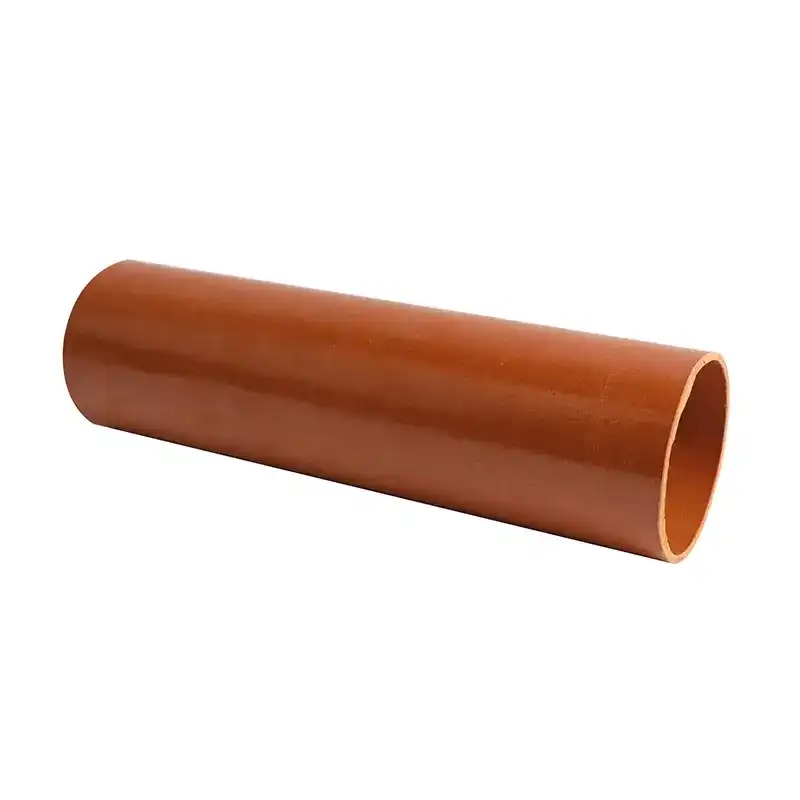
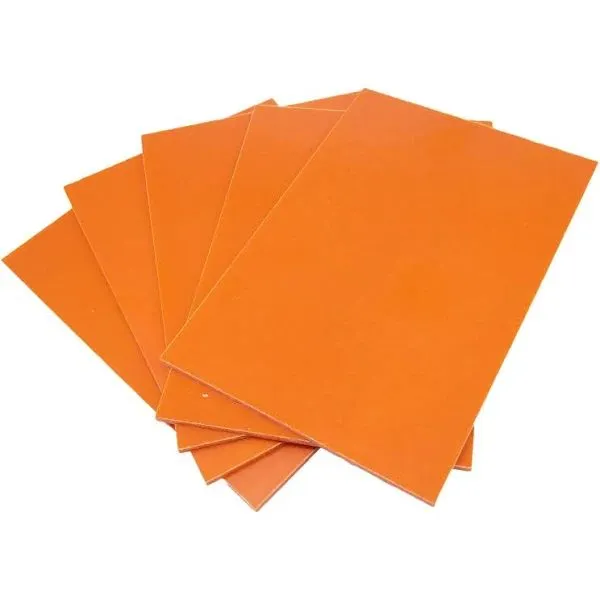
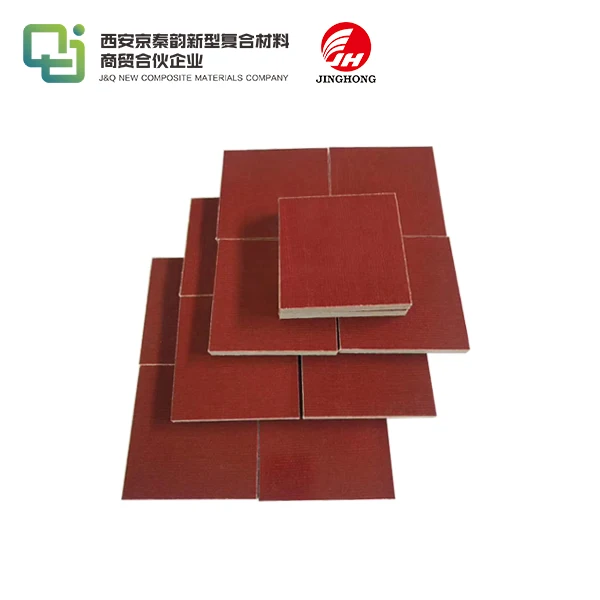
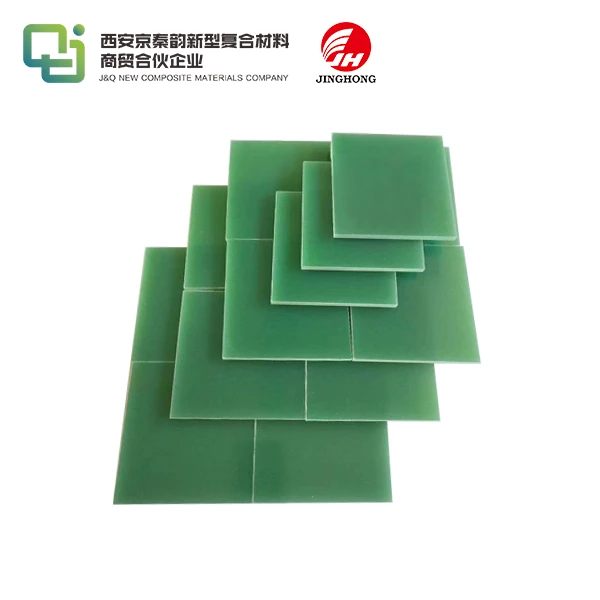
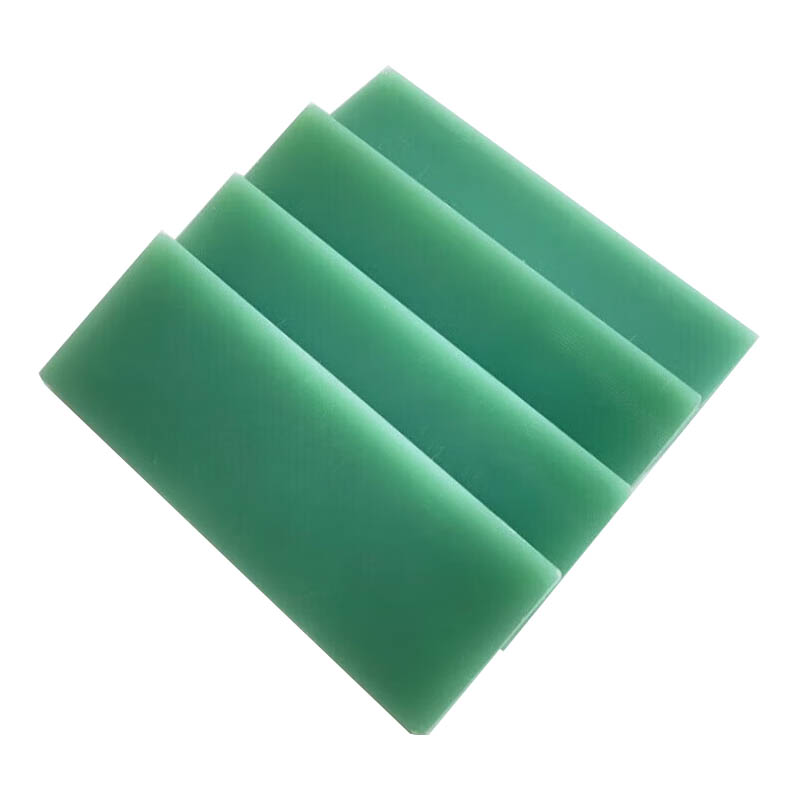
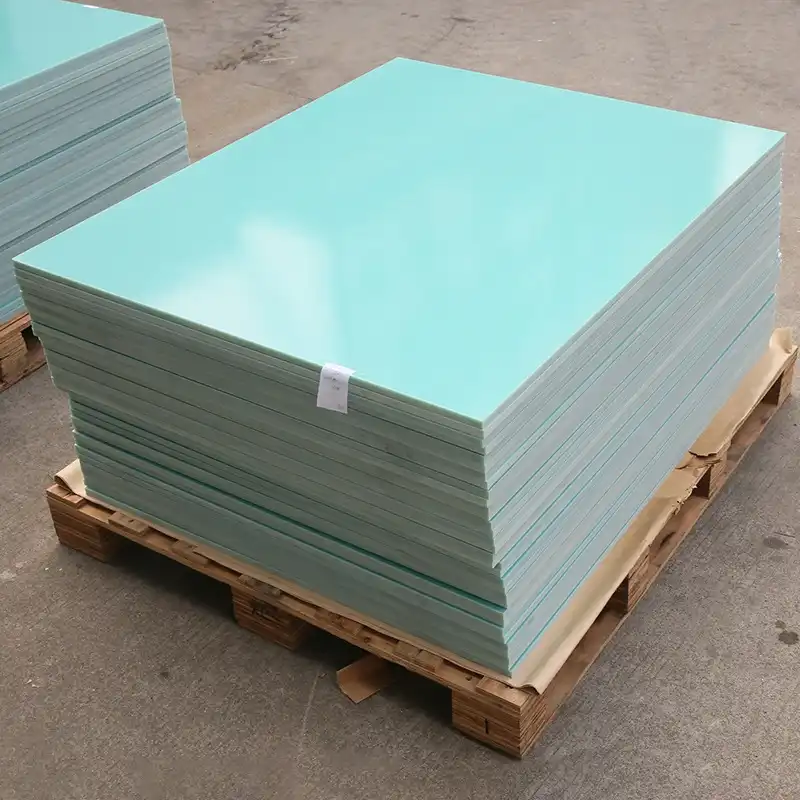
With a slight green tint, JingHong's 94V0 FR4 Fiberglass Sheet is primarily white. Epoxy resin and glass fibre are woven together to make it. Sizes of sheets range from 0.3 mm to 100 mm thick, and the usual size is 1030 mm × 1230 mm. You can choose from sizes 1030 mm × 2030 mm, 1220 mm × 2440 mm, 1030 mm × 1030 mm, and 1030 mm × 2070 mm. The 94V0 FR4 Fibreglass Sheet is strong, temperature-stable, chemically inert, and doesn't soak up a lot of water. Since it is UL 94 V-0 flame-retardant, it can be used for electrical insulation and other industrial tasks that need to control how flames behave. If JingHong wants to keep the quality of its products and work high, it uses the ISO 9001 quality management system. Buyers can check that the UL 94 V-0 certification is correct for the thickness they need before making an order by looking at the technical information that each 94V0 FR4 Fibreglass Sheet can provide. This aids in ensuring that the 94V0 FR4 Fibreglass Sheet selected satisfies all applicable safety and technical requirements.
OEM Service and Applications for Your Industry
For jobs that need exact sizes, thicknesses, and other needs, we offer OEM service. Some of our clients use FR4 in different ways. Firms that work with electricity and technology use it to hold up PCBs, make switches, and make motor parts. Machine builders use it to make hubs, frames, and gears. It keeps generators and energy safe so that arcs don't happen. It's used by car companies to make battery pack shields and insulation pads. It can be used to make motor brackets and insulator frames. Please send us a picture of your control panel and explain how you plan to use it. We'll then help you choose the best grade and thickness.
Capacity, Packaging, and Delivery
For every year, we make 43,000 tonnes of steel. This means we can handle jobs of all sizes. You can use T/T to pay, and the least you can order is 500 kg. Sheets are always put on top of boxes to protect the edges when we ship them. Ships can sail, fly, or go on land. We can make and send things from the same place because we run our own shipping company. This makes it simple for people in the US to phone us. We'll send it where you want it to go as long as you tell us how much you want.
Conclusion
Under certain test conditions, the flame-retardant epoxy glue in a 94V0 FR4 Fiberglass Sheet helps keep the flames from spreading during the UL 94 V-0 vertical burning test. 94V0 FR4 Fibreglass Sheet helps keep insulation shields and supporting parts in place when they are heated up in electrical control panels by being physically rigid and dimensionally stable. However, the V-0 classification only talks about how the tested material behaved in a flame. The overall safety of the panel also depends on proper wiring, safety devices, electrical clearances, and the design of the enclosure. When choosing a 94V0 FR4 Fibreglass Sheet, buyers should think about the material's thickness, dielectric strength, water absorption, operating voltage, and application standards. This way, buyers can be sure that the sheet will work well in real-life situations. FR4 grades of flame-retardant laminates are specially made to meet higher flame-resistance requirements than standard G10 and phenolic laminates. FR5 grades, on the other hand, are usually made for applications that need to work at higher temperatures. To avoid buying materials that aren't right, buyers should give clear technical specifications, make sure that the certificates cover the required thickness, and check each 94V0 FR4 Fibreglass Sheet's size, surface quality, and cleanliness before installing it. With the right choice of materials and testing, the UL 94 V-0 rating can really help with fire safety and electrical insulation needs.
FAQ
Does UL 94 V-0 mean a control panel is fireproof?
Not at all. UL 94 V-0 studies show that it can put out its own fires in a certain way. But it only rates the piece of material and not the whole panel. That being said, the form of the enclosure, the gaps, the airflow, and the wiring can all change how safe it is in general.
Is 94V0 the same as UL94 V-0?
Yes, so that we can do business. People who sell UL 94 V-0 grades write it as 94V0. Make sure the certificate is the right shape and grade for you before you buy it.
Does the green color decide the flame rating?
Not at all. You can also get to V-0 with black, yellow, and white sheets. There are tests that can tell you if any kind of resin is flammable. It doesn't matter what colour the resin is.
How do I request custom sizes?
Email info@jhd-material.com with the plans, how thick the materials need to be, and how many you need. If you buy from us, we can do OEM work for you; we have unique sizes (1220 mm × 2440 mm), and the minimum amount you can order is 500 kg.
Request a Quote for 94V0 FR4 Fiberglass Sheet from J&Q
Looking for a 94V0 FR4 Fiberglass Sheet manufacturer that understands control-panel safety? J&Q brings more than 20 years of insulating sheet production, over 10 years of export experience, and our own logistics company for one-stop delivery. Send your drawings, thickness, quantity, and destination to info@jhd-material.com, and our team will reply with a material recommendation and quotation. Visit jhd-material.com for details.
References
1. UL 94, Tests for Flammability of Plastic Materials for Parts in Devices and Appliances, 2013
2. UL 508A, Standard for Industrial Control Panels, 2018
3. NEMA LI 1, Industrial Laminated Thermosetting Products, 1998
4. IPC-4101E, Specification for Base Materials for Rigid and Multilayer Printed Boards, 2021
5. ASTM D149, Standard Test Method for Dielectric Breakdown Voltage and Dielectric Strength of Solid Electrical Insulating Materials at Commercial Power Frequencies, 2020
6. ASTM D570, Standard Test Method for Water Absorption of Plastics, 2022