How Does G10 Sheet Improve Electrical Equipment Reliability?
2026-07-30 17:21:48
G10 sheet significantly improves electrical equipment reliability through its exceptional dielectric strength, near-zero moisture absorption, and superior thermal stability. This high-pressure fiberglass-reinforced epoxy laminate maintains consistent insulation performance even in demanding industrial environments, preventing common failure modes like electrical breakdown, dimensional instability, and thermal degradation. The material's robust mechanical properties ensure long-term durability against environmental stress, while its resistance to chemical exposure and arc tracking protects critical components from premature failure, ultimately reducing maintenance costs and equipment downtime.
Understanding the Challenges in Electrical Equipment Reliability
During the years I've worked with clients in the electrical manufacturing industry, I've seen a lot of equipment break down for reasons that could have been avoided by choosing the right materials. In reality, one of the biggest problems that industrial operations still have is making sure that their electrical equipment works properly.
Common Failure Modes in Industrial Environments
Breakdowns in electrical protection are the main reason why equipment breaks down in all fields. As insulation materials break down, they make ways for unwanted current to flow. This can cause short circuits, damage to equipment, and even dangerous situations. This problem is made worse by thermal breakdown. When parts get hot during use, cheaper materials soften, bend, or carbonise, which makes them less effective at protecting. Material failure is sped up even more by mechanical wear from vibration, contact, and repeated stress cycles. This is especially true in machinery where parts are always moving.
The Critical Role of Material Selection
The people who work in procurement have to do a difficult balancing act. Cost pressures push people to find cheap solutions, but when equipment breaks down, it costs a lot more in unplanned downtime, emergency repairs, safety incidents, and lost production. To choose the right protective material, you need to know not only how much it costs to buy, but also how much it costs over its whole life. Materials have to be able to handle the stresses of the area where they are used while still performing well after years of use. This strategic approach to choosing materials is what separates operations that get reliable results from those that are always having problems with their equipment.
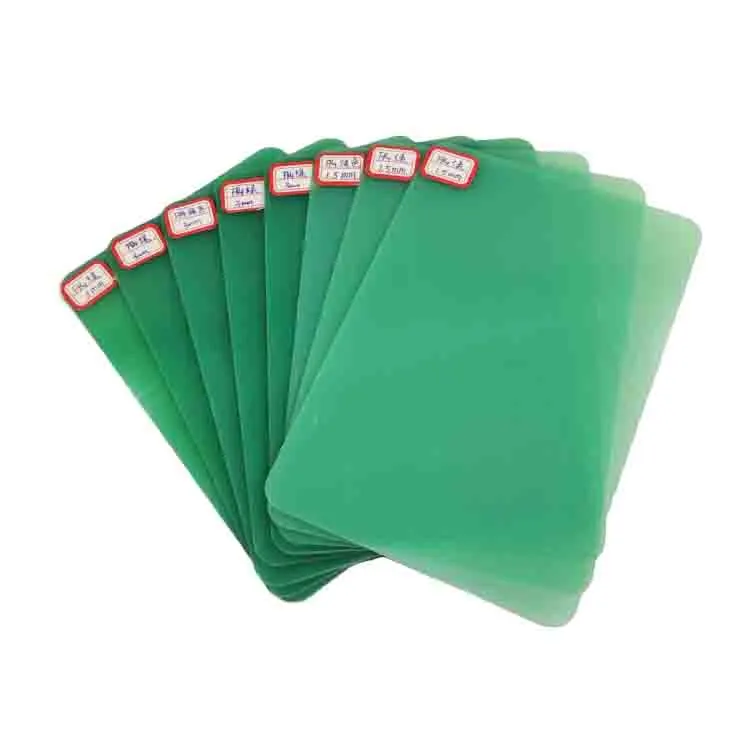
What is G10 Sheet and Why is it Preferred?
When reliability is a must, specs always point to G10 sheet epoxy laminate. This is something I've seen over and over again when working with technical teams.
Composition and Manufacturing Process
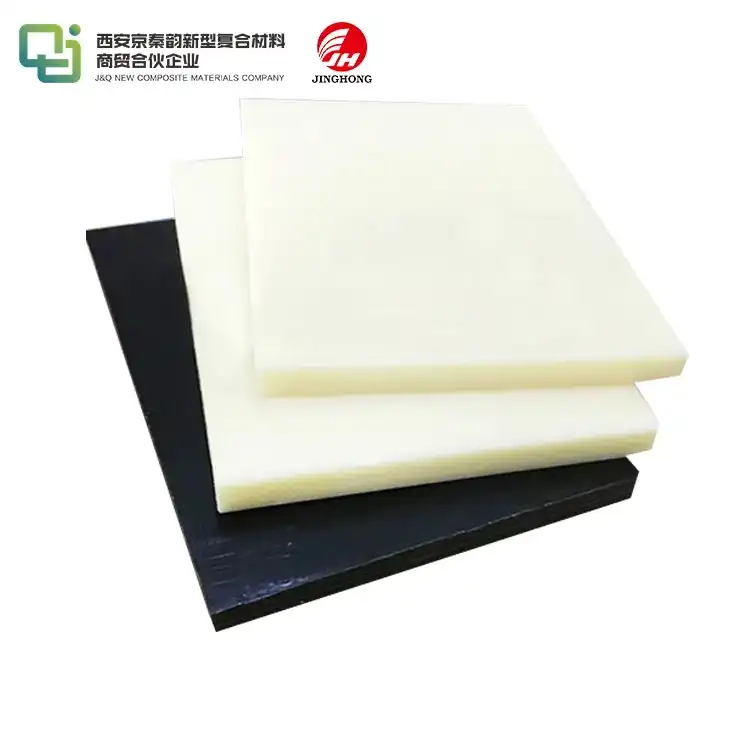
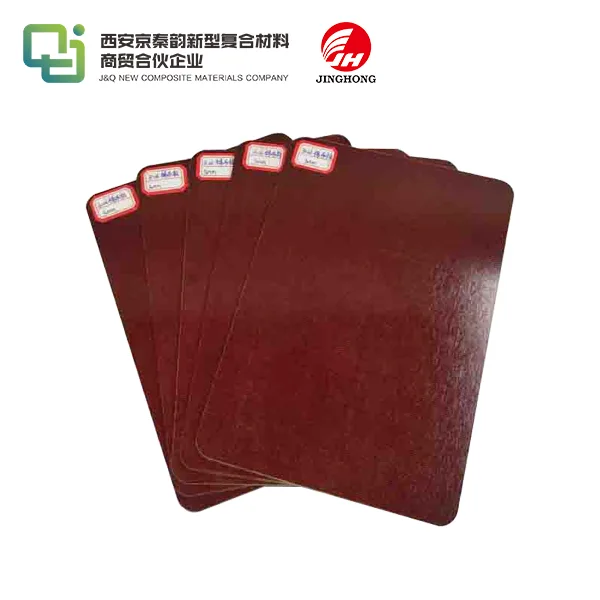
G10 sheet is made of continuous fibre glass cloth that is mixed with epoxy resin glue. It is made using controlled heat and pressure that meet NEMA standards. Epoxy resin is mixed with several layers of woven fibreglass fabric, which are then stacked and pressed together in heavy machinery. During the hardening process, these layers join together to form a single, uniform structure that has great electrical and mechanical properties. Unlike basic thermoplastics or paper-based phenolic laminates, this way of building makes a material that doesn't break down in the environment and stays the same size even when temperatures change.
Distinct Advantages Over Traditional Materials
In tough situations, the difference in performance between G10 sheet and other insulating materials becomes clear. Phenolics in paper soak up water, which makes it grow and lowers its electrical resistance. When temperatures rise, most plastics soften, losing their mechanical strength just when they're needed most for support. Ceramics can handle heat, but they break when they are hit or cool down quickly. G10 sheet gets around these problems by offering electrical protection, industrial strength, and resistance to the environment that other materials can't match. It usually absorbs less than 0.1% water, which keeps its shape and electrical qualities stable no matter what the humidity level is.
Industry Adoption and Trust
Power distribution companies choose G10 sheet for phase barriers and arc guards on equipment because it has a good track record. Epoxy glass laminates are used by transformer makers to insulate the coils because anything else could damage expensive equipment. Engineers in the automotive industry choose G10 sheet for battery pack barriers in electric cars because it is stable at high temperatures and doesn't catch fire. This broad use in tough industries shows that it works well in situations where dependability can't be compromised.
How G10 Sheet Enhances Electrical Equipment Reliability
When you look at how G10 sheet deals with certain types of failure, it's easy to see how material qualities affect how reliable equipment is.
Exceptional Dielectric Performance
G10 sheet has a high dielectric strength—usually more than 20 kV/mm perpendicular to the laminations—so it can effectively separate electrically conducting parts. This trait keeps the voltage from dropping, which could cause catastrophic equipment failure. The material's high surface resistivity and volume resistivity don't change when the humidity does, which is different from hygroscopic materials whose insulating properties weaken when they get wet. In high-voltage switchgear uses, G10 sheet's resistance to arc tracking stops conductive paths from forming across insulating surfaces, which is a typical way that things go wrong that gets worse over time until they completely break down.
Thermal Stability Under Operating Conditions
How materials behave at high temperatures can have a big effect on how well equipment works. At constant temperatures around 130°C, G10 sheet keeps its mechanical strength and dimensional stability. It can also stretch the most beyond this range. The epoxy resin system doesn't break down at high temperatures, which is what weaker materials do when they soften, warp, or carbonise. This temperature performance is very important for motor parts, transformer systems, and power electronics, all of which generate heat. As the equipment goes through its temperature cycles, the protective function of the parts doesn't slowly wear out until they break.
Mechanical Durability and Long-Term Performance
G10 sheet has great tensile strength, flexural strength, and impact protection thanks to its reinforced design. Machine builders like that the material doesn't crack or delaminate when it's subjected to vibration and mechanical stress. In contrast to fragile ceramics that break when hit or thermoplastics that grow when loaded for a long time, G10 sheet keeps its shape and structure. In plain terms, this mechanical robustness means longer component life and fewer upkeep needs. The equipment keeps working reliably without having to repair worn-out insulation parts on a regular basis.
Real-World Performance Validation
We worked with a transformer maker that switched from paper-based insulation to G10 sheet for key barriers and saw a 40% drop in warranty claims. A company that makes equipment found that their product line had a longer average time between failures after they started using glass-reinforced concrete parts. These measured gains show that the right design of insulating materials has a direct effect on equipment reliability measures that are important to plant workers and people who make decisions about procurement.
Selecting the Right G10 Sheet for Your Electrical Projects
To specify insulating materials, you have to match scientific needs with what the seller can do. This is a process I've helped many engineering teams do successfully.
Technical Specification Considerations
When electrical clearances depend on exact spacing, like in PCB support structures, thickness tolerance is very important. Standard G10 sheets usually meet NEMA grade requirements, with small differences of about ±10% for smaller thicknesses. The availability of sheet sizes affects how efficiently products are made. Larger formats cut down on seam joints when making parts, while standard sizes make the best use of materials. Even though colour coding might just seem like a fashion choice, it is actually very useful in assembly work because it keeps parts from getting mixed up. Natural tan G10 sheet is good for most uses, while black grades are better for installations that will be exposed to UV light.
Compliance and Certification Requirements
Materials used to insulate electrical tools must meet international standards. UL certification makes sure that materials meet safety standards for the jobs they're meant for, especially when it comes to being flammable and electrically efficient. IEC standards set guidelines for testing methods and material qualities that are recognised all over the world. RoHS compliance is now necessary for electronics because it limits the use of dangerous materials in manufactured goods. To make sure materials meet regulatory requirements and to avoid expensive redesigns or product recalls, procurement standards should require certified compliance paperwork, not just seller claims.
Supplier Evaluation and Quality Assurance
I've been in production for 20 years and have learned that choosing the right supplier is just as important as choosing the right materials. Reputable producers have strict quality control procedures that include checking the tolerances for thickness, testing the dielectric strength, measuring the amount of water absorbed, and looking for internal delamination. Suppliers with well-established quality control systems provide uniform performance from batch to batch, removing the variability that leads to problems during assembly or failures in the field. Our company keeps detailed records and testing methods, which gives quality-focused buying teams the traceability they need. The ability to make things is also important. Resources like CNC machining, rapid prototyping, and technical support shorten the time it takes to make a new product.
Customization Capabilities
Standard sheet stock can be used for many things, but custom solutions are often needed for electrical designs that are very complicated. With precise CNC cutting, it is possible to make parts with complex shapes and tight limits. Standard gauges don't always work for certain design needs, so custom thickness options are available. Surface treatments, such as sanding, coating, or metalization, make materials more useful for specific tasks. Working with companies that let engineers work together on designs helps make ideas more practical for production while still meeting performance standards.
Future Outlook: Innovations and Trends in G10 Sheet Applications
Materials science keeps getting better, which opens the door to making electrical tools even more stable.
Enhanced Material Formulations
The goal of research into more advanced epoxy resin systems is to raise the temperature ratings while keeping the mechanical properties the same. Formulations that are being changed show better resistance to chemicals and longer life in tough industrial settings. Some experimental types have nanoparticles added to them to improve certain qualities without changing the main benefits of the material. These changes should make it possible for G10 sheet to be used in more demanding environments.
Integration with Smart Technologies
When materials and technology come together, they create some very interesting options. Putting sensors inside buildings that insulate could keep an eye on things like temperature, humidity, or electrical stress in real time, giving repair teams information they can use to predict problems before they happen. Conductive lines printed directly on resin glass surfaces could be used for both power transfer and structural support. These new ideas are still in their early stages, but they show how insulation materials may change from just protecting things to actively taking part in systems.
Emerging Market Drivers
For wind turbine engines, solar inverters, and energy storage systems that are open to harsh weather, renewable energy infrastructure needs reliable insulation. The growth of electric vehicles is driving the need for battery pack shielding that manages heat, protects electronics, and ensures safety in crashes. As industrial automation spreads, the need for precise parts in robotics and control systems grows. Each of these areas of growth needs materials that work well in a range of situations, which is exactly what glass-reinforced epoxy laminates do so well. Purchasing managers who keep an eye on these trends can guess which qualities of materials will become more valuable as industries change.
Conclusion
G10 sheet solves important problems in the dependability of electrical equipment by having a special mix of dielectric strength, heat stability, mechanical longevity, and resistance to the environment. The material's proven performance in demanding applications like high-voltage switchgear and precision electronics shows that engineering teams and procurement professionals who care about lifecycle costs rather than just the initial purchase price should consider it. Companies can get more reliable tools by choosing the right grades, working with suppliers that care about quality, and keeping up to date on new materials. The money spent on high-quality insulating materials always pays off because they require less upkeep, last longer, and make operations safer.
FAQ
What makes G10 sheet suitable for high-voltage applications?
What about G10 sheet makes it good for use in high-voltage situations? Because it has a dielectric strength of over 20 kV/mm perpendicular to laminations, G10 sheet works very well in high-voltage settings. The substance doesn't allow arc tracking, which is when electrical lines slowly form across insulating surfaces and is a main way that high-voltage equipment fails. Because it absorbs almost no water, its electrical properties stay fixed no matter how wet the air is around it. This keeps the insulation resistance from dropping like it does with hygroscopic materials.
How does G10 compare to FR4 for electrical insulation?
Both G10 sheet and FR4 are made of glass fabric and epoxy resin, but they are not as flame-retardant as each other. To get a UL94 V-0 flame grade, FR4 has bromine-based chemicals, but G10 sheet doesn't have these. This makes G10 sheet a little stronger mechanically, but it's not as resistant to being in flames all the time. FR4 is for uses that need certified flame resistance, while G10 sheet is for uses that need the best mechanical performance, and fire safety is managed by other design features.
What maintenance practices extend G10 sheet component life?
G10 sheet parts don't need much maintenance because they are naturally long-lasting. Checking for mechanical damage, cracks, or signs of thermal stress on a regular basis can help find problems before they break. Electrical insulation qualities are kept up by keeping surfaces clean and free of conductive dirt and dust. Resin doesn't break down if it isn't exposed to temperatures above its recommended range. For parts to last as long as possible in tough situations, they need to be installed correctly, with the right amount of fastener torque, enough support to avoid bending stress, and protection from impact.
Partner With J&Q for Premium G10 Sheet Solutions
J&Q is a trusted supplier of G10 sheet to electrical equipment manufacturers all over the world. We have been in business for more than twenty years and have a lot of experience in manufacturing and international trade. Because we've worked with engineering teams and procurement managers as our company has grown, we know the technology challenges they face. We make sure that every sheet we make meets strict NEMA standards and customer requirements by testing it for dielectric strength, water absorption, and mechanical properties and writing down the results. In addition to selling high-quality materials, we also offer CNC machining, custom sizing, and expert advice to help you make your ideas as reliable as possible. Our combined transportation skills allow for faster delivery and better customer service, as we manage the whole supply chain, from production to final delivery. Our team has options that are made to fit the needs of your project, whether you need standard sheet stock for quick development or custom-made parts for production runs. Get in touch with our experts at info@jhd-material.com to talk about your unique needs. We'll give you technical datasheets, samples to look at, and detailed quotes that show how valuable it is to work with an experienced G10 sheet manufacturer who wants your business to succeed. Visit jhd-material.com to see our full selection of insulation materials and learn how our knowledge can improve the performance and dependability of your electrical equipment.
References
1. National Electrical Manufacturers Association. "Industrial Laminating Thermosetting Products Standards Publication NEMA LI 1-1998." National Electrical Manufacturers Association, 1998.
2. Harper, Charles A. "Handbook of Plastics, Elastomers, and Composites." McGraw-Hill Professional, 4th Edition, 2002.
3. Kuffel, E., Zaengl, W.S., and Kuffel, J. "High Voltage Engineering Fundamentals." Newnes, 2nd Edition, 2000.
4. Goosey, Martin T. "Plastics for Electronics." Springer Science & Business Media, 2nd Edition, 1999.
5. Tanaka, Toshikatsu and Imai, Takahiro. "Advances in Nanodielectric Materials Over the Past 50 Years." IEEE Electrical Insulation Magazine, Vol. 29, No. 1, 2013.
6. Bartnikas, R. and Eichhorn, R.M. "Engineering Dielectrics Volume IIA: Electrical Properties of Solid Insulating Materials: Molecular Structure and Electrical Behavior." ASTM International, 1983.