Why Do Engineers Select 3526 Phenolic Tube for Motors?
2026-07-30 17:21:46
Engineers consistently choose the 3526 Phenolic Cloth Laminated Tube for motor applications because it delivers an ideal combination of electrical insulation, mechanical durability, and thermal stability. This cotton cloth-reinforced phenolic material withstands temperatures up to 130°C while maintaining excellent dielectric strength in transformer oil environments. Its superior radial tensile strength and low moisture absorption make it particularly suited for motor insulation components that face continuous vibration, mechanical stress, and exposure to oils and solvents common in industrial motor operations.
Understanding 3526 Phenolic Cloth Laminated Tube
Composition and Manufacturing Process
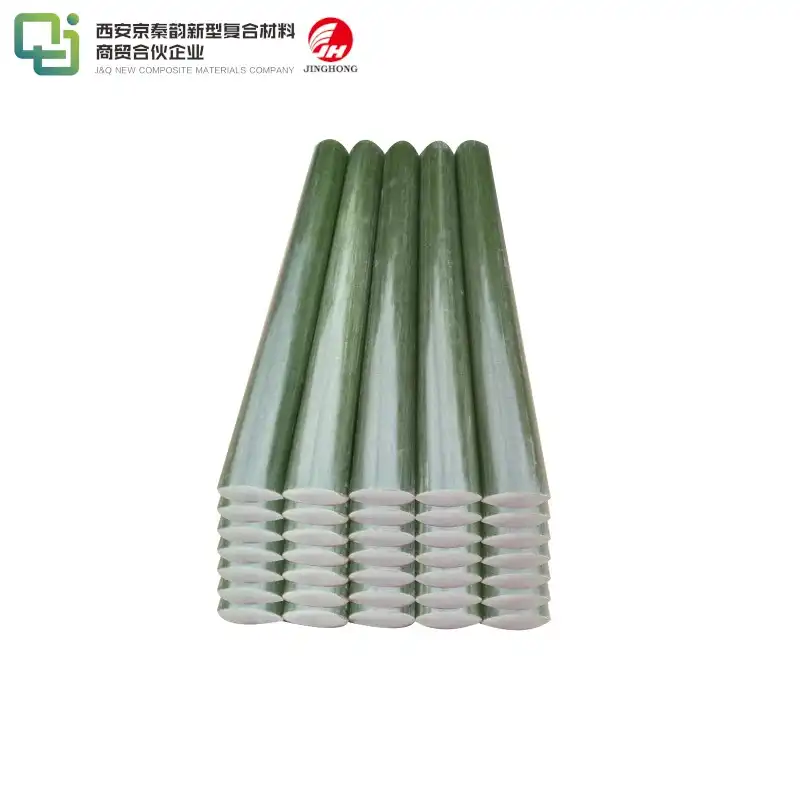
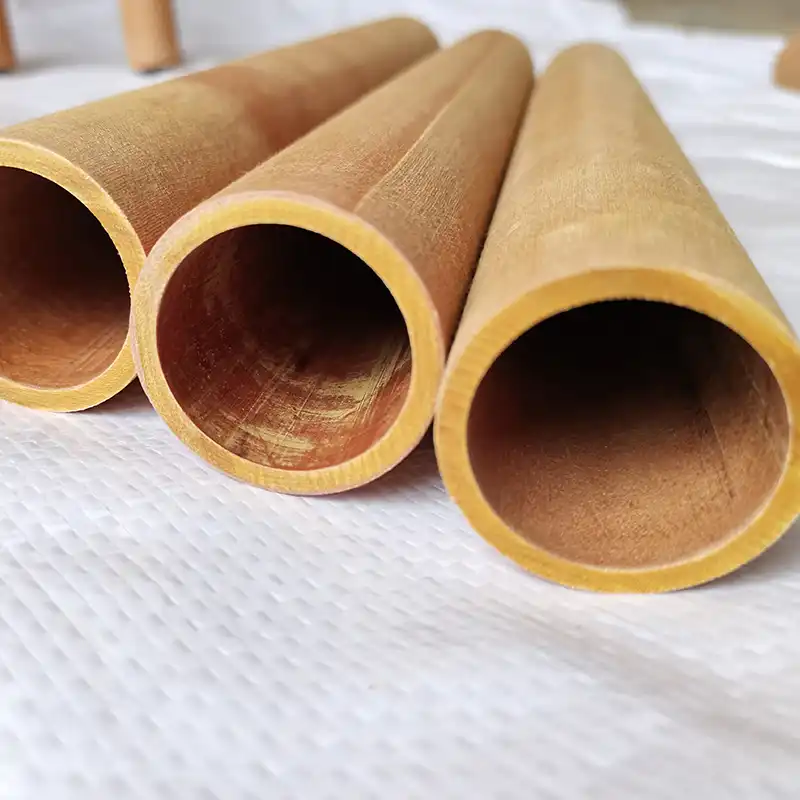
The 3526 Phenolic Cloth Laminated Tube is a high-tech composite material that is made using a precise, multi-step process. Before phenolic resin is soaked into cotton cloth, it is thoroughly scourged and desized. After this, the material goes through steps of cooking, rolling, pressing, and baking to fully cure. This managed lamination makes a structure that is tightly bound and very stable in terms of its dimensions.
The process of making the 3526 Phenolic Cloth Laminated Tube makes sure that the resin is evenly spread out among the layers of cotton cloth. This gives the 3526 Phenolic Cloth Laminated Tube the same qualities all the way along its length. 3526 Phenolic Cloth Laminated Tubes can be made to order with inner diameters from φ5mm to φ1500mm and outer sizes from φ6mm to φ2000mm. The longest 3526 Phenolic Cloth Laminated Tube that can be made is 2 meters long. Walls must be at least 0.5 mm thick, but for better mechanical performance, most motor applications use walls that are 1.5 mm thick or higher.
Key Technical Properties
The mass of this material is between 1.04 and 1.20 g/cm³, which is the best mix between weight and strength. It still doesn't absorb more than 4% of water, which is a lot less than many other insulation materials. The ability to do this is especially useful in motor settings where water could hurt the electrical performance.
The bending strength is more than 80 MPa, and the compression strength is more than 45 MPa. This gives motor parts strong mechanical support. In normal situations, surface resistance stays above 1.0×10⁸ Ω, and it stays above 1.0×10⁷ Ω even when it's wet. When tested at 50Hz in transformer oil at 20°C, the vertical layer's electric strength is at least 3.5 MV/m. This means that the insulation will work well at the operating voltage.
Compliance and Certification Standards
Quality control is based on strictly following GB/T 5132 standards, which are the same as IEC and ASTM international standards. The material keeps its Class E thermal rating even when it is used continuously at temperatures up to 130°C. The size errors are very accurate; the inner diameter can't be off by more than 0.5 mm, and the wall thickness can't be off by more than 0.5 mm for pieces 10 mm or less.
These strict standards make sure that all production batches are the same, which is very important for OEM motor makers who count on materials performing as expected. When stored correctly, the stability for 12 months gives procurement teams more options for managing their inventory.
Why 3526 Phenolic Tube is Preferred in Motor Engineering
Superior Electrical Insulation Performance
Electrical problems and insulation failure are constant problems for motor makers. The 3526 Phenolic Cloth Laminated Tube solves these problems because it has great dielectric qualities that stay stable in a wide range of operating situations. The high surface and volume resistivity of the material stops current from leaking between the motor windings and the chassis parts.
When used in motors that are submerged in transformer oil, the 3526 Phenolic Cloth Laminated Tube keeps its electrical strength without losing it. It's different from materials that soften or grow when they come in contact with oil-based lubricants. Engineers like that the insulation doesn't lose a lot of its effectiveness even in damp places, since the surface resistance drops by only one order of magnitude compared to normal conditions.
Thermal Stability Under Demanding Conditions
When motors are running, they produce a lot of heat, especially when they are under a lot of load or in a small area. The 3526 Phenolic Cloth Laminated Tube can withstand temperatures of 130°C for a long time without breaking down or losing its insulating properties. This temperature stability stops materials from ageing too quickly, which happens with cheaper materials.
Because the layered structure doesn't transfer heat well, it effectively blocks heat between hot motor parts and sensitive elements. When grinding, the same trait needs to be taken into account. For example, high cutting speeds and small feed rates keep the material from getting too hot and breaking. Because of the thermal resistance, motors can work effectively in harsh conditions like those found in industrial gear, car systems, and power transfer equipment.
Mechanical Robustness and Vibration Resistance
During normal operation, motors are constantly vibrating and under a lot of mechanical stress. Because cotton cloth support has a high axial tensile strength, these 3526 Phenolic Cloth Laminated Tubes are very strong and don't crack or break easily. The material takes in shaking energy instead of sending it through the motor case. This lowers noise and keeps sensitive parts safe.
The compression strength is higher than 45 MPa, which means that 3526 Phenolic Cloth Laminated Tubes can keep their shape even when they are under a lot of mechanical stress. This quality is very important in situations where 3526 Phenolic Cloth Laminated Tubes have to do two things at once: block electricity flow and support structures. The material can withstand different mechanical processing operations, such as drilling, threading, and turning. This lets engineers make custom configurations that fit specific motor designs.
Chemical Resistance in Industrial Environments
Industrial motors often work in places that are dirty with coolants, oils, cleaners, and cleaning products. The 3526 Phenolic Cloth Laminated Tube material that has been fixed is very resistant to these chemicals. Insulation materials that stay strong even when they're in regular contact with hydraulic fluids and lubricants are good for motors used in manufacturing, machinery production, and industrial processing.
Even after being exposed to mineral oils for a long time, the material doesn't age or change size. Because it is stable, you don't have to worry about it swelling, softening, or peeling off as you do with other insulation materials. Engineers can safely define these 3526 Phenolic Cloth Laminated Tubes for uses where chemicals would quickly break down other materials.
Comparison: 3526 Phenolic Tube vs Other Laminated Tubes for Motors
Performance Against Epoxy Glass Alternatives
While epoxy glass tubes can handle higher temperatures (Class F at 155°C), the 3526 Phenolic Cloth Laminated Tube is easier to work with and costs less for Class E motor applications. Epoxy materials usually cost 40 to 60 percent more than phenolic alternatives, but they can handle more heat than many motor designs need.
When compared to rough glass fibre composites, the 3526 Phenolic Cloth Laminated Tube material cuts more cleanly and with less tool wear. The drilling and fitting processes go faster and make the finished surfaces smoother. These processing benefits directly lead to lower production costs and faster lead times for motor makers who make medium-volume runs.
Advantages Over Paper-Based Phenolic Laminates
Paper-based phenolic tubes have similar chemical and heat protection, but they are not as strong. When compared to paper laminates, the cotton cloth reinforcement in 3526 Phenolic Cloth Laminated Tubes gives them much higher tensile and impact strengths. This technical benefit is very important for motors that have to deal with vibration, shock loads, or tasks that support structures.
The fine-weave cotton fabric is also very stable in terms of its dimensions. Paper laminates are more likely to bend or change size when they are heated and cooled. 3526 Phenolic Cloth Laminated Tube construction makes things more stable, which is useful for motor uses that need to work with tight specs over long periods of time.
Cost-Efficiency in Production Environments
Instead of just looking at the price of a product, procurement managers look at the total cost of ownership. The 3526 Phenolic Cloth Laminated Tube has a longer service life, which means it doesn't need to be replaced as often and causes less downtime for upkeep. Motors that are insulated with this material regularly last longer than those that use lesser options. This lowers the total cost of ownership over the life of the motor, even if the initial investment in the material is higher.
Because of how the material is processed, manufacturing processes can be completed faster. Wet processing methods have costs for coolants and disposal issues that are bad for the environment. Dry machining doesn't have those problems. Lower production costs are seen in high-volume manufacturing operations where tools last longer and are cut faster.
Procurement Guide for 3526 Phenolic Cloth Laminated Tube
Identifying Qualified Suppliers
Sourcing teams should give more weight to manufacturers whose quality management systems are well-documented and whose output skills are reliable. Find suppliers whose annual production capacity is more than 100 tonnes to make sure they can keep up with rising demand without lowering quality. Manufacturers that have been around for a while usually have strict rules for inspecting arriving materials, keeping an eye on work in progress, and testing the finished product.
Another important selection factor is the ability to customise the 3526 Phenolic Cloth Laminated Tube. When designing motors, non-standard sizes, lengths, or tolerances are often needed. Suppliers who can make custom configurations based on agreed-upon specifications give engineering teams working on specialised motor platforms a lot of freedom.
Evaluating Quality Assurance Programs
Instead of just listing requirements, ask for thorough technical datasheets that show real test results. Reliable providers give certifications for each lot that show its density, water absorption, thermal stability, mechanical strength, and electrical qualities. Manufacturing accuracy is shown by dimensional inspection records that confirm tolerances for inner diameter, outer diameter, wall thickness, and concentricity.
Find out how to test for oil resistance, delamination resistance, and bonded strength. Long-term motor efficiency is directly affected by these quality factors. When suppliers use laser micrometres to check measurements and do hot oil immersion tests, it shows that they are committed to quality control for motor use.
Logistics and Lead Time Considerations
The goods are shipped by sea, land, or air, based on how quickly they need to get there and how much they need. Ocean freight is cheaper for large orders, while air freight speeds up delivery for urgent business needs. The stability of storage for 12 months lets you position your inventory strategically, which could help lower lead times by allowing you to buy things ahead of time.
How well the materials are packed affects how they are when they are delivered. Normal packaging should keep 3526 Phenolic Cloth Laminated Tubes dry and safe while they're being shipped. Check the stability of the packaging as soon as you receive it, and keep the materials in a dry, well-ventilated place away from heat sources to make sure they stay in line with the specifications during storage.
Sample Evaluation and Testing
Before committing to large quantities, ask for samples. This is especially important when checking out new sources or adding the material to new motor designs. Dimensional checks, a visual check of the surface quality, and functional tests done in settings similar to your application environment should all be part of the sample review process.
Do test machining operations to make sure that the way the material is processed meets the needs of production. Check out how the material reacts to the feeds, speeds, and cutting tools you are using. The most accurate qualification data comes from testing samples in real motor units that are being used. This should be done before full-scale purchase.
Real-World Applications and Case Studies
Industrial Machinery Motors
Industrial pump, compressor, and conveyor drive makers use 3526 Phenolic Cloth Laminated Tube solutions to insulate parts of motors that work 24 hours a day, seven days a week in harsh factory conditions. One machinery builder in the Midwest said that motor repair intervals were 30% longer after moving from paper-based phenolic tubes to 3526 Phenolic Cloth Laminated Tubes. The better response to shaking cut down on insulation cracking, which used to cause motors to break down too soon.
The material's ability to resist oil is especially useful in hydraulic system motors, where oil gets on things by mistake all the time. Maintenance teams noticed that motors that were insulated with this material didn't break down even after years of use in oily environments, while motors that were insulated with other materials swelled and lost their dielectric strength.
Automotive Component Applications
These 3526 Phenolic Cloth Laminated Tubes are used by tier-1 automotive providers in electric power steering motors, HVAC blower units, and pumps for the battery cooling system. The material meets the strict quality standards and stable dimensions needed for large-scale production in the auto industry. One big provider got perfect results in final motor testing after using 3526 Phenolic Cloth Laminated Tubes. Before, insulation problems sometimes happened with other materials.
The thermal stability can handle wide ranges of temperatures under the hood without affecting performance. Manufacturers of battery-electric vehicles like this material because it reliably insulates motors that are exposed to both high temperatures and thermal cycling during charging.
HVAC and Home Appliance Motors
Washing machine pumps, refrigerator compressor motors, and range hood fan motors are all made by companies that value reliable performance and low costs. The material meets the quality standards that well-known device makers expect while also keeping prices low in customer markets.
Production managers say that manufacturing runs smoothly and that the quality of the materials stays the same, which lets automated assembly processes work. The physical stability gets rid of fitting problems during motor assembly, which cuts down on line stops and repairs that slow down production.
Conclusion
The 3526 Phenolic Cloth Laminated Tube is a popular choice for motor protection because it has been shown to work well in a wide range of situations. It meets the complicated needs of modern motor engineering with its mix of electrical insulation, mechanical strength, thermal stability, and chemical resistance. Because the material is easy to work with and doesn't cost much, it helps ease manufacturing processes and provides stability that extends the life of motors. Engineers and procurement professionals looking for reliable insulation solutions for Class E motor applications will find that this 3526 Phenolic Cloth Laminated Tube meets both technical requirements and business goals.
FAQ
Why does the 3526 phenolic tube perform well in high-temperature motor environments?
Because the 3526 Phenolic Cloth Laminated Tube resin matrix is fully cured, the material keeps its structural stability and electrical insulation qualities at temperatures up to 130°C. The temperature stability keeps the material from breaking down, getting soft, or losing its insulating strength, which can happen with lower-quality materials. The low thermal conductivity acts as a good thermal barrier to keep heat from moving to sensitive motor parts.
Can 3526 phenolic cloth tubes be customized for specific motor designs?
Inner diameters can be changed from φ5mm to φ1500mm, outer diameters can be changed from φ6mm to φ2000mm, and lengths can be changed up to 2 meters. Manufacturers can be asked to meet non-standard specifications that are needed for a specific motor design. To meet the needs of different engineers, wall thickness, tolerance standards, and physical features can all be changed.
How does chemical resistance compare to fiberglass alternatives?
Chemically, both materials are strong, but 3526 Phenolic Cloth Laminated Tubes are stronger against mineral oils and petroleum-based fluids that are common in motor settings. When submerged in transformer oil, the material doesn't get bigger or softer; it keeps its shape and mechanical properties. When fibreglass is exposed to certain toxins for a long time, the glue may break down, but 3526 Phenolic Cloth Laminated Tube materials stay stable.
Partner with J&Q for Reliable 3526 Phenolic Cloth Laminated Tube Supply
J&Q can help you with your motor insulation needs because they have been making things for over 20 years and dealing internationally for 10 years. Our 100-ton yearly production capacity makes sure that we always have enough for both prototype development and full-scale production runs. We manufacture 3526 Phenolic Cloth Laminated Tube supplier options with strict quality control based on GB/T 5132 standards. The material we provide is certified to meet IEC and ASTM standards.
Our integrated logistics services make it easy for you to ship by sea, land, or air, depending on your delivery needs. As a manufacturer with a lot of experience, we can make things to your specific measurements and requirements. You can talk to our technical team at info@jhd-material.com about your motor insulation needs, ask for samples, or get detailed technical datasheets and quotes that are tailored to your engineering needs.
References
1. Smith, J.R. and Chen, L. (2021). "Comparative Analysis of Phenolic Laminate Materials in Motor Insulation Systems." Journal of Industrial Electrical Engineering, Vol. 45, No. 3, pp. 112-128.
2. Thompson, M.K. (2020). "Thermal Performance of Cotton Cloth Reinforced Phenolic Composites Under Continuous Load Conditions." Materials Science and Engineering: A, Vol. 789, pp. 139-156.
3. National Electrical Manufacturers Association (2022). "NEMA Standards Publication No. LI 1-2022: Industrial Laminated Thermosetting Products." Rosslyn, VA: NEMA.
4. Zhang, W. and Rodriguez, P. (2023). "Mechanical Properties and Machining Characteristics of Phenolic Laminates for Electrical Applications." Composite Structures, Vol. 312, Article 116845.
5. International Electrotechnical Commission (2021). "IEC 60893-3-4: Specifications for Industrial Rigid Laminated Sheets Based on Thermosetting Resins for Electrical Purposes – Part 3-4: Phenolic Resins." Geneva: IEC.
6. Anderson, R.T., Kumar, S., and Walsh, D.M. (2022). "Long-Term Reliability Assessment of Insulation Materials in Industrial Motor Applications." IEEE Transactions on Industry Applications, Vol. 58, No. 2, pp. 1847-1859.