What Factors Affect G10 Sheet Performance in Voltage Systems?
2026-07-29 17:20:50
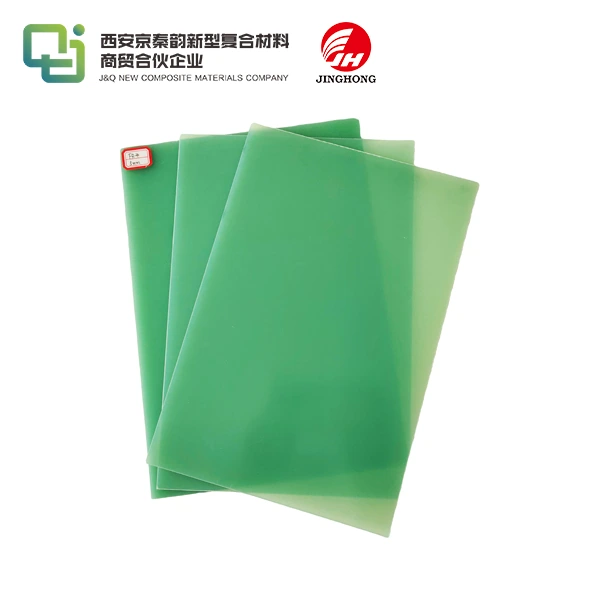
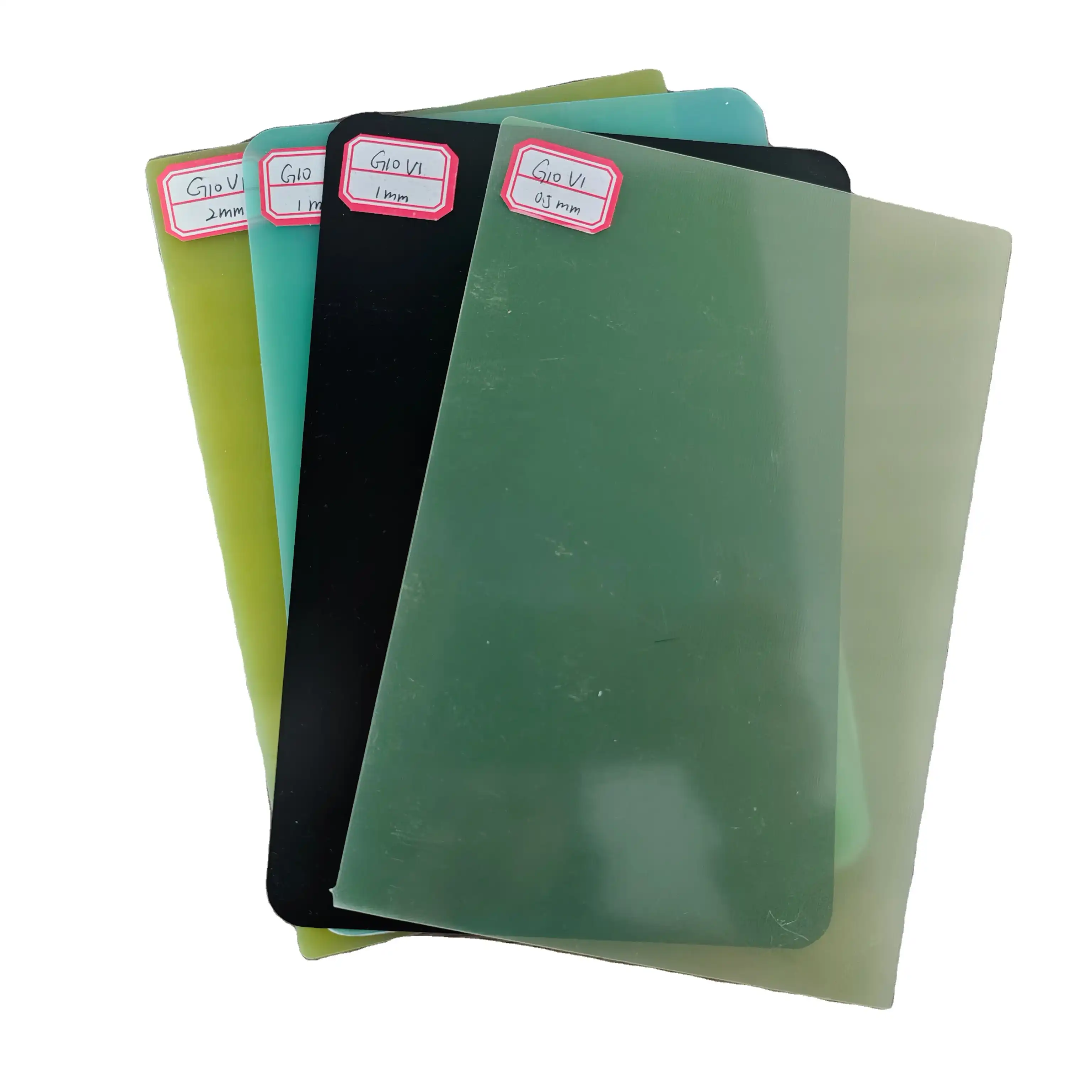
G10 sheet performance in voltage systems depends on multiple interconnected factors, including material composition, environmental conditions, electrical stress levels, manufacturing quality, and application-specific requirements. As a high-pressure thermosetting laminate composed of continuous filament glass cloth impregnated with epoxy resin, this material's dielectric strength, thermal stability, and mechanical integrity directly determine its reliability in electrical insulation applications. Understanding these performance drivers enables procurement teams to specify appropriate grades and thicknesses while ensuring long-term system safety and operational efficiency.
Understanding the Key Properties of G10 Sheets
The performance of G10 sheets in voltage systems is affected by a number of interconnected factors, such as the type of material used, the environment, the amount of electrical stress, the quality of the production process, and the needs of the specific application. This material is a high-pressure thermosetting laminate made of continuous filament glass cloth that has been impregnated with epoxy resin. Its dielectric strength, thermal stability, and mechanical integrity directly affect how well it works as electrical insulation. By understanding these performance drivers, procurement teams can choose the right grades and thicknesses for long-term safety and operational efficiency.
Chemical Composition and Material Structure
The success of an epoxy laminate depends on how well its structure was designed. Controlled resin soaking of layers of glass cloth happens before heat and pressure turn them into a homogeneous compound. This process cross-links molecules, which sets the basic electrical and mechanical properties of the material. The fiber-to-resin ratio has a big effect on both the dielectric qualities and the structural stiffness. This is why it is very important that the makeup stays the same from one production batch to the next.
Dielectric Strength and Electrical Insulation
The dielectric strength of a material tells you how well it can handle voltage stress without breaking. The perpendicular dielectric strength of good epoxy glass laminates is usually higher than 20 kV/mm, but the real performance depends on the thickness and the measuring conditions. The very low water absorption rate—often below 0.1%—keeps the volume resistivity—the material's resistance to current flow through its bulk—stable even in damp places. This ability to fight water makes glass-reinforced epoxy different from paper-based phenolic laminates, which can lose a lot of their performance when they come into contact with dampness or humidity in the air.
Thermal Stability Under Load
The operating temperature has a direct effect on how long materials last and how well electricity systems work. Standard grades keep their structural integrity and insulating properties at temperatures that stay around 130°C for a long time. However, short-term trips to higher temperatures may be okay depending on the length of time and the mechanical load. The epoxy matrix's glass transition temperature tells us when the resin starts to soften, which could make it less stable in its shape. To keep stress from building up and delaminating during thermal cycling, the thermal expansion coefficients of the materials next to each other in an assembly must line up.
Mechanical Durability in Electrical Applications
Tensile strength is usually between 310 and 380 MPa, and bending strength is usually more than 415 MPa. This gives switchgear and transformer units strong structural support. In contrast to thermoplastics, which lose a lot of strength as temperatures rise, this mechanical performance stays the same across a wide temperature range. The material can withstand impact and vibration without breaking, keeping barriers between charged parts even when mechanical shocks happen, which is common in industrial settings.
Environmental Factors Impacting G10 Sheet Performance
Temperature Extremes and Thermal Cycling
Long-term contact above recommended temperatures speeds up the breakdown of resin through carbonisation, which lowers both its mechanical strength and dielectric qualities. Thermal cycling causes cycles of expansion and contraction that can cause microcracks at the points where the resin and fibre meet, especially when there are big differences in temperature. The low thermal expansion rate and resistance to embrittlement of the material make it useful for cryogenic uses. However, for very cold conditions, special grades may be needed. In challenging situations, extending service life through airflow, heat sinking, or active cooling is a good way to control temperature.
Moisture and Humidity Effects
Even though the laminate is very good at keeping moisture out, surface condensation can let electricity flow across the surface, making conductive paths that weaken the insulation. Hydroscopic contaminants that are left on surfaces may soak up water from the air, making this risk even greater. In places with a lot of humidity, sealed enclosures with desiccants or conformal coatings keep moisture out. The material doesn't absorb much water, so it can be used in submarines and other underwater settings. It keeps its shape and electrical qualities even when submerged for long periods of time.
Chemical Exposure and Contamination
When the epoxy matrix is fully hardened, it is very resistant to most oils, weak acids, and alkalis. This makes it good for use in industrial settings where chemicals are present. Over time, some strong oxidising agents or harsh acids can break down the structure of the resin, making it less strong and possibly opening the door for electrical failure. Electrical systems need to be cleaned regularly to stop tracking and surface discharge caused by dust, metal particles, or conductive leftovers. When choosing materials, you should think about the chemicals that will be present during their service life.
Mechanical Stress and Vibration
Cycling loads are caused by constant vibration, which can cause failure due to fatigue at mounting points or stress concentrations. When mechanical design is done right, loads are spread out evenly, and there is enough support to keep flexural fatigue from happening. If the material grade isn't strong enough against impacts, shock loading from switching activities or hits from the outside may cause delamination. It is important to follow the pressure specs for the fasteners so that the laminate doesn't get crushed and the mechanical links stay strong.
Electrical Factors Affecting Performance
Electrical working conditions put stress on insulation that directly tests its durability. To choose the right material grades, you need to carefully look at the system's power levels, frequencies, and sudden events.
Voltage Intensity and Breakdown Risk
Higher voltage gradients make dielectric breakdown more likely, especially at surfaces that are damaged, empty, or contaminated. It's important that the thickness of the G10 sheet gives you enough of a safety margin above the ideal breakdown voltage to account for differences in production and effects of age. In high-voltage situations, multi-layer constructions spread electric fields more evenly, which lowers stress concentrations in certain areas. The right choice of material strikes a mix between dielectric performance, engineering needs, and cost concerns.
AC versus DC Operation
When compared to direct current operation, alternating current systems create cyclic electrical stress that can speed up some failure mechanisms. Changes in frequency have an effect on dielectric losses. Higher frequencies usually cause more energy to be lost in the insulation. Measurements of power factor and loss factor show how well the material works in AC circumstances. Different direct current systems may age in different ways, especially when it comes to how space charges build up at interfaces within the laminate structure.
Transient Overvoltages and Surge Events
Voltage spikes are caused by lightning strikes, switching surges, and fault conditions. They are much higher than normal operating levels. Insulation coordination principles say that materials must be able to handle these short-term events without breaking down or getting worse over time. Surge protectors limit the size of the power, but insulation must provide extra safety in case the surge protectors don't work or act slowly. Protocols for testing mimic these situations to make sure that materials work as expected in the worst-case scenarios.
Surface Tracking and Partial Discharge
When surface contamination and voltage stress come together, tracking can happen, which means that conductive carbonised paths are slowly formed across the insulator surface. Comparative tracking index (CTI) testing measures how resistant a material is to this effect; higher values mean better performance. There is partial discharge activity where there are gaps, sharp edges, or surfaces where the electric field intensity is higher than the local breakdown strength. These localised releases wear away at the insulation over time, causing it to fail completely. Corona suppression through the right edge radiusing and surface treatments makes high-voltage parts last longer.
Quality and Manufacturing Factors
The main things that determine whether finished laminates meet theoretical performance specifications are the manufacturing processes and quality control protocols. When making purchases, choices should look at more than just the material certifications of a seller.
Raw Material Selection and Consistency
Specifications for glass cloth, such as the weave pattern, fibre diameter, and fabric weight, affect both its mechanical and electrical properties. The way an epoxy glue is made affects its thermal properties, chemical protection, and how it reacts to being processed. Consistency in raw materials from batch to batch ensures consistent performance across production runs. Traceability systems connect finished goods to specific resin lots and fabric rolls. This lets you figure out what went wrong if something goes wrong in the field.
Layup Process and Curing Control
The layup process decides how the fibres are aligned, how the glue is spread out, and how well the layers join together in a G10 sheet. If the resin doesn't go deep enough, it leaves holes that weaken the dielectric strength and the mechanical integrity. Too much resin lowers the performance of the structure and raises the cost of the material without giving any benefits. To get full polymerisation and the best crosslink density, the curing temperature and pressure curves must be exactly as described. During production, process tracking equipment makes sure that parameters stay within accepted ranges.
Standards Compliance and Testing Protocols
International standards, such as those from NEMA, IEC, and ASTM, spell out the properties of materials and how they should be tested. UL approval shows that an electrical product meets the safety standards in North American markets. Concerns about health and the environment caused by dangerous substances are taken into account in ROHS compliance. Third-party testing laboratories independently confirm the properties that are being sold, which gives buyers more confidence. Full test data should be kept by manufacturers and made available during expert reviews.
Supplier Evaluation and Customization Capabilities
When evaluating a supplier, you should look at more than just their certifications. You should also look at their manufacturing skills, quality management systems, and technical support resources. Lead times and production ability affect project schedules and how to handle inventory. Options for customisation, such as non-standard widths, specialised resin formulas, or precision machining services, increase value by making purchasing easier and cutting down on the number of steps needed for handling. Long-term relationships with suppliers offer stability and allow for the development of application-specific solutions together.
Application-Specific Considerations for Procurement
The right choice of materials balances performance needs with cost concerns, making sure that technical specs and operational needs are met. Which traits should be evaluated first depends on the application setting.
Matching Material Grade to System Voltage
For control circuits with less than 600V of power, thinner materials may be used that focus on mechanical support rather than high dielectric strength. Medium-voltage distribution equipment that works at several thousand volts needs thicker sections that have been tested to make sure they work well under long-term voltage stress. High-voltage substation parts need premium grades that have better tracking resistance and a history of being reliable. When figuring out safety factors, they should take into account short-term overvoltages, the effects of ageing, and external stresses that make insulation less effective over time.
Balancing Initial Cost with Lifecycle Value
Premium types cost more at first, but they may be cheaper in the long run because they last longer and break down less often. Replacement costs are affected by how easy it is to maintain; parts that are in hard-to-reach places should be made of higher-reliability materials. Failure effects, such as costs for downtime, safety risks, and damage to other equipment, should be used to guide economic analysis beyond just comparing the prices of materials. Long-term supply deals and volume promises may allow you to get better prices and make sure you have enough materials.
Regulatory Compliance and Sustainability
Changing rules about what materials are made of, how they can be recycled, and how they affect the earth have a bigger effect on procurement requirements. Following ROHS rules means getting rid of some flame retardants and heavy metals, which changes how materials are made. In high-voltage systems where heating means wasted power, energy-efficiency programs look closely at dielectric losses. Environmental management systems and carbon impact data from suppliers help companies meet their green goals while still meeting technical performance standards.
These things to think about show how hard it is to choose the right insulation materials. Professionals in procurement can effectively navigate these factors by using their technical knowledge and understanding of the operational context to choose solutions that improve system performance while staying within budget limits.
Conclusion
The way epoxy glass laminates like G10 sheet work in voltage systems depends on the properties of the material, stressors in the environment, the electrical conditions, the quality of the manufacturing process, and the needs of the application. Dielectric strength, thermal stability, and mechanical integrity are the building blocks. Chemical compatibility and resistance to moisture and chemicals make the functionality even greater. Electrical factors like voltage strength, frequency features, and transient events directly affect how well insulation works. The level of performance that materials reach in real life depends on how precisely they are manufactured and how well they are checked for quality. By weighing these factors against economic concerns and government rules, application-specific analysis lets you find the best options for a wide range of industrial power systems.
FAQ
How does thickness affect electrical performance?
In relation to the increase in insulation distance, thicker parts can handle higher voltages. The breakdown voltage goes up almost directly with thickness, but the exact relationship depends on how uniform the material is and how the electric field is spread out. As thickness goes up, mechanical rigidity goes up, which could make the structure more stable under thermal stress. Because of cost and weight, thickness may not be possible in uses with limited room, so other protection methods are needed.
Can epoxy laminates withstand outdoor exposure?
UV light slowly breaks down the visible resin surfaces, changing their colour and possibly exposing the fibres by wearing away at the matrix. For outdoor use, materials need to be protected from direct sunshine with paints, coatings, or barriers. Rain and changes in temperature put materials to the test of their stability, but quality grades can handle these conditions well if they are properly covered. Indoor installations don't have to worry about UV light, but they might have problems with humidity, depending on how the environment is controlled.
What distinguishes premium grades from standard materials?
Premium formulas might have special resins that make them better at withstanding heat, stopping tracking, or having better mechanical properties. Tighter manufacturing errors lower differences in performance between sheets, which is very important for uses that need to be precise. Better testing methods make sure that everything is consistent and find bugs that might not be caught by normal quality control methods. These improvements make the higher prices worth it in demanding situations where dependability is more important than cost.
Partner with J&Q for Reliable G10 Sheet Solutions
Choosing the right G10 sheet provider has a direct effect on how well the system works and how successful the project is. J&Q has been making things for more than twenty years and trading with other countries for more than ten years. This makes us your reliable partner for high-quality epoxy glass laminates. Working with many trading companies in the United States and other countries shows that we consistently provide excellent quality and service. When we combine our dedicated logistics operations, we can provide a seamless one-stop service from specification to delivery. This gets rid of the coordination problems that come up when you buy from more than one vendor.
Our technical team works closely with engineering managers and purchasing specialists to make sure that the material specs match the needs of the voltage system perfectly. This is the case whether you need materials for precision-machined parts, switchgear kits, or transformer insulation. Each sheet is checked carefully to make sure it fits foreign standards, such as UL and ROHS compliance, and is backed up by a lot of testing data. If you need a reliable G10 sheet manufacturer who knows how important electrical insulation is, contact our team at info@jhd-material.com or visit jhd-material.com to talk about your specific application needs and find out how our customisation options can help your next project go more smoothly.
References
1. National Electrical Manufacturers Association. (2019). Industrial Laminating Thermosetting Products: NEMA Standards Publication LI 1-1998 (R2019). Rosslyn: NEMA.
2. Kreuger, F.H. (2017). Industrial High Voltage: Electric Fields, Dielectrics, Constructions. Amsterdam: Delft University Press.
3. Bartnikas, R., & Eichhorn, R.M. (2020). Engineering Dielectrics Volume IIA: Electrical Properties of Solid Insulating Materials – Molecular Structure and Electrical Behavior. West Conshohocken: ASTM International.
4. Stone, G.C., Culbert, I., Boulter, E.A., & Dhirani, H. (2014). Electrical Insulation for Rotating Machines: Design, Evaluation, Aging, Testing, and Repair (2nd ed.). Hoboken: Wiley-IEEE Press.
5. Fothergill, J.C., & Dissado, L.A. (2018). Space Charge in Solid Dielectrics. London: The Dielectrics Society.
6. Campbell, F.C. (2010). Structural Composite Materials. Materials Park: ASM International.