How to Select FR4 Board Thickness for Industrial Applications?
2026-07-29 17:20:39
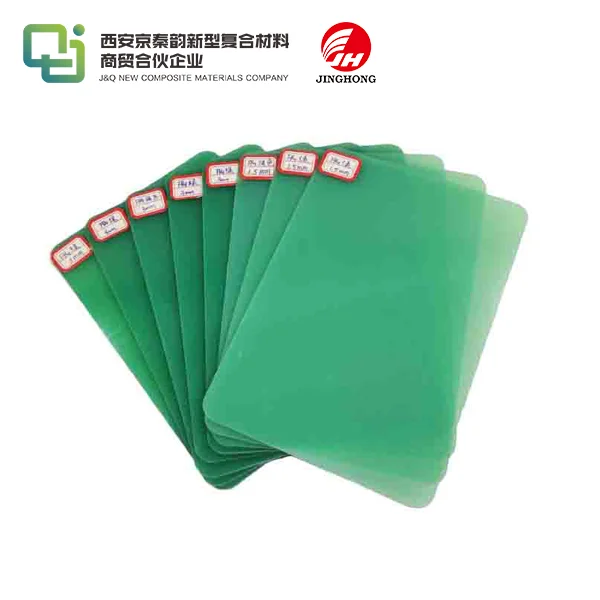
Selecting the right FR4 board thickness hinges on understanding your application's electrical, mechanical, and thermal demands. Thicker laminates deliver superior dielectric strength and structural rigidity, which benefits high-voltage switchgear and heavy-duty motor components. Conversely, thinner profiles reduce weight and footprint, making them ideal for compact PCB assemblies in consumer electronics. Balancing these requirements against cost, machinability, and regulatory compliance ensures reliable performance across electrical, industrial machinery, power distribution, automotive, and appliance manufacturing sectors.
Understanding FR4 Board and Its Key Properties
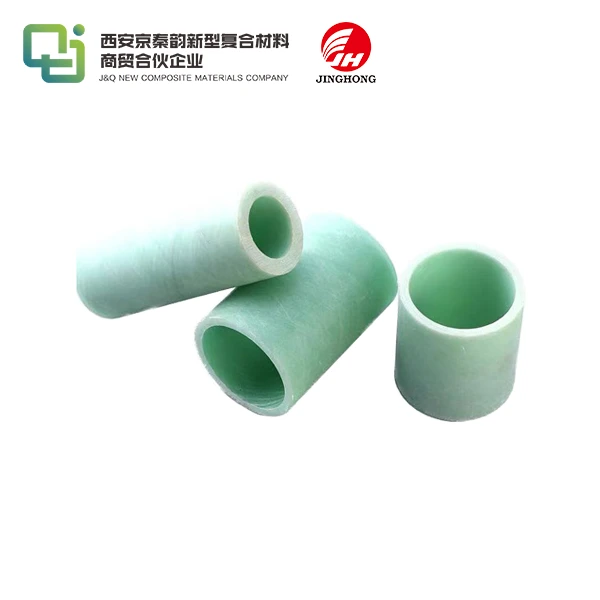
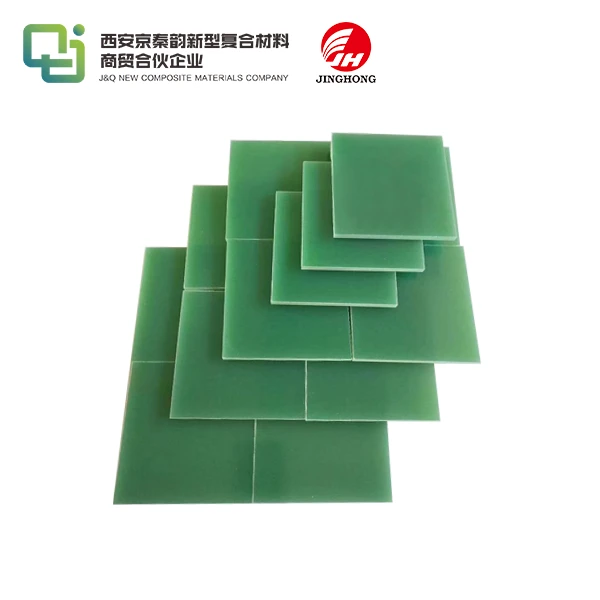
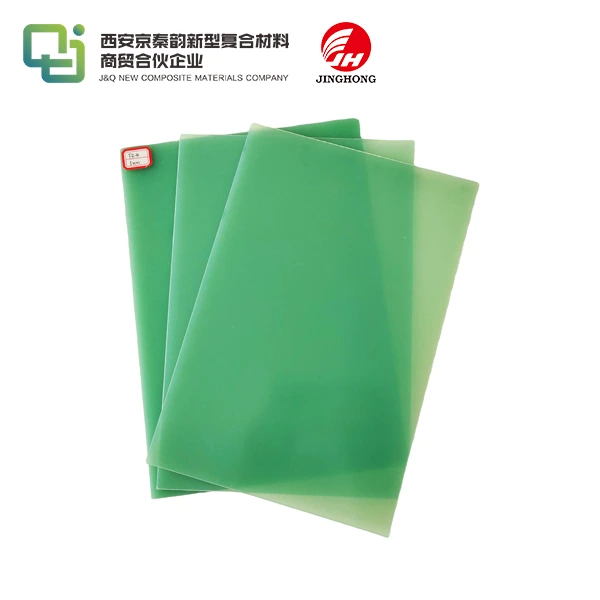
FR4 board is a high-end epoxy material strengthened with glass that has become the standard in the industry for protecting against electricity and supporting structures. In this case, "FR" stands for "Flame Retardant," which means that it meets the UL94 V-0 standard and puts out on its own ten seconds after being taken away from a fire. This important safety feature keeps things like power distribution panels, motor housings, and battery cases safe from fire, since arcing or short circuits can happen at any time.
Composition and Core Characteristics
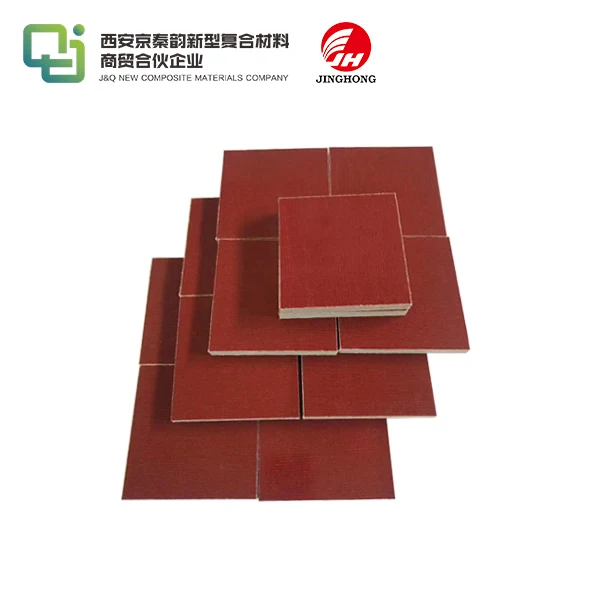
FR4 board is made of continuous fibre glass cloth that is mixed with an epoxy resin glue. It is then heated and pressed under high pressure to harden it. The density is between 1.85 and 2.10 g/cm³, which means it is very strong for its weight. Its tensile strength is more than 340 MPa along its length, thanks to the fibreglass support. The epoxy matrix helps it absorb almost no water (less than 0.1 percent). The sizes stay the same even in damp places because of these features. This is better than paper-phenolic choices that break down when they get wet.
Mechanical Strength and Temperature Resistance
The temperature at which the FR4 board turns into glass (Tg) is between 130°C and 140°C. This means that the stuff gets softer above this temperature. Versions with a high Tg that stay stiff at temperatures of 170°C or higher are useful for industrial uses that are subject to high temperatures all the time. Mechanical engineers put these thermal qualities at the top of their list when picking materials for gears, wear-resistant gaps, and structural insulation panels. This is to make sure that the materials don't warp during the thermal cycle. The stuff is strong enough to take about 250 J/m of impact, and it can also handle the mechanical shocks that happen a lot in car and business parts.
Dielectric Strength and Flammability Ratings
Most of the time, the dielectric breakdown voltage is greater than 40 to 50 kV when the layers are parallel to each other. In other words, an FR4 board can be used to separate high-voltage areas in transformer coil barriers and switchgear supports. The dielectric constant is between 4.4 and 4.8 at 1 MHz, which changes how well signals work in layered PCBs. These rules help electrical engineers make sure that the dielectric doesn't fail when they set the insulation thickness for motor parts and arc chutes. Buying teams can be sure of quality standards that can be checked if they follow the rules set by NEMA FR-4, MIL-I-24768/27, and EN 60893. In projects that are very important for safety, this lowers the risk of being sued.
Variants and Thickness Ranges
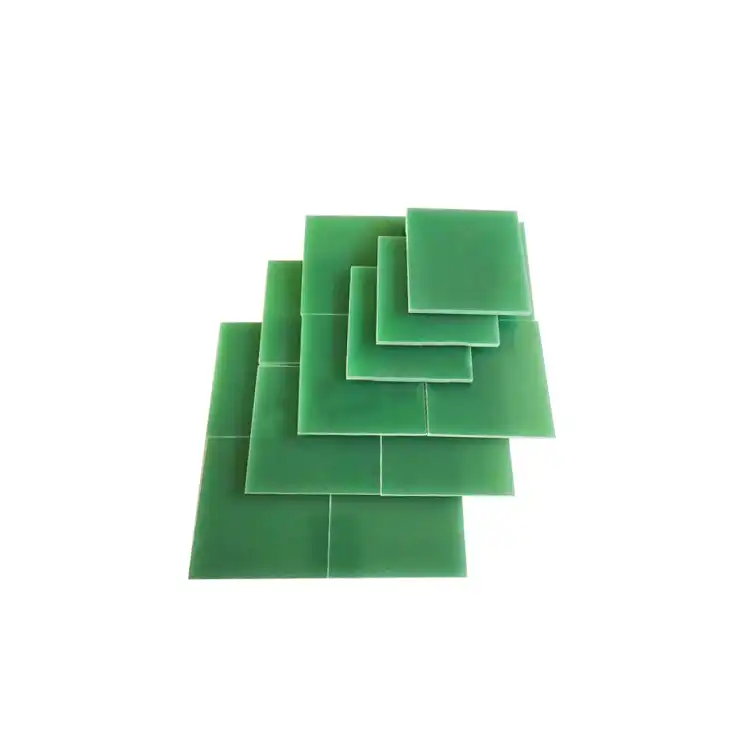
Even though FR4 board is the most common type of commercial insulation, it's still good to know about the other grades. G10 is another glass-epoxy material that is mechanically similar. The lack of bromine, on the other hand, means it doesn't catch fire, so it can't be used in places where fire safety is important. When it comes to high temperatures, FR5 is better, but CEM3 saves money by combining glass cloth and cellulose paper together. PCB surfaces can be as thin as 0.4 mm, and heavy structure parts can be as thick as 100 mm. This makes it possible for engineers to perfectly match laminate forms to needs for insulation and load-bearing.
The Importance of Thickness in Industrial Applications
Thickness directly affects three important performance factors: how well it blocks electricity, supports weight, and gets rid of heat. Often, different people have different needs that procurement managers have to deal with. For instance, thicker boards are needed for better insulation, but thinner shapes are needed for shelters that don't have a lot of room. Early in the planning process, being aware of these trade-offs can help you avoid having to do expensive redesigns and wait for production to start.
Electrical Insulation and Dielectric Strength
The dielectric strength of a material goes up directly with thickness up to a certain point. When you double the thickness of a laminate, it can handle about twice as much voltage before it breaks. There should be enough safety gaps between the FR4 board sheets that are 6 mm to 10 mm thick when power companies need arc shields for 33 kV switchgear. PCB makers who work with low-voltage logic circuits, on the other hand, might ask for 1.6 mm boards, which are the right size and defend well. The way partial discharge works is another thing that electrical engineers need to think about. Why is this? Because thicker sections make the electric field weaker at sharp edges. This makes high-voltage assemblies last longer.
Mechanical Durability and Load-Bearing Capacity
Industrial machinery needs parts that are thick enough not to break when they are compressed, such as bushings, gears, and insulation gaps. That being said, a 3 mm phenolic resin might be enough for light motor mounts. Heavy-duty gears, on the other hand, need 12 mm epoxy sheets to keep them from warping when they are loaded and unloaded many times. The minimum thickness levels are found by mechanical engineers who figure out the bending moments and stress concentrations. This makes sure that the parts stay the right size as long as the machine is being used. Very important is that the width is the same on all sides. Differences bigger than ±0.1 mm can mess up automatic assembly lines. This shows how important it is to have strict quality control at the source level.
Thermal Management and Heat Dissipation
If the conditions are right, laminates that are thicker can either keep temperature changes fixed or stop heat from leaving. The low thermal conductivity of FR4 board (about 0.3 to 0.4 W/m·K) stops heat from moving between neighbouring windings when 5 mm FR4 board coil dividers are used. But companies that make battery packs for cars might want smaller barriers (about 2 mm) that are connected to cooling lines on the outside to lower the heat resistance. If R&D engineers know these details, they can pick the thickness that will either keep heat in or quickly get rid of it, making sure that the materials they use match their cooling plans.
Balancing Weight and Space Constraints
Weight reduction is very important in the aerospace and automotive industries to save fuel and carry more. Every millimetre of extra width adds mass that is spread out over many parts. This is why people in charge of the supply chain are questioning the old ways of being too detailed. For the same reason, companies that make home appliances want thinner profiles so they can make better-looking products and save money on shipping. Engineers use iterative development to try samples that are getting thinner under real-world loads over and over again until they find the thinnest thickness that meets safety and durability standards without wasting too much material.
Systematic Approach to Selecting the Right FR4 Board Thickness
You need to use a structured evaluation framework that takes mechanical, electrical, thermal, and environmental factors into account in order to choose the right thickness. Structured ways to make choices help engineering managers buy better things and get new products to market faster.
Analyzing Mechanical Load Requirements
Evaluating Electrical Property Metrics
ASTM D149 tests the dielectric strength by measuring the breakdown voltage across the laminate layers. This is done to see if the suggested thickness can handle high operating voltages and short-lived surges. There is usually an extra 2× safety factor added by electrical engineers when they make motor terminal boards for 480 V industrial systems. They list widths that can stand up to 960 V test levels without cracking or turning black. It's also important to look at the comparative tracking index (CTI) results. When the CTI grade is high, electrical lines can't form on surfaces that are wet or polluted. When choosing the right width for marine and outdoor switches, this comes into play.
Assessing Thermal and Environmental Conditions
The minimum Tg needs and, by extension, the width options are set by the operating temperature ranges. Standard FR4 board works well in places where the temperature stays below 120°C all the time. Parts with a high Tg or that are thicker can handle peaks of 150°C without losing their shape. When things are exposed to humidity, the ASTM D570 test for water absorption must be done on them. If they take in more than 0.2 percent, they could swell, which can damage tough systems. Power transformer experts who buy in bulk often need accelerated ageing tests, in which candidate thicknesses are kept at high temperatures and humidity for 1,000 hours to see how reliable they will be in twenty years.
Real-World Case Study: Automotive Battery Pack Barriers
When making battery enclosures for electric vehicles, a top automotive supplier had to meet three different needs. The enclosures had to be as thin as possible to save space for cargo, have as much insulation as possible to stop thermal runaway, and be able to be machined on a CNC machine so that complex cooling channels could be built in. For thermal barrier tests, engineers used 3 mm, 5 mm, and 8 mm pieces of FR4 board. They checked how much the temperature rose on the side that wasn't on fire during a simulated cell release. The 5 mm option was safe enough and still let multi-axis milling happen without too much tool wear. It was a good compromise between safety, space savings, and production costs. This shows how testing over and over again leads to the best width specs that meet the needs of many industries.
Comparing FR4 Board Thickness with Alternative Materials and Solutions
It's not enough for buying teams to just pick FR4 board as a material; they also need to think about how thickness affects other materials in order to meet certain performance needs or cost limits.
FR4 Versus Aluminum-Core PCBs
Aluminum-backed laminates are better at transferring heat than FR4 board; they can often hit 2 W/m·K. Because of this, they work well in motor controls and high-power LED drivers that need to get rid of heat fast. It's possible that a 1.5 mm aluminium PCB will handle heat better than a 3 mm FR4 board, but it's heavy and harder to cut because it has a metal core. When mechanical engineers look at a job, they have to choose whether getting rid of heat is more important than isolating the dielectric and being sensitive to weight. This helps them pick the right thickness and material mix, which makes the system work better as a whole.
FR4 Versus Polyimide Laminates
When it comes to places with a lot of heat, like electronics in downhole drills or equipment in spaceships, polyimide films are better than regular FR4 board. This is because they can handle temperatures up to 250°C. The flexibility of polyimide makes it useful in places where rigid FR4 board would break when shaken. Equivalencies are not the same for all sizes. A polyimide layer that is 1 mm thick might have the same dielectric strength as a FR4 board layer that is 2 mm thick because it has a higher breakdown voltage per unit thickness. But it might cost three to five times as much to buy them. This is why tier-1 supply chain managers save polyimide for areas that are very important for the goal and use FR4 board in areas that are not as important. This saves money on the total cost of the materials.
Laminates Versus Sheets for Prototyping and Production
For printing on PCBs, FR4 board laminates usually have copper foil on top. Sheets, on the other hand, don't have any metallization on them and are used for structure or insulation. Many times, prototyping teams buy 1.6 mm laminates that have already been clad. This makes making circuits go faster. You don't have to make special orders for these laminates because they come in regular sizes. People can use special sheet sizes, like 7.5 mm for a certain motor bracket, when they're making a lot of them. This is because economies of scale make up for the cost of the tools. Engineers in charge need to decide early on whether standard width is based on design freedom or production volume. So, buying plans can be matched up with the different steps of a product's existence.
Procurement Considerations for Industrial-Grade FR4 Boards
You need to know what your providers can do, how the market works, and how to make sure of quality if you want to get high-quality laminates with known wait times and costs. These things that happen in real life often have just as much to do with how well a project turns out as the technical details.
Minimum Order Quantities and Custom Thickness Options
Standard thicknesses like 0.8 mm, 1.6 mm, 3.2 mm, and more are kept in stock by well-known providers so they can quickly meet the needs of common uses. For instance, a special device insulation frame might need a thickness of 2.4 mm, and you might need to order at least 500 to 1,000 sheets to cover the cost of setting up the production line. Procurement professionals can ask for flexible MOQs from companies like Isola or Nelco by bundling orders from different projects or agreeing to longer lead times when they negotiate with them. Most of the time, smaller special runs can be done by fully integrated Chinese companies. They don't charge as much as Western brands, so they're a good choice for medium-volume production.
Lead Times and Pricing Fluctuations
Standard-thickness boards usually ship in two to four weeks, but it can take up to six or eight weeks for special forms, because of the time it takes to prepare the mould and cure the board. In times of trouble in the oil markets or the global supply chain, the prices of raw materials like epoxy resin and glass cloth change by a large amount. This makes prices change a lot. When appliance makers sign long-term contracts with set pricing, they don't have to worry about sudden price hikes when they are busy making appliances. This helps keep their funds steady. Along with that, supply chain managers make sure that their lists of sources are varied. They include both expensive brands with a reputation for strict standards and less expensive choices for things that aren't as important.
Quality Verification and Compliance Documentation
Manufacturers you can trust give mill test papers for every batch of their products that show how well they resist electricity, bend, absorb water, and meet UL94 fire safety standards. Engineers in charge should use ultrasound to look for holes or separations inside new shipments that might affect how well they work at high voltage, even if the outside doesn't show it. Cross-sectional imaging shows that the glue is spread out evenly, which shows that the seller always uses the same methods for impregnation. Asking for third-party lab results and facilities that are ISO 9001-certified builds trust and lowers the chance of costly production shutdowns due to poor materials not being inspected when they arrive.
Conclusion
You need to think about a lot of things when choosing the right FR4 board thickness. These include whether you need electrical insulation, the mechanical load patterns, the thermal conditions, and how much it costs. Thicker laminates make the structure and dielectric strength stronger, which is good for holding heavy machinery and high-voltage switchgear. On the other hand, thinner laminates are better for small tools and gadgets because they take up less space and weigh less. FEA models, dielectric testing, and temperature analysis are some of the systematic review methods that engineers use to come up with standards that are good for both performance and cost. Aside from MOQs, lead times, and quality checks, procurement teams also have to deal with suppliers that they can trust. Industrial apps can last a long time, follow the rules, and get ahead of the competition if they think about these science and business items together.
FAQ
What thickness range is recommended for high-temperature industrial applications?
High-temperature areas where the temperature stays above 130°C need high-Tg FR4 board versions with glass transition temperatures above 170°C. Most motor insulation and generator barriers work well with thicknesses between 3 mm and 6 mm. This is because they balance the need for thermal mass with the lack of space. When used near 200°C, parts that are 8 mm to 12 mm thick or made of different materials, like polyimide, may be needed, but the cost should be carefully thought through.
How does board thickness directly impact dielectric strength?
As thickness goes up, dielectric strength goes up almost linearly within useful ranges. For an even electric field, a 2 mm FR4 board sheet with a 40 kV breakdown voltage can screen about twice as well as a 1 mm sheet of the same thickness. Partially discharge and edge effects are also less likely in thicker sections. This means that high-voltage assemblies last longer. If an engineer is working with voltages above the recommended ones, they should always use safety factors greater than or equal to 3.
Can I order custom thicknesses tailored to unique industrial requirements?
Manufacturers do offer custom lengths that aren't listed in their catalogues, but you have to buy at least 500 to 1,000 sheets to cover the costs of setting up the production line. For wait times, it takes two to four weeks longer than for stock sizes. Giving providers a lot of information about the application helps them come up with good options or changes to the process that meet performance goals, make the product easier to make, and lower its cost.
Partner with J&Q for Precision FR4 Board Solutions
For more than twenty years, J&Q has made and sold high-quality FR4 boards. For more than ten years, they have also been involved in the complicated world of international trade. Because our service is all in one place, we can make sure that your custom-thickness laminates arrive on time and as planned. We can help you find the right material properties for your needs, whether you need 1.6 mm PCB boards that are UL/ROHS-compliant to make electronics or 8 mm epoxy sheets that have been carefully machined for power distribution equipment. Some of the strict quality control measures we use as a trusted FR4 board maker are ultrasonic integrity testing and batch-level dielectric strength certification. These help us make sure that all of our products work the same way throughout production runs. Call us at info@jhd-material.com or visit jhd-material.com to get samples, talk about unique thickness options, and learn how our years of experience can save you time and money when you buy.
References
1. Harper, Charles A. Electronic Materials and Processes Handbook. McGraw-Hill Professional, 2003.
2. Coombs, Clyde F. Printed Circuits Handbook. McGraw-Hill Education, 2016.
3. Bergman, Theodore L., and Adrienne S. Lavine. Fundamentals of Heat and Mass Transfer. John Wiley & Sons, 2017.
4. Cadick, John, Mary Capelli-Schellpfeffer, and Dennis K. Neitzel. Electrical Safety Handbook. McGraw-Hill Education, 2012.
5. ASTM D149-20: Standard Test Method for Dielectric Breakdown Voltage and Dielectric Strength of Solid Electrical Insulating Materials at Commercial Power Frequencies. ASTM International, 2020.
6. NEMA LI 1-1998 (R2020): Industrial Laminated Thermosetting Products. National Electrical Manufacturers Association, 2020.