Why 3526 Phenolic Tube Fits Motor and Generator Insulation Needs
2026-07-29 17:19:26
When engineering managers review insulation specifications for motors and generators, one material consistently delivers: the 3526 Phenolic Cloth Laminated Tube. This cotton cloth-based composite, impregnated with phenolic resin and cured under controlled heat and pressure, solves critical challenges that electrical equipment faces daily—thermal stress, chemical exposure, and mechanical wear. For procurement teams balancing performance demands with budget constraints, this tube offers a practical solution that meets both operational requirements and certification standards. Our experience working with electrical manufacturers over two decades confirms its reliability across diverse motor and generator applications.
Understanding 3526 Phenolic Cloth Laminated Tube and Its Core Properties
Manufacturing Process and Material Composition
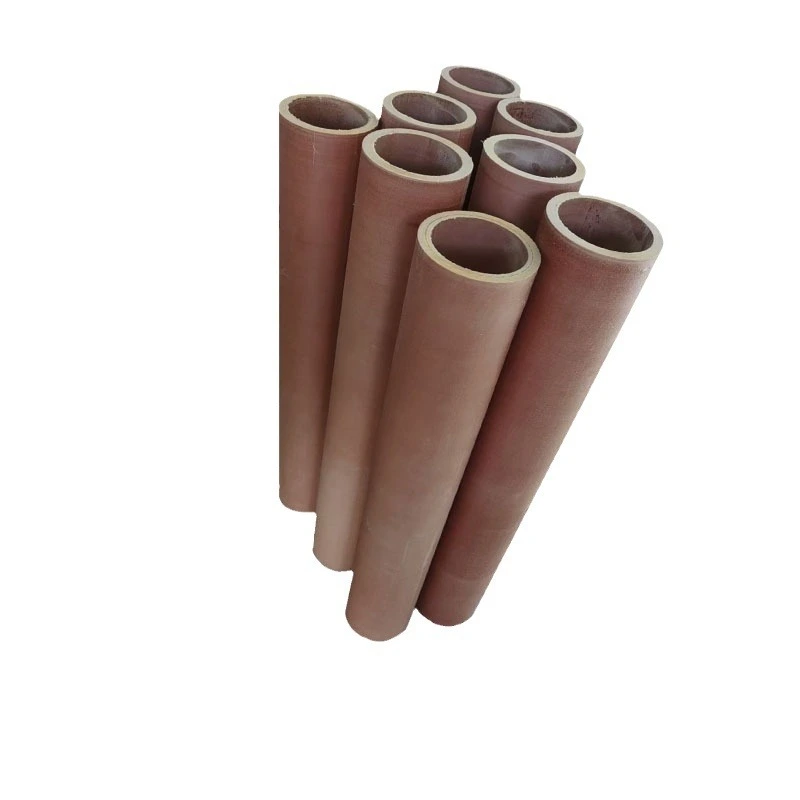
To make 3526 Phenolic Cloth Laminated Tubes, cotton fabric is first scourged and shrunk down before it is filled with phenolic resin. According to GB/T 5132 standards, the material gets a regular structure with a density range of 1.04 to 1.20 g/cm³ after being heated, rolled, pressed, and baked in that order. This method makes a composite material where each layer sticks together very well. This gives the material high radial tensile strength that can handle the mechanical stresses that come from spinning machines.
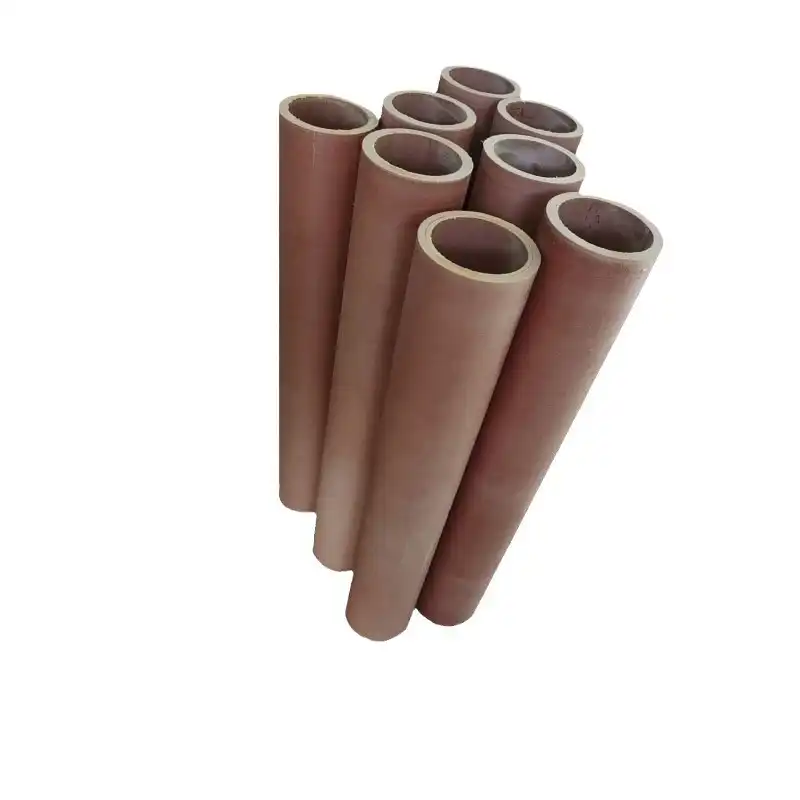
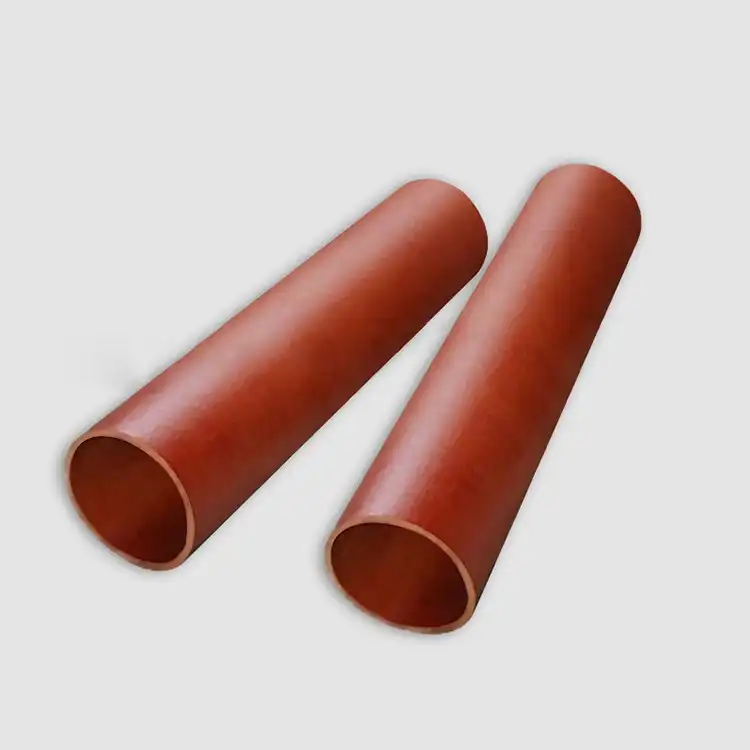
The natural reddish-brown color shows that the resin has fully hardened, and the fine cotton weave makes the structure stable. We can make these tubes with wall thicknesses starting at 0.5mm, and we can accommodate custom sizes from φ5mm to φ1500mm for the inner diameter and φ6mm to φ2000mm for the outer diameter. The longest tube length is 2 meters, which works for motor housings and generator assemblies that are longer.
Technical Performance Characteristics
Thermal stability is one of the most important qualities. The material keeps its shape at temperatures as high as 130°C when it is used continuously. Because it has a Class E insulation rating, it can be used in normal motor applications where heat is generated during normal operation. The bending strength is higher than 80 MPa, and the compressive strength is higher than 45 MPa. This gives the material mechanical strength that keeps it from deforming under installation stress or operating loads.
Dielectric qualities don't change when surroundings change. Surface resistance is higher than 1.0×10⁸ Ω when things are normal, and it stays insulated well at 1.0×10⁷ Ω even when it's wet. In the same way, volume resistivity shows stability, which keeps the electrical connections between the motor windings and the structure's parts separate. When tested in transformer oil, the vertical layer dielectric strength is at least 3.5 MV/m, which shows that it can keep electrical breakdowns from happening in oil-filled situations.
Water absorption stays below 4%, which is an important property that keeps the dimensions from changing and the dielectric from breaking down in wet working conditions. The material doesn't absorb much water and is resistant to mineral oils and common solvents. This makes it good for both dry-type motors and oil-cooled generators that are regularly in contact with hydraulic fluids or lubricants.
Why 3526 Phenolic Tubes Are Perfect for Motor and Generator Insulation
Addressing Critical Insulation Challenges
Insulation that breaks down because of temperature cycling, chemical breakdown, or mechanical stress is often the cause of motor and generator problems. Some traditional materials may be great at some things but not so good at others. When it comes to all three challenge areas at the same time, 3526 Phenolic Cloth Laminated Tubes give equal performance.
In continuous-duty motors, where heat builds up and shortens the life of parts, thermal control is especially important. The phenolic resin matrix can be exposed to high temperatures for a long time without losing many of its properties. It also stays stable in size, so there are no holes between the insulation parts. This stability lowers the chance of partial discharge, which can cause windings to break.
Chemical exposure is another common way that things go wrong. Over time, assembly oils, coolants, and external contaminants can damage insulator materials. The cross-linked 3526 Phenolic Cloth Laminated structure doesn't break down easily when exposed to petroleum-based goods and industrial chemicals, so it stays strong even after a lot of use. When maintenance teams move to phenolic insulation systems from materials that soften or swell when they come into contact with chemicals, they report fewer early replacements.
Mechanical Durability in Demanding Applications
During installation or operation, vibration and mechanical stress can damage brittle insulation materials, making electrical paths that can cause short circuits. Because these tubes are reinforced with cotton cloth, they are strong enough to take hits and not break. Installers can precisely cut the material to the right dimensions during the building process without delaminating or breaking the edges.
The ability to machine the material supports complicated motor designs that need insulation parts that are made to fit perfectly. Manufacturers of electrical equipment can use standard tools to drill, turn, and mill 3526 Phenolic Cloth Laminated Tubes, making it possible to achieve tight physical limits that make sure the tubes fit properly inside motor housings. Because of this, less inventory is needed because one base material can be used for multiple design configurations after it has been processed.
Comparing 3526 Phenolic Cloth Laminated Tube With Other Insulation Materials
Performance Against Alternative Solutions
Choices about which materials to use affect both short-term costs and long-term dependability. Knowing how 3526 Phenolic Cloth Laminated Tubes stack up against other options helps purchasing teams make smart decisions that meet the needs of specific applications.
Fiberglass-reinforced tubes can handle higher temperatures, but they are not as easy to work with mechanically as cotton phenolic products. When you machine fibreglass, you make abrasive dust that speeds up tool wear and requires a lot of safety precautions for the user. Fibreglass is also more likely to break during installation because it is brittle. This is especially true in situations where shaking or temperature changes are present.
Epoxy-based tubes have a high dielectric strength but a lower thermal endurance when exposed to heat for a long time. When motors work close to their rated capacity for long periods of time, epoxy materials may slowly soften and lose their shape. In its operating temperature range, the phenolic resin system stays rigid, so it doesn't deform in a way that could make insulation clearances less reliable.
Rigid PVC and other thermoplastics are appealing because they are cheaper, but they can only be used in low-power situations because they can't handle high temperatures. Thermoplastics become less stable at temperatures where phenolic materials continue to work well. This means that they can't be used in industrial motors and engines that produce a lot of heat.
Cost-Effectiveness Over Product Lifecycle
Total operating costs, not just the initial purchase price, should be taken into account when making decisions about what to buy. 3526 Phenolic Cloth Laminated Tubes usually have middle-level material costs, but they have better lifecycle value because they need less maintenance and can go longer between service intervals.
Because the material doesn't break down in the surroundings, it means that replacements and unexpected downtime happen less often. Instead of reacting to insulation failures, maintenance plans can be set up to happen at regular times based on operating hours. This level of predictability helps lean inventory management, in which spare parts arrive right before maintenance windows.
Cost-effectiveness is also affected by how well the machine works. During turning and milling operations, the material is easily removed, leaving little scrap and allowing the required dimensions to be met without requiring a lot of secondary finishing. Production teams can make insulation parts faster with softer materials than with harder or more rough ones. This saves money on labour costs in production.
Key Procurement Considerations for B2B Buyers of 3526 Phenolic Cloth Laminated Tubes
Supplier Evaluation and Quality Assurance
Choice of a dependable provider has a direct effect on the security of the supply chain and the consistency of the products. We keep our production at 100 tonnes per year so that we can meet the needs of both one-time orders and long-term supply agreements. Our factory is certified to ISO 9001:2015, which means that quality control is recorded at every stage of production.
When considering providers, you need to pay extra attention to the dimensional tolerances. Inner diameter tolerances of ±0.5mm and wall thickness differences within ±0.5mm for walls less than 10mm make sure that the parts fit properly in motor setups without too much space or interference. For each output lot, suppliers should give inspection certificates that list these measures.
Verification of material testing shows that the 3526 Phenolic Cloth Laminated Tubes provided meet the performance requirements. You should ask for proof that tests for density, water absorption, thermal stability, and dielectric strength were done according to GB/T 5132 or an equivalent international standard. Suppliers with a good reputation do these tests regularly, not just when customers ask them to.
Customization and Order Management
Standard tube sizes are useful for many things, but motor designs often need specific shapes. Our production process can handle unique inner and outer diameters that are within the ranges given. This lets us match the product exactly to the design requirements. Custom dimensions usually have longer lead times than standard products, so procurement planning should take this into account when planning when to make production runs.
Ordering in bulk saves money and makes sure that materials are available during all production processes. We offer a variety of shipping choices, such as ocean freight for big orders, ground transportation for local delivery, and air shipment when project deadlines require quick completion. When we handle our own operations, we don't have to rely on outside freight forwarders to organise shipping. This makes delivery more reliable.
Storage considerations matter when ordering a lot. The material keeps its best qualities when it is kept in a dry, temperature-controlled place out of direct sunlight and water. The shelf life is twelve months from the date of manufacture if it is kept properly in its original packaging. This means that you can keep a lot of it without worrying about it going bad.
Maximizing the Value of 3526 Phenolic Cloth Laminated Tubes in Your Insulation Projects
Proper Handling and Processing Techniques
Proper handling during manufacturing and fitting is the first step to getting the best performance from 3526 Phenolic Cloth Laminated Tubes. Because the material doesn't transfer heat well, it needs to be machined in a certain way. For example, high cutting speeds and slow feed rates keep heat from building up and burning or weakening areas. When compared to dull tools, sharp cutting tools have cleaner edges and make less dust.
Wet cooling methods lose insulating properties more quickly than dry cutting methods. Cutting fluids or water can get under the surface of the material, increasing the amount of moisture and lowering the electrical resistance. When cooling is needed, air blast devices should be used instead of liquid coolants whenever possible.
After machining, applying insulating varnish on cut areas after cutting adds another layer of protection against moisture. Because it is made of cellulose, the material naturally soaks up some water from the air. Sealing any exposed edges keeps the properties from changing while it is being stored or in its first few years of use. When working in places with a lot of humidity, this cleaning step is even more important.
Installation Best Practices
When you place insulation correctly, you can avoid common failure modes and get the most out of it. Parts should fit together snugly without needing too much force, which could cause them to crack. Allow for thermal expansion during operation when building parts. 3526 Phenolic Cloth Laminated materials expand slightly as the temperature rises, and rigid mounting without expansion consideration can cause stress points.
If you can help it, don't mix different types of insulation in the same assembly. While materials are being heated and cooled, gaps or compression zones can form because the materials have different rates of thermal expansion. Using the same 3526 Phenolic Cloth Laminated Tubes throughout an insulation system makes sure that the thermal response is the same and makes maintenance easier.
Monitoring and Maintenance Protocols
At regular intervals, insulation parts should be visually checked for surface cracks, discolouration that means they've been overheated, or contamination buildup. Using megohm meters for electrical tests makes sure that the insulation resistance stays within acceptable limits. When resistance values go down, it means that moisture is absorbing or breaking down the part, so it needs to be replaced before it fails.
Keeping maintenance records that list the results of inspections helps find trends that can be used to improve designs in the future. When equipment is used in toxic environments, it may need to be checked more often than when it is used in controlled indoor settings. This operating data helps buyers decide what kind of protective treatments or material changes to buy for uses that are really tough.
Conclusion
The 3526 Phenolic Cloth Laminated Tube meets the complicated needs of motor and generator insulation by having the right amount of chemical resistance, thermal stability, and mechanical strength. Because it works well in a variety of workplace settings and meets established standards, it's a good choice for B2B buying teams. By knowing the qualities of the material, comparing it to other options, and following the right handling steps, companies can make their equipment more reliable while keeping costs low over its lifetime. Because we've been making insulation for decades and offer a wide range of services, we can meet all of your needs, from the initial design to ongoing supply.
FAQ
What temperature range can 3526 phenolic tubes withstand?
The material stays stable at temperatures up to 130°C when used continuously, meeting the standards for Class E insulation. This temperature rating works for most industrial motors and generators that are running at full load. Applications that go over this limit should think about using higher-temperature insulation types or take extra steps to cool down.
Can tube dimensions be customized for specific motor designs?
We can make things in any size you need, with inner diameters ranging from φ5mm to φ1500mm and outer diameters ranging from φ6mm to φ2000mm. The wall width starts at 0.5 mm, but you can get exact measurements by talking to us. We work closely with engineering teams to make sure that exact measurements are met while standard deviations are kept.
How does chemical resistance benefit motor insulation applications?
Resistance to mineral oils, lubricants, and common industrial solvents keeps materials from breaking down while the motor is being put together and used. This chemical stability keeps the insulation's shape and dielectric qualities even when it's exposed to petroleum-based products used in production or found in working settings. This makes the insulation last longer.
Partner With J&Q for Reliable 3526 Phenolic Cloth Laminated Tube Supply
J&Q has been making insulation materials for more than 20 years and can help you with your motor and generator projects. As a reputable company that has been ISO 9001:2015 certified for many years, we know how important insulation is for the stability and economy of equipment. Our 3526 Phenolic Cloth Laminated Tube production blends strict quality control with the ability to make changes as needed to meet your unique performance and size needs.
In addition to supplying products, our integrated logistics operations make delivery easy, whether you need ocean freight for big orders or fast air shipping for projects that need to be done right away. Our technical team works with your engineering department to make sure that the material specifications match the needs of the application. They also give advice on how to machine the material and how to install it.
Get in touch with our buyers at info@jhd-material.com to talk about your insulation needs. For both standard and custom tube sizes, we offer affordable quotes, thorough specifications, and sample evaluation choices. Find out why top manufacturers choose J&Q as their phenolic tube supplier for important motor and generator uses.
References
1. "Electrical Insulation Materials for Rotating Machines," Institute of Electrical and Electronics Engineers Standards Association, IEEE Standard 117-2015.
2. Thompson, R.L., "Performance Characteristics of Phenolic Laminated Materials in High-Temperature Electrical Applications," Journal of Applied Polymer Science, Vol. 132, Issue 18, 2015.
3. National Electrical Manufacturers Association, "Industrial Laminated Thermosetting Products," NEMA Standard LI 1-2014.
4. Chen, W. and Martinez, J., "Comparative Analysis of Insulation Materials for Industrial Motor Applications," Electric Power Components and Systems, Vol. 46, No. 7, 2018.
5. "Technical Guide to Phenolic Resins and Their Industrial Applications," American Composites Manufacturers Association Technical Report, 2017.
6. Davidson, P.H., "Thermal Degradation and Lifetime Prediction of Electrical Insulation Systems," IEEE Transactions on Dielectrics and Electrical Insulation, Vol. 25, No. 2, 2018.