Is FR4 Board Suitable for Precision CNC Machined Parts?
2026-07-30 17:21:50
When engineering teams evaluate materials for precision CNC machined components, FR4 board consistently emerges as a compelling candidate. This glass-epoxy laminate combines excellent dimensional stability with robust electrical insulation properties, making it suitable for applications demanding tight tolerances. The material's consistent density and predictable machining behavior allow manufacturers to achieve dimensional accuracy within ±0.1mm, meeting requirements for automated assembly systems in electrical and industrial applications. While machining challenges exist due to its abrasive fiberglass content, proper tooling and parameters enable FR4 to deliver reliable performance across electronics, power distribution, and automotive sectors.
Understanding FR4 Board and Its Material Properties
Composition and Manufacturing Standards
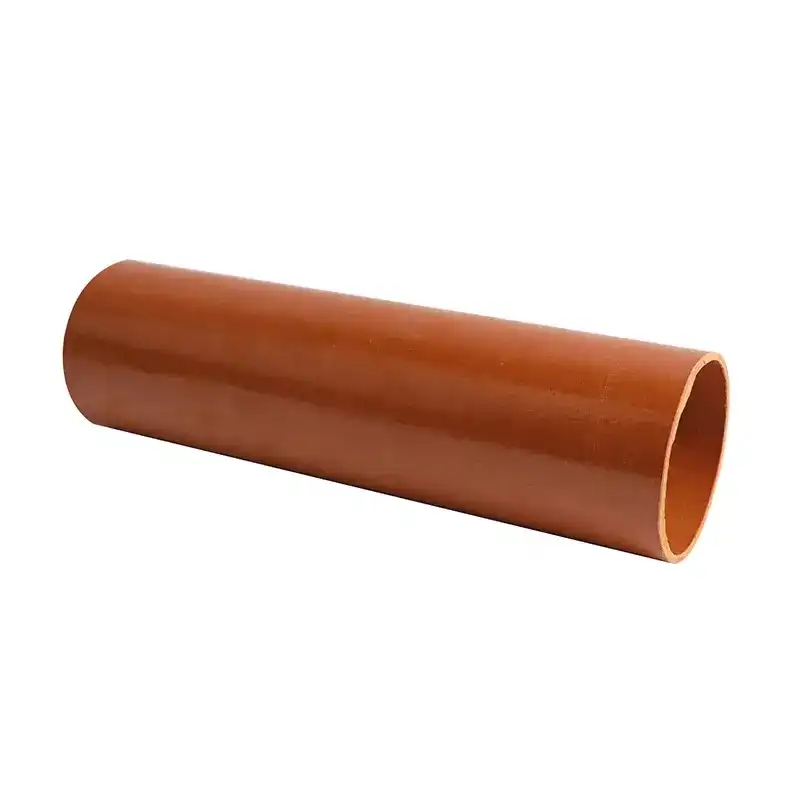
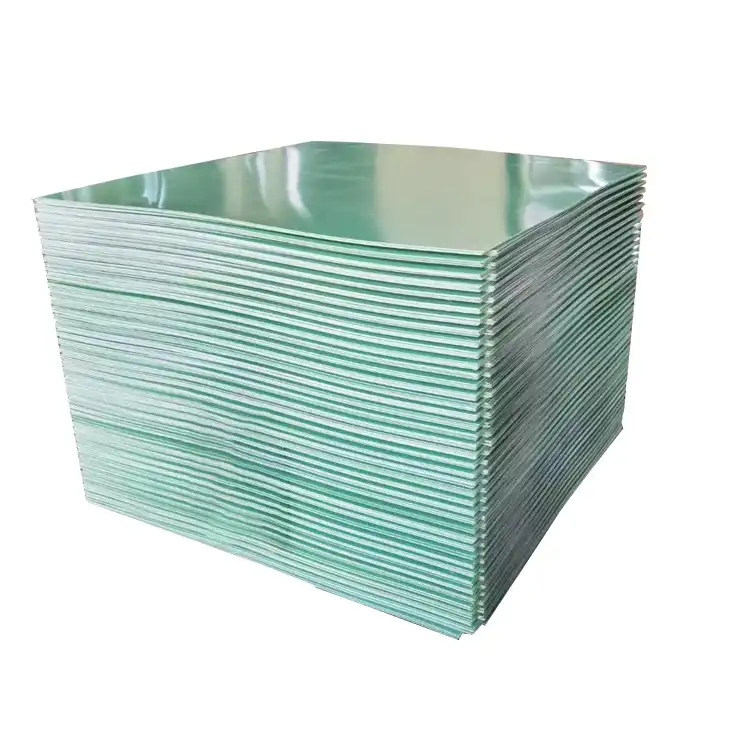
In an FR4 board, continuous filament glass cloth is mixed with epoxy cement under controlled high-pressure thermosetting conditions to make a hybrid structure. 'FR' means that the material is flame-resistant and meets UL94 V-0 standards. This means that it goes out on its own within 10 seconds of being removed from a fire source. The density of this design is between 1.85 and 2.10 g/cm³, which means it has good mechanical integrity without being too heavy, which would make accurate machining more difficult.
International standards like NEMA FR4 board, MIL-I-24768/27, and EN 60893 are strictly followed during the manufacturing process. These certifications make sure that the consistency from batch to batch is maintained, which is very important in production settings where changes in the material could affect the results of the machining. In normal grades, the glass transition temperature (Tg) usually goes up to 130°C to 140°C. High-Tg versions are offered for uses that need to go above 170°C all the time.
Mechanical and Electrical Performance Characteristics
Because of its mechanical qualities, FR4 board is a good choice for building materials because it can handle a lot of stress. In the long direction, the flexural strength is more than 340 MPa, and the impact resistance is about 250 J/m. Because FR4 board has very low water absorption rates (below 0.1-0.2%), these numbers stay the same even when the humidity changes. This makes it different from paper-phenolic alternatives that break down in wet settings.
When tested electrically, the material has a breakdown voltage greater than 40 to 50 kV parallel to the laminate layers, and its dielectric constant is between 4.4 and 4.8 at 1MHz. This mix of high dielectric strength and low moisture absorption makes insulation work well in motor parts and equipment that distributes power. The Comparative Tracking Index (CTI) stops conductive paths from forming on surfaces that are exposed to both high voltage and humidity at the same time. This meets important safety standards in switchgear applications.
Dimensional Stability and Machinability Factors
Tolerances on dimensions are an important thing to think about when doing precise CNC work. Quality FR4 board keeps its width accurate to within ±0.1mm, which lets makers plan machining operations knowing that the material will be the same every time. The laminate structure doesn't bend when heated and cooled many times, so it meets the flatness requirements needed for test tools and jigs that are heated over and over again.
The glass fibre strengthening makes things stronger mechanically but also makes them harder to machine. Fibreglass strands are abrasive and speed up tool wear, so you need to use special cutting techniques. When planning CNC operations, buying teams and engineers can set realistic goals for tool life, surface finish quality, and production speeds by knowing these things about the materials.
Evaluating FR4 Board for Precision CNC Machining
Common Machining Challenges and Solutions
When CNC cutting glass-epoxy laminates, there are some problems that aren't present when working with metal or pure plastic. There is a chance of delamination when cutting forces separate laminate layers, especially at the edges or when tools are worn out. Fibre pullout happens when individual glass strands tear away from the epoxy matrix instead of separating neatly. This makes the surface rough, which could affect how accurately measurements are made or how well the electrical system works.
Creating heat during cutting processes is another problem. As the temperature gets closer to the glass transition point, the epoxy resin softens, which could change the shape or size of the material. To manage these thermal effects, you need to carefully choose the cutting settings, such as spindle speeds that are usually between 15,000 and 25,000 RPM and feed rates that are set to keep output high while minimising friction heating.
For cutting to go well, you need carbide or diamond-coated tools that are made for composite materials. When cutting through rough glass fibres, these special cutting edges stay sharp longer. Implementing dust extraction or wet machining methods protects both operators from breathing in dangerous glass dust and stops the buildup of particles that could affect the accuracy of measurements.
Material Comparisons in Precision Applications
When engineers are looking at different substrate choices, they often compare FR4 board to Rogers laminates, aluminium substrates, polyimide films, and CEM composites, among other materials. Rogers materials are better for RF and microwave uses because they have better high-frequency electrical performance and lower dielectric loss. However, Rogers laminates usually come with higher prices and may be just as hard to machine as other laminates.
Aluminium surfaces are very good at transferring heat, so they get rid of the heat that power gadgets produce quickly. Metal cutting is a well-known method that is usually faster than composite production. The trade-off is the need for electrical separation. Aluminium needs extra insulating layers, but FR4 board is sufficiently dielectric on its own.
Because polyimide materials can handle higher ongoing working temperatures, they can be used in places where FR4 board materials can't handle the extreme temperatures. Polyimide can only be used in certain thermal management situations because it is more expensive and not as strong as glass-epoxy laminates. While CEM composites are cheaper, they don't have the performance balance that makes FR4 board useful in a wide range of industry areas.
Industry Application Success Stories
Electronics companies often cut FR4 board parts to use for test fixtures and multilayer PCB support structures. One company that makes telecommunications equipment used precisely machined FR4 board solder boxes that can handle being heated and cooled many times during wave soldering processes. The physical stability stopped the bending that used to cause problems with misalignment. This cut the number of defects by 23% while keeping the production rate the same.
Transformer makers use FR4 board arc barriers and phase separators that are CNC-machined for the power distribution industry. To keep electrical gaps while fitting into small box designs, these parts need to be precisely measured and sized. The material is safe because it doesn't catch fire and has a high insulating strength. It can also be machined into complicated shapes that aren't possible with other insulation materials.
Precision-machined FR4 board has been used by auto suppliers as battery pack insulation walls in electric car systems. These parts keep high-voltage cells apart while supporting the structure and keeping the cells safe from heat. Because complex cooling channel designs and fastening features can be machined into single FR4 board pieces, assembly is easier than with multi-component options. This saves time and money on materials.
Procurement Considerations for FR4 Board in CNC Machining Projects
Quality Metrics and Inspection Standards
Setting clear quality standards that are in line with application needs is the first step to effective buying. The most important measurement number is thickness accuracy, and most precision machining jobs need ±0.1mm or tighter control. Specifications for flatness keep grinding from going wrong and make sure that the material always faces cutting tools in the same way.
Ultrasonic testing or a cross-sectional look at the inside of the fibreglass confirms that there are no holes or separations between the layers. These flaws weaken both the mechanical and electrical performance, which could lead to early failure in service. Surface checking finds holes, scratches, or areas where resin isn't getting enough, which could affect the machining process or the end function of the part.
As part of critical performance testing, the dielectric strength is measured according to ASTM D149 standards. This checks the ability to withstand power. Following the steps in ASTM D570 for water absorption tests proves hydrolytic stability, which is important for working in humid conditions. UL 94 testing for flammability confirms V-0 rating compliance, making sure that self-extinguishing behaviour meets safety standards for installing electrical equipment.
Supplier Selection and Regional Sourcing
Choosing reliable material sources has a direct effect on the regularity of production and the dependability of the supply chain. Well-known companies have strict quality control systems that make sure that each batch is the same, which is very important for precision machining. Getting a supplier certified to ISO quality management standards is written proof of process controls and traceability systems.
When you source materials locally, you have to think about how to balance things like quality, shipping times, and costs. FR4 board laminates that meet international standards are made by companies in many parts of the world, giving buying teams a number of choices for where to get them. Building relationships with suppliers who have experience working with precision machining customers gives you access to expert support tools that can help you choose the right materials and find the best processing parameters.
Managing lead times is especially important when making plans for production routines. While standard FR4 board grades usually have ready-to-ship supplies, specialised versions or custom specs may need longer production times. Supply problems that could stop production can be lessened by building smart partnerships with suppliers that include inventory management programs.
Cost Optimization Strategies
Volume purchasing agreements let you get better prices on goods while making sure you can always get the materials you need for production. Organising purchases around standard thickness and grade requirements simplifies inventory and gives you more negotiating power. For yearly volume agreements that help them plan their manufacturing, some suppliers offer lower prices.
To find the right balance between the cost of materials and the total cost of making something, you have to look at cutting time, tool wear, and output rates along with the price of the materials themselves. A slightly more expensive type of FR4 board that is better for CNC machining may lower the cost of the whole part by allowing faster cutting speeds, longer tool life, and higher first-pass yield. Total cost studies that look at the whole process of making something show ways to cut costs that go beyond just comparing the prices of materials.
Practical Recommendations for Using FR4 in Precision CNC Machining
Optimized Cutting Parameters and Tooling
For better surface details and accurate measurements, cutting tools must be matched to the special qualities of FR4 board. When production rates are high enough, diamond-coated bits can extend the life of tools, while carbide end mills with polished edges reduce friction and heat production. It is important to choose a tool with sharp cutting edges that cut fibres neatly instead of pulling them out of the epoxy matrix.
Spindle speed optimisation strikes a balance between how well the cuts are made and how well the heat is managed. Higher RPM ranges, between 18,000 and 24,000, usually make cleaner cuts in FR4 board, but going too fast can cause heat buildup problems. Feed rates need to be adjusted based on the thickness of the material and the finish you want on the surface. Slower feeds usually produce better edge quality at the cost of slower production speed.
How you apply coolant has a big effect on how well your machine works. Flood coolant systems work well to keep temperatures down and move chips out of the cutting zone, but liquid coolant needs to be handled and thrown away in a different way. Air blast cooling is easier to set up in shops that don't have the infrastructure for flood coolant, but it still doesn't cool as well. Dry machining can work for some tasks as long as the settings are carefully managed and dust cleaning systems are used to collect the particles.
Here are tried-and-true ways to improve the quality of FR4 board machining:
Tool Selection: When working with large amounts of material, diamond-coated router bits have 300–500% longer cutting lives than regular carbide bits. The initial cost premium is quickly paid off over many high-volume runs. Material bonding is lowered by polished flute shapes, which can lower the quality of the surface finish.
Parameter Tuning: The best way to make chips is to keep the spinning speed above 15,000 RPM and the feed rate between 1,500 and 3,000 mm/min. These parameters keep heat from building up and minimise fibre pullout. To keep the tool from getting too loaded, depth of cut steps shouldn't be more than 2 mm per pass.
Workholding Strategies: Vacuum table fixtures evenly distribute clamping forces, which stops boards from bending, which can lead to errors in measurements. When hoover systems are not available, flatness can be maintained with circular clamping and base support. When you make a through-cut, sacrificial backing boards keep the edges from coming off.
These ways of cutting directly fix the common flaws that make it hard to do precise CNC work with glass-epoxy laminates. By using these methods, manufacturers can get surface roughness values below Ra 1.6 μm and keep tolerances that meet the strict requirements for electronics assembly.
Design Guidelines for CNC-Machined FR4 Components
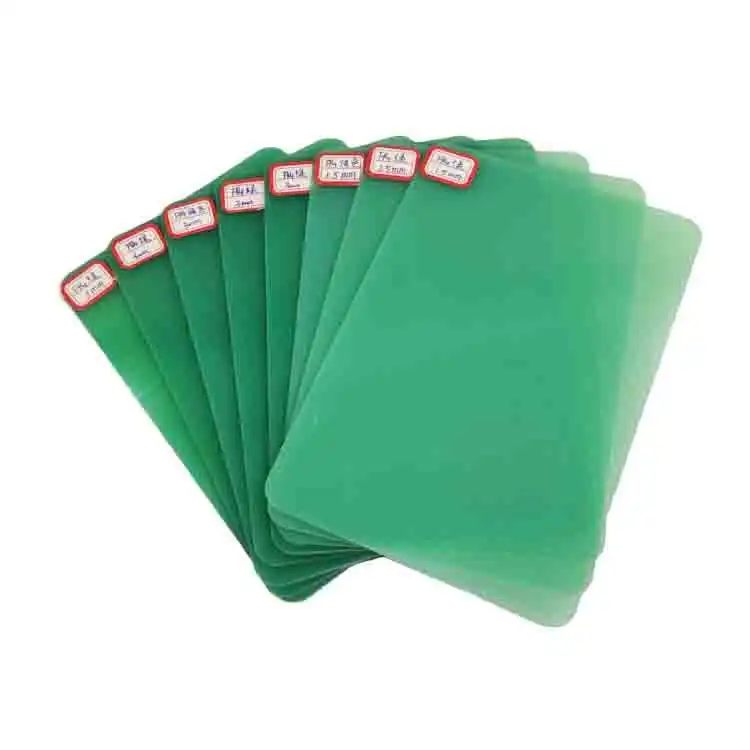
Choices made during component design have a big effect on how well the end part works and how easy it is to make. Choosing the right FR4 board thickness affects both how well it works mechanically and how hard it is to machine. Standard FR4 board sheets come in widths ranging from 0.5mm to 100mm, with 1.6mm, 3.2mm, and 6.4mm being the most typical sizes that are kept in stock. Thinner materials can be cut more quickly, but they are less rigid, while bigger pieces need more than one pass to be cut and cause more serious tool wear.
Corner curves and edge treatments need to be thought through carefully when the design is being made. Sharp internal corners gather stress and raise the risk of crack spreading. Setting minimum radius values of 0.5 mm or more makes the structure stronger and makes programming the tool path easier. Edge chamfers lower the chance of delamination around the edges of a part, which is where cutting forces often separate composite layers.
When hole drilling, there are some design factors that are helpful. To keep the drill bit from breaking in the rough material, the holes should be at least 0.8 mm in diameter. When through-holes are used for electrical isolation, make sure there is enough space around conductive parts to allow for small positional changes that could happen due to machining tolerances.
Application-Specific Decision Criteria
When choosing an FR4 board for precision-made parts, you need to look at a number of performance factors along with the needs of the application. FR4 board works well in electrical applications that need high dielectric strength and insulation resistance. It works especially well in damp places because it doesn't degrade performance when it comes to moisture. The UL94 V-0 flame grade covers the safety needs of electrical boxes and tools for distributing power.
The structural qualities of FR4 board make it useful in mechanical uses that need high compression or flexural strength. The material can be used for structural spacers, wear plates, and mechanical fasteners because it doesn't break easily when mechanical loads are put on it. The glass transition point must be taken into account when thinking about temperature stability. For standard grades, constant working temperatures should stay below 130°C.
When the needs of the program are within the limits of what an FR4 board can do, it is often the best choice when it comes to cost-performance. For example, Rogers laminates or ceramic-filled composites are more unusual materials that perform better in certain ways but cost a lot more. FR4 board has a wide range of properties and isn't too expensive, so it works well in a wide range of industrial settings.
Future Trends and Innovations in FR4 Machinability
Advanced Laminate Development
New developments in material science keep improving FR4 board formulas to meet changing needs in production. High-Tg versions can now regularly reach glass transition temperatures of 180°C, which means they can be used in more places, like under the hood of an automobile and in power electronics that work at high temperatures. These better thermal properties keep the shape stable and mechanical qualities even at temperatures that would normally make standard formulas soft.
Changes to the resin system make it easier to machine without affecting its electrical or mechanical performance. Newer types of epoxy are less rigid, which makes them less likely to chip at the edges when they are cut. Some companies have made grades that are specifically marketed for CNC machining, but because they perform better than standard FR4 board, you should test a sample before committing to large-scale production.
New developments in surface finishes meet the needs of certain applications. In visual detection, matte finishes cut down on light reflection, and in assembly, textured surfaces make it easier for adhesives to stick to the surface. Conductive surface treatments with carbon allow for ESD-protective versions that can be used in electronics manufacturing settings where static electricity can damage parts.
Automation and Process Monitoring Technologies
The development of CNC machines has made it easier to make precise and fast FR4 board parts. Automated tool changes keep the cutting edge as sharp as possible by changing worn bits at set times or based on data collected in real time. This automation cuts down on the need for operator input while keeping the quality of the parts the same across production runs.
Monitoring systems that work in real time keep an eye on cutting forces, vibration patterns, and sound outputs to find tool wear or process changes before they hurt the quality of the part. These technologies make it possible to plan repairs ahead of time, which keeps production from stopping without warning. More and more, machine learning algorithms look at process data to automatically find the best cutting parameters. They can adapt to changes in material properties that would normally need human help.
Multi-axis machining centers can handle more complicated shapes in a single setup, which cuts down on handling time and improves accuracy by getting rid of mistakes caused by workpiece movement. With five-axis skills, you can make undercuts and compound angles that you couldn't do with three-axis tools alone. These high-tech machines are worth the money because they cut down on cycle times and give designers more ways to make precision FR4 board parts.
Sustainability and Environmental Considerations
Concern for the environment leads to the creation of more environmentally friendly FR4 board formulations and recycling methods. Halogen-free flame retardant systems don't use the bromine chemicals that are in regular FR4 board. This is better for the environment and people's health, and it still meets UL94 V-0 standards. These new chemistry methods meet the needs of environmental protection rules and business sustainability goals without sacrificing important fire safety features.
The system for recycling glass-epoxy laminates is still being built up, but it is still not as common as recycling metal or thermoplastics. New methods use machines to turn FR4 board scrap into filler materials that can be used in other ways, or they use pyrolysis to get back glass fibres and epoxy parts. More and more factories are putting in scrap separation systems that make these recycling paths easier.
Throughout the lifespan of FR4 board, gains in production efficiency cut down on waste and energy use. Through better stacking algorithms and part direction planning, optimised machining methods cut down on the amount of scrap that is made. When shops use lean manufacturing principles, they reduce their impact on the environment and cut costs at the same time. This shows that sustainability and profit can go hand in hand if done in a planned way.
Conclusion
Precision CNC machined parts are made from FR4 board, which has been used for years in electrical, industrial, and automotive settings. Because the material is stable in shape, doesn't conduct electricity, and is strong, it can be used for a wide range of industrial tasks at a fair cost. The sharp glass in it can make it hard to machine, but this can be fixed by choosing the right tools and adjusting the parameters. Consistent material performance is ensured by good procurement practices that focus on thickness tolerance, internal integrity, and supplier dependability. FR4 board will continue to be a flexible material for making precise parts in tough industrial settings as long as laminate formulas and CNC technologies keep getting better.
FAQ
Does FR4 board perform well in humid environments?
As long as the water absorption rate is less than 0.1% to 0.2%, yes, FR4 board is very resistant to water. This low absorption keeps the dielectric strength high, usually above 30 kV/mm, even in high-humidity conditions. This makes it better than paper-phenolic options that break down when they come in contact with water. No matter what the world is like, the material keeps its electrical insulation qualities and its shape.
What thickness ranges work best for precision CNC machining?
Standard FR4 board sheets come in thicknesses ranging from 0.5 mm to 100 mm. 1.6 mm, 3.2 mm, and 6.4 mm boards are commonly used for precision machining because they are the best balance of structural integrity and machinability. Thinner materials can be cut more quickly, but they are less rigid. On the other hand, bigger parts need more than one cut and cause more tool wear.
How does FR4 compare to Rogers laminates for CNC applications?
Rogers materials are better for high-frequency RF applications because they have less dielectric loss, but they usually cost a lot more than FR4 board. Due to their composite nature, both materials are hard to machine in similar ways. For general industrial uses, FR4 board has a better mix of properties, while Rogers laminates are better for telecommunications and aerospace, where better electrical performance at microwave frequencies explains higher prices.
Partner with J&Q for Premium FR4 Board Solutions
For more than 20 years, J&Q has been making precision insulating materials. They can help you with your CNC machining jobs. Our many years of experience as both a manufacturer and a supplier of FR4 boards means that you will always get high-quality materials that meet NEMA FR4 board and other international standards. Our technical consulting services help engineering managers and procurement teams match the right material grades to the needs of each application. This improves both performance and cost-effectiveness.
We know how strict the rules are for making electronics and machinery. Every time we make a new batch of products, our quality control systems check them for thickness limits, dielectric strength, and flame retardancy. With our integrated logistics services that let you get everything you need in one place, we provide reliable supply chain support that helps you stick to your production schedules. Email our team at info@jhd-material.com to talk about your FR4 board needs and to ask for examples to test the cutting.
References
1. Harper, C.A. (2015). Electronic Materials and Processes Handbook, Fourth Edition. McGraw-Hill Education, New York.
2. Coombs, C.F. (2018). Printed Circuits Handbook, Seventh Edition. McGraw-Hill Professional, New York.
3. Kobayashi, T. (2019). "Machinability Assessment of Glass-Epoxy Laminates for Precision Components," Journal of Manufacturing Processes, Vol. 45, pp. 234-247.
4. National Electrical Manufacturers Association (2017). Industrial Laminating Thermosetting Products (NEMA LI 1-2017), Rosslyn, Virginia.
5. Ramesh Kumar, S. and Patel, M. (2020). "Tool Wear Mechanisms in CNC Machining of Fiber-Reinforced Polymer Composites," International Journal of Advanced Manufacturing Technology, Vol. 108, pp. 1891-1905.
6. Underwriters Laboratories (2018). UL 94: Standard for Safety of Flammability of Plastic Materials for Parts in Devices and Appliances, Northbrook, Illinois.