How Does Epoxy Resin Sheet Prevent Electrical Failures?
2026-07-31 16:51:20
Electrical failures represent one of the most critical challenges facing industries today. When transformers arc unexpectedly, when switchgear panels short circuit during peak production, or when motor insulation breaks down under thermal stress, the consequences cascade rapidly—unplanned downtime, costly repairs, regulatory scrutiny, and compromised worker safety. Epoxy resin sheets serve as silent guardians against these disruptions, providing robust electrical insulation that blocks current leakage, resists environmental degradation, and maintains structural integrity under demanding conditions. These composite materials combine glass fiber reinforcement with thermosetting epoxy polymers, creating barriers that protect sensitive electrical components across industrial environments. Understanding how these sheets prevent failures empowers procurement managers and engineering teams to make informed decisions that safeguard operational continuity.
Understanding Electrical Failures in Industrial Contexts
Electrical systems in factories are constantly being tested on many fronts. Moisture infiltration is one of the sneakiest threats because it weakens insulation over time until it fails completely. Manufacturing sites often have to deal with changes in temperature, cycles of condensation, and short-term contact with water, all of which wear down insulation materials over time.
Common Causes of Electrical System Breakdowns
Thermal stress speeds up the ageing process a lot. When equipment works at high temperatures, the insulation breaks down, the chemical chains break, and the equipment eventually loses its dielectric qualities. When a generator is constantly running at 130°C, its insulation wears out much more quickly than when it is running at normal temperatures.
Damage from mechanical means is another weakness. Micro-cracks form over time because of vibrations from nearby machines, differences in thermal expansion, and installation stresses. These flaws in the material allow tracking, which is when conductive carbon tracks form across insulator surfaces under constant voltage stress.
Business Impact of Insulation Failures
The financial effects go far beyond the cost of replacing parts. During production shifts, a single broken piece of equipment can stop whole assembly lines, causing losses of more than tens of thousands of dollars per hour. Repair costs go up when emergency work needs to be done by specialised workers, who often charge higher rates.
Compliance with regulations adds another layer. Not following UL, ROHS, or NFPA rules after an incident involving insulation leads to audits, possible fines, and certification delays that stop market access. It's up to engineering teams to show that they've done their research when choosing materials and designing systems.
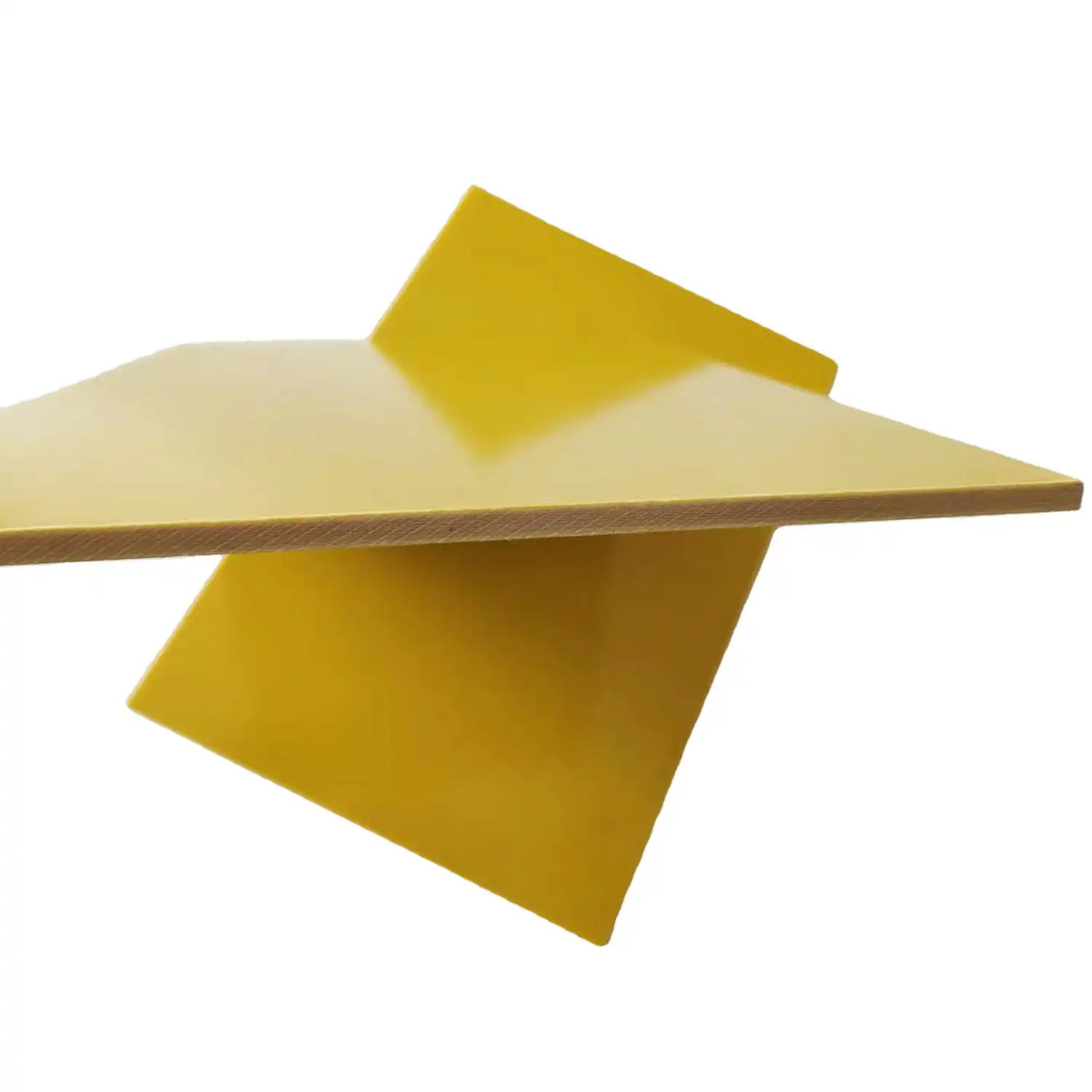
What Makes Epoxy Resin Sheets Ideal for Electrical Insulation?
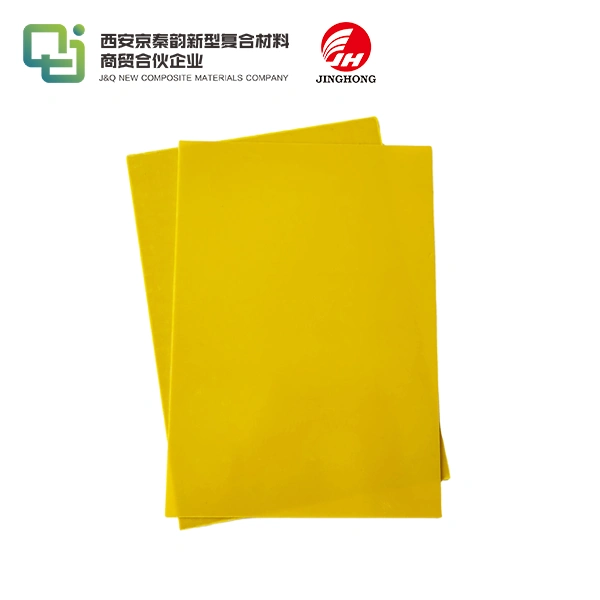
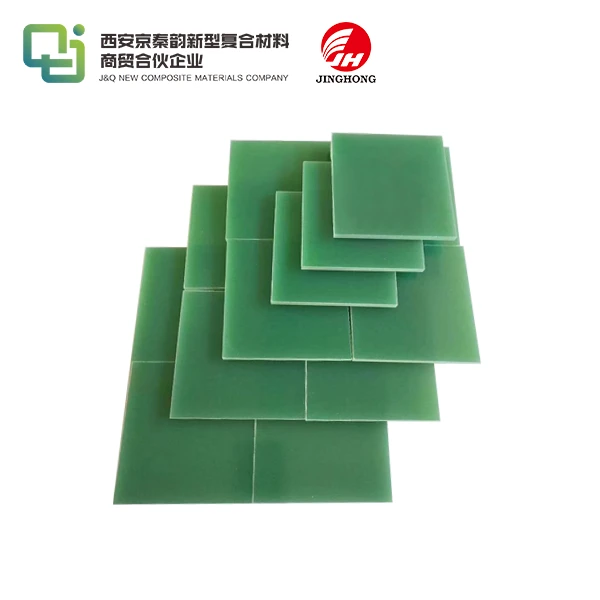
When it comes to performance, Epoxy Resin Sheets are unmatched by other options because of the way their molecules are structured. Woven fibreglass cloth that is mixed with epoxy glue is used to make these laminated composites. They are then hardened under controlled heat and pressure to make structures that are thick and uniform.
Superior Dielectric Performance
Measurements of a material's dielectric strength show how well it can handle a strong electric field without breaking. Good epoxy laminates get values above 16–20 kV/mm perpendicular to the layers, which successfully blocks voltage differences that would puncture weaker materials. In high-voltage switchgear uses, where phase barriers must separate busbars carrying several kilovolts, this feature is very important.
Volume resistance, which measures how hard it is for current to flow through a material's thickness, should be 10^14 ohm-cm or higher in properly made sheets. This high resistance stops leakage currents that would otherwise drain energy, make heat, and carbonise insulation surfaces over time.
Thermal Stability Under Operating Conditions
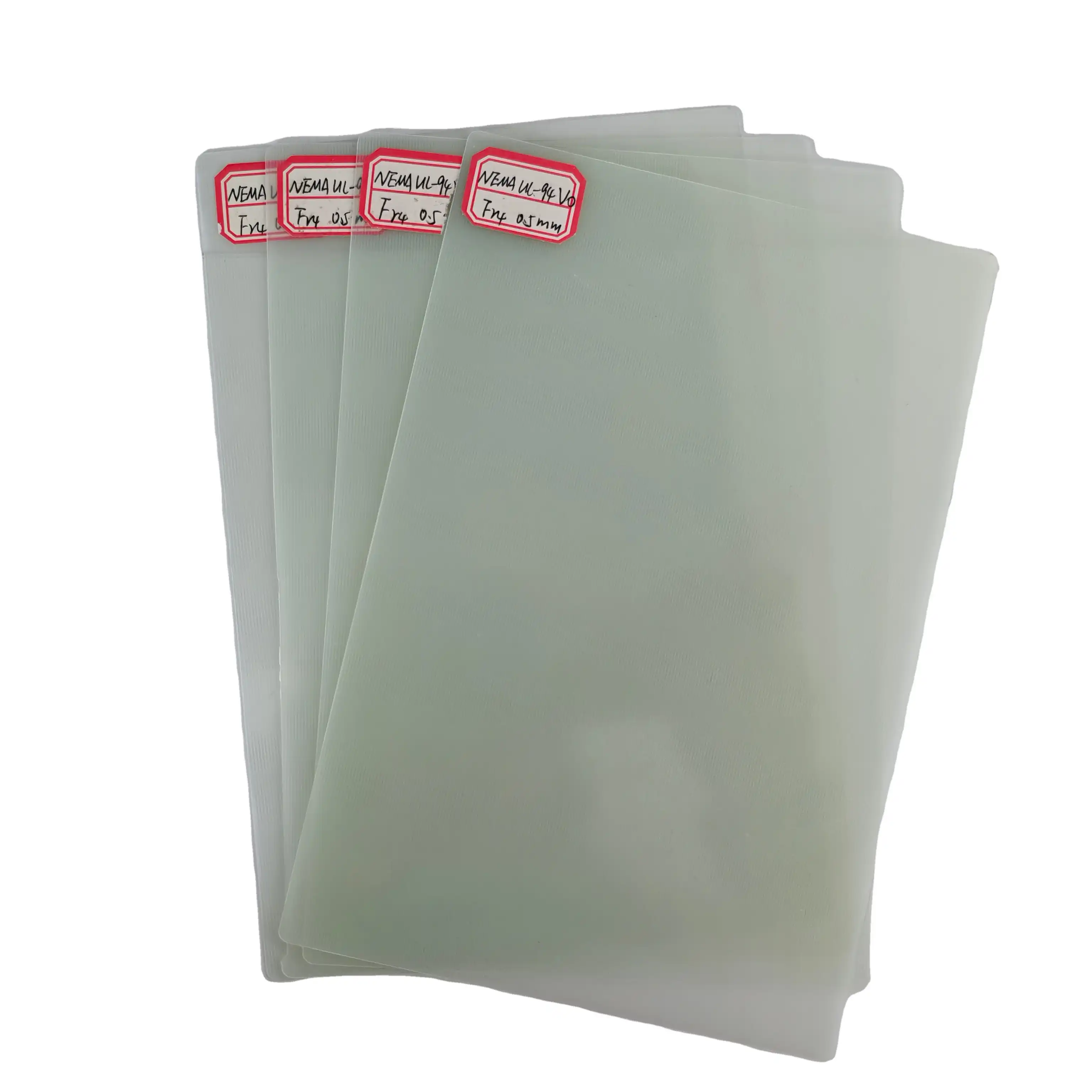
The glass transition temperature (Tg) is the point at which epoxy glue changes from being stiff to being flexible. The structure of standard FR4 Epoxy Resin Sheets stays strong up to about 130°C, while high-Tg versions can be used continuously at 170°C or higher. This thermal durability keeps the insulation's integrity during short-term overloads, soldering, and long-term use at high temperatures.
Compared to pure polymers, this material has a very low thermal expansion coefficient. This means that it doesn't change size as much, which lowers the mechanical stresses at the points where it meets metal parts. This security stops screws from coming free, gaps from opening up that let water in, and delamination that makes insulation less effective.
Mechanical Resilience and Machinability
Epoxy Resin Sheets can be used as both insulation and structural support because their flexural strengths range from 350 to 450 MPa. This technical ability lets you make designs out of a single piece, which makes building easier, cuts down on the number of parts needed, and gets rid of the weak spots that can happen in multi-part structures.
Modern manufacturing needs are met by CNC machining compatibility. Carbide tools neatly cut, drill, and profile these sheets into precise forms, such as motor slot wedges with tight spec requirements, custom bus supports with complicated shapes, and PCB boards with thousands of plated holes. This ability to be machined speeds up development and makes customisation affordable.
In this range of performance levels, epoxy laminates are different from other materials in a number of ways. Acrylic sheets are clear, but they aren't stable at high temperatures and can crack under stress. Phenolic cotton laminates are cheaper, but they absorb more water and have lower dielectric strength. Regular fibreglass has trouble keeping its shape and has holes in it that make it less reliable.
How Epoxy Resin Sheets Prevent Electrical Failures
The safety features that work in epoxy insulation systems take care of all possible failure modes in a planned way. Each feature of a material helps protect it against electrical, chemical, and mechanical threats.
Blocking Unwanted Current Paths
Voltage stress can't pass through dielectrics that are very strong. When there are changes in electrical potential across insulation borders, like between phases in switchgear, between transformer windings and cores, or between PCB circuit traces, the epoxy laminate stops the flow of electrons that would otherwise cause short circuits. In lightning hits or switching activities, voltage transients can challenge insulation with short-lived spikes. This barrier function stays stable during these times.
Surface resistivity stops tracking along the outside sides and works with volume resistivity. Dust, industrial pollution, or salt spray can get on uncovered insulation and make conductive films on it. Good epoxy mixtures don't let this tracking happen, so the surface stays solid even when it's exposed to an arc for a long time during a fault.
Environmental Protection Against Degradation
The ability to resist moisture is a clear advantage. Even when exposed to high humidity for a long time, Epoxy Resin Sheets only soak up less than 0.1% of their own weight in water. This almost-zero absorption stops the gradual loss of insulation resistance that happens with hygroscopic materials. This keeps the electrical performance high even after decades of use in harsh conditions.
Chemical steadiness keeps you safe in industrial settings. There are oils, acids, cleaning agents, and process chemicals in factories that can damage insulation materials that aren't made well. Most industrial chemicals can't make epoxy laminates swell, become soft, or lose their electrical qualities. This means they can be used for longer in places where chemicals are dangerous.
Mechanical Protection and Vibration Dampening
Impact resistance keeps things from getting damaged during shipping, installation, and service. The glass fibre reinforcement spreads out localised stresses, which stops cracks from spreading from impacts or mechanical contact. This toughness lowers the number of field failures caused by damage during installation that weakens the insulation.
The ability to absorb vibrations is very important in motor uses and rotating machines. The composite structure reduces the mechanical oscillations that would normally wear down stiff materials. This stops the micro-fractures that start the breakdown pathways for insulation. This makes maintenance times longer and lowers the chance of unexpected breakdowns in changing work settings.
Practical Applications of Epoxy Resin Sheets in Electrical Systems
Industrial electrical infrastructure relies on laminate materials that are properly specified for a wide range of uses. Epoxy Resin Sheets are very useful because they can be used in a wide range of situations, from small PCB circuits to huge power distribution setups.
PCB Substrate Manufacturing
These days, printed circuit boards are made with FR4 Epoxy Resin Sheets as the main insulating base. Single-sided boards for home goods, double-sided boards for car electronics, and complicated multi-layer systems for telecommunications gear all depend on FR4's ability to keep electricity away, stay stable at high temperatures during soldering, and be precise in size. The material can handle wave soldering at 260°C and reflow patterns above 240°C without changing shape or losing its trace-to-trace protection.
Switchgear and Distribution Equipment
For arc chutes, phase barriers, and terminal boards, power distribution panels use epoxy laminates. Arc chutes, which safely stop electrical sparks when a circuit breaker is working, need materials that don't turn carbonised when exposed to strong plasma. Even after many arc events, Epoxy Resin Sheets keep the insulation's integrity, which keeps it from breaking down and putting safety systems at risk.
Within small spaces, phase barriers separate live wires with varying voltage potentials. The tracking resistance of the material stops conductive paths from forming across these important insulation limits. This keeps the separation in place even when surface contamination happens.
Transformer and Motor Insulation
To protect transformer coils, epoxy laminates are used for layer insulation, slot covers, and structural fillers. It is important that these parts can handle constant heat stress from I²R losses and still keep their turn-to-turn and winding-to-core insulation. Because of its high thermal class rating and low moisture absorption, the material can be used in both oil-immersed and dry-type transformers for many years.
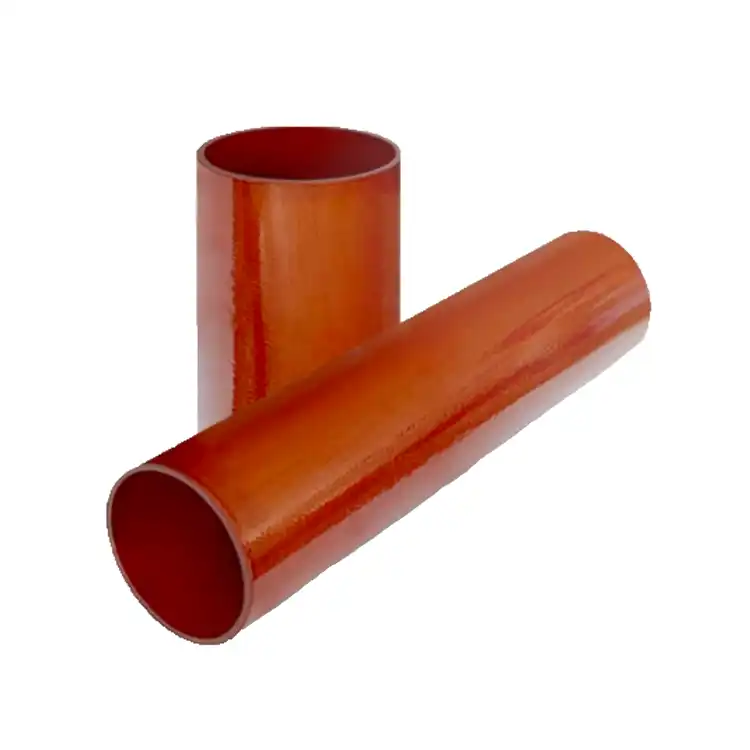
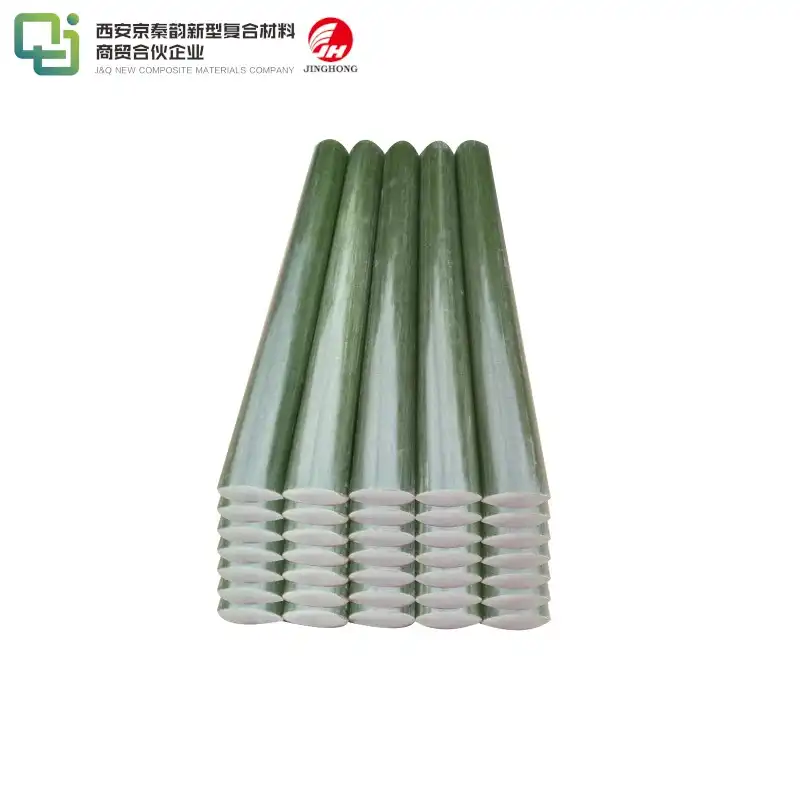
Manufacturers of motors use wedges, phase insulators, and support structures made from fibreglass sheets. During starting and running, these parts protect the windings from electromagnetic forces and keep the electricity from flowing through them. The mechanical strength of the material stops the wound from moving, which would otherwise cause wear and insulation failure.
Automotive and Transportation Electronics
In order for electric vehicles to work, the battery pack units need thermal barriers and insulation pads between the cells, between the modules and the frames, and around the links for the high-voltage bus. Epoxy laminates are resistant to flames and meet strict safety standards for the automotive industry. They can also handle the thermal cycling that happens during charging and discharging operations. Precision-machined parts allow for automatic assembly methods that meet the cost and volume needs of the car industry.
In addition to these well-known uses, engineers are always finding new ways to put materials to use in ways that solve difficult design problems. Custom shapes can be combined with metal stampings, moulded plastics, and other materials to make hybrid systems that are best for certain functions.
Selecting and Procuring the Right Epoxy Resin Sheet for Your Needs
To specify materials well, you need to make sure that the product's properties match the needs of the application. When selecting materials such as Epoxy Resin Sheet, purchasing decisions should consider not only the immediate costs of the parts but also the stability of the system and the costs over its entire life.
Critical Specification Parameters
Choosing the right thickness has an effect on both electrical and mechanical performance. Thinner sheets reduce the size and weight of the structure, but they need higher breakdown voltage rates per unit thickness. For uses with high voltage differences over short distances, the dielectric strength needs to be at its highest level. For uses with lower voltage, standard grades may be sufficient.
The grade number tells you what properties are combined. For example, FR4 means flame-resistant epoxy-glass, while G10 means the same build but without brominated flame retardants. High-Tg versions are made for use at high temperatures, and special grades offer better tracking resistance or a low dielectric constant for high-frequency uses.
Surface finish affects the next steps in the process. Standard finishes are good for most insulation uses, while precision-ground surfaces let you meet tight limits in the assembly. For automated manufacturing processes, some specifications say that one or both of the surfaces must be finish-ground to make them flat and the same thickness all over.
Quality Certifications and Compliance
UL recognition means that the electrical, thermal, and flammability performance has been checked by a third party. The UL94 V-0 grade confirms that the fire will go out on its own, which is important for safety-critical uses. ROHS compliance checks for the lack of restricted chemicals, which lets products reach the market in places where regulations apply.
Manufacturing facilities with ISO 9001 certification have structured quality management, which lowers differences from batch to batch that make planning production harder. Supply chain stability is higher for manufacturers that have been around for a long time and have documented quality systems than for suppliers that aren't reliable.
Supplier Evaluation Considerations
The ability to provide technical help is what sets strategic partners apart from commodity providers. Having access to applications engineering help makes it easier to choose the best materials, fix problems in the field, and make changes to goods to meet new needs. Suppliers who give custom sizing, CNC cutting, and inventory management systems add value above and beyond the cost of the materials.
When making production plans, lead time dependability is very important. Suppliers who keep inventory in the United States and run their own transportation networks are more reliable than those who rely on long foreign supply lines. Because of this, there is less need for extra safety stock, which ties up working capital.
Conclusion
Epoxy Resin Sheets have many more safe qualities than just keeping electricity away. These engineered composites have a lot of defences built in. They have great dielectric strength to stop unwanted currents, resistance to moisture to keep their long-term performance, mechanical durability to withstand operational stresses, and thermal stability to keep their integrity across a wide range of temperatures. These qualities are important for industrial electrical systems to keep them from breaking down, which could stop work, put people in danger, or make sure they don't break the rules. If procurement professionals and engineering teams know about these safety features, they can confidently choose materials because they know their choices will help build a reliable electrical infrastructure that will support business goals for decades. Investing in good insulation materials pays off in the form of lower upkeep costs, longer machine life, and uninterrupted business operations.
FAQ
How do I maintain epoxy resin sheets to maximize their service life?
By inspecting Epoxy Resin Sheets on a regular basis, problems can be found before they become major problems. A visual check can find dirt on the surface, damage to the machine, or signs of tracks. Using mild soaps and soft cloths to clean gets rid of conductive films without scratching surfaces. Try to stay away from strong chemicals that could damage the resin core. Keeping things in places with controlled humidity stops them from absorbing moisture while they are being stored for a long time.
Can damaged epoxy sheets be repaired or must they be replaced?
Small surface damage, like scratches or chips, usually doesn't affect how well something works electrically as long as the damage doesn't go too deep into the material. If the insulation has large cracks, delamination, or damage that goes through the whole layer, it needs to be replaced because fixes can't always make it work again. Replacement is still cheaper than fixing something poorly and risks failure in the field.
What safety precautions are necessary during machining and installation?
The glass fibre dust that is made when you cut and drill is bad for your lungs. Particles are caught at their source by carbide tools that have local exit vents. Workers are kept safe by using respirators, eye protection, and gloves, among other things. During installation, make sure there is no voltage isolation before touching any parts, and follow lockout/tagout procedures to keep people from coming into contact with electricity.
Partner with J&Q for Reliable Epoxy Resin Sheet Solutions
Reliability in an electrical system starts with choosing the right materials and building trusting relationships with suppliers. Every client connection at J&Q is based on more than twenty years of experience making things and more than ten years of experience dealing internationally. Our range of products includes FR4 sheets, 3240 epoxy boards, and special laminates made for tough electrical jobs in many different fields.
As a well-known company that makes Epoxy Resin Sheets, we have strict quality control systems that make sure the material features stay the same, the dimensions are exactly the same, and all regulations are followed. Our in-house transportation services make things easier because we can handle everything, from custom cutting to delivery schedules. Engineering managers and buying teams can use our technical consulting services to help them come up with specs that meet both performance and cost goals.
Our certified product line can meet a wide range of needs, from PCB substrates for putting together electronics to high-voltage barriers for power distribution equipment and insulation parts for car systems. Email our team at info@jhd-material.com to talk about the needs of your project. We provide the knowledge of the materials, consistent production, and reliable supply chain that turn problems with electrical insulation into competitive benefits.
References
1. Harper, C.A., Handbook of Plastics Technologies: The Complete Guide to Properties and Performance, McGraw-Hill Professional, 2006.
2. Sletbak, J., Electrical Insulating Materials: International Issues, ASTM International, 1995.
3. Tanaka, T., et al., "Dielectric Properties of GFRP and CFRP Composites at High Temperatures," IEEE Transactions on Dielectrics and Electrical Insulation, Vol. 15, No. 5, 2008.
4. Kuffel, E., Zaengl, W.S., and Kuffel, J., High Voltage Engineering Fundamentals, Newnes, 2000.
5. Stone, G.C., et al., Electrical Insulation for Rotating Machines: Design, Evaluation, Aging, Testing, and Repair, Wiley-IEEE Press, 2014.
6. Bartnikas, R. and Srivastava, K.D., Power and Communication Cables: Theory and Applications, Wiley-IEEE Press, 2000.
_1764314369204.jpg)