Why Is FR4 Board Used in High Voltage Insulation Systems?
2026-07-31 16:51:22
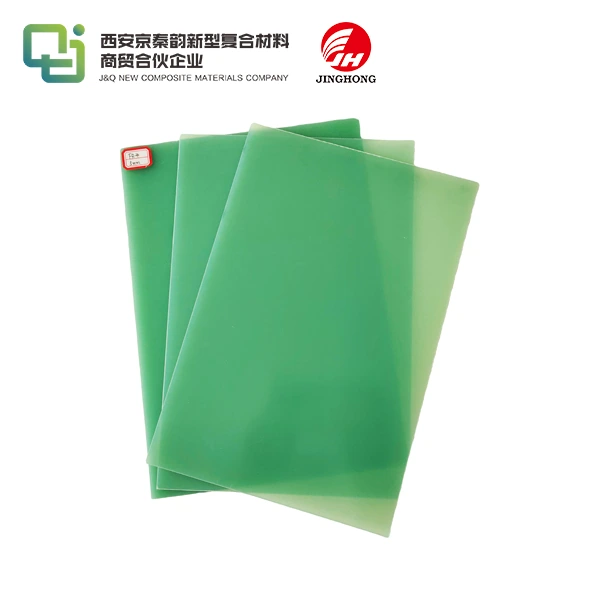
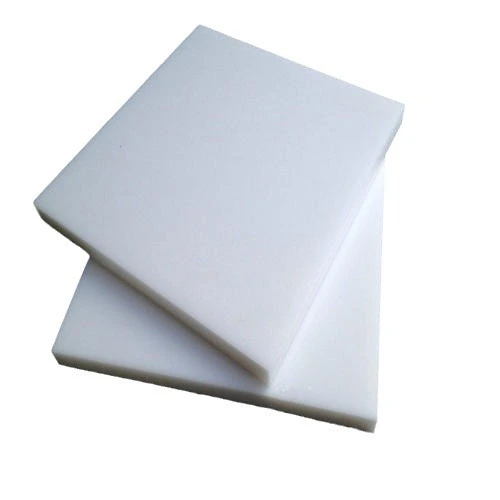
When engineering managers and procurement specialists evaluate materials for high-voltage insulation, FR4 board consistently emerges as the preferred solution. This glass-epoxy composite combines woven fiberglass cloth with epoxy resin binder under high-pressure thermosetting conditions, creating a laminate that delivers exceptional dielectric strength exceeding 40-50 kV along parallel layers. The "FR" designation—meaning flame retardant—confirms compliance with UL94 V-0 standards, ensuring the material self-extinguishes within ten seconds of ignition source removal. Unlike phenolic alternatives or standard organic insulators, FR4 provides simultaneous mechanical rigidity and electrical isolation, addressing critical pain points in switchgear assemblies, transformer barriers, and PCB substrates where both structural integrity and voltage endurance are non-negotiable.
Understanding FR4 Board and Its Properties
Composition and Manufacturing Standards
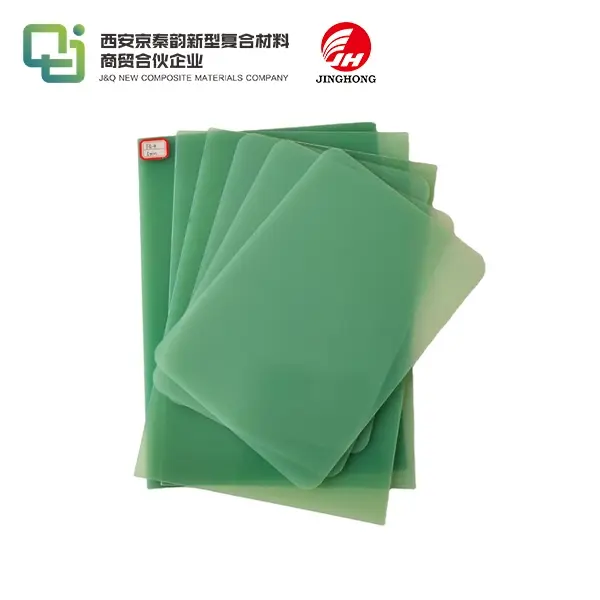
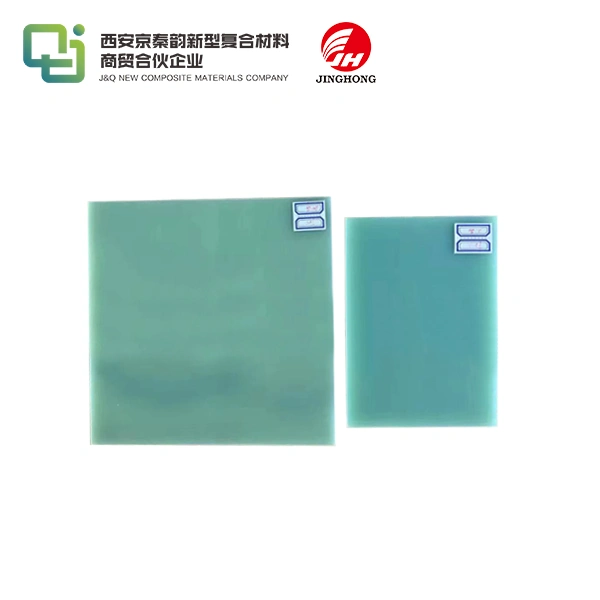
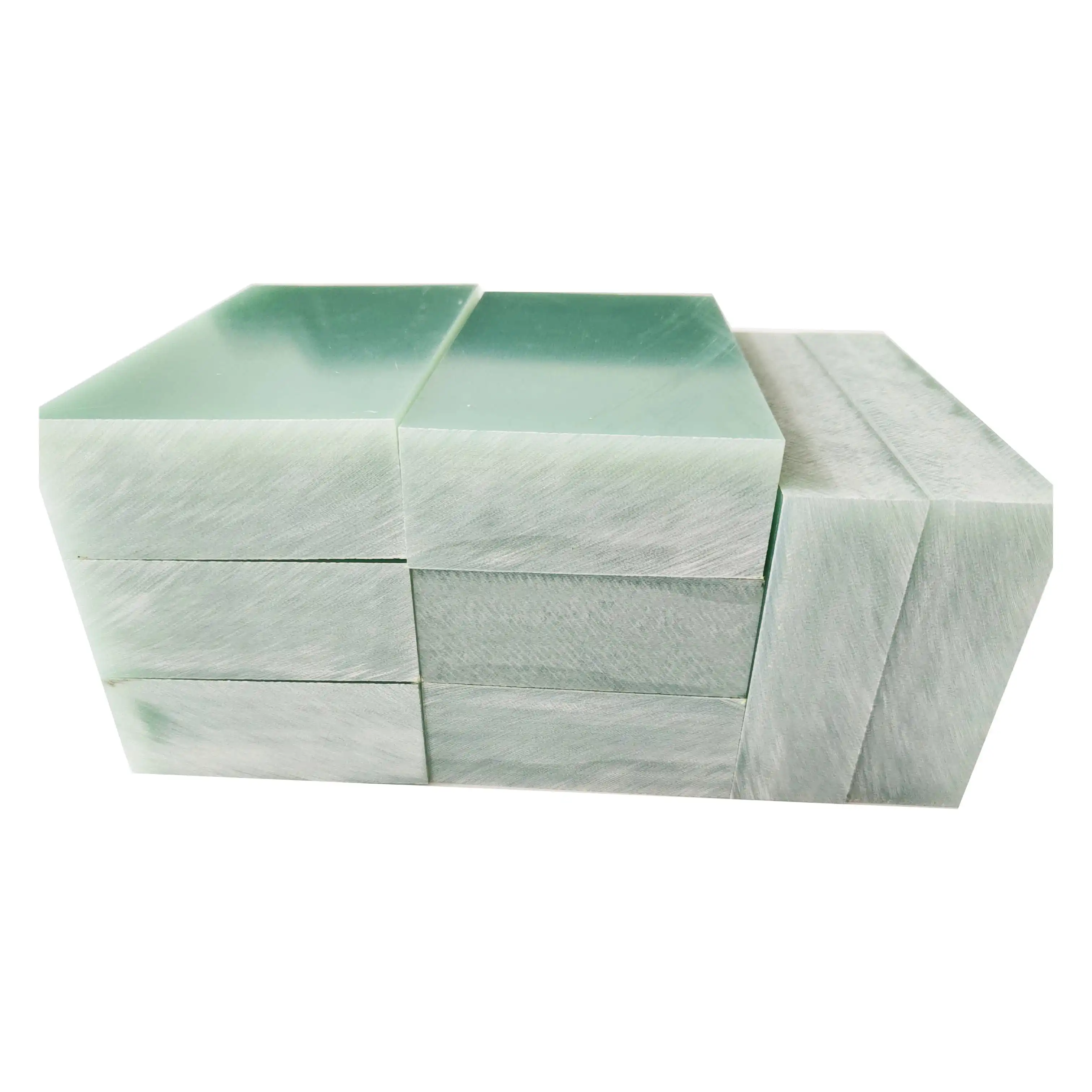
At its heart, an FR4 board is made up of several layers of continuous filament glass cloth that has been mixed with epoxy glue and then hardened using controlled heat and pressure. This way of making things gives consistent thickness tolerances that are usually within ±0.1mm. This level of accuracy is necessary for automated assembly lines used in electronics manufacturing. The material meets strict international standards like NEMA FR-4, MIL-I-24768/27, and EN 60893 (EP GC 202), which gives buying teams high standards they can track. It has a density of 1.85 to 2.10 g/cm³ and a bending strength of more than 340 MPa, so it can be used in places that need both mechanical strength and electrical protection. From more than 20 years of experience, we know that producers who put standard testing methods first get the most reliable results in the field.
Key Electrical Characteristics
At 1MHz, the dielectric constant of FR4 board is between 4.4 and 4.8, which means that its electrical properties stay the same at different frequencies. In directions parallel to the laminate layers, the breakdown voltage can usually reach 40–50 kV, and the dielectric strength per millimetre is higher than 30 kV according to ASTM D149 testing. As shown by ASTM D570 protocols, these values stay remarkably stable even in places with a lot of humidity. This is because they absorb water at rates below 0.1-0.2%. Electrical engineers who work on generator coil insulation or arc barriers value this hydrolytic stability because it keeps performance from dropping when the amount of moisture in the air changes with the seasons. The Comparative Tracking Index (CTI) shows that FR4 board doesn't allow electrical paths to form when it's exposed to both high voltage and surface contamination. This is an important thing to think about for power distribution equipment that works in industrial settings.
Thermal and Dimensional Stability
The glass transition temperature (Tg) of standard FR4 board is between 130°C and 140°C. High-Tg versions of FR4 board go above 170°C for uses that need to be exposed to heat all the time. This thermal endurance keeps materials from getting softer or bigger when temperatures change, so motor braces and insulation frames can keep their tight specs. The thermal expansion rate stays low enough to keep the structure aligned in layered PCB systems that have been soldered over and over again. We have seen that clients in the car industry value this stability a lot when they are building battery pack barriers. This is because temperature differences between filling cycles could otherwise damage the insulation. The substance can handle mechanical stress without breaking, which increases the useful life of test fixtures and jigs that get heated up in certain areas over and over again.
Why FR4 Board Excels in High Voltage Insulation Systems
Superior Insulation Performance Compared to Alternatives
Compared to CEM-1 or CEM-3 composites, FR4 board has higher dielectric strength and better resistance to moisture. This makes it the standard choice for applications that need to be sensitive to voltage. Metal-core PCBs are better at conducting heat than FR4 board, but they aren't as good at isolating electricity. This is an important trade-off to make in high-voltage connector systems where current leakage can be dangerous. Paper-phenolic laminates may be cheaper at first, but their hygroscopic nature means that they lose their insulating properties in damp places, while FR4 board keeps its insulation values stable. When engineering managers look at different materials for switchgear phase barriers, they know that FR4 board is the best choice because it can withstand high voltages and is strong mechanically. This means that it requires less maintenance over time than other materials that need to be replaced or inspected more often.
Flame Retardancy and Safety Compliance
The bromine-enhanced resin system embedded in FR4 board has a flammability grade of UL94 V-0, which means that vertical test models can put themselves out on fire without dripping flaming particles. In electrical cabinets, this trait is very important because arcing problems could cause materials next to them to catch fire, which could lead to system-wide failures. When installing arc chutes in circuit breakers, power distribution companies choose FR4 board because it acts as a passive fire barrier when there is a fault. Brominated flame retardants meet environmental standards and safety standards when they follow ROHS guidelines. This balance must be checked by procurement specialists using source certifications. Compared to G10 laminates that don't have bromine additives, FR4 board has the same mechanical qualities but much better fire protection, which is why it is the best choice for transformer insulation and busbar supports.
Environmental Resilience and Durability
Because FR4 board is chemically resistant to acids and industrial fluids, it lasts longer in machinery that comes in contact with hydraulic oils or cleaning agents. The material doesn't change much in size from -50°C to +130°C, so it can be used in mechanical gaps and structure insulation parts with tight tolerances. Humidity cycling tests show that FR4 board keeps more than 95% of its dry dielectric strength even after being exposed to 95% relative humidity for a long time. Phenolic cotton sheets have a harder time meeting this level of durability. Mechanical engineers who are making gears need to consider how resistant FR4 board is to abrasion. However, they have to take into account that the sharp glass content will speed up tool wear during cutting. Because the material doesn't absorb much water, it doesn't swell, which could damage precision-fitted parts in outdoor electrical equipment or marine power systems.
Choosing the Right FR4 Board for High Voltage Applications
Critical Parameter Evaluation
To choose the right FR4 board variants, you need to carefully consider thickness options that range from 0.5 mm to 100 mm, with voltage endurance decreasing as material depth increases. According to IEC 60664 standards, a 3mm sheet can usually handle 90kV going in straight lines. However, engineers have to figure out the creepage and clearance lengths based on the working voltage and pollution degree. In RF uses or high-frequency switching circuits, where matching impedance needs exact material qualities, the dielectric constant is very important. Procurement teams should ask manufacturers for datasheets that show breakdown voltage, thermal conductivity, tensile strength, and certifications that show batch consistency. These are the kinds of things that we regularly check through third-party testing on all of our production runs, which we've been doing for over ten years of export experience.
Material Grade Distinctions
Knowing the differences between FR4 board and other grades in the same family keeps design mistakes from happening. FR1 uses paper supports instead of glass cloth, which is cheaper but less resistant to moisture and not good for high-voltage work. FR5 uses higher-temperature epoxy resins, which raises the Tg above 170°C for harsh heat conditions but costs more in materials. High-Tg FR4 board fills in this gap by offering better resistance to heat while keeping the standard FR4 board's great ability to be machined with CNC tools. When automotive R&D engineers are designing battery pack insulation, they often ask for copper-clad FR4 board laminates to test integrated circuits and then switch to bare sheet stock for production fixtures. By separating these variations, sourcing managers can match the material's capabilities with what the application needs. This way, they can avoid over-specification, which drives up costs, or under-specification, which could lead to problems in the field.
Supplier Certification and Quality Assurance
Working with makers that follow ISO 9001 quality standards and are recognised by UL makes sure that the material's history can be tracked, which is important for managing risk. Inspection procedures should check the thickness uniformity using a micrometre, the integrity of the material inside through ultrasonic testing, and the quality of the surface to make sure there are no resin holes or other flaws that could affect its high-voltage performance. As required by ASTM D149, we test the dielectric strength of representative samples from each production batch. We keep track of the voltage endurance, water absorption rates, and flame propagation characteristics. Purchasing managers gain when suppliers provide thorough mill test results that link lot numbers to performance data. Our integrated logistics tool makes this possible by tracking batches in real time. Options for customisation, such as precise machining, edge sealing, and dimensional pre-cutting, lower the costs of further processing and make sure that parts come ready to be put together in electrical cabinets or PCB lamination stacks.
Applications of FR4 Board in High Voltage Insulation Systems
Electrical Switchgear and Distribution Equipment
Machined FR4 board parts are used as busbar supports in circuit breakers and disconnect switches, keeping live wires away from grounded enclosures. The CTI grade of the material stops tracking failures that happen when surface contamination and voltage stress come together, which is a typical way for industrial panel boards to break down. Arc chutes made from FR4 board sheets can handle the thermal shock of a fault interruption and keep ionised gases inside, which protects equipment nearby during short-circuits. Power distribution companies that replaced old phenolic insulators with FR4 board alternatives say that maintenance intervals are longer because FR4 board is better at resisting humidity and keeping its shape even when temperatures change with the seasons. In three-phase systems, phase barriers depend on FR4 board's uniform thickness to keep clearance lengths that are required by electrical codes. Precisely cut holes allow for wire routing without affecting the insulation's integrity.
Transformer and Coil Insulation
High-voltage transformers use FR4 board sheets as layer insulation and coil separators because the material can handle working continuously at high temperatures. The low water absorption keeps water out, which would lower the dielectric strength in outdoor pad-mounted transformers or substation sites if it got in. When electrical engineers create dry-type transformers, they put FR4 board barriers between the main and secondary windings and figure out voltage gradients to make sure there are enough safety gaps below the material breakdown limits. Over the past 20 years, we've worked with transformer makers to improve edge-finishing methods that get rid of sharp corners that can cause voltage concentration. This makes the transformers last longer in utility use. The mechanical strength of the material stops electromagnetic forces from deforming it during fault conditions. This keeps insulation gaps that stop turn-to-turn flashover in tightly wound coil assemblies.
PCB Substrates and Electronic Assemblies
FR4 board is used as the dielectric substrate between conductive copper layers on multilayer printed circuit boards. The thickness of the material and the dielectric constant determine the impedance characteristics in high-speed digital circuits. Electronics companies like FR4 board because it doesn't "measle," which are white spots that show delamination from heat cycles during soldering. Because it works with lead-free solder profiles above 260°C, the material is reliable in tough thermal settings like car electronics and industrial control systems. FR4 board is used to make test fixtures and bed-of-nails jigs that don't warp even after being probed many times and heated up locally from contact resistance. This is important for automated testing sequences that need to keep the right dimensions. In electric vehicles, battery management systems use FR4 board insulation pads to separate the cell terminals. The flame retardancy is very important because it stops thermal runaway from spreading between battery modules that are next to each other.
Conclusion
Because it works well with electricity, doesn't get too hot, and is reliable mechanically, FR4 board has become the standard for high-voltage insulation in the industry. The material meets international quality standards and has certifications like UL94 V-0, which gives purchasing and engineering managers the confidence to select it for a wide range of uses, from power distribution equipment to car battery systems. Its better resistance to moisture, flame retardancy, and consistency in size outperform other materials, which means lower upkeep costs and longer equipment life. When buying choices have to balance technical needs with the dependability of the supply chain, working with well-known makers that offer full testing paperwork and the ability to customise products is the best way to make sure a project succeeds.
FAQ
How does FR4 board compare to G10 for high voltage applications?
Both materials are made of glass-epoxy and have similar mechanical qualities. However, FR4 board has flame retardants based on bromine that meet UL94 V-0 standards, while G10 doesn't have the ability to put out fires on its own. Because of this difference, FR4 board has to be used in places where fire safety rules apply, like electrical enclosures and equipment for distributing power. For mechanical uses that don't need flame retardancy, G10 may be enough, but FR4 board is always required for high voltage shielding systems to meet safety standards.
What testing verifies FR4 board quality for insulation purposes?
Voltage durability is measured by dielectric strength tests according to ASTM D149. For good material, this is usually more than 30 kV/mm. According to ASTM D570, testing for water absorption shows that moisture resistance is below 0.2%, which is very important for keeping electrical qualities in damp places. UL94 testing for flammability confirms that the material is self-extinguishing, and ultrasonic screening finds any holes or separations inside that could affect its performance. Dimensional testing makes sure that the width stays within the ±0.1mm range that is needed for precision parts.
Can FR4 board handle continuous operation above 130°C?
The glass transition temperatures (Tg) for standard FR4 board are 130°C to 140°C. Above these temperatures, the material starts to soften and expand. High-Tg versions raise this temperature limit above 170°C, allowing continued use in hot places like motor housings or industrial ovens. When temperatures outside of 120°C or when electrical loads cause localised heating that causes thermal cycling above normal limits, procurement teams should specify high-Tg grades. Along with thermal expansion factors, material datasheets should list Tg numbers.
Contact J&Q for Premium FR4 Board Solutions
Our technical team at J&Q has been making FR4 board and epoxy laminates that meet strict high-voltage insulation standards for more than twenty years. As a well-known company that makes FR4 boards and also handles shipping, we offer a complete service that includes choosing the materials, precision cutting, and coordinating delivery. This cuts down on the problems that can happen in the supply chain. Before it is shipped, every sheet goes through a lot of tests, such as checking its dielectric strength, analysing its ability to absorb moisture, and checking its dimensions. These tests are backed up by detailed mill test reports. You can talk to our technical sales experts at info@jhd-material.com about your unique insulation needs, get certified material datasheets, or ask for custom quotes with reasonable prices. Our global export experience of more than ten years guarantees reliable delivery plans that support your project timelines, whether you need small amounts for prototypes or large production runs.
References
1. Institute of Electrical and Electronics Engineers (IEEE). "Standards for Electrical Insulation Testing in High Voltage Systems," IEEE Transactions on Dielectrics and Electrical Insulation, Vol. 28, No. 4, 2021.
2. National Electrical Manufacturers Association (NEMA). "Industrial Laminating Thermosetting Products: Standards Publication LI 1-2020," NEMA Standards Publication, 2020.
3. Underwriters Laboratories Inc. "UL 94: Tests for Flammability of Plastic Materials for Parts in Devices and Appliances," UL Standard for Safety, 8th Edition, 2018.
4. American Society for Testing and Materials. "ASTM D149-20: Standard Test Method for Dielectric Breakdown Voltage and Dielectric Strength," ASTM International, West Conshohocken, PA, 2020.
5. International Electrotechnical Commission. "IEC 60893-3-2: Insulating Materials - Industrial Rigid Laminated Sheets Based on Thermosetting Resins for Electrical Purposes," IEC Standard Publication, 3rd Edition, 2019.
6. Tanaka, Toshikatsu and Greenwood, Allan. "Advanced Power Cable Technology Volume II: Present and Future," CRC Press, Boca Raton, FL, 2017.