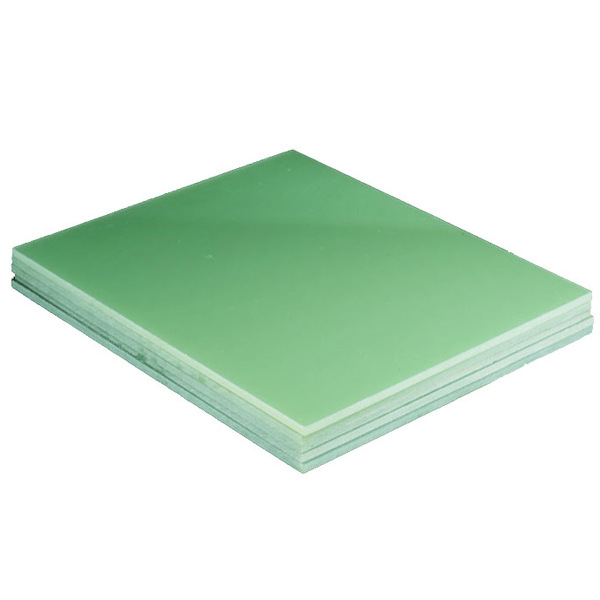
How Does Phenolic Cotton Sheet Improve Mechanical Performance?
2026-08-03 17:19:27
Phenolic cotton sheet significantly improves mechanical performance through its unique composite structure, where layered cotton fabric is thoroughly impregnated with phenolic resin and cured under high temperature and pressure. This creates a material with exceptional tensile strength, superior impact resistance, and remarkable dimensional stability. The cotton fabric provides natural vibration dampening and flexibility, while the phenolic resin matrix delivers rigidity and chemical resistance. This combination addresses critical industrial challenges—from reducing noise in gear systems to providing fail-safe mechanisms in heavy machinery, making phenolic cotton cloth laminate an indispensable choice for applications demanding both mechanical strength and operational reliability.
Understanding Phenolic Cotton Sheet and Its Key Mechanical Properties
Phenolic Cotton Sheets represent a high-tech engineering solution that is made by immersing layers of woven cotton cloth in phenolic resin and then heating and pressing them to temperatures above 150°C. Through this process, simple fibers are turned into a strong composite material that has qualities that are halfway between metals and insulators.
Composition and Manufacturing Process
The making method is very important in determining the mechanical properties of the material. Cotton cloth has a structure made of fibers that supports it and spreads mechanical loads evenly across the sheet. During impregnation, phenolic resin gets into these fibers and forms a molecular bond that holds the fabric layers together. The next step, curing, uses controlled heat and pressure to make sure that all the glue cross-links, filling in any gaps and making the structure uniform. With this careful construction, a material is made that doesn't deform even when mechanical stress is applied for a long time.
Core Mechanical Properties
The combination that was made has some amazing mechanical qualities that set it apart from other materials. For structural uses, the tensile strength is usually between 70 and 90 MPa, which is enough to hold loads. Impact strength is about 40% higher than that of phenolic paper laminates, so quick mechanical shocks don't cause catastrophic failure. The material stays the same size even when the temperature changes, and it doesn't expand or shrink too much, which could damage precision-engineered parts. It has a compressive strength of more than 200 MPa, which means it can be used in bearing and gear applications where heavy loads are common.
Comparative Advantages Over Alternative Materials
It's easy to see the benefits of Phenolic Cotton Cloth Laminate when we compare it to common building materials like plywood, MDF, or even fiberglass. In humid places, plywood and MDF can swell and separate when they get wet, which weakens their structural integrity. Even though fiberglass is strong, it doesn't naturally reduce vibrations like cotton-based composites do. Phenolic Cotton Sheets keep their mechanical properties the same in a range of environmental conditions, which is very important for parts of machinery that work in different industrial settings. Because the material lubricates itself, moving parts don't have to work as hard, so they last longer than when metals touch.
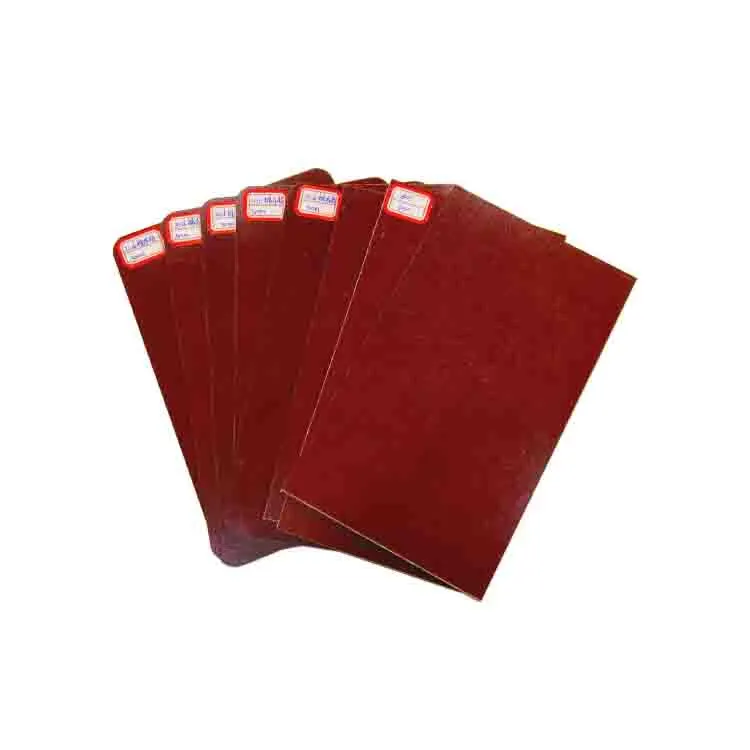
Key Factors Behind Phenolic Cotton Sheet's Enhanced Mechanical Performance
The better mechanical performance of Phenolic Cotton Cloth Laminate sheets is due to a number of linked factors. Each of these factors solves a different engineering problem that procurement managers and design engineers face.
Layered Construction and Load Distribution
The layered structure of Phenolic Cotton Sheets makes a system that reinforces in more than one direction. Woven cotton cloth, on the other hand, spreads stress over more than one surface at the same time, unlike unidirectional fiber combinations. When a mechanical load is put on the cloth, the stress doesn't build up at weak spots but spreads out over several layers. This stops cracks from spreading and stops catastrophic failure modes that happen a lot with brittle materials. Engineering studies show that this structure can handle cyclic loads a lot better than homogeneous plastics. This means that fatigue-related problems are less likely to happen in high-cycle uses.
Resin-Fabric Bonding Mechanism
When phenolic resin and cotton threads are chemically bound together, they work together to make the material stronger. Phenolic resin is naturally stiff and stable at high temperatures, while cotton fabric adds flexibility and toughness. The resin goes through each cotton fiber at a microscopic level, making a network of fibers that don't pull apart when the fabric is stretched. Because of this way of bonding, Phenolic Cotton Sheets don't delaminate even when hit by objects that would split layers in adhesive-bonded composites.
Temperature and Chemical Resistance
When materials are exposed to chemicals or high temperatures, their mechanical performance often goes down. Phenolic Cotton Sheets keep their shape at temperatures close to 150°C, while many plastics melt and lose their shape at those temps. Chemicals like oils, liquids, and weak acids that are common in industrial settings can't damage the cross-linked phenolic resin structure. This resistance stops the chemical breakdown that breaks molecular bonds in weaker materials. This keeps the mechanical properties fixed over the life of the part.
Natural Vibration Dampening
One unique engineering benefit of phenolic laminates made from cotton is that they naturally reduce vibrations. The mechanical shocks that would normally go through metal or hard plastic parts are absorbed and spread out by the cotton fibers. Builders of machinery use this property to cut down on noise pollution in gear systems and wear from tiny movements caused by vibrations. When metal drive shafts connect with Phenolic Cotton gears, the system produces significantly less noise when it works than when it is made of only metal.
Practical Advantages of Phenolic Cotton Sheet in Mechanical Performance
It's not very useful to know about a material's basic properties if you don't know how these qualities can be used to make things better. We've seen steady performance benefits in a wide range of workplace settings.
Durability and Extended Service Life
In tough situations, Phenolic Cotton Cloth Laminate sheets show amazing resistance to mechanical wear. For making car parts, this material is used to make insulation pads that keep their shape after thousands of heat cycles that would break down other materials. The wear resistance is especially useful in bearing and bushing uses because the material's self-lubricating features lower friction without the need for extra lubrication systems. When metal or plastic parts are replaced with the right kind of Phenolic Cotton parts, machinery builders say the parts last 30 to 50 percent longer.
Moisture and Chemical Stability
The waterproof properties of fixed Phenolic Cotton Sheets keep them from breaking down mechanically when they absorb water. When wood-based materials get wet, they swell, which makes it harder to get the right fit. But phenolic laminates don't change size when they're exposed to water for a long time. Chemical resistance makes this stability last in places with oils, hydraulic fluids, and industrial solvents. Manufacturers of electrical equipment like this property because it keeps mechanical spacers and structural supports in place even when they are exposed to transformer oils and cleaning agents on a regular basis.
High-Temperature Mechanical Retention
In many industrial processes, parts are heated to high temperatures, which makes their mechanical strength very important. Phenolic Cotton Sheets can still hold a lot of weight at temperatures that make thermoplastics shrink and bend. Manufacturers of transformers use this feature for arc shields and coil supports that need to keep their shape during temperature changes caused by overloading. The material has a safety margin that temperature-sensitive alternatives don't have, which lowers the risk of mechanical failure when operating conditions aren't normal.
Fail-Safe Performance Characteristics
When used in heavy machinery, Phenolic Cotton gears create a weak spot on purpose to protect the more expensive metal drive parts. When there is a jam, the phenolic gear tears instead of sending damaging forces to the steel shafts and bearings. This managed failure mode keeps important parts of machines from breaking down completely, which lowers the cost of repairs and downtime. When designing systems that need mechanical fuses to protect more valuable parts, design engineers like this predictable failure behavior.
Choosing the Right Phenolic Cotton Sheet for Mechanical Optimization
To choose the right Phenolic Cotton Cloth Laminate specs, you need to match the material's qualities to the needs of the application while keeping cost and performance in mind.
Thickness and Grade Selection
Phenolic Cotton Sheets come in different widths, from 0.5 mm to 100 mm, so they can meet a variety of industrial needs. For electrical insulation tasks that don't require a lot of mechanical strength, thin sheets that are between 0.5 and 3 mm thick are used. For clamps, spacers, and other light-duty structural parts, widths between 3 and 12 mm give the best balance of strength and weight. Sheets from 12 to 50 mm are used for heavy-duty uses that need to carry the most weight. These sheets can be used for gears, bearing blocks, and high-stress structure elements. Different grades are made with different types of resin and different weights of cotton cloth. Industrial grades have better mechanical features than commercial grades.
Performance-to-Cost Analysis
The mechanical strength-to-cost relationship is a key factor for procurement teams when they are looking at different material choices. Phenolic Cotton Sheets are a good compromise between cheap plastics that don't last long and expensive advanced composites that work better than many uses need. The material has mechanical properties that are good enough for industry, but it costs a lot less than metal alloys or carbon fiber composites of the same strength. OEMs that need a steady supply for production runs can save even more money by buying in bulk from well-known suppliers like J&Q.
Quality Standards and Certification
When procurement teams work with suppliers who have strict quality control systems, they can avoid material inconsistencies that hurt mechanical performance. Reputable makers use batch testing methods to check that the tensile strength, dielectric qualities, and dimensional tolerances are all in line with what the manufacturer says they will be. Following international standards like NEMA, IEC, and ASTM makes sure that the properties of the material match what was planned during the design process. Supply chain managers should give more weight to sellers who offer material certifications and tracking paperwork. This is especially important in situations where a failed component could affect safety or liability.
Best Practices for Integrating Phenolic Cotton Sheets into Your Mechanical Designs
To get the most out of the mechanical benefits of Phenolic Cotton Cloth Laminate, you need to pay close attention to the details of the design, the way it is made, and how it is installed.
Design Considerations for Optimal Performance
Engineers should make parts that use the material's strengths while also taking its weaknesses into account. Phenolic Cotton Sheets can be machined well with standard tools, but cutting them makes heat that could change the edge qualities. Using rounded corners instead of sharp interior angles keeps stress from building up and starting cracks. When putting together systems with metal and phenolic parts, taking into account the different rates of thermal expansion keeps the parts from sticking together or coming loose at different temperatures. The material's compressive strength benefits are best used when loads are spread out over larger contact areas instead of being concentrated in one place.
Fabrication and Machining Techniques
Phenolic Cotton Sheets keep their functional integrity when they are machined correctly. When working with rough composite materials, carbide or high-speed steel tools stay sharp longer than regular cutting tools. Cutting at moderate speeds and letting the blade cool down enough keeps heat from building up, which could damage the glue near the cut edges. Sharp twist drills with controlled feed rates are good for drilling because they keep the core from delaminating at breakthrough. With CNC machining, Phenolic Cotton Sheets can be made with very tight tolerances, which helps with the precise assembly needs of electrical switchgear and instrumentation.
Maintenance and Long-Term Performance
Even though Phenolic Cotton Cloth Laminate doesn't need much upkeep, following basic rules will make it last longer. By checking for damage or wear patterns on the surface on a regular basis, you can repair things before they stop working properly. In bearing situations, keeping an eye on the clearances makes sure that wear hasn't gotten so bad that changes in size affect how well the system works. Cleaning with mild solvents gets rid of built-up dirt and grime without hurting the phenolic matrix. These simple steps keep the technical benefits that led to the choice of material in the first place.
Real-World Performance Evidence
Builders of machinery that use Phenolic Cotton parts say that the machines work better. A major car supplier switched from metal motor brackets to phenolic insulation frames. This cut the weight of the parts by 60% and reduced assembly shaking by 35%. A company that makes power distribution equipment increased the time between servicing transformer bushings by 40% after moving to Phenolic Cotton arc barriers, which are more mechanically stable. These recorded changes show how useful it is to choose materials carefully and put them in the right way.
Conclusion
Phenolic Cotton Sheet has a unique composite structure that combines the flexibility of cotton cloth with the stiffness of phenolic resin. This gives it excellent mechanical performance. The information helps engineers solve important problems in areas like electrical, industrial machinery, automotive, and power, where mechanical reliability has a direct effect on how well products work and how much they cost to run. The high tensile strength, resistance to impact, sound dampening, and dimensional stability of this material make it a great choice for a wide range of parts, from electrical shielding to mechanical gears. Specifications that take into account thickness, grade, and supplier quality make sure that decisions about what to buy are in line with performance needs and budget limits. We looked at the technical reasons behind this material's mechanical benefits as well as real-world ways to use it that make the most of its benefits in tough industrial settings.
FAQ
How does phenolic cotton sheet compare mechanically to phenolic paper sheet?
Because cotton fabric is naturally tough and flexible, Phenolic Cotton Cloth Laminate is about 40% more resistant to impact than phenolic paper sheets. The knitted cotton structure makes it more resistant to mechanical shocks and keeps it from breaking easily when loads are applied quickly. Paper-based phenolic laminates are stiff enough for low-stress situations, but they tend to break when hit, while cotton-based materials can absorb and spread the impact. Because of this, Phenolic Cotton Sheets are better for mechanical uses that involve vibration, shock loading, or possible impact situations where the toughness of the material keeps the part from breaking.
What role do waterproof properties play in maintaining mechanical integrity?
Because treated Phenolic Cotton Sheets are waterproof, they don't change size when they come in contact with water, which would hurt their functional performance. Wood-based materials swell when they absorb water, which can loosen press-fits and change important dimensions. Phenolic Cotton Sheets keep their shape even after being wet for a long time, which makes sure that mechanical assemblies stay within the tolerances and clearances that were planned. Chemical resistance makes this stability last longer in places where oils and acids might break down weaker materials. It protects the mechanical features of the part for its whole life, no matter where it is used.
Can phenolic cotton sheets be customized for specific mechanical requirements?
Manufacturers offer a wide range of customization options to meet a wide range of mechanical needs. You can choose from thicknesses ranging from 0.5mm to 100mm to meet different load needs. Also, different resin formulations improve qualities like resistance to heat or mechanical strength. CNC machining makes it possible to make complex shapes with very tight tolerances, which supports precise mechanical assemblies. Suppliers can change the amount of resin and fabric used during production to get the best strength-to-weight ratios for each application. This lets them make solutions that exactly meet the mechanical performance needs.
Partner with J&Q for Superior Phenolic Cotton Sheet Solutions
With more than 20 years of experience, J&Q has been making and selling high-performance Phenolic Cotton Sheet options that are designed for tough industrial uses. As a well-known provider of Phenolic Cotton Sheet to electrical manufacturers, machinery builders, and car parts makers in North America and Europe, we know how important it is for your product's performance and image that the materials you use are reliable. Our large catalog has a lot of different sizes and grades of approved Phenolic Cotton Cloth Laminate. All of them have been through strict quality tests and meet international standards. With combined logistics skills gained through more than 10 years of foreign trade, we offer a one-stop service from spec help to delivery, taking away the difficulty of the supply chain. Visit jhd-material.com or email our expert team at info@jhd-material.com to talk about your unique mechanical performance needs and find out how our custom solutions can make your product more reliable while lowering the cost of procurement.
References
1. Harper, C.A. (2018). Handbook of Plastics Technologies: The Complete Guide to Properties and Performance. McGraw-Hill Education.
2. Mallick, P.K. (2020). Thermoplastics and Thermoplastic Composites: Technical Information for Plastics Users. Hanser Publications.
3. Richardson, T. (2017). Industrial Plastics: Theory and Applications. Cengage Learning.
4. Kutz, M. (2019). Applied Plastics Engineering Handbook: Processing, Materials, and Applications. William Andrew Publishing.
5. Brandrup, J., Immergut, E.H., and Grulke, E.A. (2016). Polymer Handbook: Physical Constants of Important Polymers. Wiley-Interscience.
6. Chanda, M. and Roy, S.K. (2021). Industrial Polymers, Specialty Polymers, and Their Applications. CRC Press.

 拷贝_1755500211555.jpg)