How Does Phenolic Paper Laminate Compare for Mechanical Processing Needs?
2026-09-17 17:17:23
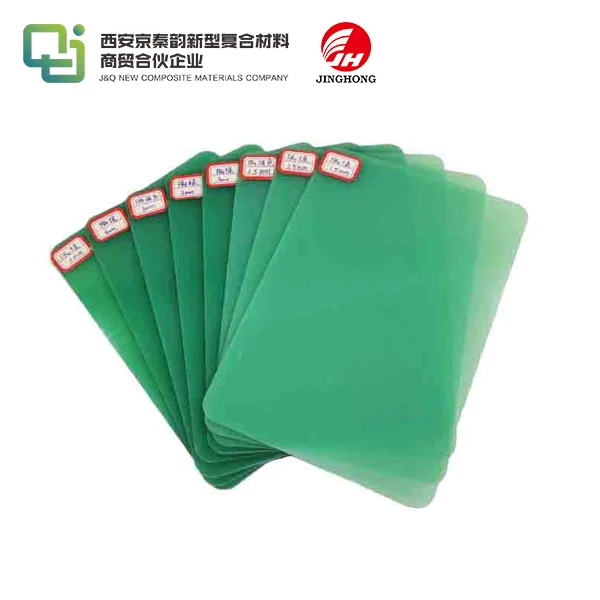
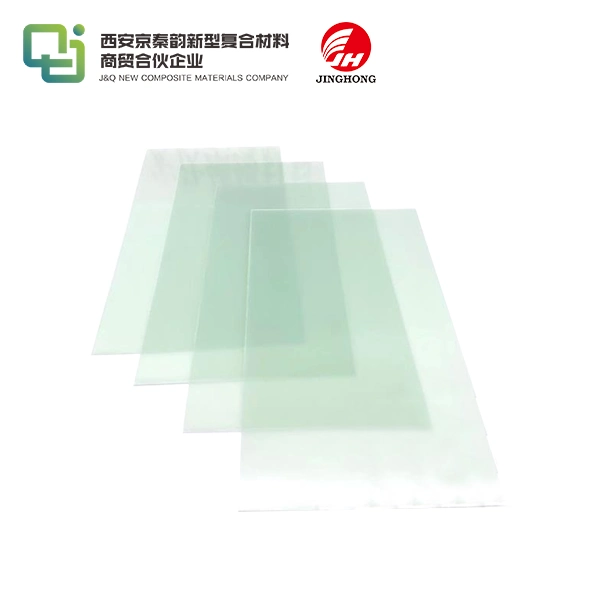
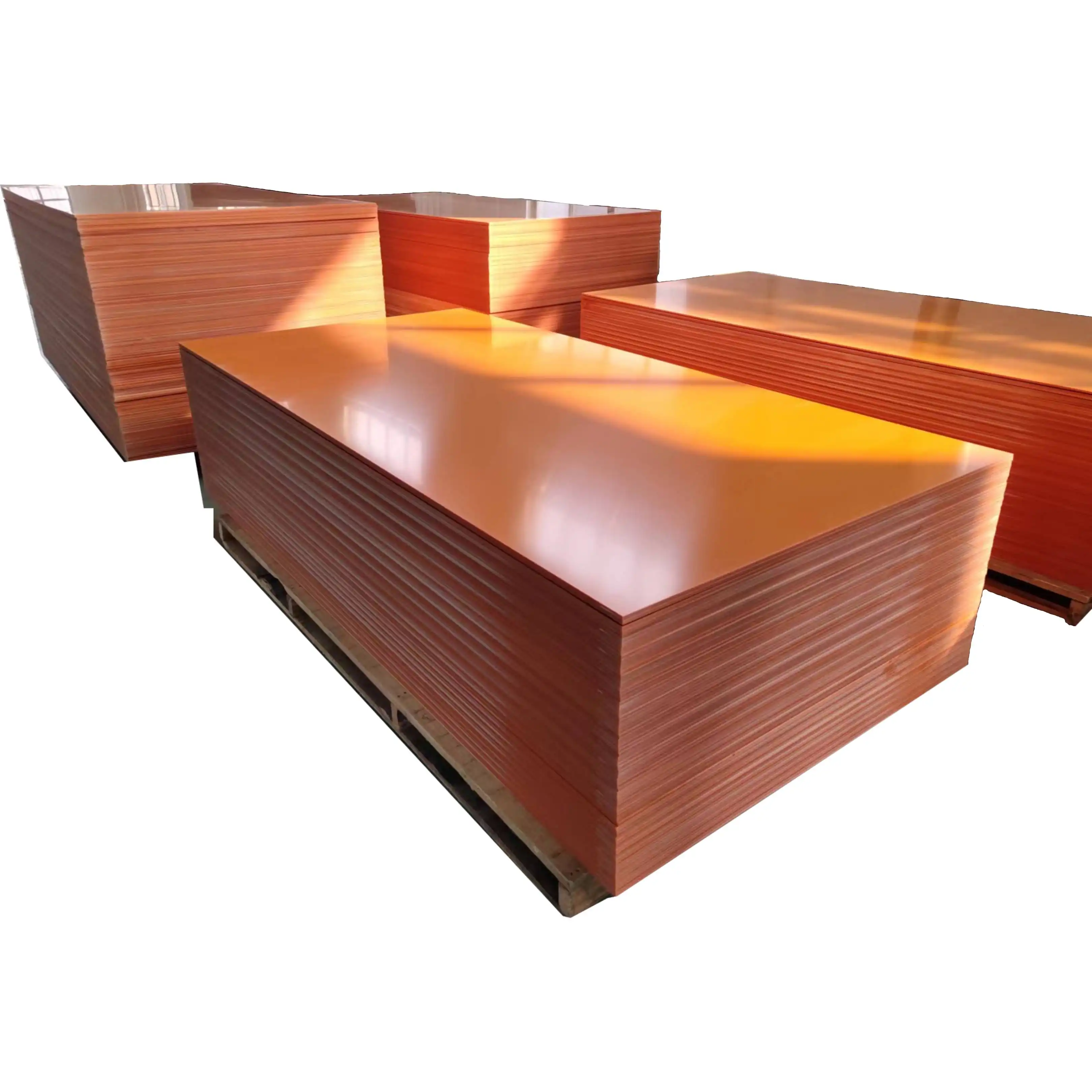
When engineers and procurement teams evaluate insulation materials for machining applications, phenolic paper laminate consistently stands out as a high-value candidate. Made from cellulose paper layers saturated with phenolic resin and compressed under heat and pressure, this thermosetting composite delivers reliable dielectric strength, dimensional stability, and clean machinability. Compared to alternatives like FR4 epoxy glass or cotton-based laminates, phenolic paper laminate offers a compelling balance between cost efficiency and mechanical performance — making it a go-to choice for electrical insulation, switchgear components, and transformer parts across multiple industries.
Understanding Phenolic Paper Laminate and Its Mechanical Properties
What Makes This Material Mechanically Capable?
The specific gravity of Phenolic Paper Laminate, also known as paper-based Bakelite and categorized by NEMA grades X, XX, XXX, XP, XXP, and XXXP, is between 1.30 and 1.45 g/cm³. In better-grade sheets, its bending strength is usually higher than 100 MPa. When the resin matrix is fully cured, it doesn't react with mineral oils, weak acids, or chlorinated hydrocarbons. This means that it stays stable even in places where oil is present, like transformer housings.
The thermal rating is what engineers really care about. It can work constantly at either Class E (120°C) or Class B (130°C), depending on the grade. This is more than enough for medium-voltage electrical insulation uses. It usually has a dielectric strength of 300–500 V/mil (12–20 kV/mm) in oil, which meets the requirements of NEMA LI-1, IEC 60893, and ASTM D709 standards. These checked specs give procurement teams peace of mind when they test it in real production settings.
Comparing Phenolic Paper Laminate with Other Laminates for Mechanical Processing
How It Stacks Up Against FR4, Cotton Phenolic, and Melamine?
Not all laminates can be made in the same way. In terms of the most common alternatives, Phenolic Paper Laminate is better than the following:
- vs. FR4 (Epoxy Glass): FR4 is more resistant to mechanical impact and has a V-0 flame rating, but it costs a lot more and cuts through cutting tools more quickly. Phenolic Paper Laminate makes tools last a lot longer and works well as standard-frequency (50/60Hz) electrical insulation when FR4 is too complicated.
- vs. Cotton Phenolic Laminate: Grades made from cotton have higher impact strength and are easier to machine when under stress, which makes them better for parts that have to hold mechanical loads. But Phenolic Paper Laminate grades absorb less water (as little as <1.0% for XXX grade) and are better at insulating electricity, which is very important in places that are wet or oily.
- vs. Melamine Laminate (HPL): High-pressure melamine laminates put an emphasis on how hard the surface is and how it looks. They aren't designed to work well with the tight tolerances needed for precise CNC drilling or punching in electrical and industrial machining. Particularly in "P" types (XP, XXP, and XXXP), which have plasticizers that allow for cold or warm punching at about 40–80°C without edge cracking, Phenolic Paper Laminate handles precision punching neatly.
- vs. Epoxy Laminates (3240): Epoxy laminates like 3240 are better for high-voltage uses because they are better at resisting heat and arcs. Still, Phenolic Paper Laminate is still a better choice for large-scale medium-voltage insulation because it is easier to work with and costs less.
When buyers know these differences, they can choose the right type of laminate instead of the most expensive one.
Mechanical Processing Considerations for Phenolic Paper Laminate
Machining Best Practices That Protect Material Integrity
CNC routing, drilling, sawing, and punching work well with Phenolic Paper Laminate when the proper settings are used. When used at low speeds, carbide-tipped tools keep surfaces from delaminating and avoid heat buildup. It is important to use sharp tools because dull blades cause heat to build up in specific areas, which weakens the resin material near the cut edges.
P-grade materials (XP, XXP, and XXXP) are specially made with plasticizers for cutting in large quantities. Because these grades punch cleanly and don't crack much, they are essential for making large parts for the appliance and electrical industries.
In structural insulation, thickness tolerances are important. Custom widths of sheets can be made to fit the size needs of PCB support plates, motor coil barriers, and mechanical spacers. Before agreeing to a batch, buyers should double-check their supplier's flatness retention specs. This is especially important for CNC applications that need tight standards. When sheets are stored correctly—laying flat on flat pallets in a climate-controlled space that is about 20°C and has a relative humidity below 50%—they stay flat and don't warp from moisture.
Procurement Insights for Mechanical Processing Needs
What to Verify Before Placing a B2B Order?
It takes more than looking at a price sheet to find a reliable Phenolic Paper Laminate supplier. The most useful procurement checklist has the following items:
- Grade certification: Check that the paperwork you have shows that you follow NEMA LI-1, IEC 60893, and ASTM D709 rules. Check the UL 94 ratings for uses that are sensitive to UL. Standard grades have an HB classification, while FR-1 and FR-2 modifications offer flame-retardant choices.
- Batch consistency: Stable thickness specs across runs cut down on rework and assembly mistakes for OEM and mass-production buyers. Ask for some test data from previous production runs.
- Customization capability: Buyers who buy a lot of sheets benefit from sellers who can change the sizes, thicknesses, and grades of sheets to fit their needs. This lowers the costs of making things later on.
- Logistics reliability: Shipping dependability and lead times have a direct effect on production plans. Suppliers whose transportation system is linked lower the risk of delivery.
All of these things affect whether a partnership with a supplier leads to long-term production reliability or quality problems that keep happening.
Why Phenolic Paper Laminate Is the Preferred Choice for Mechanical Processing
Proven Performance Across Electrical, Industrial, and Energy Applications
Phenolic Paper Laminates have a unique place in many fields, from making transformers to making home appliances. Because they have stable dielectric qualities, can be machined easily, don't react with oil, and aren't too expensive, engineering teams keep coming back to them.
Here are the main reasons why this choice is a good one:
- Cost-effective electrical isolation for medium-voltage uses where glass-epoxy laminates are technically unnecessary and too expensive, this is a cost-effective way to separate the electricity.
- Excellent punch machinability in P-grades are very easy to punch and machine, which lowers the amount of scrap in high-volume pressing and drilling processes.
- Oil and chemical resistance to oil and chemicals that keep the structure stable inside transformer tanks and switchgear enclosures.
- Broad grade range (X to XXXP) makes it possible to precisely match the mechanical and electrical needs of each application.
These benefits directly meet the needs of electrical makers, machinery OEMs, procurement specialists in the power sector, and providers of car parts. As resin chemistry improves, new formulations are being made with fewer volatile organic compounds. This meets the changing needs for environmental compliance without lowering the mechanical performance.
Conclusion
Phenolic Paper Laminate has a well-deserved place in the list of industrial materials. In the right situations, it can really compete with FR4, cotton phenolics, and epoxy laminates because it is easy to machine, has good electrical properties, and is cost-effective. Understanding the grade system, which goes from X to XXXP, is important for buying teams that are in charge of large-scale production and engineers who are making parts that need to be punched cleanly or machined precisely. It's important to match the right grade with the right setting and working method.
FAQ
What is the difference between Grade X and Grade XXX phenolic paper laminate?
Grade X is good for structural uses because it focuses on mechanical strength but is less resistant to humidity. Grade XXX has more resin, which makes it better at insulating against electricity and keeping wetness out (less than 1.0%). It is the best choice for places with a lot of dampness or oil for Phenolic Paper Laminate.
Can phenolic paper laminate be cold punched?
To keep standard grades from cracking when they are punched, they need to be heated to 40–80°C. P-grade versions (XP, XXP, and XXXP) have plasticizers in them that let you punch them cold or warm and get clean edges. This makes them useful for making a lot of parts.
Is this material compliant with UL and RoHS requirements?
A rating of UL 94 HB is given to standard grades. There are FR-1 and FR-2 grades for tighter flame standards. RoHS compliance depends on the formulation of the resin, and you should check with your supplier through material safety documentation to make sure.
How does moisture absorption affect machining outcomes?
When you machine something with a higher moisture content, the dimensions become unstable and the edges chip. Sheets stay flat and cutting standards stay the same during production if they are stored properly at below 50% relative humidity and about 20°C.
Partner with J&Q for Reliable Phenolic Paper Laminate Supply
J&Q has been making insulated sheets for more than 20 years and has worked with other countries to trade for more than 10 years. We have been making Phenolic Paper Laminate for a long time and have a combined logistics operation. This means that we can guaranty stable quality, custom specs, and reliable lead times. Get in touch with our technical team at info@jhd-material.com or visit jhd-material.com to get a price right away, whether you need standard grades or solutions that are made just for your purpose.
References
1. National Electrical Manufacturers Association (NEMA). NEMA LI-1: Industrial Laminating Thermosetting Products. NEMA, 2020.
2. International Electrotechnical Commission. IEC 60893: Insulating Materials — Industrial Rigid Laminated Sheets Based on Thermosetting Resins for Electrical Purposes. IEC, 2019.
3. ASTM International. ASTM D709: Standard Specification for Laminated Thermosetting Materials. ASTM International, 2021.
4. Harper, Charles A. Handbook of Plastics Technologies. McGraw-Hill, 2006.
5. Brydson, J.A. Plastics Materials, 7th Edition. Butterworth-Heinemann, 1999.
6. Ulrich, K.T., and Eppinger, S.D. Product Design and Development, 6th Edition. McGraw-Hill Education, 2015.