How Is 3526 Phenolic Cloth Laminated Tube Applied in Switchgear?
2026-07-24 17:20:13
When managing electrical infrastructure, choosing the right insulation component can determine whether your switchgear operates safely for decades or fails unexpectedly. The 3526 Phenolic Cloth Laminated Tube serves as a critical insulating component in medium and low-voltage switchgear assemblies, providing robust mechanical support and electrical isolation between live conductors and grounded metal enclosures. This phenolic cotton cloth tube prevents arc faults, reduces electromagnetic interference, and withstands the thermal stresses generated during fault conditions, making it indispensable for power distribution panels, circuit breaker housings, and bus bar insulation systems across electrical and industrial applications.
Understanding how these tubes function within switchgear systems helps procurement managers and engineering teams select materials that meet safety standards while maintaining operational efficiency. This article explores the technical specifications, comparative advantages, and practical implementation strategies for phenolic cloth laminated tubes in switchgear environments.
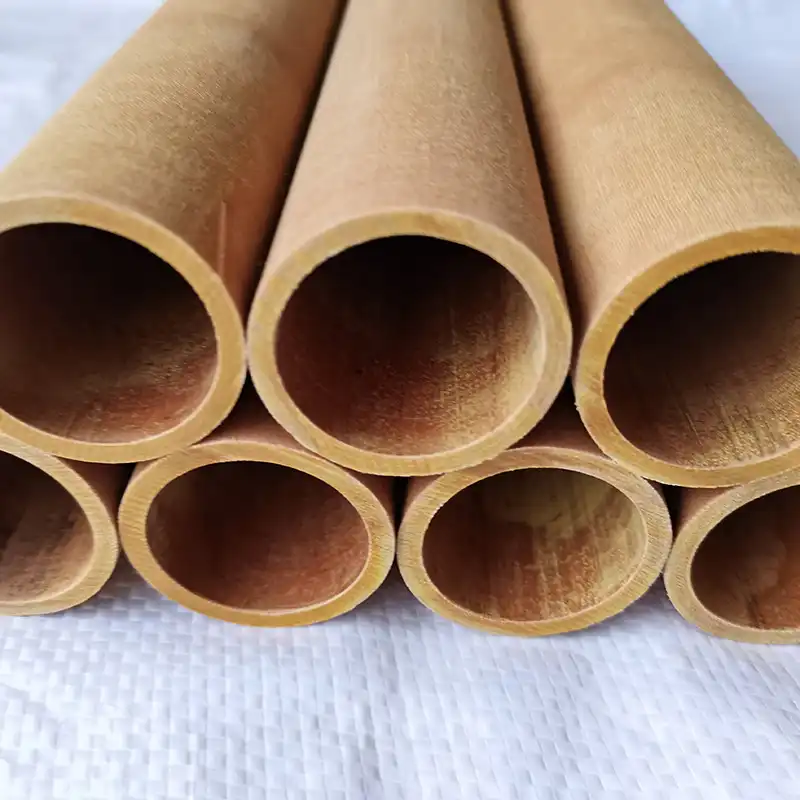
What Are 3526 Phenolic Cloth Laminated Tubes?
Manufacturing Process and Material Composition
The process of making 3526 Phenolic Cloth Laminated Tubes starts with cotton cloth that is carefully scourged and dessized to get rid of any flaws. Then, manufacturers soak this ready-made cloth in phenolic glue and put it through a controlled curing process that includes heating, rolling, pressing, and baking. With this method, a composite material is made with layers that are tightly linked together and don't separate when mechanical force is applied. According to GB/T 5132 standards, the 3526 Phenolic Cloth Laminated Tube has a density between 1.04 and 1.20 g/cm³ and a distinctive reddish-brown colour.
At J&Q, we put a lot of emphasis on precise measurements when we make things. We can make 3526 Phenolic Cloth Laminated Tube to any size, with inner diameters ranging from φ5mm to φ1500mm and outer diameters ranging from φ6mm to φ2000mm. The minimum wall thickness is 0.5 mm, and strict tolerances are kept throughout the production process. 3526 Phenolic Cloth Laminated Tube can be made up to 2 meters long, which means they can fit different types of switches without needing extra joints that could weaken the insulation.
Key Mechanical and Electrical Properties
3526 Phenolic Cloth Laminated Tube products have a very high radial tensile strength, which is very important when the tubes need to stand up to compressive forces from mounting hardware or vibrations caused by switchgear operation. The material has a bent strength of more than 80 MPa and a compression strength of more than 45 MPa, which makes it stable in tough situations.
Surface resistivity of at least 1.0×10⁸ Ω and volume resistivity of 1.0×10⁷ Ω·m are electrical performance qualities that make the insulation barriers reliable. The material keeps an electric strength of at least 3.5 MV/m in the vertical direction when tested at 50Hz in transformer oil at 20°C. The 3526 Phenolic Cloth Laminated Tube can work well in places where heat from electrical loads keeps the temperature high for a long time because their thermal stability goes up to 130°C.
The amount of water that is absorbed stays below 4%, which is especially important in humid working conditions or when installing switches outside, where water could damage the dielectric qualities. This low absorption rate helps keep electricity performance stable even when the surroundings changes.
Why 3526 Phenolic Cloth Laminated Tubes Are Essential in Switchgear?
Electrical Insulation and Safety Enhancement
In switchgear assemblies, there are several live conductors that work at different voltage levels inside small metal cases. Electrical arcing between conductors or from conductors to ground can destroy equipment, start fires, and hurt people if there aren't the right shielding measures in place. The 3526 Phenolic Cloth Laminated Tubes physically separate these parts and have a high dielectric strength that stops current leaks even when there is a voltage spike.
The 3526 Phenolic Cloth Laminated Tube acts as safe shields around circuit breakers, support structures for terminal blocks, and insulating sleeves for bus bars. When there is a fault, short-circuit currents create a lot of heat and magnetic forces. The thermal stability of 3526 Phenolic Cloth Laminated Tube keeps the insulation from breaking, which could make the fault worse. This ability to limit saves nearby equipment and gives safety devices time to separate the fault.
Addressing Equipment Failure Risks
Many switchgear breakdowns in industrial settings are caused by choosing the wrong shielding. Materials that aren't strong enough mechanically may crack when they are vibrated or heated and cooled, making paths for arc tracking. 3526 Phenolic Cloth Laminated Tube products that don't resist moisture well soak up water, which lowers their dielectric properties and could lead to flashover between conductors. If some parts can't handle the working temperature, they might soften or deform, which would make it harder to keep the spacing lengths that were planned into the switchgear layout.
3526 Phenolic Cloth Laminated Tube can handle these types of failure because they are strong mechanically, don't absorb water easily, and stay stable at high temperatures. The material keeps its qualities over a longer period of time and is better at resisting the effects of ageing than some other insulation materials. This makes things more reliable, which cuts down on maintenance needs and unplanned downtime, which helps keep the total cost of ownership for electrical infrastructure low.
Real-World Performance Verification
Leading switchgear manufacturers have seen better reliability metrics since switching to 3526 Phenolic Cloth Laminated Tube for important insulation tasks. Power distribution equipment that works in coastal areas with high humidity has shown that it can keep working without losing its dielectric strength. When 3526 Phenolic Cloth Laminated Tube is used correctly, it lasts longer in industrial settings where heavy motor loads put thermal stress on switchgear components.
Testing labs confirm that 3526 Phenolic Cloth Laminated Tube that meet GB/T 5132 standards always perform above the minimum requirements. This provides engineering safety factors that account for differences in real-world working conditions. This track record gives buying teams more trust when they are looking at insulation materials for new projects or to upgrade old equipment.
Comparing 3526 Phenolic Cloth Laminated Tubes to Alternative Materials
Material Performance Analysis
Engineers usually look at fiberglass-reinforced epoxy tubes, paper-based phenolic tubes, and 3526 Phenolic Cloth Laminated Tubes when they are looking at insulation materials for switchgear uses. Depending on the needs of the application, each material has its own unique benefits.
Fibreglass epoxy tubes are strong enough for heavy-duty industrial use because they can handle higher temperatures and have better mechanical strength. They are hard to machine, though, and usually cost more than 3526 Phenolic Cloth Laminated Tube options. Because the material is so fragile, it can crack when hit, so it needs to be handled carefully during installation.
Paper-based phenolic tubes are cheaper and better at insulating electricity, but they are not as strong as 3526 Phenolic Cloth Laminated Tube versions. These tubes do a good job in situations where there isn't much mechanical stress, but they might not last long enough in switchgear settings where there is vibration or physical touch during repair.
The mechanical strength, electrical performance, and cost-effectiveness of 3526 Phenolic Cloth Laminated Tube are all just right. Compared to paper-based materials, the cloth support makes the material stronger and less likely to crack. Machining properties make it possible to drill, thread, and cut precisely without wearing out the tools too quickly. This makes custom fitting easier when putting together switchgear.
Selection Criteria for Optimal Performance
When choosing insulation tubes, procurement teams should think about a number of things. The voltage rating sets the minimum dielectric strength needed. For higher voltage uses, materials like 3526 Phenolic Cloth Laminated Tube need to be better at insulating electricity. The required strength qualities are shown by mechanical loading from mounting hardware, vibration, or possible impact during repair tasks.
Conditions in the environment, like the temperature, humidity, and the chance of being exposed to oils or chemicals, affect the choice of material. For use in transformer caves or outdoor switchgear, 3526 Phenolic Cloth Laminated Tube that are better at resisting wetness may be needed. On the other hand, materials that are better at withstanding heat from equipment near them are better for installations nearby.
Budget limits must be weighed against the need for efficiency and the expected length of service life. Even though high-quality 3526 Phenolic Cloth Laminated Tube may cost more at first, they usually end up being cheaper in the long run because they last longer and need less upkeep. Standardising on materials that can be used for more than one purpose in a building makes managing supplies and buying things easier.
Procurement Insights for 3526 Phenolic Cloth Laminated Tubes
Supplier Evaluation Criteria
To find trustworthy providers for 3526 Phenolic Cloth Laminated Tubes, you need to look at more than just price. Certifications like ISO 9001:2015 show that quality control systems have been in place for a while and make sure that all production batches of the same product meet the same standards. When factories have their own testing equipment, they can check the 3526 Phenolic Cloth Laminated Tube electrical properties, mechanical strength, and size limits before sending them out. This lowers the chance of getting materials that don't meet standards.
When planning big projects or setting up long-term supply relationships, production capacity is important. Suppliers whose annual output of 3526 Phenolic Cloth Laminated Tube is 100 tonnes or more can usually handle changing order numbers without having to extend lead times by a lot. This ability to grow is useful when project deadlines get pushed back or when equipment makers need to make more.
Customisation features let suppliers make 3526 Phenolic Cloth Laminated Tube that fit specific design needs without causing engineers to give up on measurements or requirements. Suppliers who are willing to work with non-standard specifications by negotiating together show flexibility, which is good for projects that need to meet specific technical needs.
Order Planning and Logistics Considerations
Lead times for 3526 Phenolic Cloth Laminated Tube depend on whether the specifications match standard stock sizes or need to be made to order. Standard sizes with wall thicknesses between 1.5 mm and 2 mm and popular width ranges may be in stock, which lets orders be filled quickly. Custom sizes usually need production runs with wait times of a few weeks, but this can vary based on the supplier's capacity and the number of orders.
Ocean, land, and air freight are all types of transportation that buyers can use to balance cost and delivery speed based on project deadlines. Normal packing methods keep 3526 Phenolic Cloth Laminated Tube safe while they're being shipped, but buyers should make sure that the packaging is right for the type of shipping and handling that will be happening during delivery.
Planning inventory and getting items are affected by how much space is available. 3526 Phenolic Cloth Laminated Tube should be kept in their original packaging in dry, cool, well-ventilated places that aren't near heat sources or things that could catch fire. The material has a twelve-month shelf life from the date it was manufactured, so it needs to be rotated through the store to make sure that its qualities stay as specified at the time of use.
Technical Support and After-Sales Service
Full seller help goes beyond just delivering 3526 Phenolic Cloth Laminated Tube products. Technical advice helps engineering teams choose the best materials and apply them in the best way for each circuit design. Suppliers with a lot of knowledge can tell you the best ways to machine, install, and maintain a product so that it works well and lasts as long as possible.
As a company that has been in production for more than 20 years and has worked with international trade for ten years, J&Q can give you detailed advice throughout the whole process of buying and putting 3526 Phenolic Cloth Laminated Tube in place. Our in-house logistics services make sure that tracking shipments and planning deliveries are organised so that they happen on time and in line with project goals. This integrated service approach makes it easier for procurement teams to coordinate with multiple suppliers on large projects.
Best Practices for Using 3526 Phenolic Cloth Laminated Tubes in Switchgear
Handling and Storage Protocols
When 3526 Phenolic Cloth Laminated Tubes arrive at your facility, they need to be handled properly. Check the package for damage that might have happened during shipping, since bumps can cause cracks inside that can't be seen on the outside. To keep 3526 Phenolic Cloth Laminated Tube from warping or deforming from their own weight, store them horizontally on padded supports. This is especially important for longer tubes or sections with thin walls.
To keep storage places from absorbing water, keep the temperature fixed between 15°C and 25°C and the relative humidity below 60%. Keep 3526 Phenolic Cloth Laminated Tube in their original packing until you are ready to use them. Letting them sit out in the air can cause them to slowly absorb wetness, which can change how they work and how they conduct electricity. Plan when to take materials out of storage so that they have time to get used to the workshop environment before they are machined. This will lower the risk of changes in size during fabrication.
Machining and Installation Techniques
When working with 3526 Phenolic Cloth Laminated Tube, they behave differently when machined than metals, so methods need to be changed to get the best results. If you can, cut things without using coolant. Using coolant can change the electrical qualities and add more moisture. Because the material doesn't transfer heat well, it needs low feed rates and high cutting speeds to keep heat from building up and burning or weakening the resin.
Sharp cutting tools keep 3526 Phenolic Cloth Laminated Tube materials from coming apart and make lines that are cleaner. When working with rough composite materials, carbide-tipped tools stay sharp longer than high-speed steel. During grinding, make sure there is enough air flow and dust collection because the process creates particles that need to be handled correctly to protect worker health.
Once the work is done, cover the cut edges and drilled holes with insulating varnish to keep water out. By sealing the 3526 Phenolic Cloth Laminated Tube exposed surfaces, this step stops water from getting into the layers, which is where it's most likely to happen. Make sure the protective coating does what it's supposed to do by letting the treated parts cure completely before installing them.
Maintenance and Inspection Schedules
Checking the 3526 Phenolic Cloth Laminated Tube inside switches on a regular basis can help find problems before they break the equipment. When looking at it visually, you should look for surface cracks, discolouration that means it's too hot, or signs of tracking from electrical stress. Pay close attention to the fixing places that have a lot of mechanical stress. This is where fatigue cracking is most likely to happen.
Using a megohmmeter for electrical tests confirms that the 3526 Phenolic Cloth Laminated Tube insulation resistance stays above the lowest allowed levels. If the resistance values go down over time between checks, it could mean that the material is breaking down or absorbing water, which means that the part needs to be replaced. Set up baseline measurements during the initial installation so that you have values to compare against when it's time for maintenance.
Write down what the inspection found and keep track of the 3526 Phenolic Cloth Laminated Tube specifications, installation dates, and environmental conditions. This information helps find patterns that could mean there are systemic problems that need to be fixed, like not enough ventilation leading to too much heat exposure or problems controlling humidity that speed up the ageing process of materials.
Conclusion
3526 Phenolic Cloth Laminated Tubes in switchgear systems provide important insulation and mechanical support. They also provide stable electrical performance and long-term durability. Procurement teams and engineers can choose parts that make tools safer and last longer by knowing about their material qualities, application needs, and the right way to put them together. The balanced features of these tubes meet the complex needs of switchgear environments that are subject to electrical, thermal, and mechanical stresses that test insulation materials over the course of their useful life. When using these parts in important electrical infrastructure uses, they work best when they come from a reliable source, are handled and installed correctly, and are maintained in a planned way.
FAQ
What temperature range can 3526 phenolic cloth laminated tubes withstand?
When these 3526 Phenolic Cloth Laminated Tubes are used continuously, they stay stable at temperatures up to 130°C. The phenolic resin system keeps its mechanical and electrical properties at all these temperatures. It may be okay for 3526 Phenolic Cloth Laminated Tube to be exposed to higher temperatures for short periods of time during fault conditions, but long-term exposure above the rated temperature can speed up ageing and shorten their useful life.
Can phenolic tubes be customized for unique switchgear configurations?
Some of the ways that 3526 Phenolic Cloth Laminated Tube can be customised are non-standard inner and outer diameters, specific wall thicknesses, and cut lengths that are made to fit the needs of the design. Manufacturers can get 3526 Phenolic Cloth Laminated Tube by negotiating with suppliers and buyers to find the right ones for specific uses. When compared to normal stock sizes, custom orders usually need minimum quantities and longer wait times. Planning procurement plans properly helps keep projects on track.
How do I verify supplier quality for critical electrical applications?
Check if sources have quality certifications like ISO 9001:2015, ask for examples of 3526 Phenolic Cloth Laminated Tube to be tested by a third party, and look over technical data sheets to make sure they meet GB/T 5132 or similar standards. When you can, visit factories to get a feel for how they make 3526 Phenolic Cloth Laminated Tube and how they check the quality of their products. Before accepting suppliers for production use, set up qualification processes that require material certification papers and arriving inspection protocols.
Partner with J&Q for Your Switchgear Insulation Needs
J&Q has been making 3526 Phenolic Cloth Laminated Tubes that meet the strict requirements of electrical and industrial uses for more than 20 years. As a reputable 3526 Phenolic Cloth Laminated Tube provider, we keep our ISO 9001:2015 certification and strict quality control procedures to make sure that every tube meets the required electrical performance and size limits. Our ability to customise means that we can make switches with widths from φ5mm to φ1500mm and lengths of up to 2 meters.
Our integrated logistics network lets us coordinate shipping by sea, land, and air so that it fits with the schedule for your project. Our technical team can help you with everything from choosing the right materials to installing them. They do this by working closely with both domestic and international trading partners. Email us at info@jhd-material.com to talk about your unique needs and get full specifications that are made to fit your switchgear uses.
References
1. National Electrical Manufacturers Association. "Industrial Laminated Thermosetting Products Standards." NEMA LI 1-2018, Technical Guidelines for Phenolic Laminates.
2. Institute of Electrical and Electronics Engineers. "IEEE Guide for Insulation Maintenance of Electric Machines." IEEE Std 56-2016, Maintenance and Testing Protocols.
3. International Electrotechnical Commission. "Specifications for Industrial Rigid Laminated Sheets Based on Thermosetting Resins for Electrical Purposes." IEC 60893-3-2:2017.
4. Smith, R.J. and Patterson, D.W. "Electrical Insulation Materials in Power Systems." Industrial Press Technical Manual, 2019 Edition.
5. Zhang, H. and Chen, L. "Performance Characteristics of Phenolic Resin Composites in Electrical Applications." Journal of Composite Materials for Industrial Engineering, Vol. 45, No. 3, 2020.
6. American Society for Testing and Materials. "Standard Test Methods for Electrical Insulating Materials." ASTM D229-20, Dielectric Strength Testing Procedures.