FR4 Board Selection Guide for Industrial Electrical Applications
2026-07-24 17:20:11
Choosing the right FR4 board can determine whether your industrial electrical project thrives or faces costly setbacks. As glass-epoxy laminates continue dominating PCB substrates and structural insulation components across manufacturing sectors, procurement managers and engineering teams need reliable criteria to navigate technical specifications, supplier credentials, and application-specific requirements. This guide consolidates over two decades of industry insights to help you select FR4 materials that balance performance, compliance, and cost-effectiveness for demanding industrial environments.
Understanding FR4 Boards: Composition, Properties, and Uses
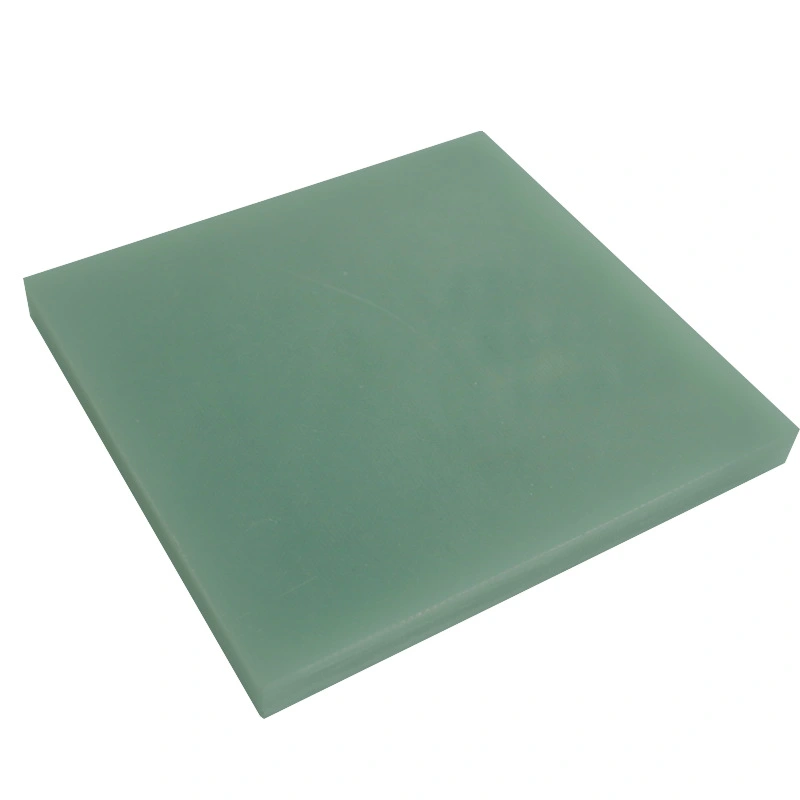
Understanding what makes FR4 boards special is the first step in making good material choices. At its core, this laminate is made of flame-resistant epoxy glue mixed with knitted fibreglass cloth in a very controlled heat-and-pressure curing process. The letters "FR" stand for flame-retardant, and the number "4" tells you the exact grade in the NEMA system.
Core Composition and Manufacturing Process
In the way we make things, we stack several pieces of E-glass fabric on top of each other. Each sheet is already filled with epoxy glue that has flame retardants based on bromine. At temperatures above 170°C and pressures of up to 1,400 psi, these layers are compressed, making a uniform laminate structure. Checkpoints for quality control keep an eye on the amount of resin, the positioning of the layers, and the curing processes to make sure there are no holes or delaminations that could affect the electrical performance.
Essential Technical Properties
The material exhibits a density ranging from 1.85 to 2.10 g/cm³, delivering a remarkable strength-to-weight ratio. Flexural strength exceeds 340 MPa in the lengthwise direction, while impact resistance reaches approximately 250 J/m. Electrically, it maintains a dielectric constant between 4.4 and 4.8 at 1 MHz, with breakdown voltage surpassing 40 kV when tested parallel to the laminate layers. Water absorption remains below 0.1%, preserving insulation integrity even in humid industrial settings.
Industrial Application Scenarios
These epoxy boards are used by electronics companies as PCB bases in industrial control systems because they have stable dielectric qualities that keep signals from getting mixed up. Machined parts are used as busbar supports and arc chutes in power distribution equipment. The high Comparative Tracking Index of the material helps keep the surface from carbonising when the voltage is high. Precision-machined test tools and solder boards are used in factories because they keep their shape even after being heated and cooled many times. Automotive suppliers put insulation pads inside battery pack units, which are required to meet strict safety standards for flame retardancy.
Comparing FR4 Boards with Alternative Materials
If you want to find the right insulation for your home, you need to know how glass-epoxy laminates compare to other options. Each type of material has its own performance requirements and cost concerns.
Thermal Management Capabilities
Standard FR4 works reliably at constant temperatures up to 130–140°C, which is its glass transition point (Tg), and for FR4 board, this defines the upper limit for continuous operation in most electronics, with high-Tg versions extending this to 170°C or higher for automotive under-hood applications, while metal-core PCBs and polyimide laminates offer superior thermal performance at significantly higher material costs. Above this point, its mechanical properties start to break down. High-Tg versions raise this temperature limit to 170°C or higher, making them fit for use under the hood of an automobile. Metal-core PCBs work best when better heat dissipation is needed, but they cost a lot more in materials. Polyimide laminates can withstand temperatures above 250°C, but they cost more than other industrial tools, which isn't always necessary.
Electrical Performance Trade-offs
Rogers and PTFE-based laminates have better high-frequency properties and less dielectric loss, which makes them perfect for RF uses and phone gear. The glass-reinforced epoxy laminate is cheaper than other options and has good enough electrical properties for most industrial control circuits that work below 1 GHz. Its dielectric strength is more than 30 kV/mm in a straight line, so it can safely insulate switchgear parts that are rated for up to 15 kV of service voltage.
Mechanical Strength and Machinability
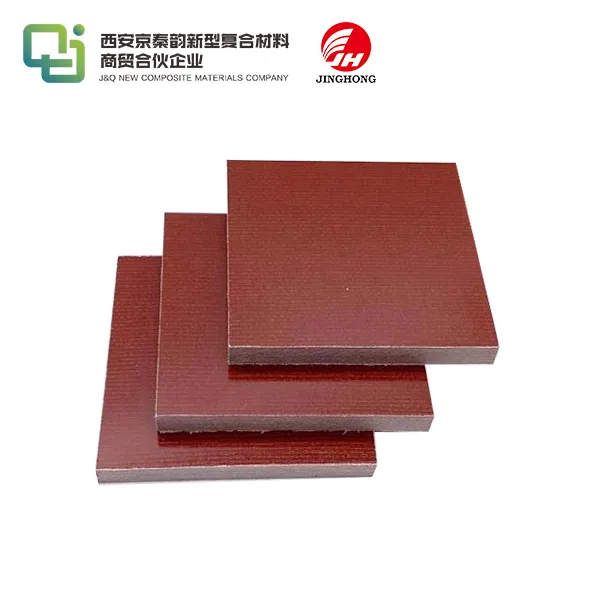
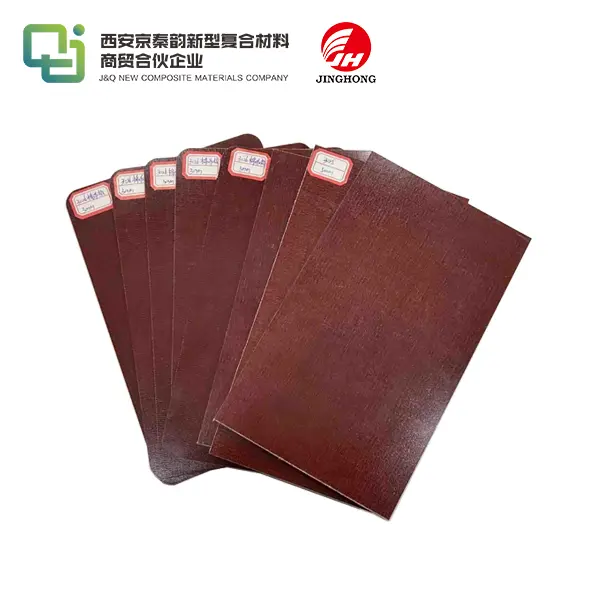
When compared to FR4, phenolic cotton laminates have lower mechanical strength, but they work well for low-stress structure uses and are less expensive. Aluminium surfaces are very strong, but they can't be machined as easily with CNC tools as fiberglass-epoxy composites can. FR4's abrasive glass content means that carbide or diamond-coated tools are needed, but the material can be machined into complicated shapes that can be used to make unique fixtures and prototypes.
Cost-effectiveness turns out to be FR4's main benefit. Standard grades still cost 40 to 60 percent less than speciality laminates when bought in bulk, and they meet standards like NEMA FR-4, MIL-I-24768/27, and EN 60893, which are needed for most industrial electrical needs.
How to Select the Best FR4 Board for Your Industrial Application?
Choosing the right FR4 board strategically makes sure that technical requirements match up with operational needs and the realities of the supply chain. Over the past 20 years, we've helped a huge number of buying teams make decisions using this approach.
Defining Critical Performance Criteria
First, write down the technical needs that are unique to your application. For switchgear parts to be able to withstand electric forces during fault situations, they need to be able to bend more than 400 MPa. PCB substrates for industrial settings that are prone to vibration should have an impact resistance of at least 200 J/m. Tg selection is based on thermal needs. Standard 130°C grades are fine for electronics that work at room temperature, but motor parts that are close to heat sources need 170°C high-Tg versions.
Application-Specific Material Matching
When used for electrical shielding, burn ratings and dielectric strength are the most important factors. Check that the parts inside enclosures that have self-extinguishing qualities stop fires from spreading by looking for UL 94 V-0 approval. Power distribution equipment needs materials with Comparative Tracking Index (CTI) values higher than 600V so that conductive paths don't form when the equipment is contaminated. For high-density PCB designs, materials with controlled dielectric constant tolerances (±0.05) are helpful because they make sure that the impedance stays the same from one production batch to the next.
Procurement Considerations and Risk Mitigation
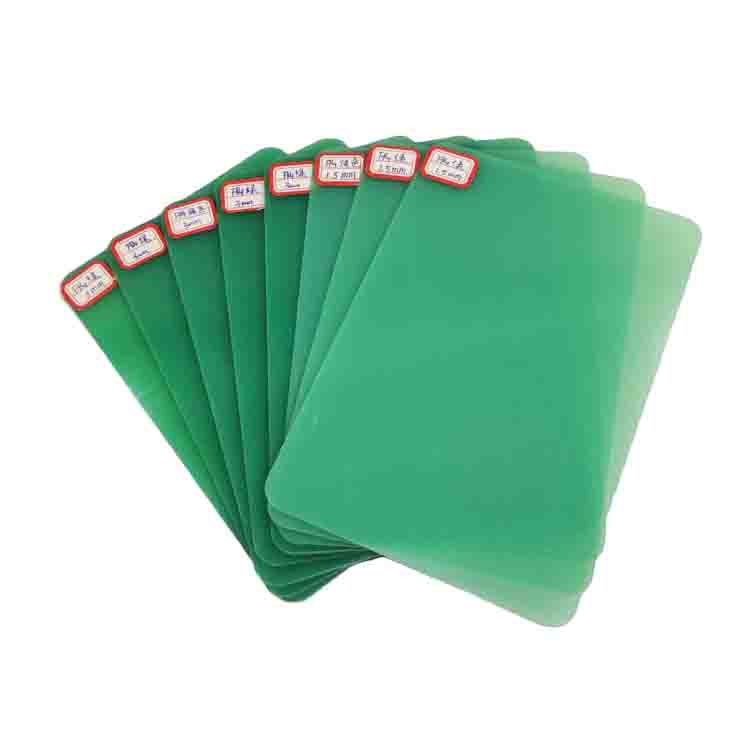
Tolerances for thickness have a direct effect on automatic assembly methods. For pick-and-place tasks, set the precision to ±0.1 mm to avoid mistakes in placing. Different providers have different minimum order numbers. Well-known manufacturers usually need between 50 and 100 sheets to meet their specifications, while distributors can handle smaller amounts but charge more. Lead times are usually two to three weeks for standard thicknesses (0.5 to 3.0 mm), but they can be up to four to six weeks for custom colours or specifications.
Checking a supplier's license lowers the chance of quality problems. For export markets, make sure you have ISO 9001 quality management paperwork, UL approval for flame ratings, and RoHS compliance certificates. Ask for inspection records that show the results of tests for dielectric strength according to ASTM D149 and water absorption according to ASTM D570. Third-party test data gives objective proof that goes beyond what the supplier says.
Supplier Overview and Brand Insights for FR4 Boards
To make supply chains that are strong, FR4 boards suppliers need to be carefully evaluated in ways other than price comparisons. When making a purchase choice, you should think about the ability to produce, the quality systems, and the organisational support.
Leading Manufacturer Profiles
Well-known brands like Shengyi and Isola have built their reputations around the world on quality and technical support that never changes. The factories that these companies run are ISO 9001-certified and have testing labs on-site that check the mechanical, electrical, and heat qualities against international standards. Their technical datasheets give engineers a wide range of property values that let them model how well the product will work in certain situations.
Shorter lead times and more flexible MOQ policies are two ways that regional suppliers often give businesses a competitive edge. Manufacturers who have been making things for more than 20 years can show that their processes are stable, which is important for keeping accuracy from batch to batch. Our relationships with trading companies in the United States and other countries help to keep things stable while also giving us access to local merchandise and technical support.
Evaluating Supplier Credentials
Portfolios of certifications show that you are committed to quality standards. UL recognition means that flame-resistant formulations are checked regularly in the factory to make sure they are safe. RoHS compliance paperwork makes sure that materials follow environmental rules in Europe and North America. Ask for customer references from companies in the same line of work. For example, transformer makers can confirm how well the machine works in high-voltage situations, and electronics OEMs can confirm how the CNC machine works.
Production capacity assessments prevent supply disruptions. Verify monthly output volumes align with your projected demand, including surge capacity for scaling production. Suppliers who have dedicated laminate production lines are more specialised than those who treat insulation materials as extra products.
Procurement Channels and Logistical Support
When you commit to buying more than 1,000 sheets a year, working directly with a maker will get you the best prices, but they usually have strict minimum order quantities and long lead times. Distributors give you options for making prototypes and small batches because they keep common thicknesses in stock and can ship them right away. Online business-to-business (B2B) sites let you compare prices, but they also need careful checks of material certifications and seller qualifications.
Total cost of ownership is affected by logistical skills in a big way. Suppliers with integrated logistics operations, like the shipping division of our company, make it easier to clear customs and give you more accurate delivery dates. When you ship multiple items at once, you can save money on freight costs with consolidated shipping choices, and vendor-managed inventory systems will make storing your items easier.
Quality Control Standards and Testing Protocols
Strict inspection procedures protect against material flaws that weaken the reliability of the system, and for FR4 board, this means verifying key parameters such as glass transition temperature, dielectric strength, flame retardancy (UL 94 V-0), and dimensional stability through incoming quality control, ensuring that only materials meeting the specified tolerances proceed to PCB fabrication. Knowing the quality control steps lets you set acceptance standards that are based on facts.
Dimensional Accuracy Verification
Using calibrated micrometres to check the thickness tolerance ensures accuracy within 0.1 mm, which is necessary for automatic PCB assembly. Measuring the length and width of the sheet makes sure that the sizes on the purchase order match up, which keeps material from going to waste during CNC programming. Using precision straightedges to check the flatness of a surface finds warping that could lead to problems with vacuum table seals during cutting operations.
Electrical Integrity Testing
As per ASTM D149, dielectric strength testing involves gradually increasing the voltage until it breaks, which proves that the insulation works. In order to meet acceptance requirements, the breakdown voltage must be at least 40 kV for a width of 1.5 mm when tested perpendicular to the laminate layers. As per ASTM D570, specimens are submerged in water for 24 hours. Materials that meet the standards gain less than 0.2% weight, which proves they are resistant to moisture, which is important for working in humid places.
Flame Resistance Confirmation
UL 94 flammability testing exposes vertical samples to a direct flame and measures the time it takes for the flame to go out and the way the samples drip. The highest rating, V-0, means that the fire must extinguish itself within 10 seconds with no flaming drips. This certification is very important for electrical enclosures where broken parts must not spread fire. Ultrasonic tests or cross-sectional microscopy can show gaps, places lacking resin, or delamination that can't be seen by looking at the surface.
Surface quality checking finds pits, scratches, or discolouration that show problems with the way the product was processed. Surfaces that are resin-rich or resin-poor affect how well they machine and conduct electricity. Setting clear acceptance standards with sellers and keeping accepted samples stops disagreements about the quality of materials.
Conclusion
To choose the right glass-epoxy laminates for industrial electrical uses, you have to balance technical requirements, supplier reliability, and the ease of getting the materials, and for FR4 board, this means evaluating dielectric strength, thermal resistance, mechanical durability, and flame retardancy (UL 94 V-0) against the specific demands of the application, while also assessing the supplier's production capacity, quality systems, and supply chain stability to ensure long-term manufacturing support. Knowing the properties of a material, like its dielectric strength, thermal resistance, mechanical durability, and flame retardancy, helps engineering teams choose parts that will meet operational needs. By comparing different options based on the needs of the application, you can make sure that the materials you choose are cost-effective without sacrificing safety or performance. Supply chain risks can be reduced by carefully checking suppliers' credentials, production abilities, and quality systems. This helps build relationships that support long-term manufacturing goals.
FAQ
What distinguishes G10 from FR4 insulation materials?
Both materials are made of glass-epoxy and have similar mechanical properties. However, FR4 has flame retardants based on bromine that meet UL 94 V-0 standards for self-extinguishing qualities. G10 doesn't have this fire resistance, so it can't be used for electrical covers that need to be safety certified. Applications that don't need to be flame retardant can use G10 and save a little money.
Can standard grades withstand continuous high-temperature exposure?
Standard grades reliably keep their properties up to 130°C of continuous use. When materials go above this temperature, they soften and expand, which lowers their mechanical strength and dimensional stability. High-Tg versions that can withstand temperatures up to 170°C are used near motors, transformers, and other parts that produce heat. By specifying the correct Tg, you can keep parts from breaking down too soon in high-temperature settings.
What machining precautions does fiberglass content require?
Normal cutting tools get worn down quickly by the rough glass fibres, so carbide or diamond-coated tools are needed for cost-effective production runs. Fine glass dust is made during machining and can be harmful to your lungs. To protect yourself, use strong extraction systems or wet machining techniques. When CNC processes are done, tight specs must be kept by using the right tools and keeping the dust under control.
Does material color affect electrical or mechanical performance?
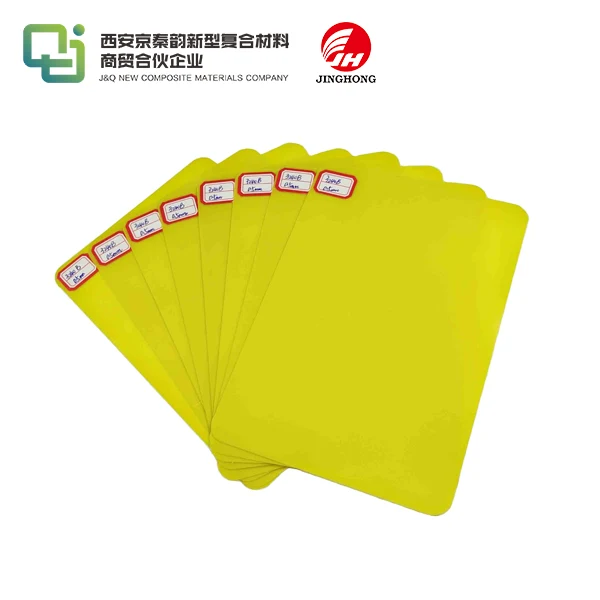
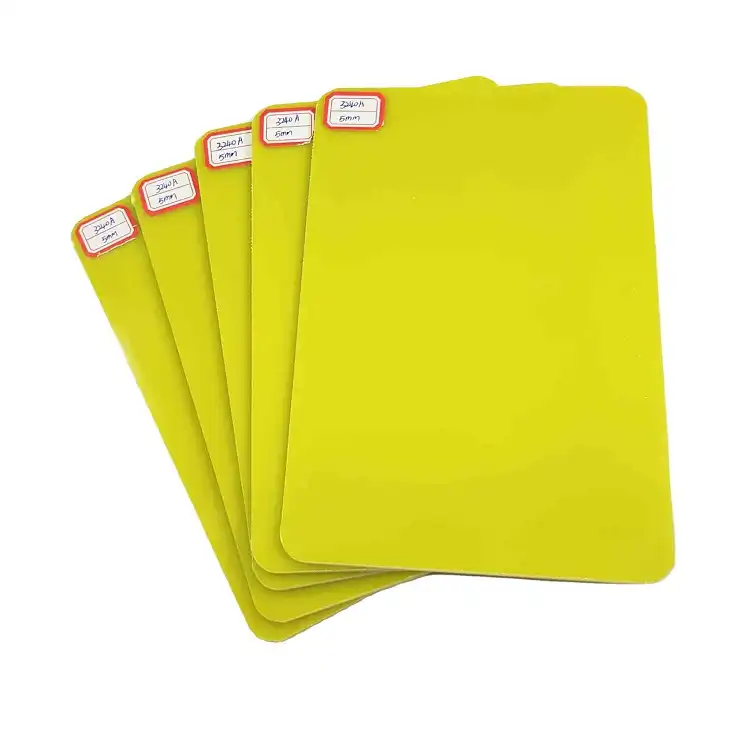
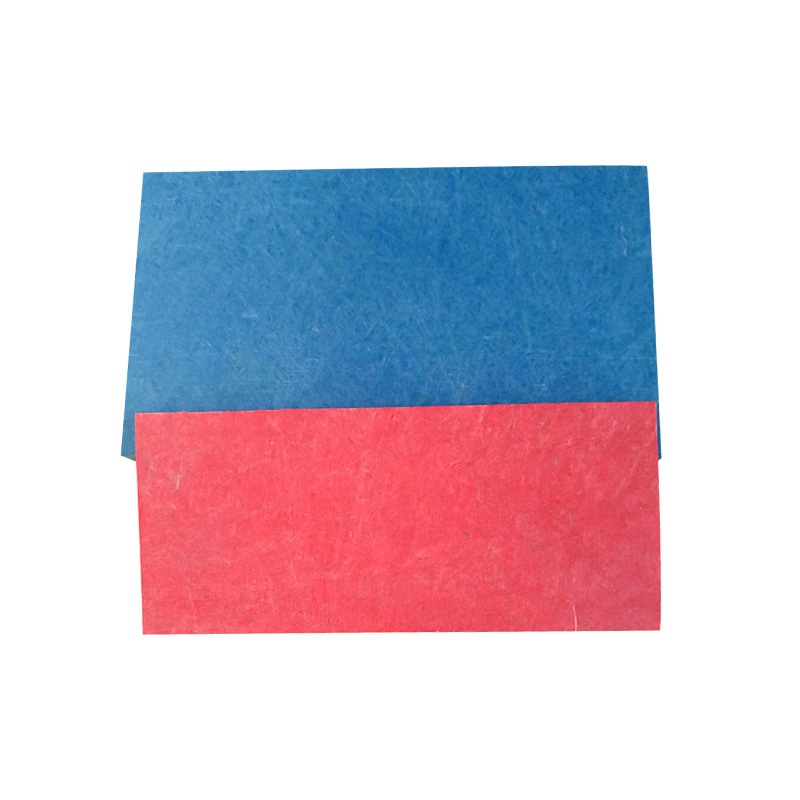
Because it is made of epoxy and glass, natural FR4 is a yellowish-green colour. To make things stand out or look nice, manufacturers add dyes that make things black, blue, white, or other colours. Unless dyes have conductive elements like carbon (which is used in ESD-safe grades), changes in colour don't affect the dielectric properties, mechanical strength, or heating properties. Choose a colour based on what the program needs, not what you think will work best.
Partner with J&Q for Reliable FR4 Board Solutions
If you need industrial insulation, J&Q can help. They have been making high-quality products for over 20 years and have been trading internationally for over 10 years. Our many relationships with major trading companies in the U.S. and other countries give us access to approved FR4 board materials that meet NEMA, MIL-SPEC, and EN standards. As a well-known FR4 board provider, we keep a large stock of standard thicknesses and specs. Our specialised logistics section helps us provide seamless one-stop service from placing an order to delivering it. Our engineering support helps technical buying teams match the properties of materials to the needs of your unique application while maximising cost-effectiveness. Email our experts at info@jhd-material.com to get samples, technical datasheets, or volume quotes that are specifically made for your project.
References
1. National Electrical Manufacturers Association. (2019). Industrial Laminating Thermosetting Products (NEMA LI 1-2019). Rosslyn, VA: NEMA Publications.
2. Institute of Printed Circuits. (2021). Design Guide for High-Reliability PCB Substrates in Industrial Applications. Bannockburn, IL: IPC Standards.
3. American Society for Testing and Materials. (2020). ASTM D149-20: Standard Test Method for Dielectric Breakdown Voltage and Dielectric Strength of Solid Electrical Insulating Materials. West Conshohocken, PA: ASTM International.
4. Underwriters Laboratories. (2018). UL 94: Standard for Safety of Flammability of Plastic Materials for Parts in Devices and Appliances. Northbrook, IL: UL Standards.
5. Coombs, Clyde F. (2021). Printed Circuits Handbook, 7th Edition. New York: McGraw-Hill Education.
6. European Committee for Electrotechnical Standardization. (2020). EN 60893-3-2: Specifications for Industrial Rigid Laminated Sheets Based on Thermosetting Resins for Electrical Purposes. Brussels: CENELEC Publications.