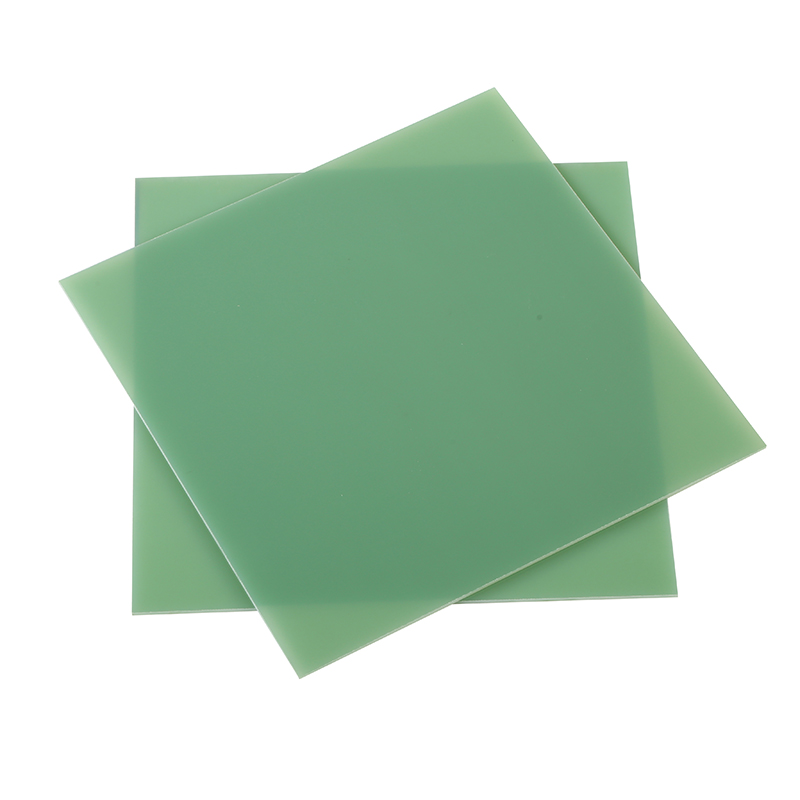
Epoxy Resin Sheet in Busbar Support and Insulation Parts
2026-07-24 17:20:08
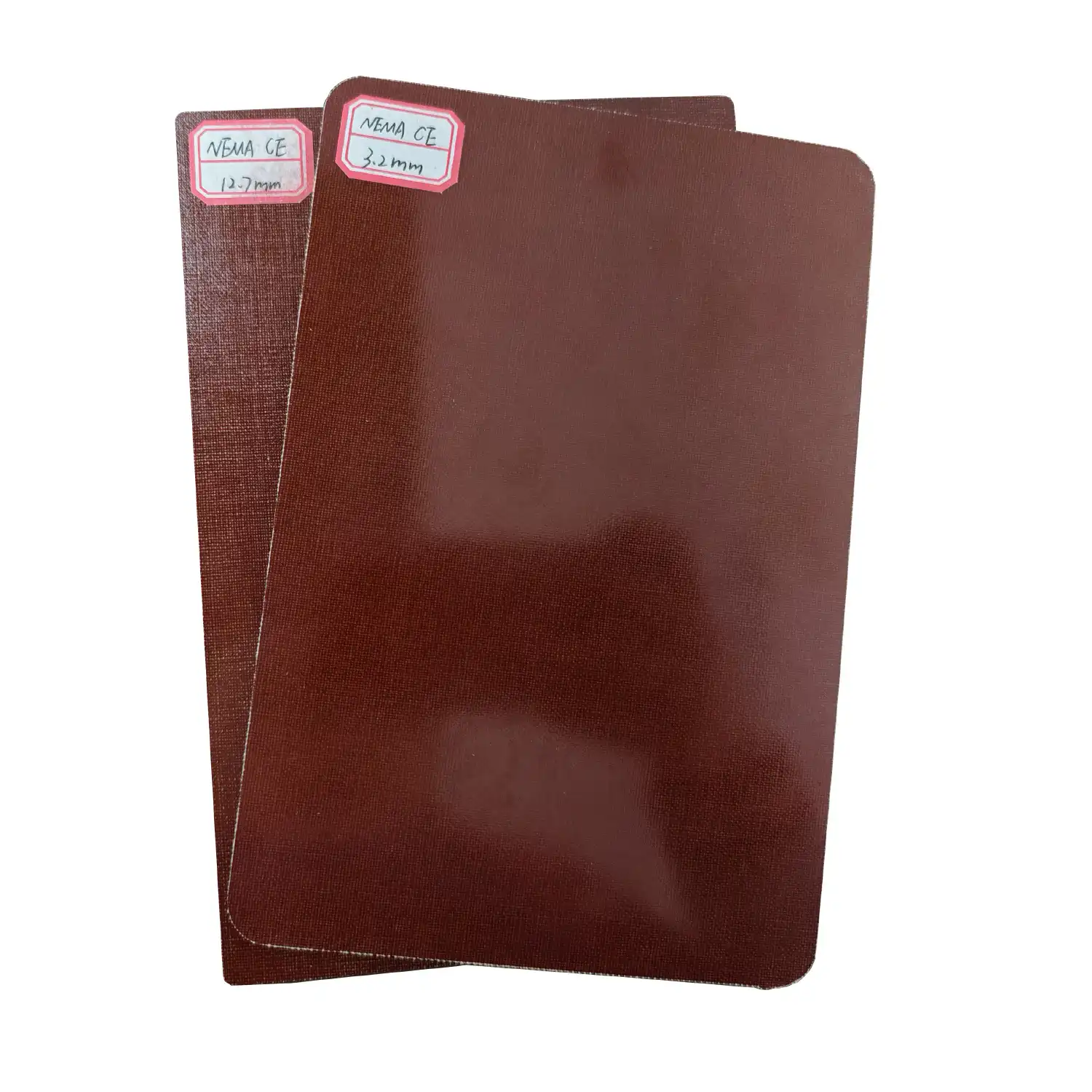
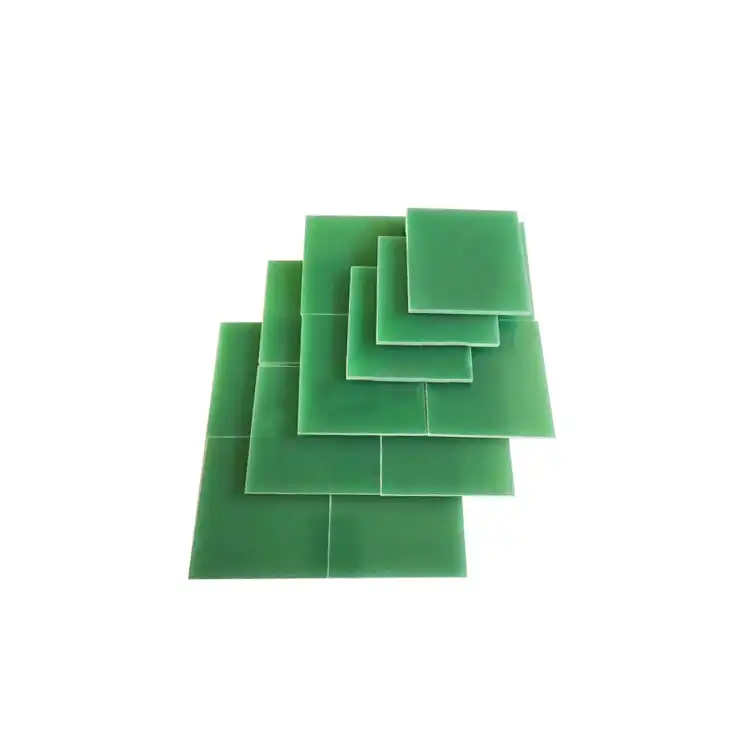
When electrical engineers design busbar systems for switchgear or transformer assemblies, selecting the right insulation material becomes critical to operational safety and longevity. The epoxy resin sheet stands out as a preferred choice for busbar support structures and insulation barriers due to its exceptional dielectric strength, thermal endurance, and mechanical stability. These composite laminates combine glass fiber reinforcement with cured epoxy resin, creating a non-conductive barrier that prevents electrical tracking while supporting substantial mechanical loads in confined spaces.
Understanding Epoxy Resin Sheets and Their Role in Busbar Support
In electrical distribution systems where copper or aluminum busbars need to be kept away from grounded casings, epoxy resin sheets are used as the main material. These laminates are made of thermosetting polymers that cross-link while they are being made, creating hard structures that are very resistant to heat.
Composition and Key Physical Properties
To make these insulation sheets, woven glass cloth is mixed with liquid epoxy resin and then allowed to cure at a controlled temperature and pressure. The materials made in this way have a dielectric breakdown voltage greater than 20 kV/mm, which means they can be used in medium-voltage situations up to 35 kV. The glass fiber grid keeps its shape at temperatures ranging from -40°C to 155°C. This stops bending that could make it harder for small switchgear designs to meet clearance requirements.
During our 20 years of production experience, we've seen that FR4 grade sheets work best for most busbar support tasks. The flame-retardant additives meet UL94 V-0 standards, which means they will put out fires on their own if something goes wrong. Even in humid places, moisture absorption stays below 0.1%, so electrical properties are kept for years of use.
Thickness Selection for Different Voltage Classes
Engineers have to make sure that the thickness of the material meets the needs for both electrical stress and mechanical load. Voltage-rated applications follow the rules set by the industry:
- Low voltage systems (up to 1 kV): 3–6 mm sheets offer good isolation at a low cost.
- Medium voltage (1–35 kV) equipment: thicknesses of 8–12 mm keep safety gaps.
- High mechanical stress zones: 15–20 mm laminates don't bend when busbar weight is put on them.
Custom thickness choices let container designs be optimized for their best performance. We keep tolerances of ±0.2mm across all sheet sizes, which makes sure that the pieces fit together correctly when they are put together. Our facility has CNC machines that can make precise cuts for busbar holes, bolt holes, and contour shaping without the risk of delamination.
Maintenance Practices for Extended Service Life
Busbar insulation systems last longer if they are installed correctly and checked on a regular basis. Surface contamination from dust or condensation can create leakage paths, so isopropyl alcohol cleaning every three months keeps the insulation resistance high. To keep stress cracks from appearing around bolt holes, mounting hardware torque specs must be followed. Temperature tracking helps find hotspots that mean there isn't enough space or that wires are overloaded, which speeds up the aging of insulation.
Comparing Epoxy Resin Sheets with Alternative Materials in Insulation
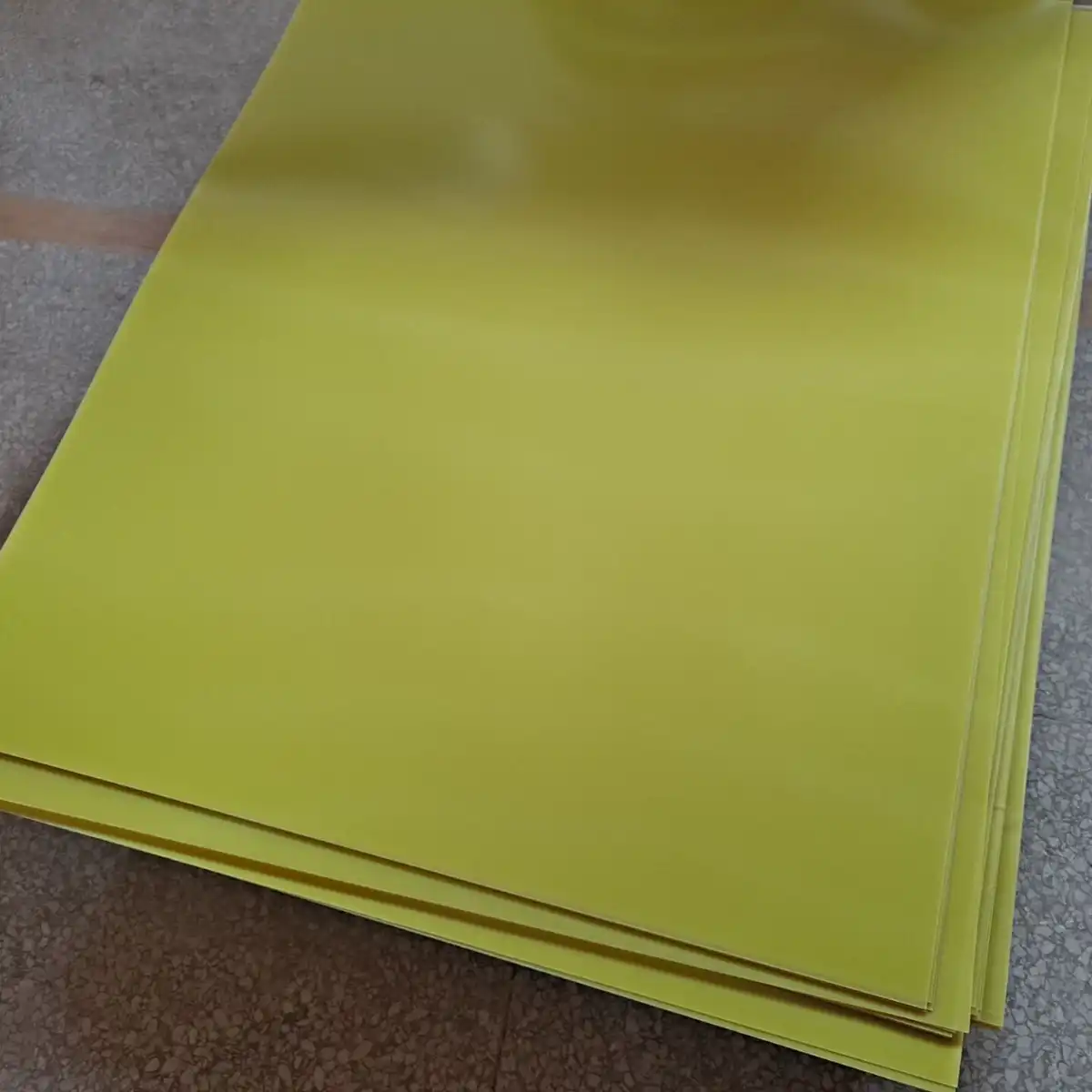
When building electrical infrastructure, the choice of materials affects both the initial investment and the costs over the project's lifetime. Epoxy resin sheets provide a superior balance of performance compared to many other insulating materials, helping procurement teams make smart choices.
Mechanical Strength and Electrical Performance Contrast
When it comes to both mechanical and electrical needs, epoxy glass laminates work better than many other options. Acrylic sheets are clear enough to be used for inspection windows, but they can't handle temperatures above 85°C, so they can only be used in cold places. Polyester resins are resistant to chemicals, but they also absorb water more quickly, which over time weakens their insulating qualities. Polycarbonate materials can withstand impacts, but they can't match the arc protection of epoxy laminates when used in places with a lot of power.
Quality epoxy sheets have a flexural strength of up to 450 MPa, which means they can have smaller shapes that take up less enclosure room than phenolic cotton laminates, which need to be 30% thicker to hold the same load. Comparative tracking index (CTI) tests show that epoxy composites keep their electrical integrity at 600V better than modified polyphenylene oxide (PPO) options that are rated at 400V.
Thermal Stability in High-Temperature Applications
Busbar systems in power distribution go through constant heat cycles because of changes in the load. Standard epoxy resin sheets can handle temperatures up to 130°C before they start to melt, but high-Tg formulations can handle temperatures up to 170°C and are used in motor control centers and battery management systems in cars, where temperatures can reach 140°C. This thermal margin stops changes in size that might affect important gaps.
Cost-Efficiency Analysis for Bulk Procurement
Buying in bulk has a big effect on the total cost of a job. The price of epoxy laminate depends on the quality of the raw materials and the certification standards. Grades that are recognized by UL command higher prices than stock that is not certified. But the longer work life and lower maintenance needs make up for the changes in the original cost.
By planning the best production runs, bulk buying methods lower the cost of each unit. Because we can make unique sheet sizes, we can cut down on waste during production, which increases the rate at which materials are used. Long-term supply deals with clear specifications make it easier to keep an eye on quality and cut down on wait times for repeat orders. Our integrated logistics network lets procurement managers combine shipping, which lowers freight costs and makes handling easier.
How to Select and Procure the Right Epoxy Resin Sheet for Busbar Support?
Matching the properties of the material to the needs of the application stops both over-engineering and mistakes before they happen. A methodical approach to evaluation guarantees the best choice when looking to procure the right epoxy resin sheet.
Evaluating Essential Electrical and Mechanical Properties
Voltage withstand capability is checked by dielectric strength testing, but for practical designs, partial discharge inception voltage under sustained stress is also taken into account. Flexural modulus shows how stiff something is when it's loaded. This is especially important for placing a busbar vertically, where the weight of the bar itself creates bending moments. Chemical resistance is important in industrial settings where oils, cleaning agents, and airborne pollutants are common.
Temperature index scores show the highest temperatures at which a device can be used at all times. By comparing these to the worst-case temperatures that are expected, safety margins can be found. Impact strength is important for installation and maintenance work, where dropping or touching a tool by accident could break brittle materials.
Supplier Credentials and Certification Importance
Electrical parts need quality paperwork that can be tracked. ISO 9001 approval shows that quality management is organized, and UL recognition shows that safety testing was done by a third party. RoHS compliance is important for technology that is sent to places where environmental laws limit the use of dangerous chemicals.
We keep detailed records of all the tests that were done on each production batch. These tests include checking the dielectric breakdown voltage, bending strength, and flame resistance. This paperwork helps with the process of qualifying customers and audits for regulatory compliance. Our expert team gives you material data sheets with full property listings, so you don't have to guess during the design step.
Global Sourcing and Procurement Best Practices
When you buy something internationally, you have to think about more than just buying something locally. Knowing how long it takes to make something to order keeps projects from being held up. Standard sheet sizes can be shipped within days, but parts that are made and have complicated shapes may take two to three weeks to make and check for quality.
Clear communication keeps people from misinterpreting specifications when they are in different time zones or languages. Detailed sketches with limits for sizes, material grades, and surface finishes cut down on the number of times they need to be changed. Our ten years of experience exporting have helped us improve the ways we handle paperwork, clear customs, and coordinate delivery times.
Implementing Epoxy Resin Sheets in Busbar Support: Practical Guidelines
The best performance and safety margins for finished parts come from using the right manufacturing and fitting methods. Using epoxy resin sheets to support bus bars requires a step-by-step understanding of the material's behavior.
Precision Cutting and Machining Considerations
The glass fiber support makes rough conditions that wear down normal tools quickly. When used at the right feed rates, saw blades and drill bits with carbide tips keep their sharp edges without delaminating. Using compressed air or mist lubrication to cool keeps the heat from building up, which softens the resin and makes the edges fuzzy.
When drilling, backing support is needed to keep the hole from breaking open at the exit, and for epoxy resin sheet, peck drilling with frequent chip clearing prevents binding that could cause cracking around bolt sites, while holes for through-bolts should be oversized by 0.2 mm to accommodate thermal expansion and avoid stress concentration. When you peck drill and clear the chip out often, you can avoid binding that can cause material to crack around bolt sites. For through-bolts, we suggest holes that are 0.2 mm bigger than needed so that heat expansion doesn't cause stress concentration.
Installation Best Practices and Troubleshooting
Secure mounting stops fatigue cracks caused by vibration. Busbar support insulators should touch mounting surfaces over a large enough area to spread loads below the 300 MPa limit of the material's compression strength. To keep the assembly from warping, cross-tightening steps are used in the torque patterns for multi-bolt systems.
Edge chipping during handling and surface scratches that weaken the dielectric integrity are common problems that come up during installation. The protective films that were put on during shipping should stay on until the final assembly. Field failures can be avoided by checking the edges for microcracks before installation. Quality assurance methods make sure that finished parts meet the requirements set by the designer. Hipot testing shows that the dielectric is still good across the targeted voltage ranges.
Future Trends and Innovations in Epoxy Resin Sheets for Electrical Insulation
To keep up with changing market needs, the electrical insulation business keeps improving supply chain tools and materials science for epoxy resin sheets.
Sustainable Formulations and Environmental Considerations
Bio-based epoxy resins made from green feedstocks instead of gasoline are being made because people are becoming more concerned about the environment. These mixtures keep the mechanical and electrical efficiency while cutting down on carbon emissions. Low-VOC manufacturing methods make the workplace safer and the air quality around factories better.
Recyclability projects are looking into ways to get glass fibers back from old laminates, but thermoset plastics are harder to work with than thermoplastic materials. Design for disassembly principles make it easier to separate parts when taking down equipment.
Enhanced Performance Through Advanced Additives
Adding nanoparticles makes the material better at conducting heat without weakening the dielectric, which lets high-current busbars lose heat more quickly. UV-resistant surface treatments keep outdoor gear from breaking down when it's exposed to sunlight, so it lasts longer. Conductive filler technologies make semi-conductive grades that control how an electric field spreads in high-voltage situations.
Digital Procurement and Supply Chain Innovation
AI platforms match what buyers want with what suppliers can offer, which cuts down on the time needed to find specialized materials. Customers can use interactive online configurators to enter their size needs and get quotes right away for custom-machined parts. Just-in-time delivery tactics that cut down on storage costs are possible with real-time inventory access. Blockchain tracking systems keep track of where materials come from and the results of quality tests all along supply lines.
Conclusion
Choosing the right insulation materials for busbar support systems has a direct effect on electrical safety, operational reliability, and the cost of maintenance over the life of the equipment, and epoxy resin sheet provides the dielectric strength, mechanical toughness, and thermal stability required in demanding power transmission applications, making it a preferred choice for busbar supports and switchgear insulation in industrial and utility installations. Epoxy glass laminates have the dielectric strength, mechanical toughness, and thermal stability that are needed in tough power transfer situations. Understanding the properties of the materials, comparing options, and installing them in a way that has been shown to work best all improve system performance. As digital tools and concerns about sustainability change how we buy things, working with experienced sellers is the best way to make sure we can get good items and get them on time.
FAQ
What distinguishes FR4 from standard epoxy laminate grades?
The FR4 label means that the material has flame-retardant chemicals that meet UL94 V-0 standards for combustion resistance. This means that the material will put itself out of fire within seconds of removing the source of burning. Standard epoxy laminates that don't have brominated chemicals may keep burning, which can be dangerous in electrical boxes. Both have about the same mechanical strength and dielectric qualities, but FR4 standard is required for switchgear uses because of fire safety rules.
Can epoxy sheets be machined with conventional woodworking tools?
High-speed steel tools made for wood or soft plastics quickly become dull when reinforced with glass fiber. Cutting edges that are covered with carbide or diamond stay sharp even when they are used on rough mixed materials. When you use the wrong tools, you get ragged edges with fiber pullout instead of clean cuts. Fine glass particles, which are different from wood dust in terms of their health risks, must be caught by dust extraction systems.
How does moisture affect electrical insulation performance?
Epoxy resin sheets don't take as much water as phenolic materials, but even a small amount of water makes dielectric loss higher at high frequencies. Tight-tolerance parts can be changed by the swelling that happens when moisture is absorbed. Keeping the electrical qualities in good shape before installing them in a climate-controlled space is recommended. Insulation resistance testing done on a regular basis can find damage caused by dirt or old age.
Partner with J&Q for Reliable Epoxy Resin Sheet Supply
We are your reliable provider of epoxy resin sheets for important electrical infrastructure projects because we have been making things for 20 years and know how to sell them. We know the technical requirements for busbar insulation uses and keep strict quality standards throughout the whole process. Our in-house logistics department makes sure that delivery schedules are coordinated so that projects stay on track, and our custom machining services make sure that the parts we send you are exactly what you want. Help with engineering choices makes it easier to choose the right materials, and detailed test reports meet the strictest approval standards. Contact our technical team at info@jhd-material.com to talk about your unique busbar support needs and see what a difference it makes when manufacturing and logistics skills are combined.
References
1. Harper, Charles A. Handbook of Plastics, Elastomers, and Composites. McGraw-Hill Education, 2020.
2. Kuffel, E., Zaengl, W.S., and Kuffel, J. High Voltage Engineering Fundamentals. Butterworth-Heinemann, 2018.
3. International Electrotechnical Commission. IEC 61071: Insulation Co-ordination – Application Guidelines for Low-Voltage Systems. IEC Standards, 2019.
4. Tanaka, Toshikatsu and Imai, Takahiro. "Advanced Insulating Materials for Sustainable Electrical Systems." IEEE Electrical Insulation Magazine, vol. 35, no. 4, 2019, pp. 23-35.
5. Bartnikas, R. and Srivastava, K.D. Power and Communication Cables: Theory and Applications. Wiley-IEEE Press, 2021.
6. National Electrical Manufacturers Association. NEMA LI 1: Industrial Laminated Thermosetting Products Standards. NEMA Publications, 2020.