Deep Pour Epoxy Resin for Industrial Molds: Performance Factors
2026-07-27 17:08:39
When we talk about industrial mold applications that demand exceptional dimensional stability and optical clarity, Deep Pour Epoxy Resin stands apart from conventional coating formulations. Unlike standard thin-layer epoxies limited to 3mm applications, deep pour variants utilize modified hardener chemistry that controls exothermic reactions during cure. This allows casting thicknesses ranging from 2.5 to 18 centimeters in a single pour without cracking, yellowing, or internal stress fractures—critical factors for electrical encapsulation, machinery component production, and precision tooling where material integrity directly impacts production quality and long-term performance.
Understanding Deep Pour Epoxy Resin in Industrial Mold Applications
The science behind Deep Pour Epoxy Resin formulas solves one of the most important problems in thermosetting polymers: how to get rid of the heat that is created during polymerisation. When standard epoxy systems are used, they create sudden spikes in temperature that destroy thick sections. In deep pour versions, the healing exotherm is spread out over 24 to 72 hours instead of minutes because the reaction profiles are longer.
Distinguishing Characteristics of Deep Pour Formulations
At 25°C, the viscosity of Deep Pour Epoxy Resin systems is about the same as light motor oil, ranging from 800 to 1000 centipoise. This low viscosity does two things: it makes it easier for the substrate to wet into complicated mould shapes, and it also lets the gas escape naturally. There is enough time for air bubbles that got stuck during mixing to rise through the liquid resin before it starts to gel. The Jinghong JQ31-9T type has a 2:1 weight ratio mixing system and can work for 12 hours, which is a lot longer than most systems, which only work for 30 to 45 minutes. This longer pot life is very helpful when making a lot of moulds that need careful layer placement and embedded component positioning.
Professional products are different because they stay at the same temperature during the curing process. Even when the amount is more than 5 litres, good Deep Pour Epoxy Resin keeps the reaction temperatures below 60°C. This thermal management keeps temperature-sensitive embedded items like computer parts or biological specimens that are often put inside containers in industrial settings from getting damaged. The hardness of the cured material is between 82 and 83 on the Shore D scale. This means that it is rigid enough for CNC machining while still being able to withstand impacts during production workflows.
Thickness Capabilities and Layer Management
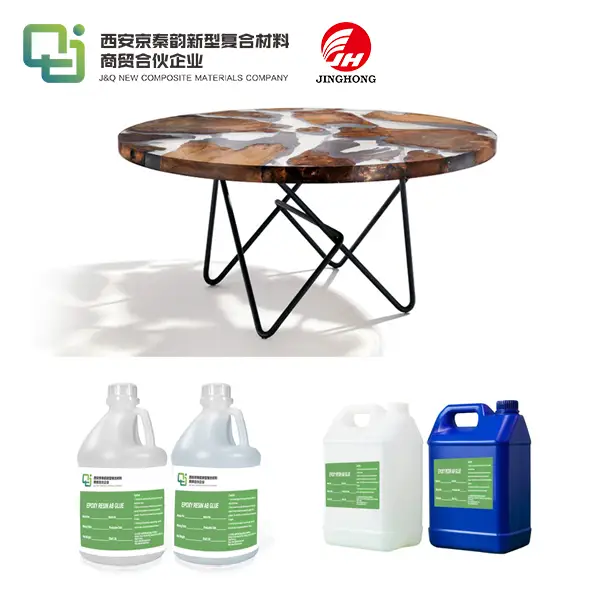
When used in industry, casting depths are often needed that would break normal resins. The Jinghong product line has three different formulas that show this difference in ability. For example, the 31AB-7T allows single pours of 1-3 cm and a faster 36-hour full cure time, making it good for thin-section electrical insulation parts. This can go up to 8–12 cm with the 31AB-9T, which allows for motor housing encapsulation and structural spacers. The 31AB-9V type has a maximum width of 15–18 cm per layer and is made for large-scale industrial tools and heavy machinery part moulds.
Knowing these limits on width stops production mistakes that cost a lot of money. The ratio of volume to surface area is directly related to the thickness of the pour. A shallow but wide pour may produce more heat overall than a narrow deep section. Instead of just measuring depth, engineering managers need to figure out the total volume of the resin. For complicated moulds that need a thicker layer than the material's specs allow, sequential layering with 24-hour breaks between pours makes sure that each section gets the right cross-link density before adding the heat load of the next layer.


Evaluating and Selecting Deep Pour Epoxy Resin: Performance and Procurement Criteria
In business settings, choices about what to buy go beyond simple technical datasheets. Performance metrics must match the needs of the application while also meeting standards for regulatory compliance and supply chain reliability.
Mechanical Strength and Thermal Performance
Industrial moulds are subjected to repeated changes in temperature, mechanical stress from demolding processes, and chemical contact from the locations where they are used. When finished properly, Deep Pour Epoxy Resin has a tensile strength of more than 8000 psi and a bending strength of about 12000 psi. These values are higher than polyester and polyurethane options that are often thought of for similar uses. The material's glass transition temperature after full curing is usually between 55°C and 65°C, which is fine for most commercial settings but needs to be heated again after curing for uses that will be exposed to high temperatures all the time.
Certain dielectric properties are needed for electrical applications. Good epoxy mixtures keep their dielectric strength above 400 volts per mil, which means they can be used to insulate switchgear parts and make barriers around transformer coils. The material doesn't absorb much water—usually less than 0.15% after 24 hours of immersion—so its dimensions stay stable in humid work environments like those found in power distribution facilities. This stability is especially helpful for precisely made mould holes, where small differences in size have a direct effect on the quality of the finished product.
Comparative Analysis with Alternative Resin Systems
Polyurethane casting resins harden faster and are a little more resistant to impact, but they are not as stable at high temperatures or in UV light as epoxy systems. Marine epoxy formulas are very good at resisting water, but they usually can't handle the pour thicknesses needed for industrial mould uses without using multiple layers. There are cost benefits to polyester resins, but they shrink more during curing—often by more than 7%—than epoxy, which means they can't be used for precision tooling.
The Jinghong products have been certified by ROHS, REACH, PAHS, ASTM, and EN-71, which means they meet the environmental standards that are becoming more and more important in the electronics and automotive industries. These approvals get rid of the delays in buying things that come with material quality testing. This is especially helpful for OEM supply chain managers who are working with tight production schedules. If you store the resin properly, it will last for 12 months. This means that you can buy in bulk and save money on shipping without worrying about the material going bad.
Procurement Considerations for B2B Buyers
When you order in bulk, you face both opportunities and challenges. Depending on the source and the recipe, the minimum order quantity is usually between 200 and 500 kilograms. When you buy in bulk, the price per unit can be 15–30% less than when you buy in small amounts, but you need to make sure you have enough climate-controlled storage space. To keep resin parts from crystallising too soon or changing viscosity in ways that affect mixing ratios and end traits, they need to be kept between 15°C and 25°C.
For international purchases, having flexible payment terms is important. For high-value transactions, suppliers who give both letter of credit and telegraphic transfer choices lower the risk. Credit card handling isn't very common for industrial products that are bought in bulk, but it makes it easier to place smaller trial orders and get samples while you're evaluating vendors. Lead times from production to delivery for containerised shipments are usually three to five weeks, so you need to plan ahead to make sure your schedules match up with production schedules.
Optimizing the Use of Deep Pour Epoxy Resin for Industrial Mold Manufacturing
The difference between successful casting projects and expensive mistakes is the right way to apply the material. Consistent results can be achieved by understanding how external factors, material qualities, and processing parameters are connected.
Mixing and Pouring Best Practices
For epoxy casting to work, the ratios must be measured correctly. The Jinghong JQ31-9T needs a 100:50 weight ratio for mixing; any variation above ±3% hurts the end mechanical properties and cure completion. Digital scales with a precision of 0.1 gram stop measurement mistakes that happen when there are a lot of them. Controlled speeds should be used for mixing; too much movement creates air bubbles that need more time to escape. For amounts less than 2 litres, mixing by hand works fine, but for large batches, mechanical paddle mixers with speeds between 200 and 300 RPM give more consistent results.
Temperature control during mixing and filling has a big effect on the time it takes to do the job and the quality of the end product. When something is stored below 20°C, its viscosity goes up, which traps air bubbles and makes it harder for the substrate to get wet. Warming the parts to 22–25°C before mixing them improves the flow without speeding up the curing time. On the other hand, temperatures above 28°C can shorten the pot life without warning, which could lead to gelation before the mould is fully filled. Climate-controlled areas make sure that the quality of each production run is the same.
Curing Environment and Post-Processing
For Deep Pour Epoxy Resin formulations to cure, the surroundings must be steady for 48 to 72 hours. During the curing process, changes in temperature cause internal stresses that show up as microcracks or surface flaws. When the humidity level is above 70%, amine hardeners can react with water to form a white film called surface blush. Covering moulds with plastic sheets for the first 24 hours keeps wetness from the air out while letting heat escape.
Choosing the right demold timing means weighing the properties of the material against the efficiency of production. When the JQ31-9T cures for the first time (24 hours), the surface tack goes away, but it takes 5 to 7 days for the full mechanical strength to form. After the first cure, demolding makes it possible to handle the material gently, but machining shouldn't happen until the cross-linking is complete. When you try to mill or drill partially hardened material, you create too much heat, which softens the resin and clogs up the cutting tools. When production plans call for faster response, heating the end product at 60°C for 4 hours speeds up the development process.
Troubleshooting Common Application Issues
The most common quality complaint is still bubble formation. Besides the mixing method, the preparation of the base is also very important. Wood and some types of foam cores are porous, so they keep releasing gas while the resin cures. This lets air that was trapped in the resin escape. This problem doesn't happen when thin layers of epoxy are applied to these substrates before the main pours. Surface tension can sometimes trap air at tight corners or vertical walls of moulds that don't have pores. This problem can be fixed by using mould release agents in thin, even coats; too much release agent pooling causes surface flaws of its own.
When the cure isn't complete, the castings have sticky or soft spots. This usually happens because the mixing ratios are off, the parts are dirty, or the fix time is too short when the temperature outside is low. Localised soft spots are a sign of contamination, usually from wetness, oil, or mould release agents that stop the curing reaction. This is different from mixing mistakes that affect whole batches evenly. Problems with contamination can be avoided by using isopropyl alcohol to clean mould thoroughly and making sure that storage bins for parts stay sealed between uses.
Leading Brands and Supplier Insights for Deep Pour Epoxy Resin
On the global market for industrial casting resins, there are both well-known Western companies and newer Asian companies that offer competitive prices and higher quality standards. Procurement teams can find the best mix between cost, performance, and supply chain reliability by understanding how suppliers place themselves.
Established International Suppliers
West System is the leader in marine and industrial uses in North America. It is known for having a lot of expert documents and quick customer service. Their 207 Special Clear Hardener lets you pour up to 10 cm deep and is very stable in UV light. The price is higher than Asian options by about 40 to 60 percent, but it comes with full professional support that is helpful during the first few weeks of implementation. Distribution networks in the world's biggest industry hubs make sure that working areas get what they need quickly.
Total Boat is aimed at the prosumer market, but it also sells industrial-grade formulas through business outlets. Their ThickSet formula can handle pours from 5 to 8 cm, and the price is reasonable. System Three's MirrorCast offers optical clarity that works well for enclosing specimens and making tools that are see-through. These mid-tier suppliers strike a good mix between price and quality, making them appealing to machinery builders and component makers who need reliable performance without having to pay a lot.
Asian Manufacturing and J&Q Positioning
China has become the biggest producer of epoxy in the world. This is due to both rising domestic demand and better manufacturing techniques. This change can be seen in the Jinghong name, which is made by Hebei JingHong Electronic Technology Co., Ltd. Moving from making small amounts of E44 resin to building a plant with a 20,000-ton annual capacity using Japanese Toto Kasei technology shows that the company is seriously committed to the industry. The main types of resins being made right now are E44 and E51, but plans are in the works to give more formulations to meet market needs.
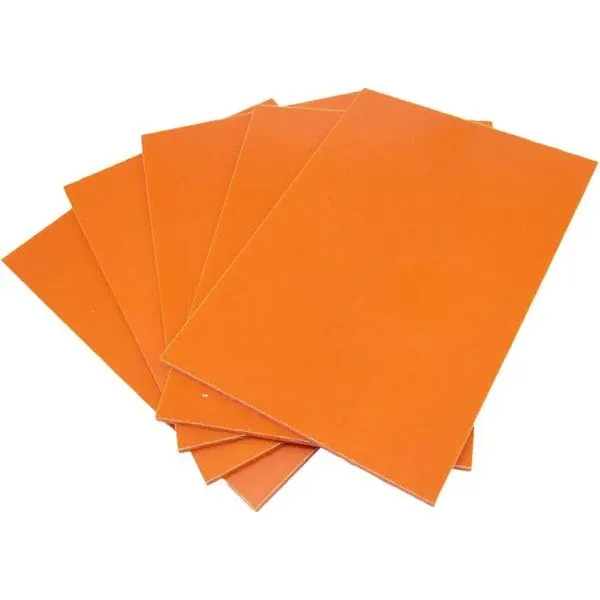
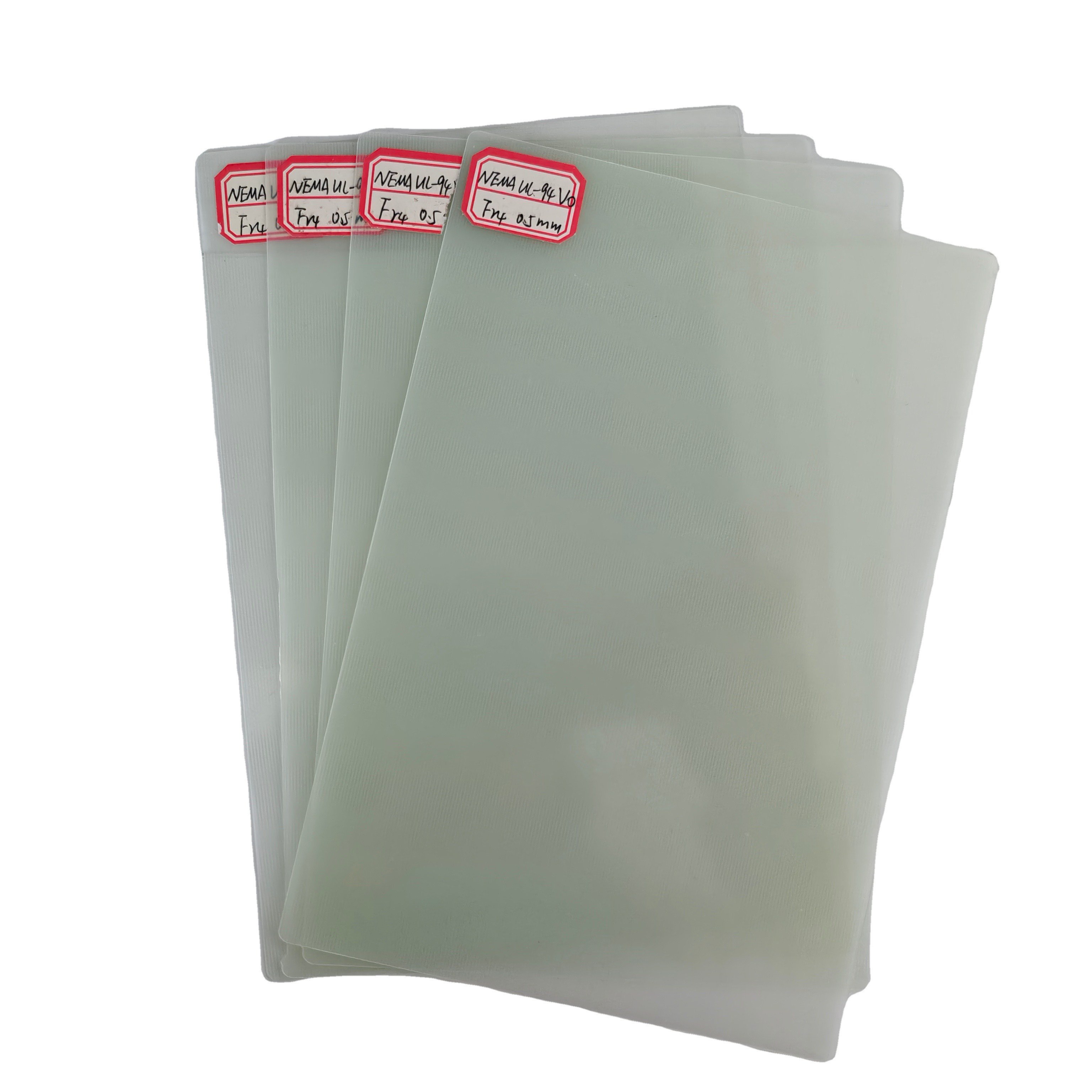
This manufacturing scale lets prices be competitive without letting quality control slip. Vertical integration starts with raw materials and ends with finished products like FR4 sheets and phenolic laminates. This is made possible by the merger with Linyuan Fine Chemical Co., Ltd. and Hongda Insulation Material Factory. Customers of Deep Pour Epoxy Resin can get complementary materials that are often needed in electrical and machinery uses through single-source ties. This makes it easier to buy multiple materials.
Distribution and Logistics Considerations
Logistics skills, not just product quality, are becoming more and more important in choosing a supplier. Costs and wait times for international shipping have a big effect on the total landed cost, especially for products that are shipped in bulk. Suppliers who have established relationships with goods forwarders or who handle their own logistics offer more reliable delivery times. The Jinghong business has its own logistics skills, which make integrated shipping management easier for foreign buyers to handle.
Pay close attention to import paperwork and customs classification; using the wrong HS code can cause delays in clearance and even penalties. Expert suppliers offer full business paperwork, such as material safety data sheets, certificates of analysis, and compliance declarations that make customs processing easier. Access to technical help is important for troubleshooting application problems. Time zone differences between Asian suppliers and Western customers can make it take longer to solve problems if suppliers don't keep up responsive contact lines and English-speaking technical staff.
Future Trends and Innovations in Deep Pour Epoxy Resins for Industrial Use
As material science progresses, new choices for industrial use are always being reshaped. Keeping up with new technologies helps buying teams spot chances to improve performance and cut costs.
Accelerated Cure Technology
The goal of research into catalyst systems and hardener changes is to shorten fix times without lowering the ability to build up thickness. Big chemistry companies are working on new amine formulations that offer 50% faster cure times while keeping low exotherm profiles. These improvements are especially helpful in places that make a lot of things, since the time it takes to change moulds directly affects how much can be made. The trade-off is usually a shorter pot life, which means that automated mixing and dispensing equipment is needed to keep production running smoothly.
Bio-based epoxy precursors made from plant oils are another direction for development. Bio-content products today usually only have 25–35% renewable content, but they use less oil and improve sustainability measures that are important for companies' environmental reporting. At the moment, they aren't as good as fully synthetic forms when it comes to thermal stability and resistance to moisture, but the way things are going, they should eventually be on par for many commercial uses. Companies with strong environmental commitments were among the first to adopt, and this encourages more investment in development.
Enhanced Physical Properties
Nanoparticle additives make it possible for properties to combine in ways that weren't possible before. At 2-5% loading, silica nanoparticles make surfaces less likely to scratch and better at transferring heat without having a big effect on how clear they are. Adding carbon nanotubes improves electrical conductivity for uses that need to protect against electrostatic discharge. These special mixtures cost a lot, but they meet specific technical needs in electronics encapsulation and advanced composite tooling.
More and more strict safety rules at work are leading to the development of low-VOC products. Traditional epoxy hardeners give off volatile amines as they dry, which means that air systems and personal safety equipment are needed. New low-emission hardeners cut the amount of airborne contaminants by 80–90%. This makes it easier to follow the rules in production settings and improves working conditions. The trade-off in efficiency is a little longer cure times and a little higher material costs, but the savings in labour and compliance often make it worth it.
Conclusion
To choose the right Deep Pour Epoxy Resin for industrial mould uses, you have to find a balance between technical performance, legal compliance, and the stability of the supply chain. Understanding the science of the material that allows for flawless thick-section casting guides the right way to use it and keep the world safe. If you choose the right variant, the Jinghong JQ31 series shows how modern formulations can be made. It has controlled cure profiles that allow for single-pour thicknesses of 1 to 18 centimetres. When making a purchase decision, people have to weigh the high support from well-known Western suppliers against the low prices of Asian manufacturers whose quality systems are getting better and their logistics are becoming more integrated. New materials with bio-based ingredients and low volatile organic compound (VOC) levels show that materials are still changing, taking into account safety and sustainability concerns along with traditional performance measures.
FAQ
What maximum thickness can I pour in a single layer without causing defects?
The safest maximum thickness depends on the formula and the total volume. The Jinghong 31AB-9V can handle up to 18 cm of space in ideal conditions, but 10–12 cm may be needed for big surface areas that create a lot of volume. Always figure out the total weight of the glue instead of just measuring the depth, because the amount of heat produced is related to the volume.
How long should I wait before demolding deep pour castings?
After 24 hours, when the surface tack goes away, the first demolding can begin. However, be careful when handling the Deep Pour Epoxy Resin casts for the next 5 to 7 days, as they need to fully develop their mechanical strength. Plan grinding operations for after the material has fully cured to avoid tool gumminess and shape changes caused by localised warmth during cutting.
Can I add colorants without affecting material properties?
At 2-5% loading by weight, transparent colours and paints made for epoxy systems work well. The rate of curing and the final mechanical qualities may be affected by higher amounts. Before committing to large-scale production, you should always test small amounts of your colourant. This is because some pigments contain trace metals that either speed up or slow down polymerisation reactions.
Partner with J&Q for Reliable Deep Pour Epoxy Resin Supply
J&Q has been making insulation materials for more than 20 years and has integrated transportation skills that make buying things from other countries easier. Our Jinghong brand Deep Pour Epoxy Resin formulas are compliant with ROHS and REACH, which are important rules for electronics and cars. We have been a supplier of Deep Pour Epoxy Resin to major trading companies across North America for a long time, so we know what technical needs engineering managers have when they need to choose encapsulation materials for machinery and power distribution equipment. Email our technical team at info@jhd-material.com to get samples of our products, full product specs, and a batch price that fits your production needs. Because our business is vertically integrated, from making base resin to finishing laminate materials, we can meet all of your material needs through a single, dependable partnership.
References
1. Harper, Charles A. Handbook of Plastics Technologies: The Complete Guide to Properties and Performance. McGraw-Hill Professional, 2006.
2. Petrie, Edward M. Epoxy Adhesive Formulations. McGraw-Hill Education, 2005.
3. May, Clayton A. Epoxy Resins: Chemistry and Technology, Second Edition. CRC Press, 1988.
4. Lee, Henry and Kris Neville. Handbook of Epoxy Resins. McGraw-Hill Book Company, 1982.
5. Goodman, Simon H. Handbook of Thermoset Plastics, Third Edition. William Andrew Publishing, 2014.
6. Ellis, Bryan. Chemistry and Technology of Epoxy Resins. Springer Science+Business Media, 1993.
_1765441788610.jpg)
_1764832732545.jpg)