How Phenolic Cotton Fabric Laminates Support Mechanical Insulation
2026-10-21 17:28:20
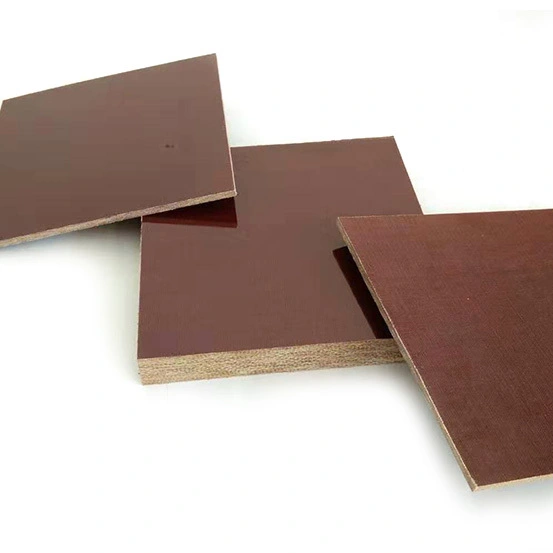
Phenolic cotton fabric laminates work by combining woven cotton cloth with thermosetting phenolic resin, pressed under high heat and pressure to form a dense, high-strength sheet. This structure gives the material its well-known ability to handle mechanical stress while maintaining reliable electrical isolation. Electrical Insulation Phenolic Resin Cotton Fabric is widely used in switchgear, motor assemblies, transformer components, and industrial machinery. Its high density, low moisture absorption, and strong machinability make it a practical choice for engineers who need both structural support and dependable insulation in the same material.
Understanding Phenolic Resin Cotton Fabric and Its Role in Mechanical Insulation
Polyvinyl cotton laminates are more than just sheets of insulation; they're also structural parts that hold weight and stop the flow of electricity. They're not like most insulation because they can be used for two different things.
Composition and Working Mechanism
Phenolic resin is soaked into fine-woven cotton cloth. The cloth is then heated and pressed together very hard. Because it doesn't have pores, it dries into a thick sheet with layers that are firmly stuck together. This way of bonding makes the laminate strong enough that it won't break when squished, cut, or pressed.
Thermal and Dielectric Performance
Over a wide range of working temperatures, polyphenyl cotton laminates keep their shape and ability to keep heat in. They don't absorb much water, which is a problem with many organic insulation materials, and their dielectric strength is good enough for setting up electricity with medium voltage. In other words, they still work well when it's wet.
Key Industrial Applications
Laminates filled with oil, switching housings, motor insulation barriers, and the gears in machines that make clothes and paper all use this type of laminate. Hot oil won't break or twist phenolic cotton when it's used in transformers. In other words, it can be used in spots where normal thermoplastics wouldn't work.
Comparative Analysis: Phenolic Resin Cotton Fabric vs Other Electrical Insulation Materials
Choosing the right insulation material requires looking beyond the datasheet. Real-world durability, machinability, and total cost over a product's service life all affect the final decision.
Phenolic Cotton vs Fiberglass and Epoxy Glass Cloth
Fiberglass laminates, such as FR4, offer superior dielectric performance and higher temperature ratings. However, Electrical Insulation Phenolic Resin Cotton Fabric laminates outperform them in machinability and impact absorption. For mechanical gears, spacers, and bearing surfaces where some elasticity is needed, this cotton-based composite handles dynamic loads better than rigid glass-epoxy boards.
Phenolic Cotton vs Mica and Aramid Paper
Mica excels in thermal resistance but is brittle and difficult to machine into complex shapes. Aramid paper provides excellent thermal performance in thin-film form but lacks the structural density needed for load-bearing components. Phenolic cotton laminates offer a middle ground — machinable, moderately heat-resistant, and mechanically durable — which suits applications where brittleness is a real risk.
Cost-Effectiveness and Lifecycle Value
Over a typical service cycle, phenolic cotton laminates show lower replacement rates than ceramic or mica alternatives in mechanical roles. Their machinability reduces secondary processing costs, and their chemical stability in oil environments lowers maintenance frequency in transformer applications. For procurement teams managing total cost of ownership, these factors carry weight.
Procurement Insights: How to Source Quality Phenolic Resin Cotton Fabric Laminates
It's not enough to just pick a requirement to find a lot of the right stuff. How do you keep a supply relationship going? It depends on how stable the groups are, how long it lasts, and how quickly a seller reacts.
Technical Standards and Certifications to Verify
When you buy something, make sure it follows the rules set by ISO, UL, ASTM, or RoHS. These marks show that the product has been checked by a third party to make sure it meets certain standards for poisons, dielectric strength, and temperature classification. More and more, people who buy things in the car supply chain and the power business need these papers before they can open a new material source.
Hongda Product Specifications
Hongda manufactures Electrical Insulation Phenolic Resin Cotton Fabric sheets through a high-pressure, high-temperature lamination process, with an annual production capacity of 13,000 tons. The sheets typically measure 1220 mm × 2020 mm, with thicknesses ranging from 0.5 mm to 100 mm. Shipping options include sea, land, and air transport, with a minimum order quantity of 500 kg. Payment can be made via T/T, and the sheets are securely packed on pallets to ensure safe transportation.
Evaluating Suppliers for Long-Term Reliability
A good way to keep electricity out: The Phenolic Resin Cotton Fabric supplier should be able to show proof that they can keep track of the materials, the test results for each batch, and the daily wait times. Before you buy a lot, it's smart to ask for samples. When customers need something quickly, it's often faster for suppliers who own their own logistics infrastructure to get it to them. The customer can also choose when the goods will be delivered more easily.
Manufacturing and Quality Assurance of Phenolic Resin Cotton Fabric Laminates
Consistent performance starts at the production stage. The lamination process must be controlled precisely to avoid internal voids, inconsistent resin distribution, or thickness deviation — all of which affect the finished sheet's insulation and mechanical properties.
Lamination Process and Curing
Cotton cloth is first impregnated with phenolic resin and pre-dried. Multiple layers are then stacked and pressed under calibrated temperature and pressure. Curing time is controlled to ensure full cross-linking of the resin matrix. Insufficient curing leads to lower dielectric strength and reduced hardness.
Quality Control Testing
Finished sheets go through dielectric strength tests, moisture absorption checks, dimensional verification, and surface hardness assessments. Batch-level traceability allows manufacturers to identify and isolate any production deviation before material ships. This testing sequence protects buyers from receiving out-of-spec sheets that could cause field failures.
Sustainable Manufacturing Developments
Some producers of Electrical Insulation Phenolic Resin Cotton Fabric are now adopting lower-emission resin formulations that reduce volatile organic compound output during lamination. These formulations meet the same mechanical and electrical standards while addressing environmental compliance requirements that many industrial buyers now include in their procurement criteria.
Practical Benefits and Value of Phenolic Resin Cotton Fabric Laminates for B2B Clients
A material's ability to save you money over time by reducing downtime, parts that need to be replaced, and work-related accidents can tell you a lot about it.
You can see that phenolic cotton laminates are worth the money in these four ways:
- Extended equipment service life: The material's resistance to mechanical fatigue and chemical exposure in oil environments reduces part replacement frequency in transformers and switchgear, cutting long-term maintenance costs.
- Machinability advantage: Phenolic cotton laminates can be CNC-milled, drilled, and cut to precise tolerances, which reduces fabrication waste and speeds up prototyping for OEM buyers.
- Dimensional stability under load: Consistent thickness tolerances across batches — a key concern for machinery builders — mean fewer fitment issues during assembly and reduced rework on the production line.
- Regulatory compliance readiness: Materials meeting RoHS and UL standards simplify product qualification processes for buyers selling into the U.S., European, and automotive markets.
It lasts longer, so parts like transformers and circuit boards don't have to be replaced as often. This saves money on long-term maintenance costs. The reason for this is that the material doesn't easily wear down or react with chemicals in oil settings. One good thing about phenolic cotton laminates being machinable is that they can be precisely CNC-milled, drilled, and cut. In turn, this helps OEM buyers cut down on waste and test ideas more quickly.
Thickness standards must be the same from batch to batch for people who build machines. This makes it easier to put things together, and it also means that less work has to be redone on the production line.
When sellers use materials that meet RoHS and UL standards, it's easier for them to get their goods accepted for sale in the U.S., Europe, and cars.
Conclusion
Phenolic cotton fabric laminates offer excellent mechanical strength and electrical insulation, making Electrical Insulation Phenolic Resin Cotton Fabric a suitable material for applications where both load-bearing capacity and electrical protection are required. Unlike conventional structural plastics or materials designed solely for electrical insulation, these laminates provide a practical balance of strength and insulating performance. Their chemical stability, low water absorption, and ease of fabrication make them suitable for transformers, switchgear, motors, and other industrial equipment. With decades of industrial use demonstrating their reliability, phenolic cotton laminates remain a proven choice for industrial buyers seeking durable insulating materials with cost-effective long-term performance.
FAQ
What is phenolic cotton fabric laminate used for?
In gears, motor parts, switches, and transformers, it helps keep electricity safe and holds machinery together. There is oil in places where it works well, and it's strong and safe from electricity.
How does phenolic cotton laminate differ from FR4?
More heat can't hurt FR4, which is a better dielectric. Glass and cement are used to make it. It works great for PCBs and jobs that need to be done quickly.
What thickness options are available?
If you need molds that can bend, phenolic cotton laminates are better because they can handle hits and be machined better.
What certifications should I ask for when sourcing?
Check to see if it has been approved by ISO, UL, ASTM, and RoHS. These show types of dielectric strength, temperature ranges, and restricted substances that can be used, which is important for buyers in the car, electronics, and power industries.
What is the minimum order quantity?
The least amount that can be ordered is 500KG. Freight can be sent by boat, land, or air, and T/T can be used to pay.
Get a Quote from J&Q for Certified Phenolic Cotton Laminates
Firms in the US and around the world have bought Electrical Insulation Phenolic Resin Cotton Fabric from J&Q for over 20 years. We help buying teams, electrical experts, and OEM sourcing managers who need to make sure that a lot of materials are always of good quality. Every year, we can make 13,000 tons of material, transport it ourselves, and offer thicknesses from 0.5 mm to 100 mm. Send us an email at info@jhd-material.com or visit jhd-material.com to get more information, samples, or a price quote from a reputable phenolic cotton laminate maker.
References
1. Harper, C. A. (Ed.). Handbook of Plastics Technologies. McGraw-Hill, 2006.
2. Ku, C. C., & Liepins, R. Electrical Properties of Polymers. Hanser Publishers, 1987.
3. ASTM International. ASTM D709: Standard Specification for Laminated Thermosetting Materials. ASTM International, 2021.
4. IEC. IEC 60893: Specification for Industrial Rigid Laminated Sheets Based on Thermosetting Resins for Electrical Purposes. International Electrotechnical Commission, 2003.
5. Brydson, J. A. Plastics Materials, 7th Edition. Butterworth-Heinemann, 1999.
6. Strong, A. B. Plastics: Materials and Processing, 3rd Edition. Pearson Prentice Hall, 2006.