How to Choose the Right Insulation Sheet: 5 Key Factors
2026-06-04 17:07:52
It takes more than looking through a supplier's brochure to find the right insulation sheet. When buying teams look for materials like FR4 sheets, 3240 epoxy boards, or Insulation Bakelite Sheet for electrical parts, power infrastructure, or car systems, they have to make important choices that can affect the quality of the production, compliance, and safety on the job. Five important things make up the selection process: knowing the exact needs of the application, checking that the material's properties match the performance needs, looking at certifications and quality standards, checking the supplier's abilities, such as their ability to help with machining, and keeping up with regulatory changes. Making the right choices here cuts down on downtime, keeps costly redesigns from happening, and builds stable supply chains that support long-term manufacturing success.
Understand Your Application Requirements and Environmental Conditions
To choose the right materials, you should first make a list of your individual working needs and the environmental stressors that affect them. Different businesses put different demands on insulation materials that can't be met by general solutions.
Identify Core Performance Demands
Electrical and electronics companies that make PCB circuits or switches need materials that have a high dielectric strength (usually more than 20kV perpendicular to laminations) and are stable in size so they don't warp during high-temperature gluing processes. When industrial machinery makers are looking for parts for mechanical spacers or wear-resistant gears, they look for rates of more than 30,000 psi in compressive strength and stable thermal expansion coefficients. Knowing these basic technical standards helps get rid of materials that aren't right early on in the buying process. This cuts down on the time needed for review and the cost of testing samples.
Assess Environmental Exposure Factors
The operating setting has a big effect on how long materials last and how safe they are. When transformer coil insulation is used in power distribution, the temperature constantly changes between room temperature and 155°C. This means that the materials used must have been tested and shown to be able to withstand these changes according to ASTM D3638 standards. Automobile battery pack shields have to be able to handle acidic fumes, vibration stress, and flame exposure while still staying structurally sound over the life of the vehicle. In oily places like high-voltage switches, materials like phenolic cotton sheets work best. On the other hand, FR4 Insulation Glass Epoxy Sheet is better at resisting moisture in damp areas or marine settings. By matching the capabilities of the material to its real working conditions, early breakdowns that mess up production plans can be avoided.
Define Compliance and Certification Needs
In B2B buying, following the rules can't be a mistake. Products going to the U.S. market need to be UL-approved for certain uses, like having UL 94 V-0 flame rates for electronics housings and ROHS compliance to get rid of harmful materials in products that people will touch. Manufacturers of appliances that sell to big store shops have to go through strict safety checks that require proof of certification. When making transformers for utility companies, the materials they use must meet NEMA guidelines for electrical grades. By making these requirements clear from the start, you can be sure that seller proposals include the right certifications, which will help you avoid delays caused by materials that don't meet standards being found during quality checks.
Analyze Material Types and Their Engineering Properties
There are many types of industrial insulation materials, and each one is designed to work in a certain way. By knowing these differences, you can precisely match the material's abilities to the needs of the application.
Phenolic Laminates for Mechanical Applications
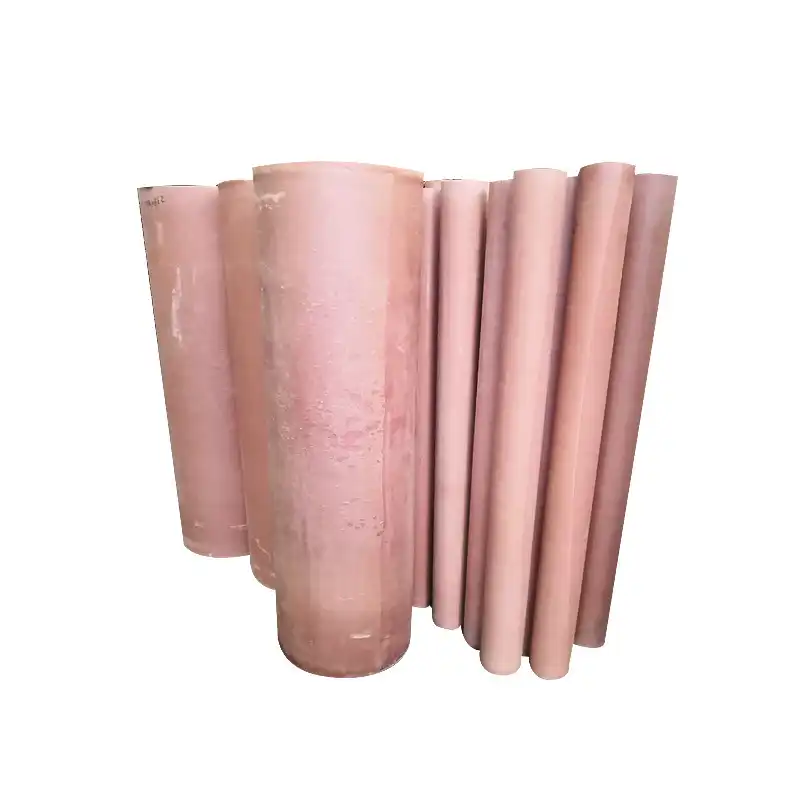
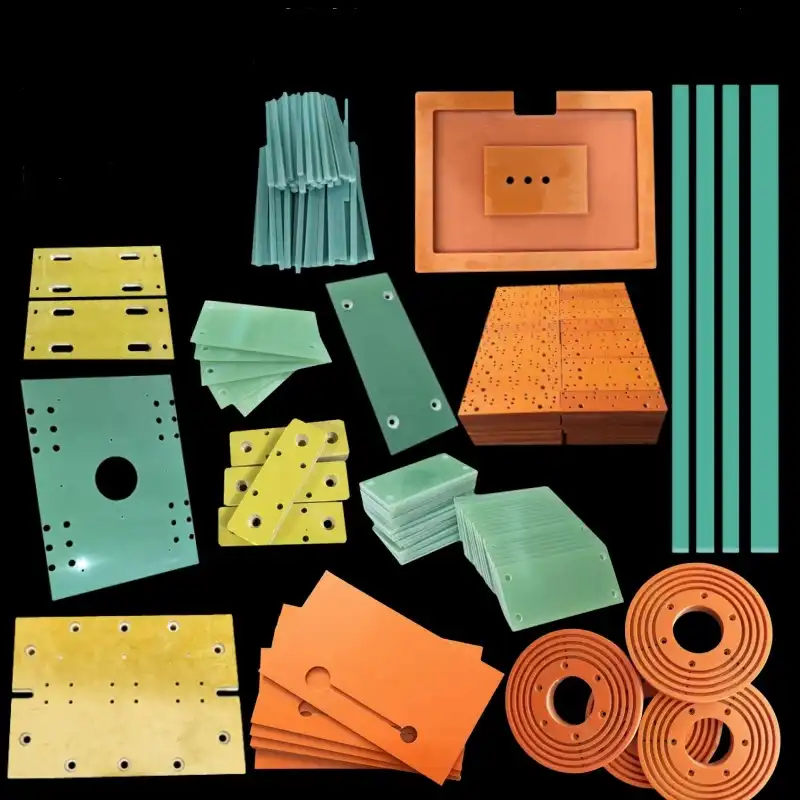
Insulation sheet is made of phenolic resin that is strengthened with layers of cotton or paper. It has great mechanical strength and enough electrical insulation for uses that don't require critical voltage. NEMA grade designations make it clear what kind of performance is expected: Grade X focuses on mechanical properties for structural parts, Grade XX on mechanical and electrical properties for general-purpose insulation, and Grade XXX on the best electrical performance and humidity resistance for high-voltage transformer barriers. The material can be machined smoothly with standard CNC tools, but for thicknesses greater than 1.5 mm, pros suggest hot punching methods to avoid delamination. This low-cost option works for jigs, clamps, and mechanical spacers that don't need to have very high dielectric strength.
Epoxy Glass Laminates for High-Performance Electrical Insulation
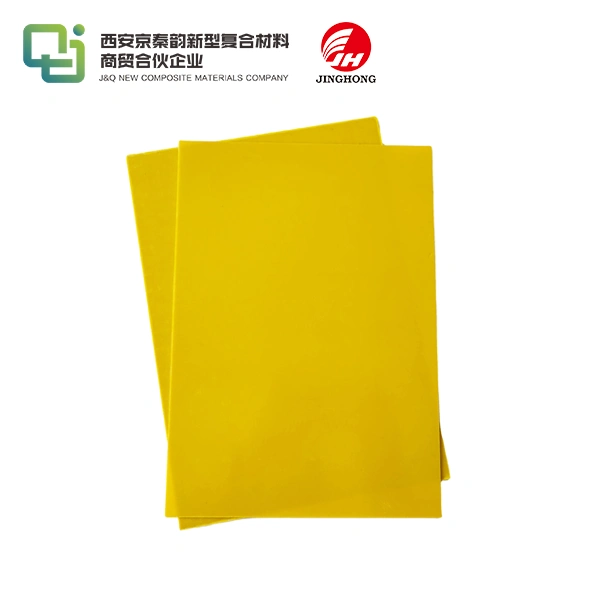
The most reliable material for tough electrical jobs is the 3240 Epoxy Glass Cloth Laminated Sheet Insulation Sheet. Its hybrid structure is made of woven fiberglass cloth that is filled with heat-cured epoxy resin. This gives it a dielectric strength of more than 35kV/mm, great mechanical stiffness, and thermal stability up to 155°C for continued use. This material works really well as protection for generator coils, motor slot liners, and arc barriers, all places where an electrical failure could be very bad. Oil-immersed breakdown voltage testing shows that good makers control resin impregnation to get rid of voids that cause partial discharge paths. The material's very flat surface and thickness limits of within ±0.3mm make it perfect for automatic assembly processes that need to keep the sizes consistent so that the equipment doesn't get stuck.
FR4 Sheets for Electronics and Flame-Critical Applications
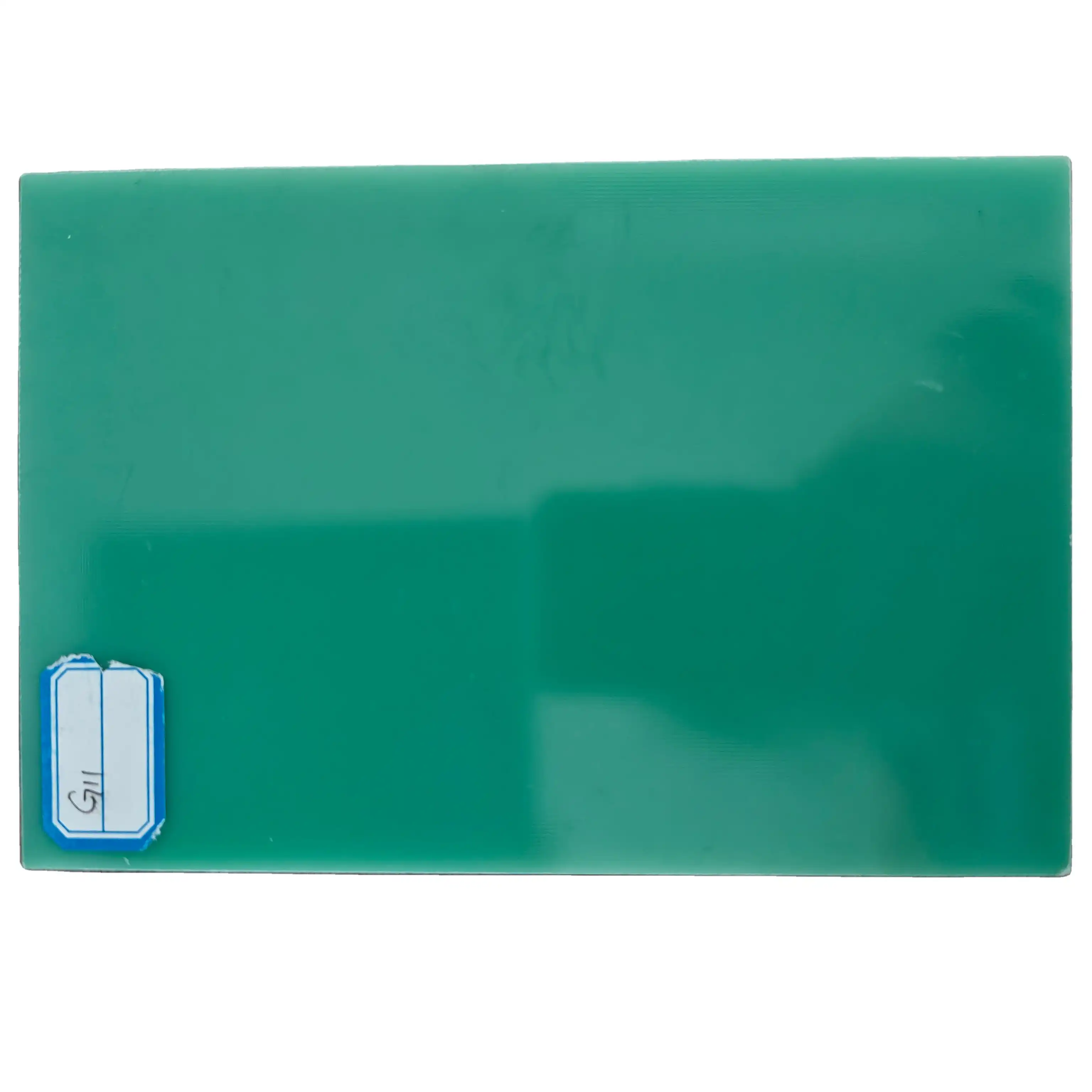
As the standard base for rigid printed circuit boards, FR4 Insulation Glass Epoxy Sheet rules the electronics industry. Its flame-retardant formula meets UL 94 V-0 standards, which means that samples extinguish themselves within ten seconds of being exposed to vertical burn tests. This is an important safety feature for parts used in electronics and cars. FR4 is used for more than just PCBs. It is also used as drilling entry and backup boards in precision manufacturing, where its ability to be machined without leaving burrs saves expensive carbide tools and guarantees accurate holes. The material doesn't absorb much water (usually less than 0.1% after 24 hours of immersion), so its electrical qualities stay fixed in damp places. This makes it a good choice for outdoor enclosures and naval electronics. Procurement teams like that FR4 is easy to find and doesn't cost too much because it is made in huge quantities around the world for the electronics industry.
Evaluate Performance Metrics and Quality Control Standards
Specifications for raw materials only tell part of the story of how they are bought. The difference between strategic sourcing and buying things that are just "common" is knowing how makers make sure that the performance is consistent and what measures really predict reliability in the field.
Critical Inspection Parameters for Quality Assurance
Professional buying calls for strict quality control that goes beyond simple checks of measurements. Visual inspection methods must find surface flaws like bubbles, delamination, areas lacking resin, and carbon tracking that hurt the dielectric's performance. Checking the thickness tolerance with accurate micrometers makes sure that it works with automatic assembly equipment. Variations that are too big cause jams and stop the production line. Measuring the flatness of a surface keeps it from warping during later processing. This is especially important for CNC cutting tasks that need precise depth control.
Dielectric Performance Testing Protocols
Dielectric strength testing in settings that are similar to real-world working conditions is the most important quality check. In standard testing, pieces of material are put into transformer oil that has been heated to 90°C ± 2°C. High voltage is then applied perpendicular to the laminations until they break. Materials that meet the requirements can withstand volts that are right for their thickness without breaking. This proves that the resin was filled with no gaps and the sealing process went well. Moisture resistance is confirmed by testing insulation after being submerged in water for 24 hours. This is especially important for uses that will be used outside or in wet places. These destructive tests show that the maker is controlling the process and making sure that each batch is the same, which is something that specs alone can't do.
Thermal Stress and Mechanical Validation
In addition to their electrical qualities, materials must also show that they are mechanically stable when temperatures change. Heat shock testing involves heating samples to their recommended temperatures (155°C for most epoxy laminates) and then quickly cooling them down. This is done several times to look for burning or delamination, which means the resin didn't dry properly or the layers didn't stick together. Flexural strength testing measures how well a machine works when it's under load. This is especially useful for using padding in machinery's structure. These quality measures give objective information that helps with evaluating suppliers and making decisions about what materials are qualified.
Consider Machining Capabilities and Supplier Technical Support
Specifications for materials only show how well they might work. The real results rely on how well they are processed and how well their suppliers support them throughout the span of the product.
CNC Machining and Fabrication Considerations
In many situations, precision-machined insulation parts are better than normal insulation sheet stock. Different materials have different cutting properties that affect how well they are made and how much the tools cost. FR4 can be machined smoothly at modest speeds with carbide tools that produce little dust and great edge quality. When phenolic materials are cut, phenol and formaldehyde are released, giving them a distinct smell. This is why industrial-grade dust extraction systems that meet health standards for workers are needed. Cutting tools need to be sharp and have the right shape and feed rate for epoxy laminates so that they don't delaminate at the edges of cuts. Suppliers with their own CNC machines can do useful things like custom cutting, turning, and drilling to meet print requirements. This makes buying things easier and lowers the quality problems that can happen when processing is outsourced.
Technical Support and Application Engineering
For complex uses, it's helpful when providers offer technical advice in addition to taking orders. When there are several options that seem like good materials, engineering support helps make the best choice by laying out the trade-offs between cost, performance, and processing needs. When processing problems happen, responsive technical teams figure them out. For example, they might suggest hot cutting techniques for thick Bakelite sheets to keep them from delaminating, different ways to use tools for tough materials, or material certificates and compliance documentation for audit needs. This way of working together cuts down on development time and the number of expensive trial-and-error material changes that need to be made.
Logistics and Supply Chain Reliability
Material availability and the ability to predict arrival have a direct effect on output schedules. When suppliers keep enough product on hand, expensive line shutdowns don't happen while they wait for restocking orders. Minimum order amounts that are flexible can be used for both concept development and low-volume production without having to buy too much inventory. Integrated transportation skills make it easier to ship goods internationally, clear customs, and track deliveries. This is especially helpful for buying things from other countries. When looking at the total cost of ownership across supply ties, these practical factors often matter more than small price differences.
Align Selection with Regulatory Compliance and Industry Trends
Strategic buying goes beyond meeting urgent technical needs; it also plans for changing standards and market demands that will have an impact on the long-term viability of the material.
Environmental Compliance and Hazardous Substance Restrictions
ROHS rules that limit the use of lead, mercury, cadmium, and other harmful materials in electronics are still growing in scale and area covered. Materials that follow these rules escape problems getting into new markets and expensive redesigns when rules get stricter. More and more people are worried about the harmful byproducts that can be released during building fires. Formulations without halogens can help with this, especially for construction and appliance uses. To make sure that supply chains will work in the future, procurement teams make sure that products meet current and future environmental laws first, even if they aren't needed right away.
Industry Certification Programs and Customer Expectations
Major original equipment manufacturers (OEMs) are making it more and more important for providers to follow quality management systems like ISO 9001, environmental standards like ISO 14001, and programs specific to the car industry like IATF 16949. Getting materials from approved makers makes customer audits easier and shows that the process is mature, which lowers quality risk. End users and insurance companies both value the independent third-party validation that UL recognition for certain material types and uses offers. These qualifications set professional sellers apart from those who only sell goods at low prices.
Emerging Technologies and Material Innovations
The insulation materials industry is always changing as new products are made to fill performance gaps and answer worries about sustainability. Nano-enhanced materials are better at transferring heat for uses that need to cool things down while still being electrically insulating. Bio-based glue systems use less oil and leave smaller carbon footprints, which makes them appealing to customers who care about the climate. Modern production methods, such as additive manufacturing, make it possible to make shapes that are too complicated to be possible with regular sheet stock. By keeping up with these changes through relationships with suppliers and industry magazines, procurement teams can see when material switching could lead to better performance or lower costs.
Conclusion
To choose the right insulation sheet, you have to think about how well it works technically, how reliable the seller is, how well it meets regulations, and how much it costs. Successful sourcing teams take the time to understand the particular needs of each application and then match those needs with the right material types, such as Insulation Bakelite Sheet for mechanical uses, 3240 epoxy laminates for high-voltage insulation, or FR4 sheets for electronics. Tough quality control checks, like dielectric testing and dimensional checking, make sure that all production runs work the same way. Technical help and machining skills from a supplier add value beyond just providing raw materials. Also, keeping an eye on changing environmental laws and industry certifications makes buying choices more reliable for the future.
FAQ
What determines whether FR4 or phenolic laminate is better for my application?
The main things that determine the choice are the electricity performance needs and the working surroundings. When high dielectric strength (above 30kV/mm), flame protection meeting UL 94 V-0 standards, and low moisture absorption are important, FR4 Insulation Glass Epoxy Sheet really shines. This is often the case for PCB boards, high-voltage barriers, and outdoor enclosures. Insulation Bakelite Sheet is good for uses that value cost-effectiveness and mechanical strength over best electrical performance. These include jigs, fixtures, mechanical spacers, and moderate-voltage insulation where NEMA Grade XX qualities are enough. Also, the temperature limits are different. FR4 can usually handle 130°C of constant work, while some phenolic grades can handle 155°C. By asking material providers about specific power levels, temperature exposure, and mechanical loads, you can find the family of materials that offers the best value for money.
How can I verify insulation sheet quality before committing to large production orders?
Professional buying uses several levels of checks, starting with a study of the supplier's certification (ISO 9001, UL recognition for certain grades) to make sure the process is mature. Ask for certificates from approved labs that show the dielectric strength, bending strength, and water absorption test results for the materials. Order small amounts to be tested internally. This includes checking the dimensions with precise measuring tools, looking for flaws on the surface, and if possible, dielectric breakdown testing in conditions that are similar to your application. Samples can also be used to check how easy it is to machine if further preparation is needed. This qualification method finds quality problems before they become production promises. This lowers the risk of expensive material rejects or failures in the field.
Partner with J&Q for Expert Insulation Sheet Solutions
Choosing the right materials is only the beginning of a good relationship with a buying officer. With more than 20 years of experience, J&Q makes high-quality insulation sheets, such as FR4, 3240 epoxy boards, and phenolic laminates. Our technical team helps engineering managers and sourcing specialists match the features of materials to the needs of an application. This is backed up by strict quality control measures, such as checking the dielectric strength and following the rules for dimensional inspection. As a well-known provider of insulation sheets with integrated operations, we offer a one-stop service that includes choosing the right materials, CNC machining with accuracy, and coordinating shipping across borders. Our ten years of experience in foreign trade working with global makers means that we can communicate quickly and provide the right paperwork to meet your safety needs. Get in touch with our application engineering team at info@jhd-material.com to talk about your unique insulation material needs and get expert advice on how to improve performance, quality, and value throughout your supply chain.
References
Harper, Charles A. "Handbook of Materials for Product Design, Third Edition." McGraw-Hill Professional, 2001.
NEMA Standards Publication LI 1-1998. "Industrial Laminated Thermosetting Products." National Electrical Manufacturers Association, 1998.
IPC-4101D. "Specification for Base Materials for Rigid and Multilayer Printed Boards." Institute of Printed Circuits, 2019.
ASTM D229-20. "Standard Test Methods for Rigid Sheet and Plate Materials Used for Electrical Insulation." American Society for Testing and Materials, 2020.
Lubin, George. "Handbook of Composites." Van Nostrand Reinhold Company, 1982.
UL 94. "Standard for Safety of Flammability of Plastic Materials for Parts in Devices and Appliances." Underwriters Laboratories, Current Edition.