Why Bakelite Sheet Warps Under High Temperature
2026-06-04 17:07:54
Due to differences in thermal expansion, production leftover stresses, and changes in the amount of water in the phenolic resin matrix, Bakelite sheet warps when heated to a high temperature. When the material is heated above its Class E grade of 120°C, it expands unevenly across its layers, especially where the paper or fabric bases meet the phenolic binder for reinforcement. This difference in temperature causes localized stress concentrations that show up as noticeable bends or twisting. This reduces the accuracy of measurements, which is important for electrical insulation and mechanical uses.
Understanding Bakelite Sheet and Its Thermal Properties
The Thermosetting Nature of Phenolic Laminates
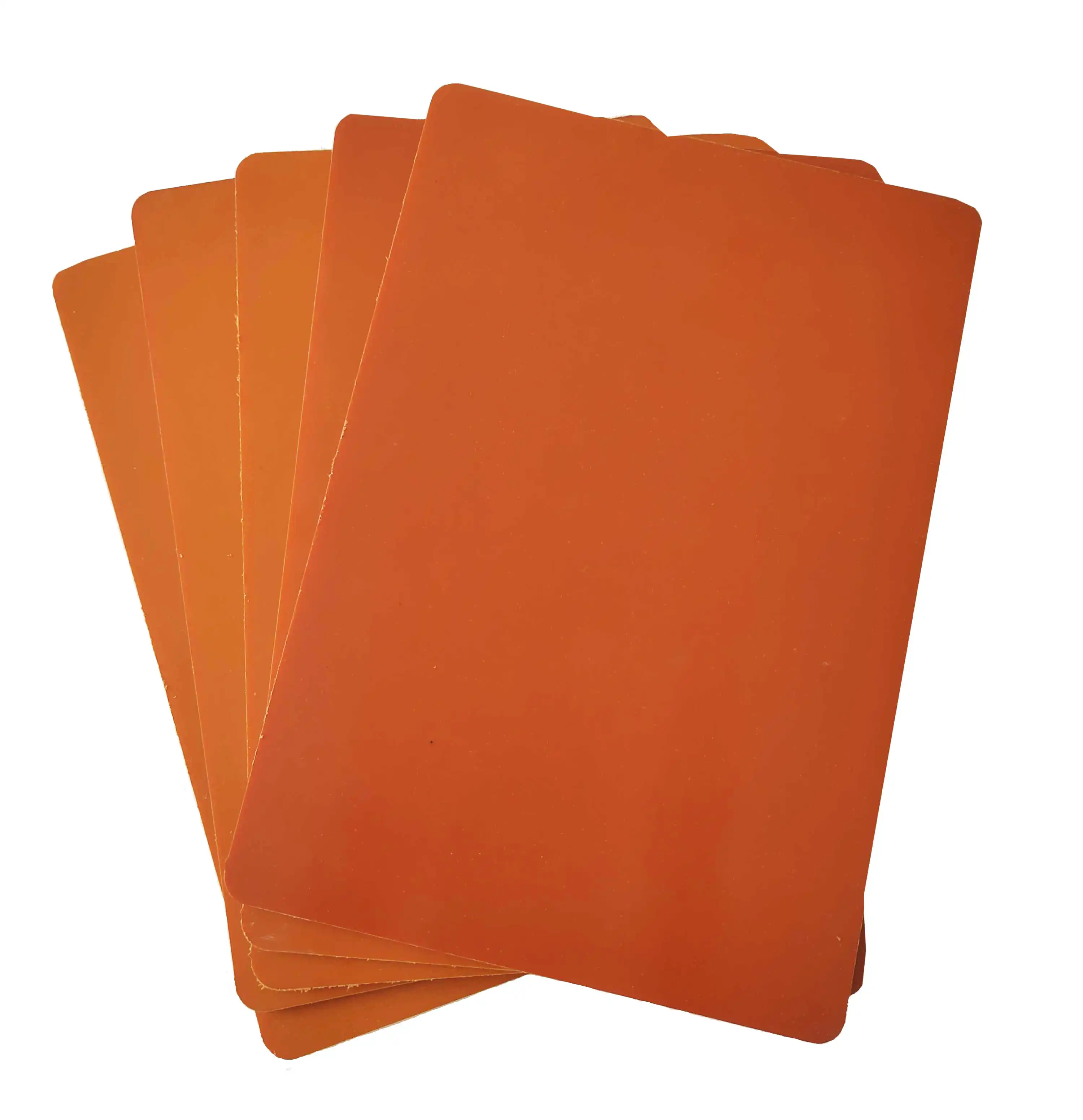
The thermosetting polymer family includes Bakelite. It is made when phenol and formaldehyde combine with controlled heat and pressure to make a solid. While thermoplastics melt when heated again, phenolic resin crosses-links irreversibly during hardening, creating a solid three-dimensional network of molecules. This structure gives the material great structural stability up to its thermal threshold, but it also makes it harder for the material to shift internal stresses when it's heated up. The resin has a density of about 1.45 g/cm³ and a bending strength of more than 90 MPa, which means it can be used as load-bearing electrical insulation and mechanical spacers in industrial equipment.
Thermal Performance Specifications
Class E insulation systems can use standard phenolic laminates, which keep their structural integrity and dielectric strength up to 120°C constant working temperature. The material's thermal expansion coefficient is about 20–30 × 10⁻⁶/°C, which is a problem when there are temperature differences across the thickness of the sheet. At room temperature, the dielectric strength is usually higher than 10 MV/m. However, it decreases slowly above 100°C as molecular motion grows in the resin matrix. In this temperature range, phenolic sheets' chemical resistance to oils, solvents, and weak acids stays steady. This makes them useful for switchgear and motor housings that use oil-based lubrication.
Reinforcement Types and Heat Tolerance
Different types of support materials have big effects on how heat behaves. Paper-reinforced grades, like NEMA Grade X, are good at insulating against electricity, but they also absorb water more easily, which causes internal air pressure when heated. Fabric-reinforced Grade XXX versions are better at resisting water because they have more resin, but the cotton or synthetic fibers expand at different rates than the phenolic binder. Glass-reinforced phenolic sheets bring the temperature limits closer to 150°C, but they are less easy to shape. When purchasing teams know about these trade-offs, they can better match material types to the temperature patterns and environmental conditions that are needed for each application.
Why Does Bakelite Sheet Warp Under High Temperature?
Manufacturing-Induced Internal Stresses
During the lamination process, leftover forces are built into the phenolic sheets. During production, layers of fabric or paper that has been saturated with resin are stacked and pressed hydraulically at temperatures between 150°C and 170°C and pressures higher than 10 MPa. The rate of cooling and the time at which the pressure is released lock in forces at the edges of the strengthening layers. As the material gets closer to its glass transition area, these latent stresses come into action when the finished sheet comes into contact with heat during service. This effect is made worse by lower-grade phenolic laminates that don't distribute the resin evenly. This is because areas with more resin grow differently than areas with more fiber.
Thermal Gradient Effects Across Sheet Thickness
When one side of the surface is hotter than the other, the warping looks worse. This often happens in motor parts where one side touches hot windings and the other side stays cool with air. Because of the difference in temperatures, the hot side of the Bakelite sheet expands more than the cold side, which bends it toward the cooler area. Thicker sheets than 10 mm are more likely to break because phenolic resin doesn't conduct heat very well (0.2-0.3 W/m·K), so temperature differences can last for a long time. This effect is made worse by rapid heating cycles, which don't give internal areas enough time to reach temperature balance with surfaces.
Moisture Content and Hygroscopic Expansion
Phenolic laminates take in water from the air around them. At 65% relative humidity, paper-reinforced grades can take in up to 1.5% of their own weight in water. When heated, this absorbed water drops the effective glass transition temperature and makes vapor pressure. When it gets above 100°C, stored moisture turns into steam, which causes forces of expansion that are perpendicular to the layers of the laminate. When thermal cycles cause moisture to move, sheets that were not kept properly before installation or that are in wet places while they are being used can suddenly warp. This effect is bad when combined with heat expansion, especially in sheets that are less than 3 mm thick and where moisture gradients form quickly.
Mechanical Load Interactions
Mechanical forces from the outside work with thermal growth to speed up warping. Using clips, fasteners, or interference fits to stop natural expansion turns heat strain into deformation that isn't in the same plane as the material. Applications that need very close tolerances, like CNC-machined gear blanks or spacers in power distribution equipment, become dimensionally unstable when bolt torque requirements don't take heat expansion coefficients into account. When used in cars or machines, vibration wears down the material over and over again while it's hot, gradually easing leftover stresses through permanent deformation instead of elastic recovery.
Comparative Analysis: Bakelite Warping vs. Other Materials at High Temperature
Phenolic Laminates vs. Epoxy FR4 Sheets
Epoxy-based FR4 laminates have lower thermal expansion factors (14–17 × 10⁻⁶/°C) than phenolic materials. This means that they are less likely to bend when the thermal loads are the same. FR4 stays the same size up to 130–140°C, which is 10–20°C warmer than regular phenolic sheets. However, epoxy resins are more expensive to make (usually 40–60% more expensive than similar phenolic grades) and are not as resistant to strong acids. The effectiveness of the electrical insulator stays about the same, with FR4 having a slightly higher arc resistance. When procurement teams have to choose between cost and thermal performance, they usually choose phenolic sheets for uses that don't go above 110°C and save FR4 for important high-temperature PCB supports.
Phenolic vs. Melamine Laminates
Melamine formaldehyde laminates have a harder surface and are less likely to scratch, but they can bend just like phenolic materials. Both use thermosetting resins that have similar properties when it comes to heat growth. Melamine is better for decorative areas that need to look good, while phenolic sheets are better for useful electrical insulation jobs. There aren't many changes between the materials when it comes to thermal performance. Melamine is slightly better at resisting wetness, but both materials stay the same size when heated. Phenolic laminates are the most cost-effective choice for industrial parts that can't be seen because they don't bend and have a good surface finish.
Thermosetting vs. Engineering Thermoplastics
Engineering thermoplastics, such as PEEK or PPS, can withstand much higher constant temperatures (260°C for PEEK) without breaking, but they cost 5–10 times more to make than phenolic sheets. Also, special tools are needed to work with these materials, and they don't have the electrical shielding qualities that are needed for transformers. Phenolic laminates still have benefits when it comes to dielectric strength, chemical resistance to grease, and being able to be machined with standard tools. Because of their good cost-to-performance ratio, phenolic materials are still competitive for electrical parts that work below 120°C. This is especially true in price-conscious markets like home appliances and cars, where using cheaper thermoplastics would not make economic sense.
Practical Solutions and Best Practices to Minimize Bakelite Sheet Warping
Material Grade Selection and Quality Verification
Picking the right phenolic grades is the first step in keeping Bakelite sheets from warping. Grades with more resin, like NEMA XXX, keep their shape better than Grade X because they don't absorb as much water and the resin is spread out more evenly. Tighter thickness tolerances (±0.1mm vs. normal ±0.3mm) make sure that all production runs have the same thermal reaction. As part of quality control, the moisture content of the sheets should be tested (they should come with less than 0.5% moisture content) and approval paperwork should be shown to show that the right curing processes were followed. Suppliers with a lot of experience give test reports on materials that show how much they expand and shrink when heated and when they dry. This information helps you decide if the material is right for your purpose.
Controlled Heating and Cooling Protocols
Gradual changes in temperature keep stress from building up. When there are heating cycles, ramp rates should be less than 3°C per minute so that the temperatures inside and outside can be equal. Thermal shock can be lessened by heating parts to 60–80°C before they reach full working temperature. Both types of cooling are important. For example, forced air cooling makes temperature differences on the surface that cause warping, while ambient cooling in enclosed areas lowers the temperature evenly. Motor makers keep insulation from warping by managing the features of the ovens that cure the windings and using staged cooling zones that keep the temperature even across the thickness of the parts.
Mechanical Design Strategies
Changes to the design allow for heat growth instead of fighting it. Slotted fixing holes let the piece move laterally while it's being heated, which stops the forced expansion from turning into twisting. Differential expansion zones can be avoided by making sure that all parts are the same width. For example, don't mix 3mm and 10mm pieces in the same component. On both sides, symmetrical designs of reinforcing keep thermal pressures in check. Using the material's CTE values, mechanical engineers should figure out how much the dimensions are likely to change and add spaces to keep the parts from sticking together during heat cycles. Specifications for fastener force must allow for a small amount of movement without making the joint loose at working temperature.
Storage and Pre-Installation Conditioning
Field breakdowns are much less likely when materials are handled correctly before they are installed. Phenolic sheets should be kept flat on level surfaces, away from heat sources, and in a room that is 18 to 25°C and has less than 50% relative humidity. Hygroscopic absorption can't happen if you seal items in moisture-barrier packages until they are installed. Pre-conditioning sheets in the working environment for 24 to 48 hours before they are machined or installed lets them adjust to service conditions and shows any bending patterns before they are fully put together. This is what transformer makers always do when the stability of the coil insulation is very important.
When to Specify Alternative Materials
No matter what measures are taken, phenolic laminates can't handle all uses. Glass-epoxy FR4 or ceramic-filled alloys are needed for continuous operation at temperatures above 130°C. Extreme temperature changes, like those found under the hood of an automobile that can go from -40°C to 150°C, are better handled by materials with lower expansion factors. Even though they are more expensive, epoxy or polyimide laminates might be better for high-precision uses that need tolerances closer than ±0.2mm after heat exposure. Through thermal modeling and accelerated life tests, OEM relationships with skilled material providers help find these critical points before committing to production.
Procurement Insights: Finding Reliable Bakelite Sheet Suppliers and Products
Certification and Quality System Verification
Reliable providers of phenolic sheets keep their ISO 9001 quality management certification up to date, which shows that their production processes are consistent. RoHS compliance paperwork shows that there are no restricted substances, which is important for goods going into the European and North American markets. UL certification for electrical shielding materials backs up claims of dielectric strength and flame protection. By asking suppliers for process paperwork like controls on the resin formulation, records of the lamination pressure and temperature, and post-cure inspection routines, you can find out about the manufacturing discipline that is directly linked to dimensional stability. People are more likely to trust suppliers who are willing to give them batch-specific test data with measures of thermal expansion and moisture content than those who only offer general material datasheets.
Customization Capabilities and MOQ Considerations
Customized sheet specs that take into account the risk of twisting help with large-scale production. Suppliers who can make their own resins can change the amounts of fillers and catalysts to get the best temperature stability for different working conditions. Custom thickness choices let designers choose the best sizes for combining thermal mass and mechanical strength. There are a lot of different minimum order numbers. For example, known suppliers usually need between 500 kg and 1000 kg for custom specifications, while standard grades ship in smaller amounts. Long-term supply deals often lead to lower MOQs and better prices, which is especially helpful for OEMs that need the same material qualities across production runs that last for years.
Logistics and Lead Time Management
Global sourcing adds factors that change the state of materials when they arrive. Ocean freight subjects Bakelite sheets to changes in temperature and humidity while in transit. Using climate-controlled containers or moisture-barrier packing is recommended to keep the integrity of the materials. International sources have longer lead times (8–12 weeks) than domestic sellers (2–4 weeks), but cost differences may make longer planning horizons necessary. Damage rates can be lowered by forming regional distribution partnerships with experienced freight forwarders who know how to handle industrial materials. Schedules should include time for inspections so that quality checks can be done on arriving materials before they are sent to production lines.
Building Strategic Supplier Relationships
Competitive advantages can be gained by working with providers who offer expert help beyond transactional sales. When suppliers hire application engineers to help with choosing materials, providing thermal modeling support, and fixing problems in the field, these engineers work as extensions of the supplier's own engineering teams. Joint development programs for custom formulas lower the cost of research and development (R&D) while making unique material solutions that rivals can't easily copy. Suppliers can keep safety stock of customer-specific grades when they have long-term ties with customers. This cuts down on lead times during times of high demand. Being open about output capacity and where raw materials come from helps buying teams plan for supply chain problems and prepare for them.
Conclusion
Thermal warping in phenolic laminates is caused by industrial pressures, differences in thermal expansion, the amount of moisture in the material, and mechanical limitations. Knowing how these things work gives engineers and people who buy things the power to use preventative measures like choosing the right materials, keeping processes under control, and making the best designs. Even though other materials have better thermal performance, phenolic sheets are still the most cost-effective choice for uses within their temperature range, especially when they come from sources that focus on quality and use strict production controls. Strategic relationships that combine technical know-how with reliable supply chains can turn material problems into competitive benefits. This makes sure that products are reliable and cost-effective in the long term for use in automobile, industrial, and electrical settings.
FAQ
How can I identify if a Bakelite sheet will warp before installation?
Visual inspection shows some signs of risk, such as waviness on the surface, color differences that suggest uneven resin distribution, and edges that are coming apart. Ask the seller for proof that the moisture content is less than 0.5% and for thermal expansion test results. Conditioning samples in the place where you work for 48 hours before they are machined shows existing patterns. Sheets that meet NEMA grade requirements and have recorded quality controls are safer than materials that aren't approved.
What temperature range allows safe use without warping concerns?
Standard phenolic laminates work successfully up to 110°C continuous operation with little chance of warping if they are placed and described correctly. Short-term trips to 120°C are fine as long as the heating rate stays steady. If the temperature usually goes above 120°C or there are changes in temperature of more than 60°C, you might want to look at glass-reinforced phenolic grades or other materials, such as FR4 epoxy laminates, that can handle higher temperatures.
Can warped Bakelite sheets be corrected or salvaged?
Attempting to flatten warped phenolic laminates through re-heating typically causes further damage, including carbonization and loss of insulating properties. If the device can handle clamping forces, slight warping (less than 1 mm variation across a 300 mm span) may be physically limited during installation. Material that is badly warped should be thrown away because the reason, whether it's moisture damage or a mistake in the manufacturing process, makes it less reliable in the long run, even if it's briefly flattened.
Partner with J&Q for Thermally Stable Bakelite Sheet Solutions
J&Q has been making high-quality phenolic laminates that don't bend when heated for more than 20 years. These laminates are designed to work well in tough industrial settings. Our precise lamination methods and controlled resin formation processes reduce leftover stresses, making Bakelite sheet more stable in terms of its shape across a wider range of temperatures. As an integrated provider of Bakelite sheets with in-house operations, we offer a streamlined one-stop service from developing unique specifications to delivering the goods. Our expert team works with your engineers to find the best sheet thickness, reinforcements, and curing schedules for your unique thermal climate. Get in touch with info@jhd-material.com to talk about your needs and get samples of materials with approved heat performance data. Use our ten years of experience in exporting to find trusted supply lines that can help you meet your production schedules.
References
Richardson, M.J., "Thermal Analysis of Phenolic Resins and Composites," Journal of Applied Polymer Science, Vol. 89, 2003, pp. 2385-2393.
Harper, C.A., Handbook of Plastics, Elastomers, and Composites, 4th Edition, McGraw-Hill Professional, 2002.
NEMA Standards Publication LI 1-1998, Industrial Laminated Thermosetting Products, National Electrical Manufacturers Association, 1998.
Biernath, R.W. and Soane, D.S., "Residual Stress Development in Thermosetting Laminates," Polymer Engineering and Science, Vol. 33, 1993, pp. 1231-1238.
Tavakol, B. and Roozbehjavan, P., "Moisture Absorption Effects on Mechanical Properties of Phenolic Composites," Materials & Design, Vol. 47, 2013, pp. 483-489.
IEC 60893-3-4:2003, Insulating Materials - Industrial Rigid Laminated Sheets Based on Thermosetting Resins for Electrical Purposes - Part 3-4: Specifications for Individual Materials, International Electrotechnical Commission, 2003.