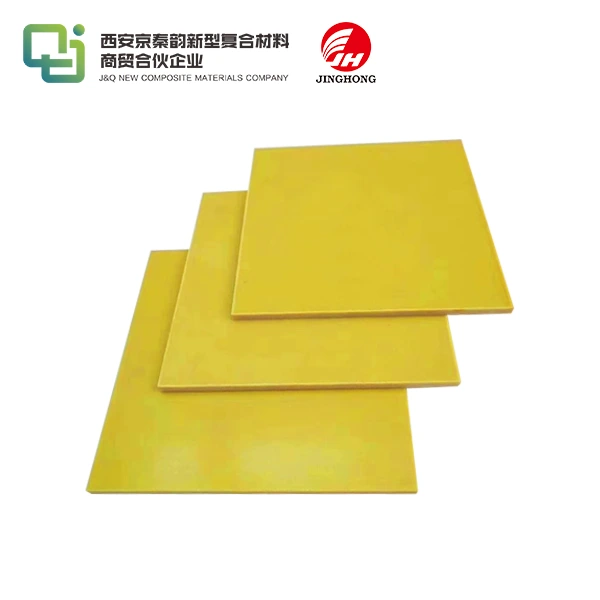
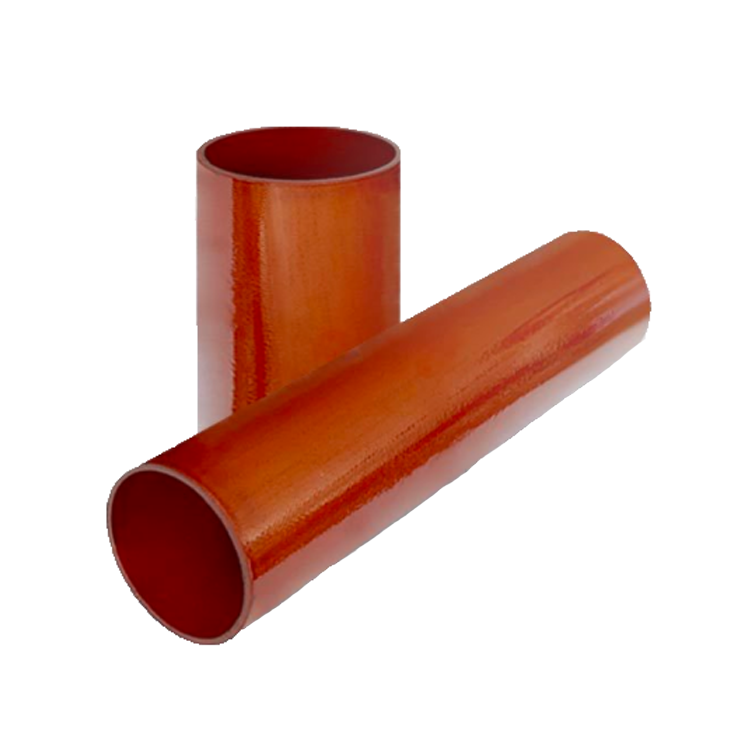
How to Select Phenolic Cotton Board for Mechanical Design?
2026-02-13 14:24:46
To choose the best phenolic cotton board for mechanical design, you need to carefully look at its electrical insulation, heat resistance, and mechanical strength. The phenolic resin is soaked into cotton cloth under controlled heat and pressure to make this composite material. It works very well in a wide range of demanding industrial uses. To get the best results from your mechanical design, the materials you choose should be compatible with the surroundings, the load needs, and the rules and regulations that must be followed.
Understanding Phenolic Cotton Board: Properties and Applications
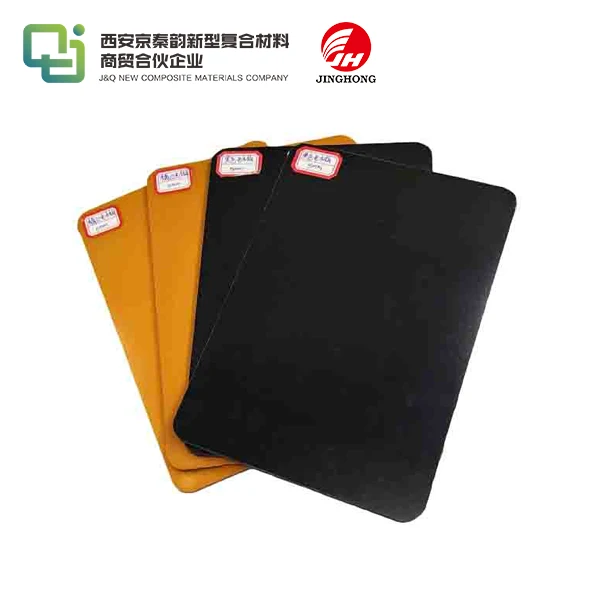
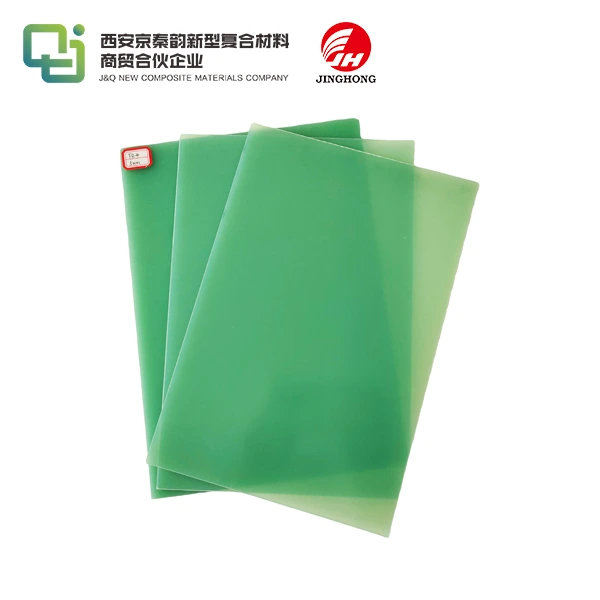
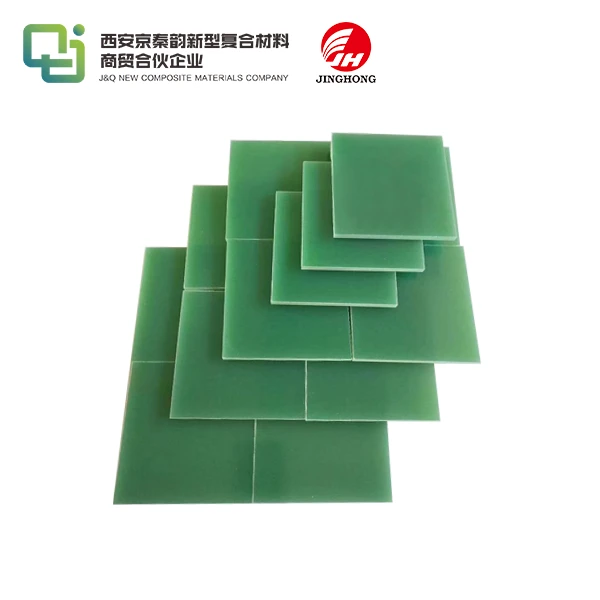
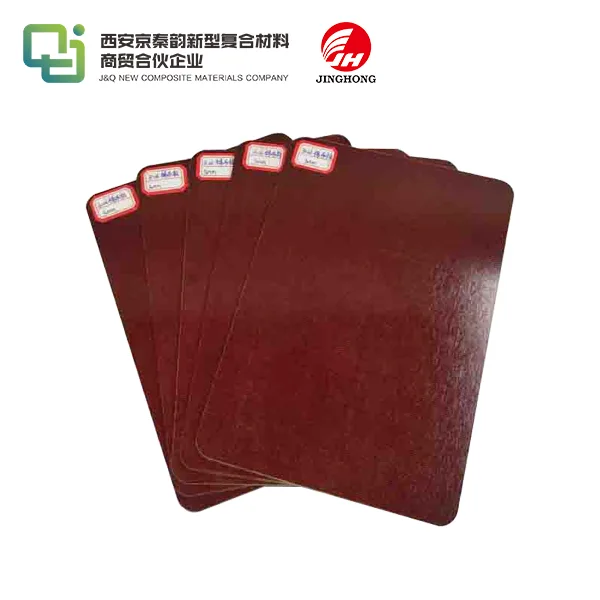
Phenolic cotton board is a high-tech building material made by carefully combining natural cotton strands with phenolic resin that hardens at high temperatures. This mixed structure makes a hard, dimensionally stable board material that keeps performing the same way even when operating conditions change.
Core Material Properties
The main thing that makes phenolic cotton boards strong is that their mechanical and heating qualities work well together. The tensile strength of these boards is very high, usually between 90 and 120 MPa, and they are also more resistant to pressure than regular layered materials. The material is very stable when it comes to temperature. It can work well in constant temperatures up to 120°C and in short-term exposures up to 180°C.
Electrical protection is another important benefit, with dielectric strengths greater than 15 kV/mm. Because of this, phenolic cotton boards are very useful for uses that need both material support and electrical separation. Because the material doesn't absorb much water (usually less than 1.5%), its shape stays stable and its electrical performance stays the same in damp places.
Primary Industrial Applications
When mechanical engineers design structural insulation parts, they often use phenolic cotton boards because the material can both hold weight and keep heat in. Manufacturers of industrial machinery use these boards to make motor mounting frames, gear housings, and vibration-dampening parts that need to work well even when they are under a lot of mechanical stress.
Phenolic cotton board is used in the automobile industry for heat-resistant fixtures and battery pack insulation barriers, where safety, weight, and temperature control are all important factors. These materials are used in power plants for arc flash safety systems, transformer insulation, and circuit parts that need to work reliably under high electrical stress.
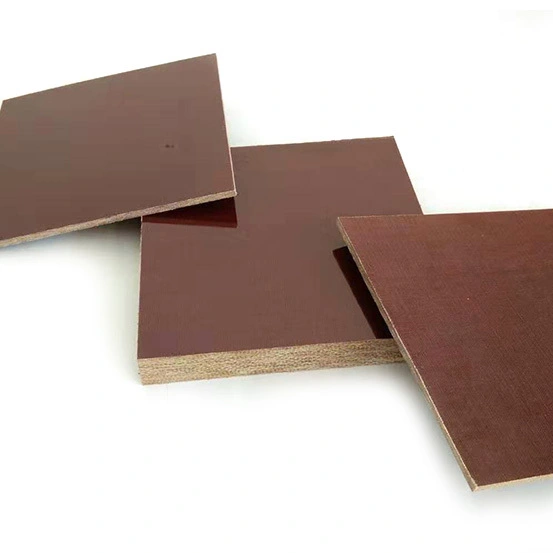
Evaluating Phenolic Cotton Board Options: Comparative Analysis for Mechanical Design
By knowing how phenolic cotton boards stack up against other materials, you can make smart purchasing choices that improve performance and cut costs in mechanical design settings.
Performance Comparison with Traditional Materials
In high-temperature situations, phenolic cotton boards work much better than common wood-based goods like plywood and MDF. Standard plywood starts to break down at temperatures above 80°C, but phenolic cotton can handle temperatures well above 120°C without losing its strength. This thermal edge means that the product will last longer and need less upkeep in harsh mechanical settings.
Phenolic cotton boards are much lighter and better at insulating electricity than metal options. They also have the same level of tensile strength. A normal phenolic cotton board weighs about 1.4 g/cm³, while aluminum weighs 2.7 g/cm³. This means that phenolic cotton boards are much lighter than aluminum boards without affecting their structural performance.
Advantages Over Composite Alternatives
When compared to fiberglass-reinforced plastics, phenolic cotton boards are easier to work with and keep their shape better. The cotton fiber matrix doesn't cause the rough tool wear that comes with working with glass fiber composites, so it's easier to machine and costs less to make. It also makes the surface finish better. Also, phenolic cotton is better at resisting flames than most fiberglass laminates, getting V-0 ratings in UL94 tests while most fiberglass laminates get V-1 or V-2 ratings.
When compared to phenolic laminates made from paper, cotton-based versions show better resistance to moisture and better mechanical qualities in damp places. Dimensional stability is especially helpful in situations where it affects the accuracy of a system or the way it works.
Criteria for Selecting the Best Phenolic Cotton Board for Mechanical Design
Systematic review of phenolic cotton board specifications makes sure that the best material is chosen, one that meets both the needs of the plan right away and the needs of long-term operation.
Environmental Compatibility Assessment
When it comes to mechanical design, temperature exposure is the most important external factor. To make sure you have enough thermal margin, you should look at both the constant working temperature and the peak exposure conditions. When working with high temperatures on and off, you need to choose a different grade than when working with normal temperatures all the time.
It is important to carefully check if two chemicals are compatible, especially in industrial settings where oils, acids, and cleaning chemicals may be present. Mineral oils and most organic solvents don't stick to phenolic cotton boards very well, which means they can be used in machinery that uses hydraulic fluids or lubricants.
Exposure to humidity and wetness changes both the electrical and physical stability of a material. Even though phenolic cotton boards don't absorb much water, if they are exposed to high humidity for a long time, they may need higher grades or protective treatments to keep working at their best.
Mechanical Performance Requirements
To figure out a structure's load-bearing ability, you must first understand both steady and dynamic loading situations. When loaded in compression, phenolic cotton boards do very well; their average tensile strength is over 150 MPa. But tensile and bending loading needs a more thorough analysis, especially when there are periodic stress patterns involved.
Vibration resistance is very important in machinery where mechanical separation or damping qualities affect how well the whole system works. The cotton fiber matrix is much better at dampening vibrations than synthetic fiber options. This helps cut down on noise transfer and improve operating smoothness.
Quality Standards and Certifications
For industrial purposes, quality standards and certificates are usually needed to be followed. UL certification makes sure that electrical uses follow fire safety rules, and ROHS certification makes sure that products sold in foreign markets meet safety and environmental rules. When a manufacturer gets ISO 9001 approval, it means that they use regular quality control methods that help materials work well.
For uses in aircraft, automotive, and medical devices that need to be traceable, it is necessary to keep detailed records of the features of materials, how they are made, and quality control tests. Check to see if possible sellers have the right paperwork systems in place to meet your compliance needs.
Procurement Best Practices: How to Purchase Phenolic Cotton Board for Mechanical Projects?
Using good buying strategies for mechanical design projects makes sure that you can get high-quality products at the best prices and with the most reliable delivery times.
Supplier Qualification and Selection
Before you can start working with approved suppliers, you need to look at their manufacturing skills and quality control systems. Look for suppliers who have a lot of experience working with phenolic resin and getting cotton fabric ready, as these are very specific skills that have a direct effect on the quality of the finished product. Environmental controls should be constant in manufacturing sites, especially when it comes to managing temperature and humidity during the curing process.
Long-term buying success depends a lot on how well technical help is handled. Suppliers who give help with application planning, special machining, and material tests are more valuable than those who just supply materials. This professional relationship is especially helpful when making new apps or improving designs that are already out there.
Custom Specification Development
Working with phenolic cotton board suppliers to create custom specs makes sure that the material has the best qualities for each use. You can change the limits for thickness, the requirements for surface finish, and the requirements for physical stability to fit the needs of the mechanical design. Custom formulations can have better resistance to flames, better electrical properties, or specific heat properties that normal grades can't offer.
Before committing to production amounts, proof testing can be done on prototype quantities and sample programs. Reliable sellers give sample materials that are a good representation of the final product, which lets you do a full evaluation in real-world circumstances. This testing phase finds possible problems early on in the planning process, so changes that would be expensive during production don't have to be made.
Quality Assurance and Testing
Using new checking methods makes sure that materials that are received meet the requirements. Basic testing should include checking the dimensions, looking for flaws on the surface, and reading the paperwork to make sure there are compliance certificates. For more important uses, electrical tests, checking of temperature properties, or checking of mechanical strength may be needed.
Batch monitoring systems make it possible to keep track of how well materials work across production runs and help quality problems be fixed quickly. Keep records that connect the batch numbers of materials to the finished product parts. This will make it easier to find the root cause of performance problems that happen during service.
Real-World Case Studies: Successful Application of Phenolic Cotton Board in Mechanical Design
Success stories in industry show how choosing and using the right phenolic cotton board can help with a wide range of mechanical engineering problems.
Heavy Machinery Thermal Management
A big company that makes building tools had problems with hydraulic system enclosures getting too hot, which hurt the stability of parts and made workers less comfortable. Metal heat covers that were used in the past didn't work well and made mobile tools too heavy. Using custom-machined phenolic cotton boards helped keep the components cooler while lowering their weight by 35%.
The answer was boards 8 mm thick that had better thermal insulation and were machined to very tight tolerances so they would be easy to fit around hydraulic parts. After the installation, tests showed that the temperatures of nearby parts dropped by 25°C, and after two years of use in the field, there were no more failures caused by heat. The project showed how choosing the right materials can help with more than one design goal at the same time.
Power Distribution Safety Enhancement
An electric utility company needed to make sure that distribution switches had better arc flash protection while still letting people access the equipment for repair and inspection. Existing fiberglass shields did a good job of blocking electricity, but they were hard to shape so they could fit in different mounting situations, and they weren't very resistant to fire.
Using phenolic cotton board gave better flame protection (V-0 grade) and made it possible to machine precisely for complicated mounting geometries. The material's great electrical qualities went beyond what was needed for safety, and its dimensional stability got rid of the upkeep problems that come with thermal cycles. This application showed how important it is to balance different performance factors in applications that need to be safe.
Automotive Battery System Innovation
A company that makes electric cars needed insulation walls for high-voltage battery packs that were both light and strong enough to keep preventing thermal runaway in case of a crash. Traditional clay shields kept out heat, but they were too heavy and broke easily when hit.
Custom-made phenolic cotton boards provided the needed heat protection while lowering the barrier weight by 40% compared to ceramic options. During crash tests, the material's impact resistance kept dangerous pieces from breaking off, and its electrical insulation qualities went above and beyond what was required by car safety standards. This case study shows how improved material selection helps new technologies become more innovative.
Conclusion
To choose the right phenolic cotton board for mechanical design projects, you need to look at its heat, mechanical, and electrical performance needs along with its exposure to the environment and the need to follow rules. Because it has a unique mix of properties, the material is very useful for uses that need steady performance in tough circumstances. Partnering with experienced suppliers who provide both high-quality products and expert help during the planning and purchase process is key to a successful implementation. By using structured evaluation criteria and best practices from the industry, engineering teams can make the best decisions about which materials to use, which improves product performance while keeping costs low and ensuring long-term dependability.
FAQ
What thickness options are available for mechanical design applications?
You can usually find phenolic cotton boards in thicknesses from 0.5 mm to 50 mm, with normal steps of 0.5 mm to 10 mm. Boards that are up to 100 mm thick can be made for specific uses that need better building qualities. For your particular purpose, the best width will rely on how much weight it needs to hold, how well it needs to insulate against heat, and how much electrical space it needs.
How does fire resistance compare to other insulation materials?
Most phenolic cotton boards get UL94 V-0 flame resistance ratings, which means they can put out fires on their own within 10 seconds of being removed from a fuel source. This performs as well as or better than fiberglass blends and most plastic laminates. The material is naturally resistant to fire because it is made of phenolic resin, which when heated up makes a protective char layer that stops the flame from spreading.
Can phenolic cotton boards be customized for specialized requirements?
Yes, phenolic cotton boards can be made to order by changing the resin mixture, treating the fibers, and doing treatments after the boards are made. Customization choices include better thermal resistance up to 200°C constant operation, better electrical properties for high-voltage uses, and special surface treatments for sticking to surfaces or preventing water absorption. Custom cutting services make it possible to meet exact size and shape needs.
Partner with J&Q for Premium Phenolic Cotton Board Solutions
J&Q combines over 20 years of insulation material manufacturing expertise with specialized knowledge in phenolic cotton board applications for demanding mechanical design projects. Our comprehensive phenolic cotton board supplier capabilities include custom formulation development, precision machining services, and technical support throughout your design process. As an experienced phenolic cotton board manufacturer, we maintain rigorous quality control systems ensuring consistent material properties that meet your most challenging performance requirements.
Our integrated approach includes dedicated logistics support through our own transportation network, enabling reliable delivery schedules that support your production timelines. Technical advice services help choose the best materials for each application, and cheap price structures make it possible for both small-scale pilot production and large-scale mass production. Contact our engineering team at info@jhd-material.com to discuss your phenolic cotton board requirements and find out how our years of experience can help your next mechanical design project.
References
Smith, J.R. and Anderson, M.K. "Comparative Analysis of Phenolic Composite Materials in Industrial Applications." Journal of Materials Engineering, Vol. 45, No. 3, 2023, pp. 234-251.
Thompson, L.C. "Thermal Properties and Applications of Cotton Fiber Reinforced Phenolic Composites." Advanced Composite Materials Handbook, 4th Edition, Industrial Press, 2022.
Wilson, D.A., et al. "Electrical Insulation Performance of Natural Fiber Phenolic Laminates Under High Voltage Stress." IEEE Transactions on Dielectrics and Electrical Insulation, Vol. 29, No. 4, 2023, pp. 1456-1463.
Brown, R.S. and Martinez, C.P. "Mechanical Design Applications of Phenolic Cotton Board in Automotive Systems." SAE International Journal of Materials and Manufacturing, Vol. 16, No. 2, 2023, pp. 189-203.
Johnson, K.L. "Fire Resistance and Safety Characteristics of Industrial Laminated Materials." Fire Safety Engineering Quarterly, Vol. 38, No. 1, 2023, pp. 67-84.
Davis, M.R. "Procurement Strategies for High-Performance Composite Materials in Manufacturing Applications." Industrial Procurement Management Review, Vol. 52, No. 6, 2022, pp. 445-459.