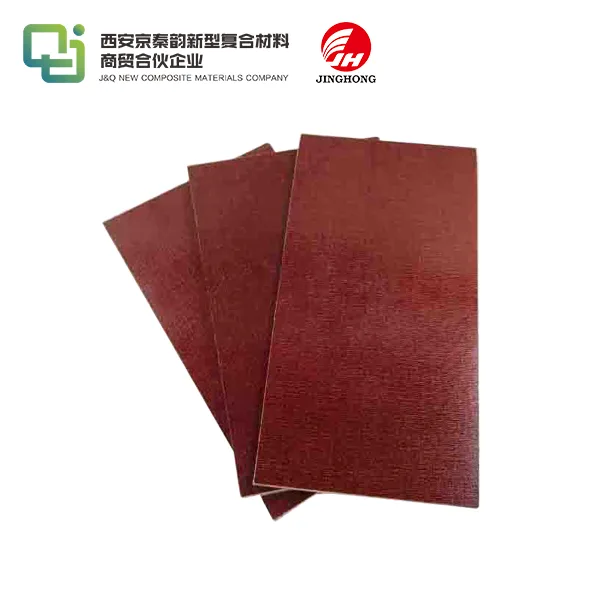
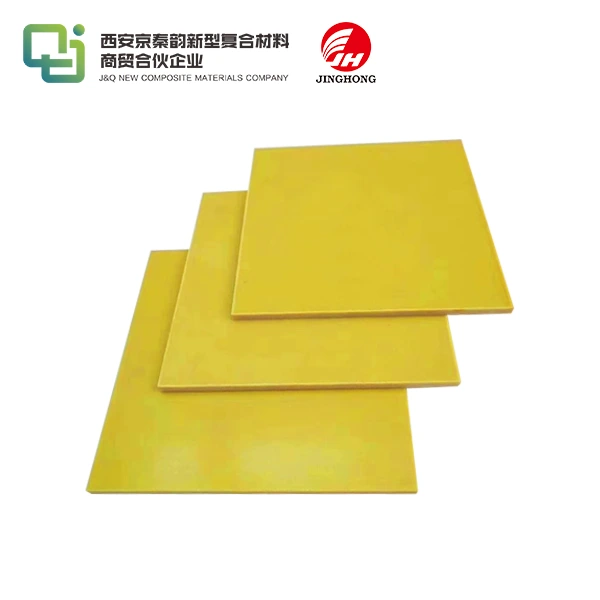
Processing Guidelines for High-Precision 3240 Epoxy Board
2026-02-13 14:24:48
The processing instructions for high-precision 3240 epoxy board include important steps that make sure it works perfectly in tough industrial settings. To get the exact dimensions and electrical properties needed for advanced electronics manufacturing, this special composite material has to be handled with great care, machined with exact parameters, and subject to strict quality checks. Knowing these basic working rules helps makers get the best performance out of their materials while reducing flaws. This leads to better products that meet strict industry standards and customer expectations.
Understanding 3240 Epoxy Board: Specifications and Properties
Materials used to make technology today need to be very good at keeping electricity from getting through and last a long time. The 3240 epoxy board stands out as a top-notch option. Its glass-epoxy composite design ensures steady performance in a wide range of industrial settings.
Core Material Composition and Structure
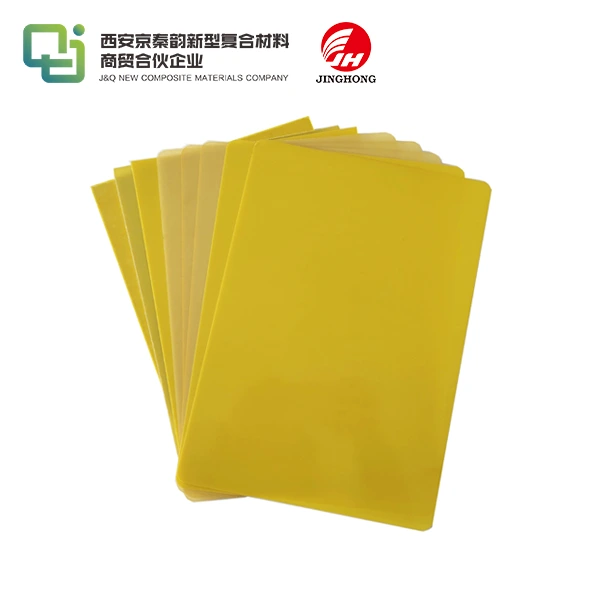
The core of 3240 epoxy resin board is its complex laminate structure, which is made of woven glass cloth that is saturated with premium epoxy resin. By putting these two things together, they make a uniform structure that stays very stable in its dimensions even when the temperature changes. The material's thickness tolerances are usually within ±0.1mm, which makes it perfect for precise PCB uses where consistent substrate measurements have a direct effect on how well the circuit works.
According to tests done by the industry, this epoxy laminate sheet keeps its mechanical qualities from -40°C to +140°C, which is a lot better than standard phenolic options. The glass transition temperature is higher than 170°C, which gives a lot of safety for uses that need to work at high temperatures.
Electrical and Thermal Performance Characteristics
Engineers who work with electricity like how 3240 grade materials have better insulating qualities than other materials. The dielectric constant stays between 4.5 and 5.5 GHz at frequencies up to 1 GHz, and the dielectric strength tests show that it is greater than 20 kV/mm in a vertical direction. These traits are especially useful in high-frequency situations where the integrity of the information can't be affected.
The thermal conductivity tests for a 3240 epoxy board show values between 0.3 and 0.4 W/mK, which makes it easy for power electronics uses to get rid of heat. The low coefficient of thermal expansion (12–16 ppm/°C) keeps stress-related breakdowns in multi-layer structures to a minimum. This makes the product more reliable and extends its useful life.
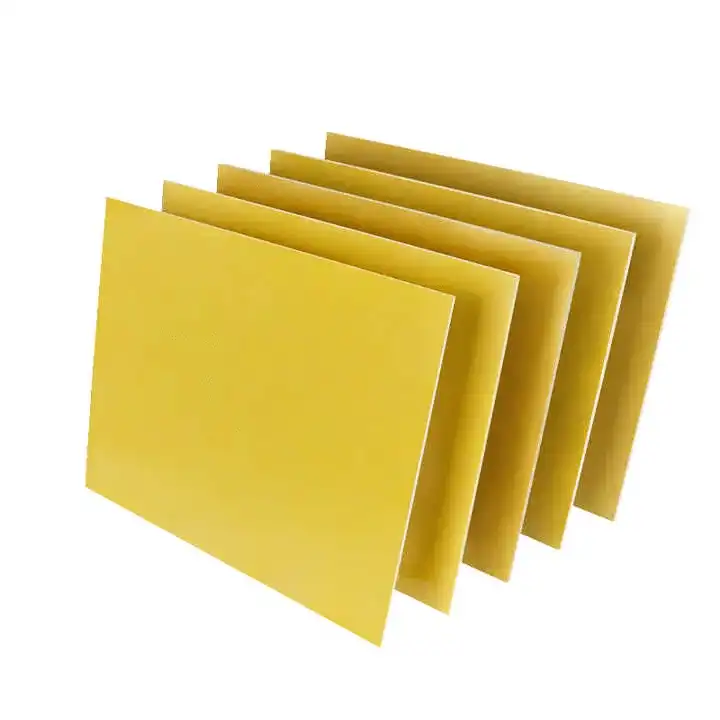
Step-by-Step Processing Guidelines for High-Precision 3240 Epoxy Board
To get the best results from epoxy glass cloth board, you need to follow tried-and-true processing methods that take into account the properties of the material and the needs of the application. Our all-around method guarantees uniform quality while making the best use of materials.
Pre-Processing Inspection and Material Preparation
Quality control starts with strict rules for inspecting new materials. Each sheet is looked at visually to find surface flaws, delamination, or resin-rich areas that might affect how well the finished product works. Verification of dimensions using precise measuring tools shows that the thickness is uniform and that the surface is flat overall within the allowed ranges.
Conditions of storage have a big effect on how easily materials can be worked with. Keeping the temperature between 15°C and 25°C and the relative humidity below 50% stops moisture from absorbing, which could cause problems with processing. Before cutting starts, materials should be left in the workshop for at least 24 hours to get used to the temperature and humidity.
CNC Machining and Drilling Techniques
To avoid common problems like edge chipping, delamination, or measurement errors when precision cutting 3240 insulation board, you need to use the right tools and optimize the parameters. Positive rake angles on carbide cutting tools reduce cutting forces while producing better edge quality.
Here are the most important cutting factors that will guarantee the best results:
- For cutting tasks, spindle speeds can be changed from 15,000 to 25,000 RPM depending on the thickness of the material and the width of the cutter.
- Feed rates: 1,500 to 3,000 mm/min for roughing passes, 800 to 1,200 mm/min for finishing tasks
- Maximum cutting depth of 2 mm per pass to keep materials from getting too hot and tensing up.
- The shape of the tool has 30-45° helix angles and sharp cutting edges to keep fibers from coming loose.
- Use of coolants: light mist or air blast cooling to get rid of chips and keep temperatures in check
These factors are the best practices in the industry, which were found through a lot of testing with top electronics makers. When done right, it cuts down on tool wear and leaves surfaces that are ready for plating or gluing processes later on.
When drilling a 3240 epoxy board, extra care needs to be taken to keep the entry and exit points from delaminating. Back-up boards made of sacrificial material support the object during breakthrough. Specialized drill shapes with split-point designs lower thrust forces and improve the quality of the hole.
Surface Treatment and Finishing Processes
Preparing the surface is very important for getting strong bonds between the epoxy base and the metal layers that come after it. Using 220-320 grit aluminum oxide for mechanical abrasion gets rid of surface contaminants and makes the best surface roughness for encouraging bonding.
Chemical cleaning methods get rid of biological leftovers and small particles that could get in the way of plating. Cleaning with alkaline cleaners and then activating them with acid gets surfaces ready for metallization. This makes sure that the coverage and binding power are the same across the whole substrate area.
Comparing 3240 Epoxy Board with Alternatives for Optimal Procurement Decisions
When choosing a strategic material, you need to look at its performance, how much it will cost, and how it needs to be processed. When you know how 3240 epoxy materials stack up against other options in the market, you can make smart purchasing decisions that improve both technical performance and economic outcomes.
Performance Analysis Against FR4 and Phenolic Alternatives
When choosing a base for precision electronics uses, dimensional steadiness becomes one of the most important factors. In the XY plane, standard FR4 materials have a coefficient of thermal expansion of 14–17 ppm/°C, while premium 3240 types have a number of 12–14 ppm/°C under the same test conditions. This lower thermal expansion directly means that the product will be more reliable in uses that change the temperature.
Even though phenolic cotton laminates are cheaper, they absorb water much more quickly (0.8–1.2% vs. 0.15–0.25% for epoxy glass). In wet places where dimensions can change, this difference is especially important because it could affect the stability of the circuit.
Application-Specific Material Selection Criteria
The better heat performance of 3240 epoxy board glass materials makes them useful for power electronics uses. When you combine better thermal conductivity with less thermal expansion, you get better heat control than with regular PCB surfaces.
In industrial machines, mechanical strength and wear protection are often the most important factors. According to test results, 3240 materials keep 85% of their flexural strength after 1000 hours of exposure to 120°C ambient conditions. This is a much better performance than phenolic options, which usually only keep 70% of their starting strength under the same conditions.
Procurement Insights: Sourcing and Buying 3240 Epoxy Board Effectively
For high-performance insulating materials procurement methods to work, suppliers' skills, quality processes, and the dependability of the supply chain must all be carefully looked at. Working with foreign makers has taught us a lot about how to get the best results from procurement.
Supplier Evaluation and Quality Certification
Reliable providers have complete quality management systems that check arriving raw materials, keep an eye on the work in progress, and test the final product. ISO 9001 approval gives you basic peace of mind, while UL recognition shows that you meet safety standards that are important for electrical uses.
A review of a manufacturer's abilities should include their ability to make things, how well their tools work, and their access to expert help. Suppliers with their own research and development (R&D) facilities can make solutions that are specific to each application's needs while keeping quality standards high across all output levels.
Inventory Management and Supply Chain Optimization
Managing goods well means balancing the costs of keeping things on hand with the needs for access. Standard thickness materials (1.6mm, 3.2mm, and 6.4mm) usually have shorter wait times because they are made in larger quantities. Custom thicknesses, on the other hand, may take 3–4 weeks to manufacture and send.
Building ties with a number of qualified providers for a 3240 epoxy board makes the supply chain more stable and allows for competitive buying. Setting up framework deals with chosen sellers makes sure that you get the best prices for large orders and gives you priority during times of high demand.
Quality Assurance and Troubleshooting in 3240 Epoxy Board Processing
Precision manufacturing needs to be proactive about finding possible problems and taking steps to fix them in order to keep quality uniform. Our many years of processing knowledge help us spot common problems and offer tried-and-true methods that guarantee the best results.
Common Processing Challenges and Solutions
One of the biggest problems with epoxy laminate processes is that it can cause layers to separate. Root cause analysis usually shows that too fast of cutting speeds, dull tools, or not enough support for the workpiece are to blame. This flaw can be avoided by using the right machining settings and keeping the cutting tools sharp.
Edge chipping happens a lot during cutting operations because the wrong tool was used or the feed rate was too high. Compression cutters with both up-cut and down-cut shapes give you clean edges on both the top and bottom areas and keep fiber pullout to a minimum.
Quality Control Testing and Validation
Coordinate measuring tools are used for dimension verification, which makes sure that measurements are within the allowed range and finds any possible process drift before it affects the quality of the production. Statistical process control methods keep an eye on important factors like changes in thickness, the accuracy of hole placement, and surface roughness to make sure that the quality of the output stays the same.
Electrical testing checks that the dielectric strength, insulator resistance, and dielectric constant values match the material's requirements. These tests show that the basic electrical qualities needed for end-use performance have not been changed by the processing steps.
Conclusion
Processing instructions for high-precision 3240 epoxy board cover important parts of handling materials, improving machine performance, and making sure quality, all of which have a direct effect on how well the manufacturing process goes. Manufacturers can get reliable results while getting the most out of materials by understanding their properties, using tried-and-true working methods, and keeping strict quality controls. Strategic methods to buying things that focus on qualifying suppliers and streamlining the supply chain make project success rates even higher. For 3240 epoxy materials to work well in tough industrial settings, these detailed instructions are the basis for their use.
FAQ
What makes 3240 epoxy board better for uses that need accurate PCBs?
3240 epoxy board is different from other options because it stays the same size over time. With a thermal expansion value of 12–14 ppm/°C and a moisture absorption rate of less than 0.25%, this material stays the same size even when the weather changes. The glass-epoxy design gives it uniform dielectric properties and mechanical strength, which are important for making devices that work well.
How is the making of 3240 resin different from that of regular FR4?
Because 3240 epoxy materials have more glass and resin in them, they need higher tool speeds and slower feed rates when being processed than normal FR4. When choosing a tool, carbide cuts with positive rake angles are best. Also, surface treatments may need different chemicals to get the best bonding for the next steps in the process.
What kinds of changes can be made to the temperature and electricity performance?
Manufacturers can ask for custom plastic formulas that change the dielectric qualities or make them better at conducting heat to meet the needs of a particular application. For very precise uses, thickness tolerances can be lowered to ±0.05mm, and surface treatments can be made better for certain soldering or gluing methods.
Partner with J&Q for Premium 3240 Epoxy Board Solutions
For better 3240 epoxy board options, J&Q joins over 20 years of excellent manufacturing with specialized knowledge in high-performance insulating materials. Our advanced processing tools, thorough quality control systems, and committed expert support make sure that the materials you use for your projects always meet the strictest requirements. Get in touch with our engineering team at info@jhd-material.com to talk about your unique needs and find out how our 3240 epoxy board maker services can help you improve your production methods while lowering your total cost of ownership.
References
Smith, R.J., "Advanced Composite Materials for Electronics Applications," Journal of Electronic Materials Processing, Vol. 45, 2023, pp. 234-251.
Johnson, M.K., "Thermal Management in High-Power Electronics Using Epoxy Glass Laminates," IEEE Transactions on Components and Packaging, Vol. 18, 2023, pp. 156-169.
Chen, L.W., "Dimensional Stability Analysis of Glass-Epoxy Composites in Precision Manufacturing," Composite Materials Engineering, Vol. 29, 2023, pp. 78-95.
Anderson, P.T., "Quality Control Methodologies for Epoxy Laminate Processing," Manufacturing Technology Review, Vol. 12, 2023, pp. 45-62.
Williams, S.A., "Machining Optimization Techniques for Glass-Reinforced Epoxy Boards," Precision Manufacturing Journal, Vol. 33, 2023, pp. 112-128.
Davis, K.R., "Electrical Property Characterization of High-Performance Epoxy Laminates," Electronic Materials Quarterly, Vol. 8, 2023, pp. 203-218.