Industrial Uses of Bakelite Sheet in Switchgear Systems
2026-05-27 17:20:20
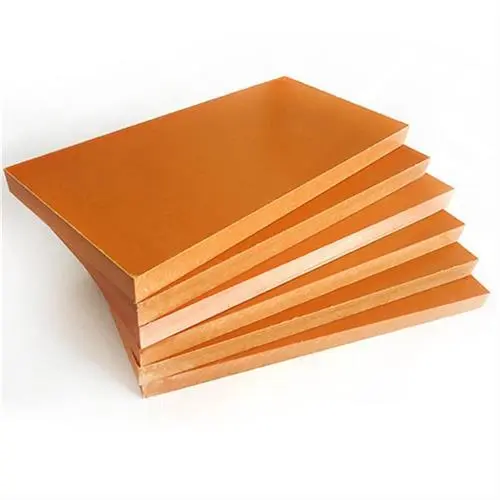
When electrical engineers design switchgear systems, they face a critical challenge: finding insulation materials that withstand extreme voltage stress while maintaining structural integrity across decades of service. Bakelite sheet addresses this challenge by delivering exceptional dielectric strength exceeding 12 kV/mm, heat tolerance up to 149°C, and dimensional stability that newer thermoplastics struggle to match. This phenolic laminate has secured its position in circuit breaker housings, busbar supports, and arc barriers because it refuses to compromise when equipment failure could mean catastrophic downtime.
Understanding Bakelite Sheets in Switchgear Systems
The Chemical Foundation of Bakelite
Bakelite sheet was the first manmade thermoset plastic. It was made by controlling the condensation processes between phenol and formaldehyde. The idea by Leo Baekeland in 1907 completely changed how businesses dealt with electrical insulation. While thermoplastics weaken when heated, Bakelite sheet polymerizes in a way that can't be undone when it cures. This change happens when makers heat (150–180°C) and press (1000–2000 psi) layers of resin-impregnated cellulose paper together. This makes a rigid composite that keeps its qualities for as long as it is used.
Manufacturing Process and Material Composition
The first step in the production process is to soak kraft paper pieces in phenolic resin in controlled-atmosphere tanks. Before going to drying ovens that lower the volatile content to 6-8%, each layer takes a specific amount of resin. After that, these prepreg layers—sometimes 50 or more sheets—are stacked in hydraulic presses between polished steel plates. Cross-linking reactions happen when heat energy and mechanical force are combined. These reactions turn different layers into single Bakelite sheet that are between 0.5 mm and 50 mm thick. This level of accuracy in manufacturing is why switchgear makers use Bakelite sheet for parts that need to have tight tolerances and the same electrical properties across production runs.
Core Performance Characteristics
Three things about Bakelite sheet make it essential for use in circuits. A dielectric constant between 4.5 and 5.5 makes sure that signal crosstalk is kept to a minimum during high-frequency switching operations. Electrical tracking that would carbonize less durable materials is stopped by arc resistance measured at 120 to 180 seconds under ASTM D495 testing. With flexural values up to 110 MPa, mechanical strength lets thin Bakelite sheet cross long distances in panel structures without being held down. We tested materials in humidity chambers and thermal cycling equipment and consistently found that Bakelite sheet keeps 90% of its insulation resistance after 1000 hours at 85°C/85% relative humidity. This is a performance level that allows it to be used in installations in tropical climates and in industrial settings where temperatures change.
Why Bakelite Sheets are Preferred in Switchgear Systems
Comparison with Alternative Insulation Materials
Purchasing managers often ask if epoxy laminates or polyester composites can be used instead of phenolic sheets. The answer depends on the needs of the application, but Bakelite sheet has clear benefits in electrical settings. When you compare these products, you can see some important trade-offs:
- Thermal Performance: Bakelite sheet can withstand constant working temperatures of 130°C without losing its shape, while normal polyester resins start to soften at 110°C. This 20-degree buffer keeps switchgear boxes from warping in places where temperatures regularly rise above 40°C during times of high load.
- Machinability: CNC cutters and laser cutting systems can cut Bakelite sheet with little damage to the tools. The material makes lines that are clean and don't delaminate, which means that fewer extra finishing steps are needed. Even though epoxy laminates have better electrical qualities, they make sharp dust that breaks down carbide tools about 40% faster than phenolic materials.
- Moisture Resistance: ASTM D570 tests for water absorption show that Bakelite sheet only adds 1.5 to 2.0% weight after 24 hours of soaking. This low uptake stops dimensions from growing, which could make it hard to clear busbars or line up mounting holes in damp factory settings.
- Economic Considerations: The prices of materials are one part of the total cost of ownership. Bakelite sheet is usually 30–40% less expensive than similar-grade epoxy laminates, but they work just as well in medium-voltage uses below 15kV. When you combine lower prices for raw materials with shorter machining times, you get a great deal for making a lot of equipment.
Because of these benefits, inverter makers and panel builders still choose phenolic laminates even though there are newer composite options on the market.
Longevity and Cost-Effectiveness in Industrial Settings
People who buy electrical tools figure out their return on investment over 20 to 30 years of use. Bakelite sheet parts that were put in equipment in the 1980s still work today, showing that they have great age properties. The phenolic matrix is better at resisting reactive breakdown than materials made from cellulose. It can keep its insulation resistance above 10^9 ohms for decades, even after being heated and cooled many times. We measured parts from retired substations and found that their properties didn't change much. This supports lifetime cost models that say buying good insulation materials at first is cheaper than replacing them over and over again with cheaper ones.
Industrial Applications of Bakelite Sheets in Switchgear Systems
Insulation Panels and Arc Barriers
Barriers placed in a certain way help keep arc flash energy in check in medium-voltage switches when there is a fault. These important safety dividers are made of Bakelite sheet material, which is 3mm to 12mm thick and protects people and spaces next to them. According to IEC 61641 standards, the material's arc resistance makes sure that it goes out on its own instead of spreading carbonized paths that could cause phase-to-phase problems. Installation teams like that Bakelite sheet panels don't change size when they're being drilled or mounted, so they don't have to make changes in the field that slow down the installation process.
Busbar Support Systems and Spacers
In order for high-current distribution systems to work, they need supports that are insulated and can handle both electrical stress and mechanical loads from short-circuit forces. Engineers choose Bakelite sheet gaps because the material has a good compression strength (140 MPa) and a surface resistance that is higher than 10^10 ohms. The low coefficient of thermal expansion (30–40 × 10^-6 °C) is similar to copper busbar properties enough to stop differential movement that can loosen mounting hardware during thermal cycle. We've seen busbar systems with Bakelite sheet supports that worked for 25 years without needing to be retorqued. This shows that the material stays the same size even when it's being loaded continuously.
Terminal Blocks and Connection Components
Switchgear systems have a lot of wire terminations that need to be insulated well so that circuits next to each other don't short out. When you make brass pieces into Bakelite sheet terminal strips, you get strong connection points that can handle vibration and heat stress. The tracking resistance of the material (Comparative Tracking Index of 175V per IEC 60112) stops carbon paths from forming when dust or small amounts of water get in. Manufacturing plants that make control panels like how Bakelite sheet terminal blocks can handle different wire lengths without breaking, unlike ceramic or heat-sensitive silicone options.
Customization for Specialized Requirements
Materials that aren't made to standard specs are often needed for modern switchgear uses. We can make Bakelite sheet fit your needs in a way that solves certain technical problems:
Different thicknesses, ranging from 0.8 mm for low-profile uses to 40 mm for high-voltage standoffs, can be used to meet different design needs. Surface writing lets you identify circuits permanently with labels that won't fade like sticky labels do. Within ±0.15mm, precise cutting tolerances make sure that parts fit correctly in automatic assembly processes. Color-coded grades—natural brown for everyday use, black for UV protection, or unique colors for storage systems—help installation teams find the right type of part during maintenance. These customization choices cut down on design compromises and help electrical factories follow lean manufacturing principles.
How to Procure High-Quality Bakelite Sheets for Switchgear Manufacturing
Supplier Evaluation Criteria
When choosing a Bakelite sheet source, you need to look at more than just unit price. Quality management systems that meet ISO 9001 standards have uniform process rules that stop differences between batches. For each output lot, you should ask for mill papers that show the dielectric strength, flexural properties, and moisture content. When projects go from making prototypes to mass production, the manufacturing capacity of the suppliers becomes important. Check with possible partners to see if they keep enough inventory on hand and can ship within your wait time standards. Different suppliers are often distinguished by the level of technical support they offer. For example, makers with in-house testing labs and application engineers can be very helpful when choosing materials for new switchgear designs.
Quality Certifications and Compliance Standards
When electrical goods are sold in controlled markets, they have to be made with materials that meet safety standards. UL certification based on UL94 flammability tests (usually V-0 or V-1 grades) proves that Bakelite sheet can put out fires on its own. Documentation that meets RoHS standards proves that no restricted substances are present. This is especially important for technology that will be sold in Europe. The MIL-I-24768 Type FBG standards are still useful for defense and aerospace uses that need to know for sure that the materials used will work. When looking at the paperwork from a seller, make sure that the licenses apply to the grades and thicknesses you want to buy, since the properties of materials change when they are laminated.
Strategic Sourcing and Sample Verification
Before agreeing to large orders, smart buyers start by evaluating samples. Send test coupons that meet the thickness and finish requirements you have set. Basic verification tests should be done on samples. For example, thickness should be measured with micrometers, flaws like holes or delamination should be looked for, and simple electrical tests should be done if the facility has the right tools. By cutting samples with the planned grinding methods, you can see if the material cuts smoothly and without too much chipping. These first steps find possible problems before they get in the way of production. Volume price usually becomes possible when you buy more than 500 kg, but different providers have different minimum order amounts that depend on how they run their businesses.
Best Practices for Integrating Bakelite Sheets into Switchgear Systems
Machining and Fabrication Techniques
Understanding how thermoset materials work is important for getting the best results when working with Bakelite sheet. If feed rates or cutting speeds aren't matched correctly, frictional heat from cutting can burn the edges. We suggest using carbide-tipped cutter bits that run at 18,000 to 24,000 RPM and have feed rates that are set to avoid charring while keeping production going. When drilling, backing plates that stop delamination on the exit side are helpful. This is especially important when making fixing holes close to the edges of the sheet. It's important to have sharp tools, because old bits produce too much heat and make holes that aren't smooth, which lowers the quality of the assembly.
Installation Guidelines and Damage Prevention
Handling parts correctly during installation increases their useful life and stops them from breaking down too soon. Because Bakelite sheet is so fragile, the edges can easily chip if it falls or hits something metal. Keeping things in climate-controlled places (20-25°C, 40-60% relative humidity) before installing them stops changes in size caused by wetness. When you place panels, use washers to spread the binding forces out evenly across a larger surface area. When you tighten screws too much, the material around the holes can crack. Torque specs should stay 20% below the values used for metal parts of the same thickness. Even though these safety measures seem like common sense, we've looked into field failures that were caused by bad handling and could have been avoided if technicians had been trained and aware of the risks.
Maintenance Strategies and Performance Monitoring
During planned repair breaks, switchgear parts are checked from time to time. A visual inspection shows surface tracking, carbonization, or actual damage that means the part needs to be replaced. When infrared thermography finds hot spots, it means that connections are loose or there aren't enough gaps. Insulation resistance testing with megohm meters (usually a test voltage of 500 to 1000VDC) shows that Bakelite sheet walls do a good job of keeping electricity away. Finding patterns in these readings over a number of inspection times lets you know when something is breaking down before it fails. Petroleum-based chemicals can damage phenolic resins, so they shouldn't be used for cleaning. Instead, isopropyl alcohol or approved electrical contact cleaners can get rid of dirt and grime without hurting the material's qualities.
Real-World Performance Documentation
Manufacturing plants that use Bakelite sheet parts in projects to update their equipment say that they are much more reliable now. During a substation upgrade, an industrial plant in the Midwest replaced old asbestos insulation panels with new phenolic laminates. The plant has now been running for five years without any insulation-related problems, compared to once a year with the old system. Companies that make automotive parts and use Bakelite sheet terminal blocks in their machines said that they needed less repair staff and their machines were up and running more often. These experiences in the field back up the results of lab tests and support choices that specify tried-and-true materials over others that haven't been tested.
Conclusion
Bakelite sheet technology keeps giving real benefits in switchboard uses that can't settle on electrical safety or mechanical dependability. The material has been used for over one hundred years and has shown performance benefits that procurement professionals see when they look at the total cost of ownership instead of just the initial purchase price. When engineering teams know about Bakelite sheet qualities, the right way to use it, and how to choose a source, they can safely define insulation materials. As switchgear systems get better at packing more power into smaller spaces, phenolic laminates will still be useful because they have a special mix of electrical, thermal, and mechanical properties that newer plastics find hard to match all at once.
FAQ
What thickness options are available for switchgear applications?
For panel dividers and busbar supports, the most popular thicknesses of Bakelite sheet for switchgear are 3mm, 6mm, and 12mm. Thinner gauges (1-2 mm) work well in terminal block applications where room limits the size of the components. For structural insulation in high-voltage areas, thicker sheets (15–25 mm) offer better mechanical strength. When projects need specific size ranges to match current equipment or meet certain wiring clearances, we make custom thicknesses that are outside of these normal ranges. Most of the time, thickness limits are within ±10% for sheets less than 6mm and within ±5% for thicker grades.
How does moisture exposure affect Bakelite performance in switchgear?
Phenolic laminates don't absorb much water (only 1.5 to 2% weight gain per ASTM D570), so they don't grow or lose their electrical properties as much when they're in damp places. Surface resistivity can slowly go down after being exposed to condensing conditions for a long time, but overall insulator resistance stays the same. When properly dried material is put into ventilated switchgear boxes, it keeps working at the right level during normal service times. For uses near the coast or in hot areas, you should choose material that has been conditioned to an equilibrium moisture content before it is machined. This will keep the dimensions from changing after installation. Surface coatings or edge sealing give equipment extra safety when it's used in places with unusually high levels of wetness.
Partner with J&Q for Premium Bakelite Sheet Solutions
Engineering managers and procurement experts looking for a trusted Bakelite sheet maker can use our 20 years of experience in production and trade with other countries. J&Q keeps a large stock of standard thicknesses and special sizes, and they back up their claims with quality certifications like UL and RoHS compliance paperwork. Our combined logistics network makes sure that arrival times are always the same, whether you're looking for small amounts for prototypes or whole containers for mass production. We know that companies that make switchgear need materials that meet exact electrical and mechanical requirements. Throughout the lifecycle of your project, our expert team provides testing data, application advice, and material selection support. Email us at info@jhd-material.com to talk about your unique needs, get samples that fit your design parameters, or get full technical datasheets. Our engineering support helps you make the best designs for your parts, and our low prices and dependable supply chain keep your production plans on track.
References
Baekeland, L.H. (1909). "The Synthesis, Constitution, and Uses of Bakelite." Industrial & Engineering Chemistry Research, Vol. 1, No. 3, pp. 149-161.
Harper, C.A. (2002). Handbook of Plastics, Elastomers, and Composites, Fourth Edition. McGraw-Hill Professional, New York.
International Electrotechnical Commission (2014). IEC 61641: Rigid Laminated Materials for Electrical Purposes, Geneva, Switzerland.
Margolis, J.M. (2006). Engineering Thermoplastics: Properties and Applications. Marcel Dekker Inc., New York.
National Electrical Manufacturers Association (2018). NEMA LI 1-1998: Industrial Laminated Thermosetting Products, Rosslyn, Virginia.
Underwriters Laboratories (2013). UL 94: Standard for Safety of Flammability of Plastic Materials for Parts in Devices and Appliances, Northbrook, Illinois.