Why Transformers Use Phenolic Paper Board?
2026-05-29 10:25:59
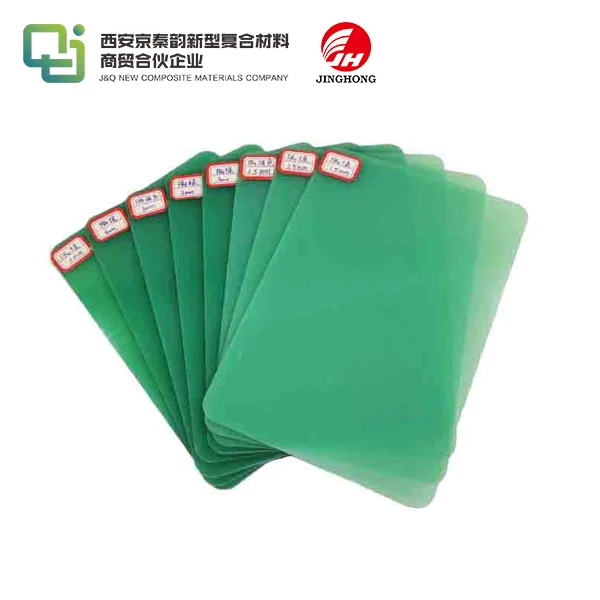
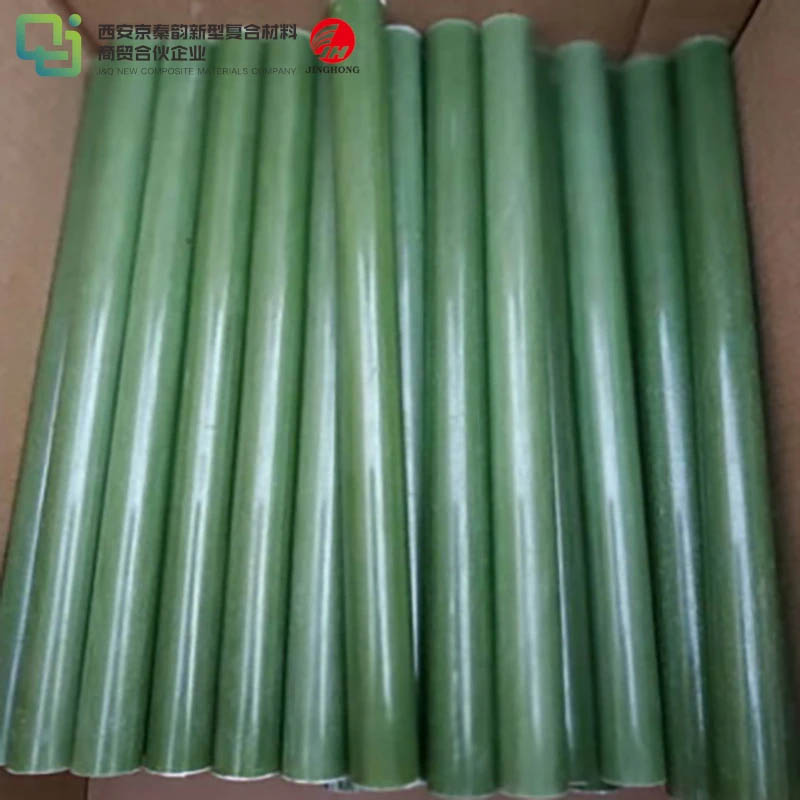
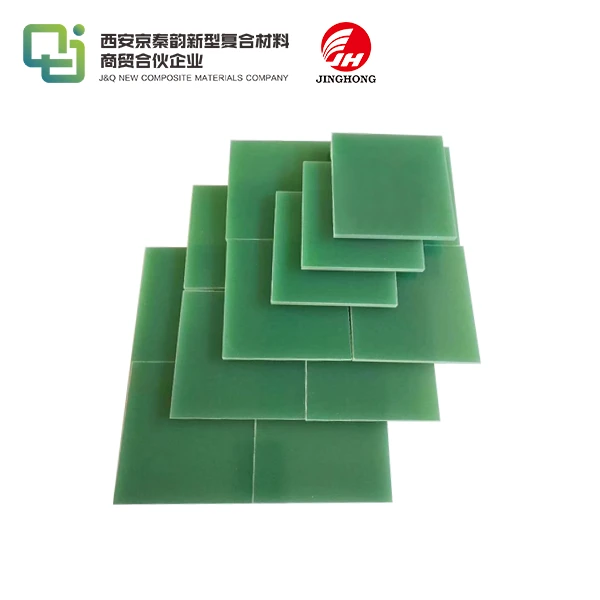
Because of its superior electrical insulation, temperature stability, and mechanical longevity, phenolic paper board is used in transformers. This thermosetting laminate is made by applying phenolic resin to layers of kraft paper under high pressure. It effectively stops electrical arcing and can handle the high and low temperatures and mechanical loads that come with running a transformer. It has a history of being used in power distribution equipment, is less expensive than alternatives like epoxy-glass composites, and meets international electrical safety standards. These factors make it the material of choice for manufacturers who want to prioritize both performance and long-term reliability in mission-critical applications.
Understanding Phenolic Paper Board and Its Role in Transformers
The Manufacturing Process Behind the Material
The process of making this laminate starts with quality kraft paper sheets that are fully soaked with phenolic resin mixtures. Manufacturers stack several layers on top of each other and put high heat and pressure on them to reach about 1,000 psi. The curing process starts chemical reactions that cross-link the layers and make a stiff, thermosetting material. Unlike cotton-based or glass-reinforced options, the paper layer strikes a unique balance between being easy to machine and maintaining structural integrity, which is highly valued by operations that put together transformers.
Critical Properties for Transformer Applications
Transformers work in places with bad electricity, where high voltages are concentrated over short distances. The dielectric strength of phenolic paper board is usually higher than 500 volts per mm in short-term tests. This makes it a good shield between electrically charged parts. This stops harmful arcing that would otherwise make tools less useful. The material has a density range of 1.30–1.45 g/cm³, which is stiff enough to keep the exact distance between coil windings and metal structures, even when electromagnetic forces are present during fault conditions or inrush current events.
Managing the temperature is another important thing to think about. Materials that can handle long-term use need to be rated for continuous contact to heat from electricity losses and the environment. At temperatures close to 110°C to 120°C, which is equivalent to Insulation Class E grades, paper-based phenolic laminates keep their structural stability and insulating properties. This thermal capability fits well with how transformers usually work, especially in smaller power transformers and distribution equipment where high temperatures don't happen very often during normal use.
Why Transformer Designers Specify This Material?
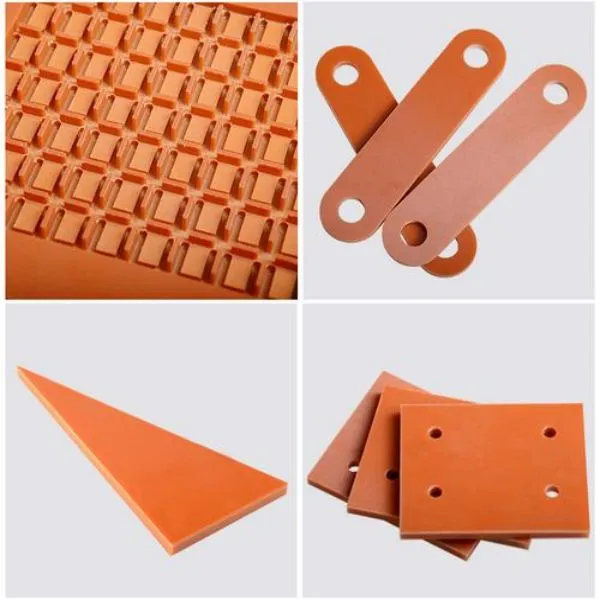
Transformer experts like features that make the job easier and make the product more reliable over time, in addition to technical specs. Because the material is naturally easy to machine, complicated forms like arc chutes, phase barriers, coil spacers, and busbar supports can be made with normal machining tools. Carbide tools makes production last longer, but the material doesn't need to be handled in a special way like glass-reinforced plastics do. This makes it easier to make and lowers the cost of production. It also lets you make changes quickly for custom transformer designs.
When the laminate comes into touch with transformer insulating oils, coolants, or cleaning agents, it doesn't break down because it is chemically resistant to mineral oils and normal industrial fluids. The phenolic resin matrix creates a strong shield that keeps its qualities even after being exposed to petroleum-based products for a long time, which is common in places where electrical equipment is used.
Comparing Phenolic Paper Board with Alternative Materials in Transformer Manufacturing
Performance Against Epoxy-Glass Composites
Epoxy-glass materials, such as FR-4, are great for challenging uses because they are very strong mechanically and can withstand higher temperatures. However, transformer uses usually work well within the limits of paper-based phenolic paper board, so the extra performance is not needed. When making a lot of something, the difference in costs becomes important because the cost of materials has a direct effect on how competitive a company is. When purchasing managers look at specifications against budget limits, they often find that phenolic alternatives provide adequate performance at significantly lower material costs. This is especially true for distribution transformers and industrial equipment that won't be exposed to harsh environmental conditions.
Advantages Over Wood-Based and Plastic Alternatives
Traditional materials, such as treated lumber or polymer sheets, have trouble absorbing water, which lowers their dielectric performance over time. Phenolic paper board, especially NEMA Grade XXX versions with higher resin contents, is better at resisting moisture and keeping its electrical qualities in damp places. According to ASTM D570, high-quality types retain less than 1.3% by weight of water after 24 hours of soaking. This is a lot better than untreated cellulosic materials.
Phenolic laminates are also better for fire safety reasons. Because finished phenolic resin is thermosetting, it chars instead of melting when it comes in contact with too much heat. This keeps flammable drips from spreading heat events. This ability to put out fires on its own adds an extra layer of safety in fault situations where localized warming happens.
Grade Selection Impact on Application Suitability
Knowing the differences between NEMA grades helps buying teams choose the right materials for each type of transformer. Grade X versions have less resin and work best in industrial settings where small amounts of electricity are needed. This grade, XX, is in the middle. It provides appropriate electrical protection for general-purpose transformer parts. Grade XXX has the most resin saturation, which means it has the best protection to moisture and dielectric strength for high-voltage barriers and uses that need to work in tough environments. When you choose the right grade based on the real working needs, you avoid both under-specification, which can lead to early failure, and over-specification, which raises the cost of materials for no reason.
Benefits of Using Phenolic Paper Board in Transformers
In the building of transformers, using phenolic paper board has many benefits that affect both the ease of production and the long-term dependability of the equipment. By understanding these benefits, engineering managers and procurement experts can see why this material is still the most popular choice for transformer insulation even though there are newer alternatives on the market.
The main benefits that affect the choice of material are:
- Electrical Insulation Excellence: The high dielectric breakdown voltage reliably separates transformer windings that are working at different potential levels. This stops short circuits that could damage pricey copper wires and core steel assemblies. Following the testing guidelines in ASTM D149 ensures that all production batches will work the same way when they come from makers who care about quality.
- Thermal Stability Under Load: As demand changes, transformer loading patterns cause temperature changing in the equipment. The Class E temperature grade of the material can handle these changes without breaking down, so it keeps its shape and insulating qualities over normal service intervals. This resistance to heat cuts down on the number of repair visits and replacement rounds.
- Mechanical Durability: The material has a flexural strength of more than 135 MPa, which means it can withstand strong physical forces during shipping, installation, assembly, and service. Vibration, contact, and handling don't cause the material to delaminate or break, which would make insulating walls less effective. This long-lasting quality is especially useful in industrial settings where equipment is regularly put under mechanical stress.
- Fabrication Flexibility: The punchability of the material lets complex forms be hot-stamp-formed without the edges delaminating. This cuts down on production time and waste compared to materials that need a lot of routing or waterjet cutting. This processing edge speeds up production plans and lowers the cost of making things, which directly leads to better project economics for procurement teams.
When put together, these traits give transformers quantifiable value over their entire lifecycles. When phenolic insulation systems are used correctly, equipment makers report fewer warranty claims, longer mean time between breakdowns, and better safety records. The material does a good job of solving the main problem of keeping high-voltage parts separate while also dealing with the heat loads and mechanical stresses that come with electromagnetic equipment.
Procurement Considerations for Phenolic Paper Board in B2B Context
Supplier Evaluation and Quality Assurance
Successful procurement begins with identifying manufacturers demonstrating consistent quality systems and technical know-how. Objective proof of skill can be found in certifications. When looking for sellers, look for those with ISO 9001 quality management certifications along with credentials specific to the electrical business. For incoming material screening, quality control during production, and final product verification tests, manufacturing facilities should keep written procedures.
Ask for detailed technical data sheets that show real test results instead of just sets of specifications. Suppliers you can trust will give you testing records for each batch that include dielectric breakdown voltages, water absorption percentages, flexural strength measures, and thickness tolerances for the phenolic paper board types you're looking at. This openness lets you directly compare different sources and sets standards for the performance of the given product.
Customization Capabilities and Order Flexibility
Transformer designs are very different depending on the purpose, which means that materials need to be made in certain thicknesses, sheet sizes, and sometimes even custom forms. Check to see if possible sellers can handle these changes without having too high of a minimum order quantity, which can add to the cost of keeping inventory on hand. Some makers offer pre-cutting services that send you parts that are already assembled, which cuts down on the work you have to do yourself and the money you spend on labor.
Lead time management is very important when production plans have tight due dates or when broken equipment needs to be replaced right away. Build ties with suppliers and keep a good supply of popular grades and thicknesses on hand so that you can act quickly when you need to. Make it clear how long it usually takes to make things that are made to order so that you can plan your buying activities so that they fit with the project's schedule and don't require expensive fast shipping.
Logistics and Storage Requirements
Because paper-based laminates absorb water, storage conditions must be carefully monitored all along the supply chain. Material that arrives with a wetness content that isn't within the ranges specified will bend and lose its shape, which makes it harder to make and lowers the quality of the finished part. Work with providers who know how to protect your goods with protective packing. For example, sealed moisture barriers with desiccant packets keep materials intact while they are being shipped and stored.
Check that the shipping methods won't hurt anything while they're in transit. When transporting large sheets, they need to be flat-stacked to avoid bending forces. If the packing isn't good enough, the sheets can bend, which causes lasting deformation. Having combined logistics support makes buying things from other countries easier, especially when buying from companies that offer consolidated shipping services that handle customs paperwork and freight planning as part of their customer service infrastructure.
Why Phenolic Paper Board Is the Preferred Choice for Transformer OEMs and Distributors?
Market Position and Industry Adoption Trends
Paper-based phenolic paper board laminates have been used successfully in the field for decades, making them the standard against which other materials are judged. This information is part of the training for insulation system design in electrical engineering programs. This makes sure that each generation of transformer makers knows how to use it properly and understands its properties. This institutional knowledge provides consistency in specifications that keeps the market going even as new materials come out that are aimed at specific uses.
Industry data shows that the production of transformers around the world has been growing steadily. This is because emerging countries are updating their infrastructure and expanding their power grids to support the use of green energy. As this market grows, so does the need for tried-and-true insulation products that meet foreign standards and work well at a low cost. Distributors who work with transformer makers can make themselves more reliable by keeping a large stock of standard grades. This way, they can meet both planned production needs and emergency repair needs.
Innovation in Sustainable Formulations
As makers try to meet legal requirements and keep their business sustainability promises, environmental concerns are becoming more and more important in the choices they make. New discoveries in the chemistry of phenolic resins have led to the creation of bio-based formulas that make these materials less reliant on petroleum feedstocks while still keeping the performance qualities that are needed for electrical insulation uses. Customers want supply lines that are good for the environment, and these new ideas meet those needs without changing the technical standards that make the material good for transformer uses.
Recycling programs for old generator parts have sparked interest in materials that make it easier to take things apart and separate them during dismantling. Thermal treatments can be used to break down the phenolic matrix and restore the cellulose fibers and resin components. This supports the circular economy and is in line with the environmental goals that many buying organizations now use as factors for choosing vendors.
Real-World Application Validation
This insulation material is used in transformers all over the world, from small distribution units that serve neighborhoods to big power transformers that handle hundreds of megawatts in factories. This large installed base shows that the product is reliable over time and in a variety of working situations. Failure analysis data from equipment investigations repeatedly shows that phenolic insulation systems that are properly specified and fitted meet or exceed predicted service lifetimes. This backs up engineering calculations and choices about which materials to use.
Case studies from transformer repair projects show that insulation parts still have good dielectric strength and mechanical stability after many years of use, even after being exposed to changes in temperature, moisture, and electrical stresses. This long-lasting quality gives people who buy things trust when choosing materials for important building uses, where failure too soon could have big financial and operational effects.
Conclusion
Phenolic paper board is still the most common insulator material used to make transformers because it strikes a good mix between cost, electrical performance, and thermal capability. The established manufacturing processes, broad industry standards, and decades of field proof of the material give procurement professionals peace of mind when they request insulation systems for new equipment or repair parts. By knowing the differences between material types, figuring out what the specific needs of an application are, and working with experienced providers, you can make purchasing plans that are good for both the short-term cost of the project and the long-term dependability of the equipment. As transformer technology changes to keep up with changing grid needs, this tried-and-true insulation material keeps adapting by getting better by adding new ingredients and ways of handling them in new ways that keep it as the standard in the industry.
FAQ
How does phenolic paper board compare to FR-4 in transformer applications?
If you don't need high mechanical strength or Class F/H temperature ratings, paper-based phenolic paper board laminates are a cheaper way to get the same level of electrical protection as FR-4 epoxy-glass composites. With phenolic insulation, transformers that work in normal temperature ranges and distribution voltage ranges work consistently. This lets makers save money on materials without lowering safety or longevity. FR-4 is needed in certain situations where temperatures stay high for a long time or there is a lot of mechanical stress.
Can this material be customized for unique transformer designs?
Manufacturers often make unique thicknesses, sheet sizes, and made parts that meet the needs of particular designs. Because the material is so easy to work with, normal CNC tools can be used to make complex arc chutes, shaped barriers, and precise spacers. With hot-punching, it's easy and cheap to make a lot of patterns with complicated shapes. When you work with experienced suppliers, you can be sure that the materials you get will be perfect for your unique assembly methods and performance needs.
What determines the operational lifespan in transformer service?
When used at the right voltage and temperature, phenolic insulation that is properly defined usually meets or beats the 25–30-year design life standards for transformers. The actual service life rests on things in the surroundings, like how much moisture is present, how harsh the thermal cycling is, and how much electrical stress there is. Monitoring insulation resistance and visual condition signs during regular maintenance checks helps find wear and tear before it happens, so equipment is available for as long as it's supposed to be.
Partner with J&Q for Reliable Phenolic Paper Board Solutions
With more than 20 years of experience making things, J&Q knows how to make electrical insulation materials that meet the strict needs of transformer uses. Our expert team knows how important it is for procurement managers to find the right mix between dielectric performance, mechanical properties, and cost-effectiveness when they need to buy phenolic paper board for production or upkeep. Our large collection includes NEMA Grade X, XX, and XXX classes in standard thicknesses. This lets us quickly fill both planned orders and pressing replacement needs.
When it comes to phenolic paper board, our combined service method makes us stand out. In addition to high-quality materials, we also offer custom cuts, help with technical specifications, and streamlined handling through our freight operations. This one-stop feature makes the buying process easier and makes sure that materials are properly packed and protected from getting wet during transport. Engineering managers like that we're willing to give them batch-specific testing paperwork and application advice that helps them make confident decisions about which materials to use.
Get in touch with us at info@jhd-material.com to talk about your unique transformer insulation needs. We'll help you find the best grades of materials, come up with custom solutions, and set up supply chains that work with your production plans and quality goals. You can look at our full line of electrical insulation goods at jhd-material.com and learn how our experience can help your whole supply chain.
References
ASTM International. "ASTM D709 - Standard Specification for Laminated Thermosetting Materials." Annual Book of ASTM Standards, Volume 08.01, West Conshohocken, 2021.
Institute of Electrical and Electronics Engineers. "IEEE C57.12.00 - General Requirements for Liquid-Immersed Distribution, Power, and Regulating Transformers." IEEE Standards Association, New York, 2020.
National Electrical Manufacturers Association. "NEMA LI 1 - Industrial Laminated Thermosetting Products." NEMA Standards Publication, Rosslyn, 2019.
International Electrotechnical Commission. "IEC 60893-3 - Specifications for Industrial Rigid Laminated Sheets Based on Thermosetting Resins for Electrical Purposes." IEC Central Office, Geneva, 2018.
Heathcote, Martin J. "The J&P Transformer Book: A Practical Technology of the Power Transformer." Thirteenth Edition, Newnes Publishing, Oxford, 2007.
Kulkarni, S.V. and Khaparde, S.A. "Transformer Engineering: Design, Technology, and Diagnostics." Second Edition, CRC Press, Boca Raton, 2013.