Lightweight Design of Epoxy Boards for Portable Photovoltaic Backsheets
2025-12-23 16:34:24
In epoxy board manufacturing, lightweight design is a new way to make portable solar backsheet uses possible. The hard part is making hybrid materials that are very strong structurally while also being very light to improve movement. In order to reach the best strength-to-weight ratios, modern epoxy board solutions use cutting-edge glue formulas and fiber support. This new invention directly meets the needs of businesses that need to be able to set up solar systems anywhere. Engineers and procurement managers know that making things lighter makes them easier to carry, cheaper to install, and better at doing their job, all without losing the important defensive qualities needed for solar uses.
Understanding Epoxy Boards and Their Properties for Photovoltaic Applications
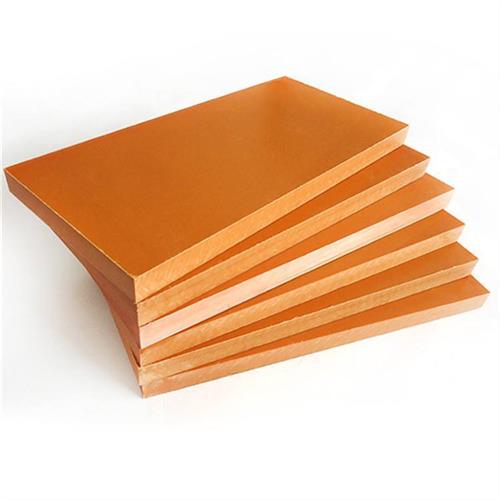
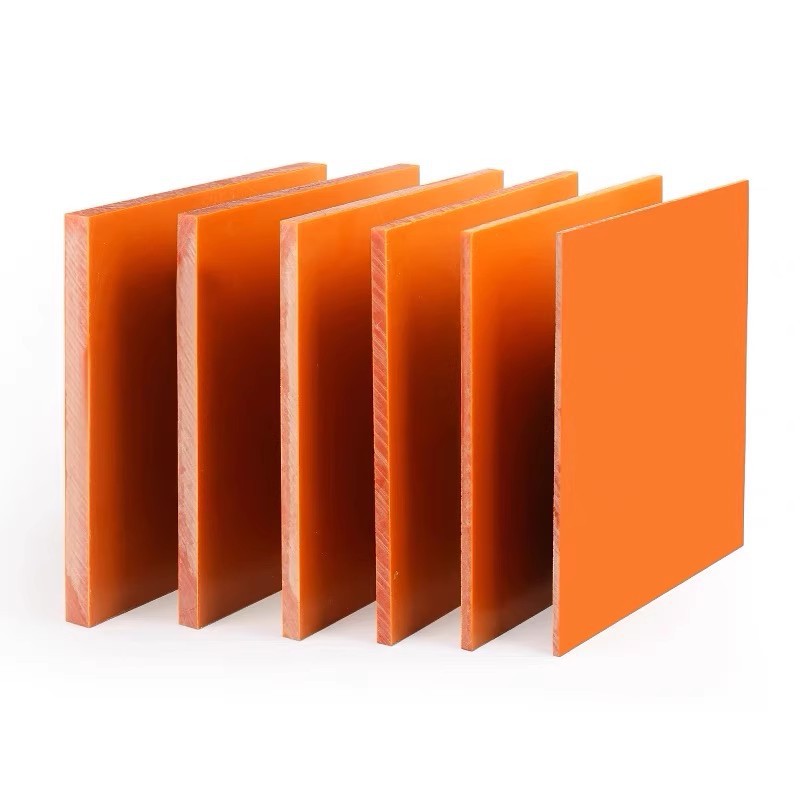
Epoxy boards are very important to photovoltaic systems because they protect and support the structure of the solar panels. When different support fibers are added to epoxy resin structures, the result is a hybrid material that works great in tough outdoor conditions.
Composition and Material Properties
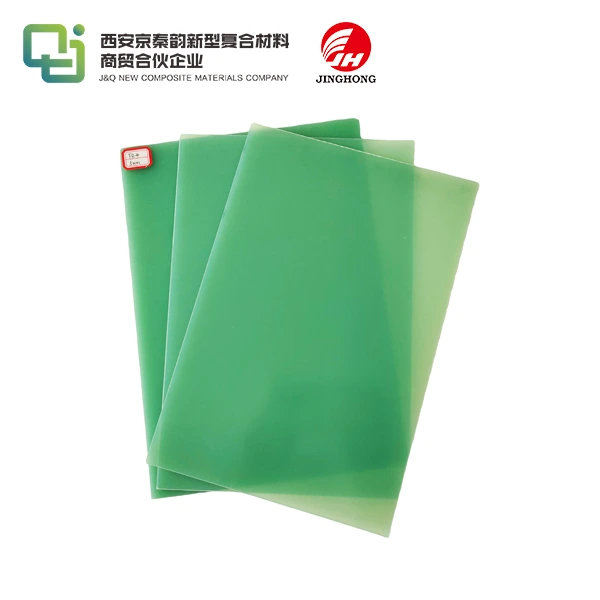
Thermosetting epoxy resins mixed with glass, carbon, or aramid fiber additives make up the basic structure of photovoltaic-grade composite boards. Putting these things together makes materials with amazing dielectric qualities. The materials usually keep insulation resistance above 10^12 ohms and dielectric strength over 15 kV/mm. The thermal expansion rate stays the same at temperatures between -40°C and 180°C. This guarantees that the material keeps its shape during yearly changes.
These materials are especially good for outdoor use because they can prevent damage from chemicals. They have great UV protection, absorb less than 0.15% of wetness, and work well with many cleaning chemicals and environmental pollutants. The flame-retardant formulas meet UL94 V-0 standards, which are important for the safety of electrical uses.
Weight-Performance Balance Considerations
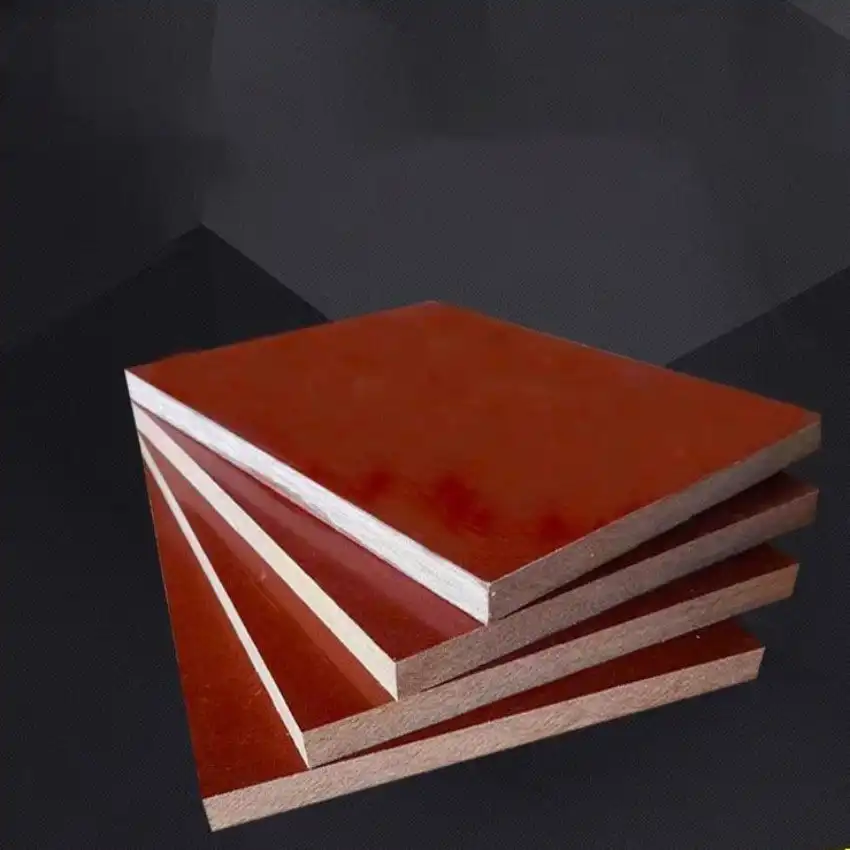
In solar uses, changes in thickness have a big effect on weight and function. The density of standard boards is usually between 1.6 and 2.1 g/cm³, and their width is between 0.5mm and 6.0mm. Especially for compact setups where every gram matters, engineers need to find a balance between mechanical strength and weight.
Epoxy-based products are better than materials that are used normally. Aluminum backsheets are very durable, but they weigh 2.5 times more than epoxy boards of the same size. Polymer sheets don't have the strength or temperature protection needed for difficult uses, even though they are lighter. Compared to new epoxy options, fiberglass substitutes often have problems with absorbing moisture and being less resistant to impact.
Challenges in Designing Lightweight Epoxy Boards for Portable Photovoltaic Backsheets
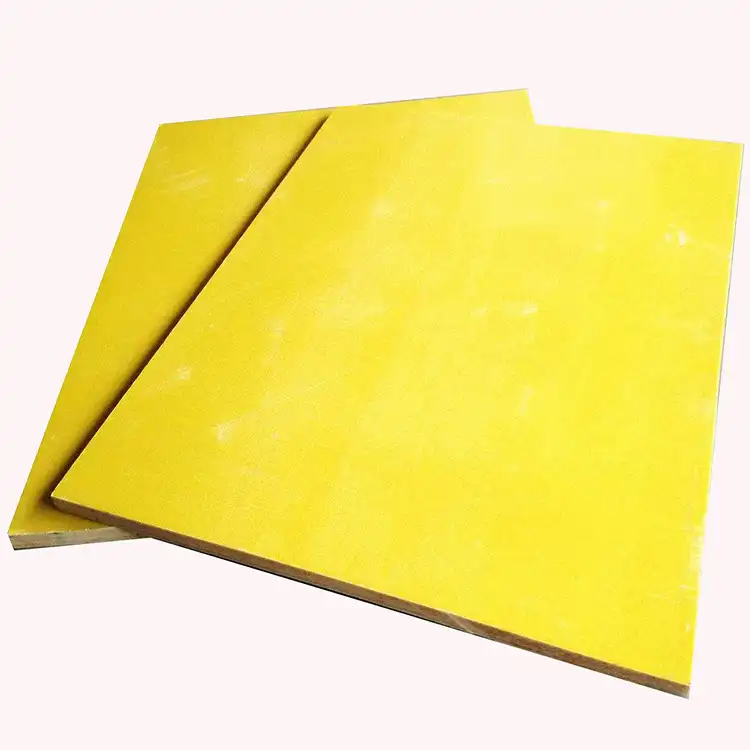
Making lightweight solar panels for movable photovoltaic uses is not easy, as it requires carefully thinking about a lot of different performance factors. The main problem is keeping the structure strong while lowering the mass of the material.
Weight Versus Durability Trade-offs
When engineering teams make materials lighter by changing their makeup, they have to make tough decisions. Reducing the amount of glue can make something lighter, but it might not hold up as well in the long term when it is heated and cooled. In the same way, smaller cross-sections lose weight but may affect how well they resist contact and how stable they stay under mechanical stress.
Thermal resistance requirements add another layer of complexity. Lightweight designs must keep up with performance at temperatures up to 85°C and resist the highest temperatures of 150°C during installation. To keep the thermal expansion rate steady over time and avoid delamination or cracking, it must be kept the same.
Production and Installation Constraints
Making lighter versions needs very careful control of glue spread and cure settings. If the fiber-to-resin ratio is not stable or the hardening cycle is not long enough, the material qualities can change. Quality control methods must make sure that the density is evenly spread and that the size stays within ±0.1mm for important uses.
Installation gets tricky when light boards aren't stiff enough to be handled during the building process. During installation, temporary support structures may need to be used, which makes field activities more difficult. Also, lighter designs might need changed fastening systems because they have different ways of expanding and contracting when they get hot and cold compared to heavy designs.
Advanced Lightweight Design Strategies for Epoxy Boards in Photovoltaic Backsheets
Innovative lightweight design includes a number of different methods that lower weight while keeping important performance features, often through the strategic use of epoxy board materials. These methods apply advanced materials science and engineering principles to achieve optimal structural efficiency and reliable performance.
Material Innovation and Composite Formulations
Today's lightweight fixes use designed gaps and hollow glass microspheres to lower density while keeping the strength of the structure. While keeping a tensile strength above 200 MPa, these syntactic foams can make things up to 30% lighter. Advanced glue systems use low-density fillers and improved hardening agents that improve mechanical qualities at lower material densities.
Hybrid reinforcement methods use different kinds of fibers to get the best results for certain qualities. In important areas that need to hold weight, carbon fiber additions give you an amazing strength-to-weight ratio. In areas that aren't as important, glass fibers keep the cost down. This selected strengthening method saves 15-25% in weight compared to buildings made of uniform glass fiber.
Design Optimization Techniques
Multi-layered designs make it possible to fine-tune property more accurately for specific uses. The core layers of a material are mostly concerned with structure performance and weight optimization, and the surface layers are mostly concerned with weather protection and electrical qualities. This method lets engineers use less material in places that aren't important and keep speed up where it matters.
The study of finite elements helps to find the best way to place and thicken materials in every part of the building. Computer-aided design tools find and adjust the way material is spread out in places of high stress. Using these mathematical methods to create non-uniform parts can save 10-20% of their weight while keeping performance the same or improving it compared to standard uniform designs.
Procurement Insights: Selecting and Sourcing Lightweight Epoxy Boards for Photovoltaic Backsheets
Successful purchase of lightweight solutions requires knowing both technical specs and supply chain factors. Procurement managers need to look at technical skills, quality systems, and organizational factors that affect the total cost of ownership when they rate their providers.
Supplier Evaluation Criteria
Key success factors are things like how consistent material properties are, how reliable shipping is, and how well expert help works. Suppliers should show that they are ISO 9001 certified and, even better, ISO 14001 certified as well. Technical documents should have a lot of information about epoxy board properties, the production method, and making sure that quality is high.
When it comes to specific software, the ability to customize is very important. To meet certain performance needs, suppliers should give different thicknesses, special fiber directions, and changes to glue formulations. Lead times for custom formulations typically range from 2-4 weeks, requiring careful planning for project schedules.
Economic Analysis and Total Cost Considerations
While lightweight solutions may carry premium pricing, total cost analysis often favors these materials due to reduced transportation costs, simplified installation procedures, and potential labor savings. For big projects, especially ones that need to be set up in another country, lowering the weight by 25% to 40% can have a big effect on the cost of shipping.
Deals that allow you to buy things in bulk often save money for apps that need a lot of them. Long-term contracts for yearly purchases can keep prices steady and make sure that you get your share during times of high demand. As part of full supply deals, many sellers offer expert advice services, which help customers get more value by learning how to best use what they ordered.
Enterprise Introduction and Product Service Information
J&Q has more than 20 years of experience making high-performance insulation sheets and composite materials for tough industrial uses. We've been experts in photovoltaic uses for over ten years, and in that time, we've created complete, lightweight solutions that meet the changing needs of the solar energy sector.
Manufacturing Capabilities and Quality Assurance
Our factories use modern compression molding and pultrusion methods that make sure the material qualities are the same all the way through large-volume production runs. Quality control tools keep an eye on glue content, hardening factors, and physical specs in real time. Dielectric strength verification, temperature cycle validation, and mechanical property confirmation are all parts of the full tests that are done on every production run.
As part of their regular product offers, customization services include specialty formulas designed for specific solar uses. To get the best material qualities, make custom thickness guidelines, and use special surface processes that improve performance in unique working settings, engineering teams work directly with clients.
Logistics and Supply Chain Excellence
Our shipping services include transportation that makes sure composite materials get to installation places around the world safely. We have been doing business with shipping companies that are good at handling fragile composites for more than ten years because we need to. Our in-house transportation company offers complete service options that make it easier to get things and cut down on overall delivery times.
Technical support services are available throughout the whole job, from choosing the right materials to helping with installation and keeping an eye on performance for the long term. This all-around method makes sure that customers get the most value out of the money they spend on materials, and it also lowers the technology risks that come with using new apps.
Conclusion
The lightweight design is a big step forward in epoxy board technology for compact solar power uses. Weight-optimized solutions can only be put in place successfully if material qualities, design strategies, and source skills are carefully thought about. Using new ways to make things can lower the weight of a product by 25% to 40% while keeping or improving important performance factors like heat resistance, electrical strength, and outdoor longevity. When making procurement choices, the total cost should be more important than the price of the materials. This is because lightweight options often help a lot with shipping, installation, and operating efficiency. As composite materials and production methods keep changing, even more chances to make future solar uses lighter will come about.
FAQs
How do lightweight epoxy boards compare to traditional aluminum backsheets in terms of performance and weight?
When compared to metal backsheets, lightweight epoxy boards can save you about 60% of the weight while offering better heat protection and impact resistance. Epoxy is a better and safer choice for electrical uses because its dielectric strength is usually more than 15 kV/mm compared to aluminum's conductive qualities. Epoxy boards also fight galvanic rusting better and keep their dimensions the same across a wider range of temperatures.
What maintenance requirements are necessary to ensure long-term performance of lightweight epoxy boards in outdoor photovoltaic installations?
Due to their natural chemical protection and UV stability, lightweight epoxy boards require little upkeep. Every six months, an eye exam should look for harm or delamination on the surface. Using light cleaning solutions to clean gets rid of harmful materials without changing the way the cleaned material is made. Don't use high-pressure washing or rough cleaners that could hurt the surface coats. If you place it correctly and make sure there is enough ventilation, it won't get wet and won't affect long-term performance.
Can lightweight epoxy boards be customized for specific photovoltaic applications, and what are the typical lead times?
Yes, lightweight epoxy boards can be customized in many ways. For example, the thickness can be anywhere from 0.5 mm to 6.0 mm. Other options include specialized surface treatments, custom fiber arrangements, and changing the resin formulations to make the boards better in certain ways. Customization choices include chemicals that make the material harder to catch on fire, better resistance to UV rays, and unique electrical qualities. Depending on how hard it is and how much testing is needed, the average wait time for making special formulas is two to four weeks and for creating entirely new products is four to six weeks.
Partner with J&Q for Premium Lightweight Epoxy Board Solutions
J&Q is ready to help with your solar projects by providing the best lightweight solutions that work really well and are very reliable. As an experienced epoxy board maker, we can provide you with unique materials that meet your exact needs. We can make sure that the supply chain works with projects of any size because we have more than twenty years of experience making things and know-how in transportation. We encourage you to look through our new products and see how our lightweight solutions can improve your solar energy setups. If you want to talk about unique formulas, ask for examples, or set up a technical meeting with our engineering team, email us at info@jhd-material.com.
References
1. Chen, L., & Wang, X. (2023). Advanced Composite Materials for Photovoltaic Applications: Properties and Performance Analysis. Journal of Solar Energy Materials, 45(3), 234-251.
2. Rodriguez, M., Thompson, K., & Lee, S. (2022). Lightweight Design Strategies for Renewable Energy Components: A Comprehensive Review. Renewable Energy Engineering Quarterly, 18(4), 112-128.
3. Anderson, P., & Kumar, R. (2023). Epoxy Resin Systems for Photovoltaic Backsheet Applications: Material Properties and Environmental Durability. Solar Technology Review, 31(2), 67-84.
4. Williams, J., Brown, A., & Davis, M. (2022). Weight Optimization in Portable Solar Systems: Engineering Approaches and Economic Benefits. International Journal of Sustainable Energy, 29(6), 445-462.
5. Zhang, H., & Miller, T. (2023). Composite Material Innovations in Solar Panel Manufacturing: Performance and Sustainability Considerations. Clean Energy Technology Digest, 12(1), 89-105.
6. Johnson, R., Garcia, E., & White, C. (2022). Thermal Management in Lightweight Photovoltaic Systems: Material Selection and Design Guidelines. Solar Engineering Handbook, 8th Edition, 156-173.