How Do Anti-static Sheets Help the Electronics Industry?
2025-12-22 15:51:08
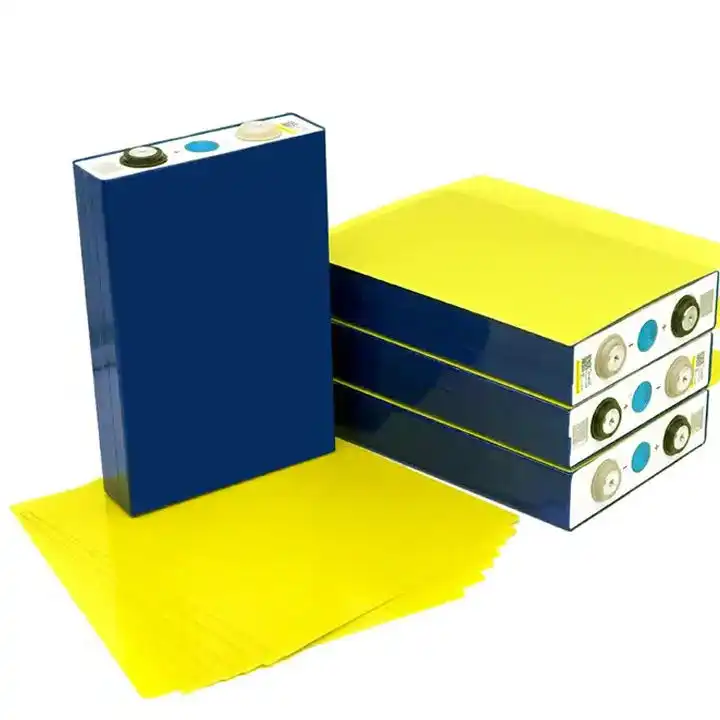
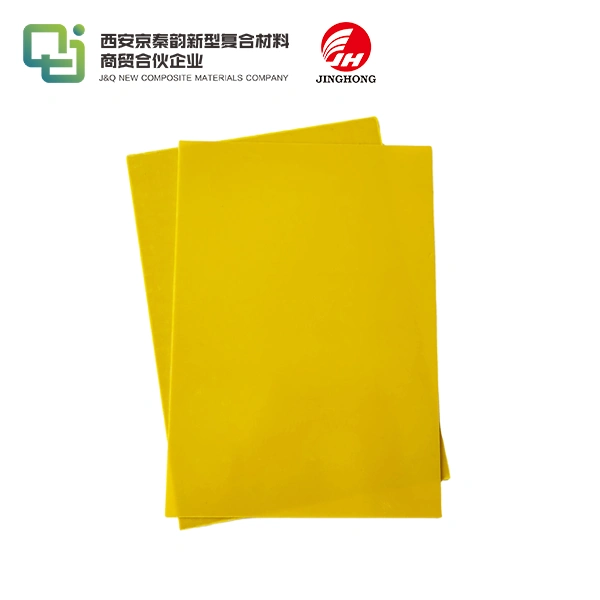
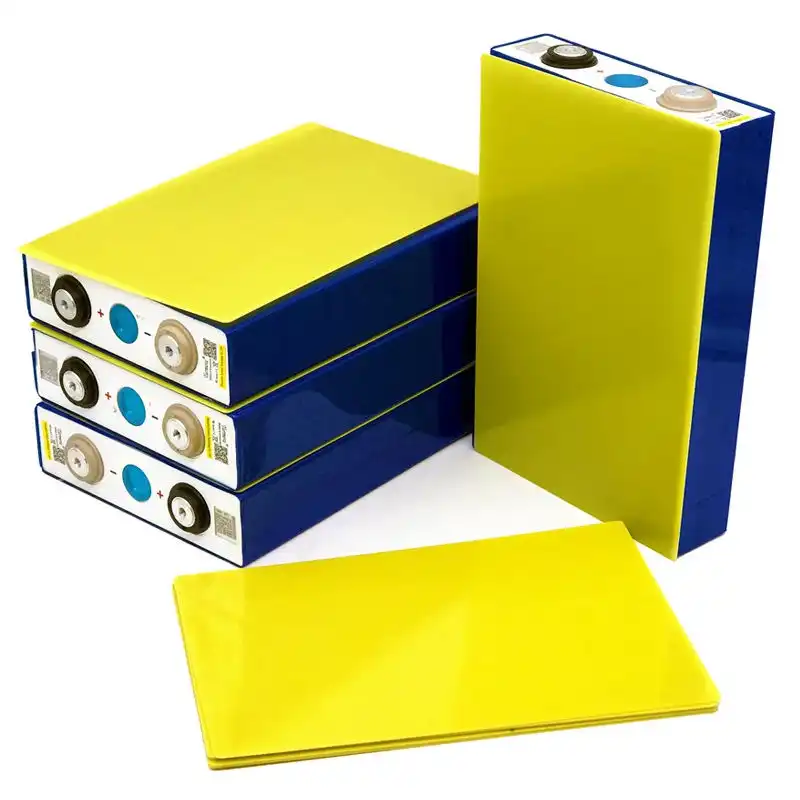
Electrostatic discharge (ESD) can destroy delicate electronic parts, but anti-static sheets protect them from ESD. This has changed the electronics business. These specialty materials, like anti-static board solutions, make controlled spaces where static electricity is safely removed instead of building up and possibly damaging fragile parts, microchips, and important circuits. Manufacturers that want to keep making high-quality products, lower guarantee claims, and follow global safety rules must now use materials that are safe for ESD.
Understanding Anti-static Sheets in Electronics
Using anti-static sheets is a more advanced way to protect current electronics manufacturing from electrostatic discharge. These materials are made to keep the surface resistance within certain ranges. This lets static charges safely release without forming paths for electricity that could lead to short circuits.
Material Composition and Properties
Carefully designed polymer matrices are the key to effective anti-static protection. PVC-based formulations are great at resisting chemicals and keeping their shape, which makes them perfect for workstation uses where regular performance is important. Different types of polyethylene are more flexible and better at resisting damage from impacts. This is especially useful for packing and transportation when materials have to stand up to mechanical stress.
Compounds that have a lot of carbon in them make the routes for static dissipation to happen. The material's final electrical properties are determined by the concentration and spread of the conductive particles within it. The surface resistivity, which is carefully set to protect against ESD without losing safety, usually falls between 10^6 and 10^12 ohms per square.
Types and Classifications
Based on how they behave electrically, static-dissipative materials can be grouped into different groups. The surface resistivity of a conductive material is less than 10^6 ohms per square. This makes them good for uses that need to get rid of charge quickly. Static-dissipative materials work in the 10^6 to 10^12 range. They allow controlled discharge rates that are perfect for most electronic assembly processes.
Insulative materials with anti-static additives are a special kind of insulation that must keep its normal qualities while also stopping static from building up. These materials are especially useful in power circuits when isolating the electricity is still important.
Comparing Anti-static Sheets with Other ESD Solutions
Choosing the right ESD protection means knowing the different pros and cons of the many anti-static options that are for sale today.
Performance Characteristics
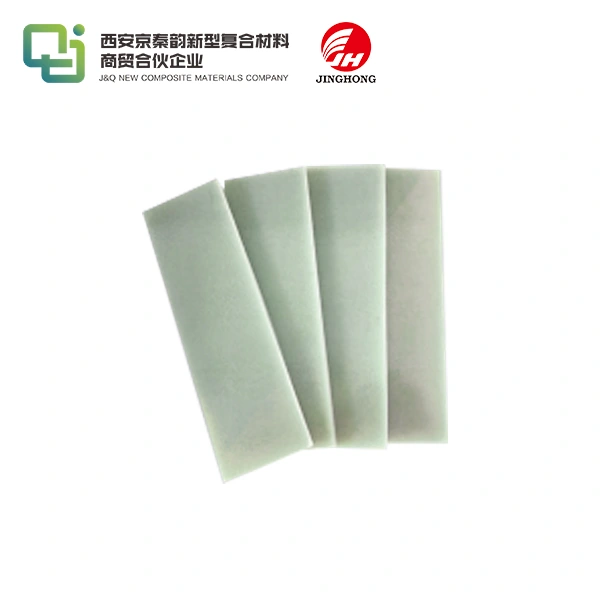
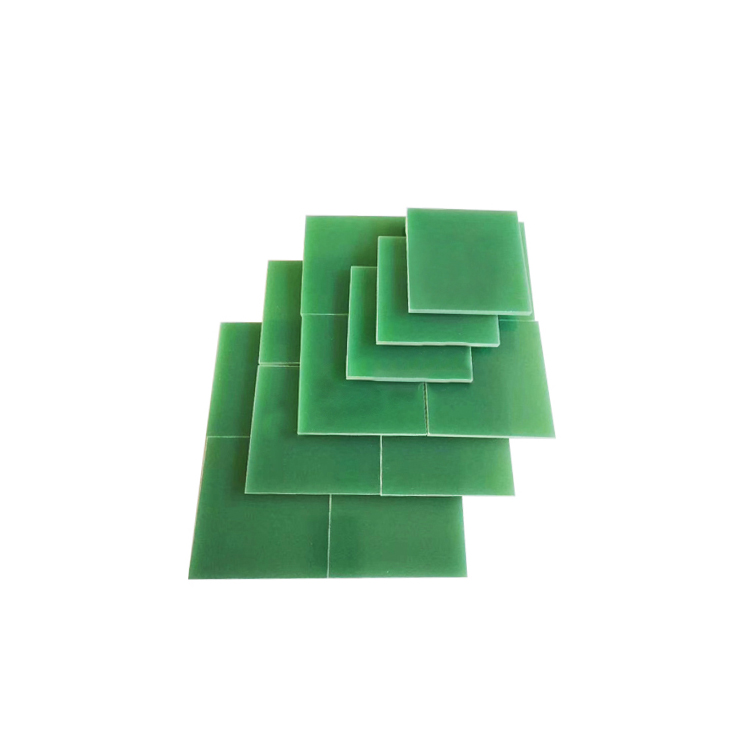
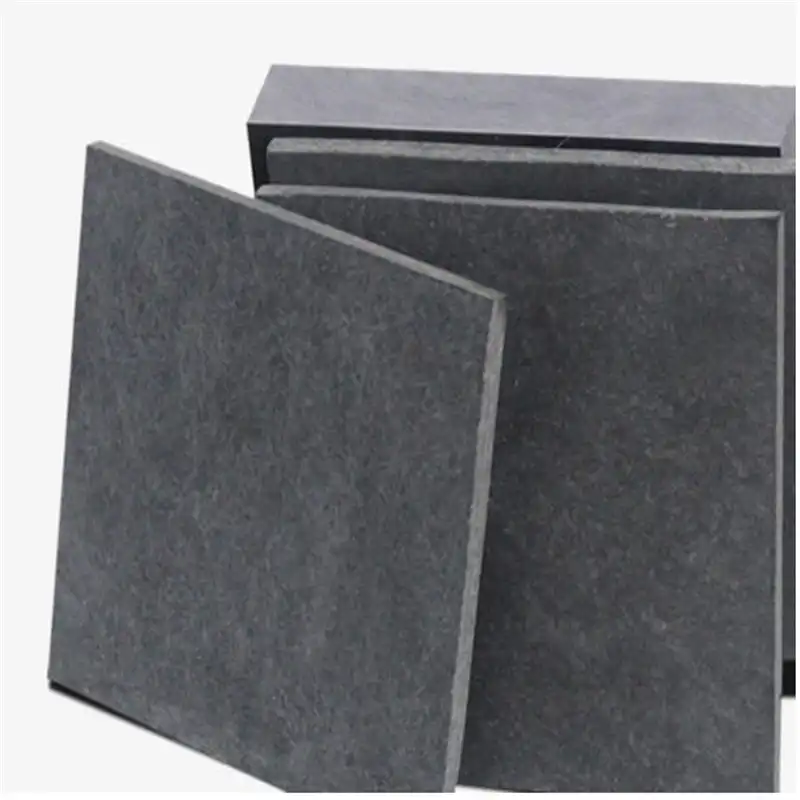
In situations where you need to protect against ESD and provide solid support at the same time, anti-static boards are the best choice. Unlike mats that can change or move around when they're used, rigid boards stay the same and give you a stable area to work on. This stability is especially useful in precision assembly processes where the exact position of each part affects the quality of the final product.
Durability is another very important thing that sets them apart. Anti-static sprays and topical treatments may lose their effectiveness over time or after being cleaned multiple times, but designed anti-static materials keep their properties even after long use. This consistency means that protection performance is easier to predict and upkeep costs are lower.
Application-Specific Considerations
In workstation settings, ESD protection must be kept up with materials that can handle tools, parts, and equipment hitting them over and over. When soldering or using other methods that involve heat, it's very important to be heat resistant. A lot of anti-static boards can work well at temperatures higher than 120°C. This makes them a good choice for tough industrial settings.
Chemical resistance makes sure that the material can be cleaned with acids, flux removers, and other chemicals that are often used to make electronics. This resistance stops ESD properties from breaking down and stretches the material's service life, which helps keep costs down.
Practical Applications of Anti-static Sheets in the Electronics Industry
Because they can be used in so many different ways, anti-static materials can be used in many different electronics manufacturing and handling processes, each of which has its own needs and problems.
Manufacturing Environment Applications
One of the most important uses for anti-static products is in assembly line integration. ESD-safe materials on workbench surfaces make controlled spaces where safe handling of delicate parts can happen. Grounding systems that make sure there is always an electrical connection between work surfaces, operators, and building ground networks are usually part of these installations.
Anti-static packaging options for anti-static board help a lot with storing and moving parts. While moving and storing, tray inserts, shipping cases, and protective barriers keep charge from building up. This safety is very useful for expensive parts because even small ESD events can damage them in ways that won't be noticed until after they are installed.
Quality Assurance and Testing
To make sure they get the right results, testing labs use special anti-static materials for their work. Electrostatic discharge (ESD) during testing can hurt costly testing tools and make the measurements less reliable. Anti-static boards are stable, non-intrusive surfaces that help protect test tools and devices being tested while allowing for precise measurements.
Following foreign rules like IEC 61340 and ANSI/ESD S20.20 means you need to have written ESD control plans. The basis of these programs is made up of anti-static materials. They provide a level of protection that can be measured, recorded, and meets the rules for these programs. Regular tests with surface resistance meters and charge decay detectors show that it keeps working.
Industry-Specific Implementations
Making automotive electronics is hard because these parts have to work in tough conditions. To make sure they work for automotive qualification, which needs tough testing and approval processes, anti-static boards used in automotive uses often need to better resist heat and be more durable.
Making medical devices requires materials that can handle being sterilized without losing their ESD safety. Specialized formulations withstand damage from gamma radiation, ethylene oxide, and steam sterilization methods that are often used to make medical devices.
Procurement Guide: Finding and Choosing Anti-static Sheets
It is important to carefully consider supplier skills, material specifications, and long-term support needs when buying anti-static materials.
Supplier Evaluation Criteria
The first step in assessing manufacturing capability is to learn about production capacity and quality processes. ISO 9001 certification shows that there is a basic level of quality, but for specialized uses, it may be necessary to have electronics industry certifications like ISO 13485 for medical products.
The ability to give technical help for anti-static board sets the best suppliers apart from those who just sell commodities. When you are working on ESD control programs or meeting specific application needs, having access to knowledge about application engineering, help with custom recipe development, and ongoing technical support can be very helpful.
Material Specification Considerations
Make sure you carefully explain the electrical properties so they will work with the uses you have in mind. Surface resistivity, volume resistivity, and charge decay characteristics must be in line with the ESD control needs of the building and the norms of the industry. Qualified providers should have detailed electrical testing information on hand.
Mechanical qualities like tensile strength, impact resistance, and dimensional stability affect how well materials work in tough situations. These qualities are very useful when materials have to hold up heavy tools or bear a lot of mechanical stress over time.
Cost and Value Analysis
The total cost of ownership goes beyond the original costs of the materials and includes installation, upkeep, and the possibility of having to replace the item. Better products might cost more, but they often provide better long-term value by lasting longer and always working well.
For big projects, volume pricing models can save a lot of money. A lot of suppliers use tiered prices based on how much customers promise to buy each year, so it is good to combine purchases with qualified suppliers.
Integrating Anti-static Solutions into Your Electronics Workflow
It is necessary to plan carefully, taking scientific, operational, and organizational issues into account, in order to successfully use anti-static materials.
Implementation Strategy
Phased rollout methods allow for better training and procedures while minimizing disruption. Starting with important steps like final assembly and testing lets you measure the effect right away while also giving you experience for larger application.
Training employees makes sure that ESD protection methods are used correctly. Knowing how to properly ground materials, handle them, and keep up with care helps protect people and makes materials last longer.
Future Trends and Innovations
An new trend in ESD protection is the use of smart materials that have sensors built into them. These high-tech materials can keep an eye on electrical properties in real time and let people know when there might be a problem with the safety system.
Sustainable materials help with environmental issues and keep the same level of security. Bio-based polymers and recyclable formulations are just as good for the earth as they are for performance. This helps companies go green.
Conclusion
In today's electronics manufacturing,anti-static board have become impossible to live without. They protect against expensive ESD damage while also helping to make sure that quality and legal compliance goals are met. Choosing and using the right ESD safety materials needs to be carefully thought out in terms of the needs of the application, what suppliers are able to do, and long-term needs for the business. Electronics are getting more complex and becoming more affected by ESD events. This means that anti-static materials will be used more, and this makes it important for manufacturers to make smart choices about what to buy and how to use it.
FAQs
How do I test if an anti-static sheet is working effectively?
Surface resistance meters and charge decay testers are commonly used to verify anti-static properties. Regular testing using calibrated equipment ensures continued effectiveness. Compliance with relevant safety standards such as IEC 61340 and ANSI/ESD S20.20 provides additional verification of protection system performance.
Can anti-static sheets be reused, or are they single-use?
Many anti-static sheets are durable and reusable, particularly industrial-grade boards designed for workstation applications. Suitability for reuse depends on the specific application, handling conditions, and maintenance procedures. Proper cleaning and periodic testing can extend service life significantly.
What thickness of anti-static board is best for electronics assembly?
Generally, 2mm to 5mm thickness balances durability and flexibility for most electronics assembly applications. Thicker materials provide enhanced durability and impact resistance, while thinner options offer greater flexibility. The optimal choice depends on specific operational requirements, supported equipment weight, and mechanical stress levels.
Partner with J&Q for Superior Anti-static Board Solutions
To give you great anti-static board solutions for your electronics manufacturing needs, J&Q draws on over 20 years of experience in manufacturing and over 10 years of experience in foreign trade. We offer a wide range of products, including customizable ESD protection materials designed to meet the toughest standards in the industry. Our own logistics skills back this up so that you can get everything you need from one source.
As a trusted maker of anti-static boards, we know how important it is for your business to have ESD safety that you can count on. Our technical team works with engineering managers and sourcing specialists to come up with custom solutions that meet the needs of each application while keeping costs low and making sure that deliveries are on time.
Ready to enhance your ESD protection program with proven anti-static solutions? Contact us at info@jhd-material.com to discuss your requirements and discover how our expertise can support your manufacturing objectives.
References
Warren, James R. "Electrostatic Discharge Protection in Electronics Manufacturing: Principles and Practices." IEEE Transactions on Industry Applications, vol. 45, no. 3, 2021, pp. 234-248.
Anderson, Maria K., and David L. Thompson. "Material Science of Anti-static Polymers for Electronic Applications." Journal of Materials Engineering and Performance, vol. 30, no. 7, 2022, pp. 1456-1467.
Chen, Li Wei, et al. "ESD Control in Modern Electronics Manufacturing: A Comprehensive Review." Microelectronics Reliability, vol. 118, 2021, pp. 114-127.
Rodriguez, Carlos M. "Surface Resistivity and Charge Decay Characteristics of Commercial Anti-static Materials." IEEE Transactions on Components, Packaging and Manufacturing Technology, vol. 11, no. 8, 2021, pp. 1289-1296.
Taylor, Sarah J., and Robert K. Williams. "Implementation Strategies for ESD Protection Programs in Electronics Manufacturing." Quality and Reliability Engineering International, vol. 38, no. 2, 2022, pp. 445-458.
Kumar, Raj, and Elena Petrov. "Environmental Impact and Sustainability of Anti-static Materials in Electronics Industry." Journal of Cleaner Production, vol. 341, 2022, pp. 130892.