
NEMA LI 1 Standard: The Definitive Guide to Industrial Laminated Thermosets
2026-03-10 17:20:01
The NEMA LI 1 standard is the most important one for industrial laminated thermoset materials because it spells out important performance requirements for phenolic cotton fabric laminates. This detailed guide looks at how industrial laminated thermoset materials made to NEMA LI 1 standards provide outstanding mechanical strength, electrical insulation, and thermal stability in a wide range of challenging industrial settings.
Understanding NEMA LI 1 Standard and Industrial Laminated Thermosets
Industrial insulation that works well depends on knowing how to use standard materials that always do their job in harsh situations. The NEMA LI 1 specifications make it easy for engineers and procurement workers to choose thermoset laminates that meet all of their needs.
What is the NEMA LI 1 Standard?
NEMA LI 1 spells out the technical standards for industrial laminated sheets made of phenolic cotton fabric. This standard sets basic standards for how well mechanical properties, electrical properties, and environmental resistance work. The standard makes sure that materials with the NEMA LI 1 designation stay the same quality across different batches and manufacturers.
Most NEMA LI 1 materials have bending strengths of more than 12,000 psi perpendicular to lamination and 8,000 psi parallel to lamination. The standard also calls for certain dielectric strength values, which make sure that electrical insulation works well in electronic and power distribution uses.
Industrial Laminated Thermoset Material Composition
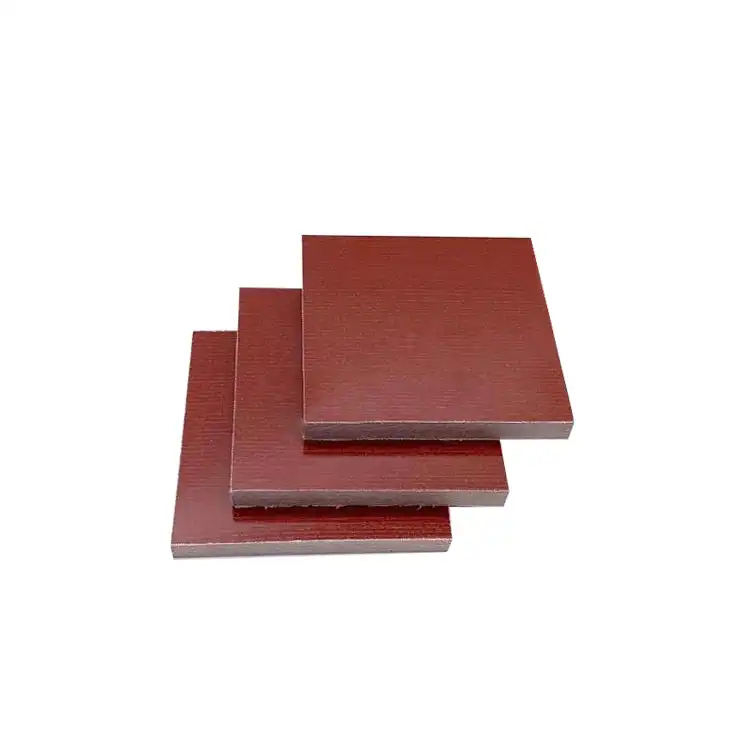
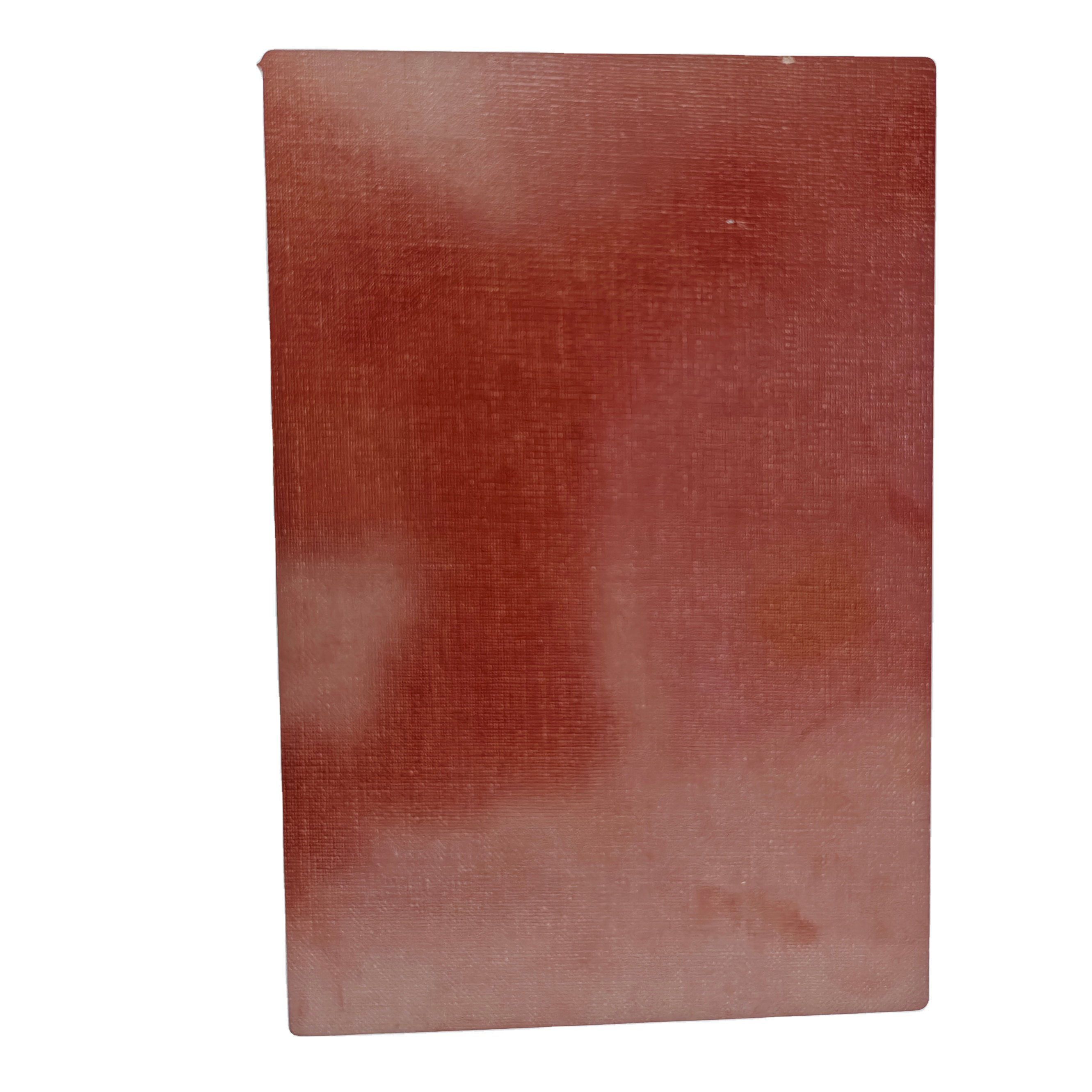
NEMA LI 1 thermoset laminates are made up of phenolic resin systems and cotton cloth reinforcement. Mechanical strength and dimensional stability are provided by the cotton fabric, and good thermal resistance and flame retardancy are provided by the phenolic resin matrix.
Multiple layers of cotton cloth are saturated with specially made phenolic resins during the manufacturing process. In heated presses, these layers go through exact temperature and pressure changes that make cross-linked polymer networks that can't be melted or reformed. This process of curing that can't be undone sets thermoset materials apart from thermoplastic options.
Key Properties and Technical Specifications
When engineers choose NEMA LI 1 materials, they can expect certain performance qualities that make these laminates good for harsh industrial settings. Flexural strengths range from 8,000 to 14,000 psi, based on how the material is oriented and how thick it is. Its compressive strength is usually higher than 25,000 psi, which lets it be used in high-load mechanical uses.
The thermal qualities include being able to withstand temperatures of up to 150°C (302°F) for short periods of time and up to 130°C (266°F) for long periods of time. After 24 hours of soaking, the material still absorbs less than 1.5% water, which keeps its shape in humid places.
Manufacturing Process Overview
To make NEMA LI 1 thermoset laminates, very precise manufacturing methods are used to make sure that the material properties stay the same. Before resin is infused into the cotton cloth reinforcement, it is carefully prepared and inspected for quality. Formulations of phenolic resin are made to penetrate and bond with cloth fibers in the best way possible.
Lamination happens at fixed temperatures between 140°C and 160°C and pressures between 200 and 400 psi. Curing processes usually last between 60 and 90 minutes, which lets all the cross-links form and stops thermal degradation. Quality testing and post-cure conditioning make sure that finished goods meet the requirements of NEMA LI 1.
Critical Performance Characteristics of NEMA LI 1 Thermoset Laminates
Knowing the specific performance features of NEMA LI 1 materials helps you make smart choices for important uses. These traits have a direct effect on how reliable a product is and how long it lasts in a variety of industry settings.
Mechanical Strength and Durability
The mechanical qualities of NEMA LI 1 thermoset laminates are very good, and they can handle high-stress situations. When viewed perpendicular to the lamination, flexural strength can reach 8,000 to 10,000 psi, while when viewed parallel to the lamination, it can run from 12,000 to 14,000. Due to these features, the substance is perfect for use as structural insulation in motor and electrical switchgear systems.
Because NEMA LI 1 materials are impact resistant, they can handle high loads without breaking completely. Charpy impact values are usually higher than 15 ft-lb/in, which makes them very durable for use in machinery that vibrates. The material keeps these qualities even at very different temperatures, so it works the same way in all kinds of situations.
Thermal Resistance and High-Temperature Performance
One very important benefit of NEMA LI 1 thermoset laminates is that they are stable at high temperatures. When heated to high temperatures, the phenolic resin system keeps its structure intact and is very resistant to fire. The glass transition temperature is higher than 200°C, which keeps the dimensions stable when the temperature changes.
The coefficient of thermal expansion stays low, around 25 to 30 x 10^-6 per °C. This means that changes in size are kept to a minimum when the temperature changes. This quality is very important in precise applications that need to keep tight tolerances across a wide range of working temperatures.
Electrical Insulation Properties
Because of how well they conduct electricity, NEMA LI 1 materials are useful for power transfer and electronic uses. In oil, the dielectric strength is usually higher than 400 volts per mil, which makes it a good choice for insulating high-voltage parts. Values of volume resistance above 10^12 ohm-cm make sure that very little current leaks out.
Because of their arc resistance, these materials can handle electrical faults without breaking right away. The tracking resistance meets Class 1 standards, which means it works better in dirty places where surface contact could weaken the insulation.
Chemical Resistance and Environmental Stability
Common industrial chemicals and outdoor pollutants can't damage NEMA LI 1 thermoset laminates. Because the phenolic structure is cross-linked, it is naturally resistant to acids, bases, and organic solvents. After long-term exposure, water absorption stays below 1.5%, keeping the mechanical and electrical qualities the same.
Fungus resistance testing shows that these materials don't allow living things to grow, so they can be used in wet or salty places. UV protection stops polymers from breaking down when they are exposed to the sun, which extends their useful life in outdoor uses.
Dimensional Stability Under Load
Because they don't creep, NEMA LI 1 industrial laminated thermoset materials can keep their measurements even when they are under constant mechanical loads. Deflection under load tests shows that there isn't much deformation, even after a long time of stress exposure. This trait is very important in situations where precise spacing or alignment is needed over long periods of time.
Machining stability lets you make complicated shapes without them twisting or shifting in size. CNC machinability scores show that the part will work well for drilling, milling, and turning. The quality of the surface finish stays the same across all machining parameters, which makes output more efficient.
Industrial Applications and Use Cases for NEMA LI 1 Laminates
Because NEMA LI 1 thermoset laminates are so flexible, they can be used in a wide range of industries. Knowing the exact needs of the application helps designers and material choice work better.
Aerospace and Defense Applications
NEMA LI 1 materials are used in aerospace for electrical insulation systems and internal parts because they are strong but not too heavy. The material is flame-resistant, which meets strict aviation safety standards, and it has great mechanical qualities for use in structures.
NEMA LI 1 laminates are used in defense uses for electronic enclosures and radar systems that need to be resistant to electromagnetic fields and the environment. Because the material can keep its properties even when temperatures change a lot, it is useful for defense equipment that works in harsh environments.
Electrical and Electronics Industry Solutions
A big market for NEMA LI 1 thermoset laminates is power delivery equipment. Manufacturers of transformers use these materials to insulate coils and make structure parts that can handle electrical stress and still hold up the transformer. The electrical insulation and flame strength of a material are important for arc barriers and phase separators.
Electronics companies use NEMA LI 1 materials in places where they need to keep electricity from leaking and make things strong. The material's ability to stay the same size and shape is used in PCB support structures and component mounting brackets.
Automotive and Transportation Components
More and more, NEMA LI 1 materials are used in automotive uses for under-hood parts that need to be resistant to heat and flame. The electrical properties and thermal stability of the material make battery pack insulation systems useful during charging processes.
These thermoset laminates are used by companies that make commercial vehicles for electrical system parts that need to work reliably in harsh conditions. Because the material is resistant to chemicals found on the road and changes in temperature, it has a long useful life in transportation uses.
Industrial Machinery and Equipment
Wear plates, bearing supports, and structural insulation parts of manufacturing equipment are made from NEMA LI 1 materials. It is useful for precision machines because the material can keep its shape even when it is under mechanical loads.
These industrial laminated thermoset are used in chemical processing equipment for pump parts and structure elements that are exposed to harsh chemicals. The material's ability to withstand chemical attacks and changes in temperature makes equipment last longer and require less upkeep.
Marine and Offshore Applications
Marine settings have their own problems that NEMA LI 1 materials can solve well. Because they are resistant to saltwater and don't change shape easily, these thermosets can be used for electrical parts on ships and offshore sites.
Marine fouling, which could damage electrical insulators, can't happen because the material doesn't allow biological growth. UV resistance makes sure that naval parts that are exposed to the sun for long periods of time keep their properties.
Material Selection Criteria and Procurement Guidelines
To successfully buy NEMA LI 1 thermoset laminates, you need to know what the application needs and what the provider can do. Proper selection criteria ensure optimal material performance while minimizing project risks.
Defining Your Application Requirements
The first step in application research is to list the most important performance requirements, such as mechanical loads, operating temperatures, and environmental exposures. Voltage levels, frequency characteristics, and insulation resistance needs must be spelled out in electrical standards. These factors help with the first screening of materials and the creation of specifications.
Certain flame rates or toxicity levels may be required for safety reasons, which affects the choice of material. Early on, regulatory compliance needs should be figured out to make sure that the materials chosen meet all the standards and approval requirements that apply.
Thickness Options and Grade Selection
Standard thicknesses for NEMA LI 1 materials run from 1/32 inch to 1 inch. Custom thicknesses can be made using special manufacturing methods. Although thicker parts are stronger mechanically, they may have worse electrical properties because of the possibility of voids forming during manufacturing.
When choosing grades, the balance between performance needs and cost limits is taken into account. Premium grades cost more than other grades because they have tighter property limits and better quality control. At reasonable prices, standard grades work well in most situations and don't cost much.
Quality Certification and Compliance Standards
The quality of materials is always the same, and they can be tracked down with supplier certification systems. ISO 9001 quality management systems give people faith in the way things are made and how the paperwork is kept. For electrical uses, UL recognition may be needed, which means that suppliers need to be able to keep up with listing requirements.
Material certificates should include full records of all property tests and quality records for each batch. Suppliers should give you material safety data sheets and proof that they follow environmental rules, such as RoHS and REACH rules if they apply.
Supplier Evaluation and Vendor Selection
When evaluating a supplier, the ability to make things, quality control methods, and technical support resources are all taken into account. Established suppliers with a lot of experience making thermoset laminates usually offer more reliable shipping and better quality than newcomers to the market.
When applications need to change industrial laminated thermoset materials or make custom specifications, technical help becomes important. Suppliers who offer tech help and application development support can cut the time and risk of project development by a large amount.
Custom Manufacturing Considerations
For custom manufacturing, you may need specific sizes, machined features, or different property standards. Suppliers should show that they can do secondary processes and precision machining while keeping the material's properties intact.
Tooling needs and minimum order amounts have an effect on the cost and timetable of a project. Custom specifications may mean that the wait time for qualifying materials and setting up production needs to be longer.
Technical Data Sheets and Specification Requirements
Proper documentation ensures that procured materials meet application requirements and provide traceability for quality control purposes. Understanding standard test methods and documentation requirements facilitates effective supplier communication.
Standard Test Methods and Measurement Protocols
NEMA LI 1 materials undergo standardized testing per ASTM procedures to ensure consistent property measurement. Flexural strength testing follows ASTM D790 protocols, while electrical properties are measured per ASTM D149 and D257 standards. These standardized methods enable direct comparison between suppliers and material lots.
Environmental testing protocols include water absorption per ASTM D570 and thermal property measurement per ASTM D648. These tests provide critical data for predicting material performance in specific operating environments.
Material Property Documentation
Complete property documentation should include mechanical, electrical, and thermal characteristics with appropriate statistical data. Property variations and tolerance ranges help engineers understand material consistency and design margin requirements.
Batch-specific documentation provides traceability for quality control and failure analysis purposes. This documentation becomes critical in applications requiring formal quality systems or regulatory compliance.
Quality Control and Inspection Procedures
Incoming inspection procedures should verify critical properties and dimensional accuracy upon material receipt. Visual inspection identifies surface defects or contamination that could impact performance or machining operations.
Statistical process control techniques help identify trends in material properties that could indicate manufacturing issues. Supplier partnership programs often include shared quality data and continuous improvement initiatives.
Traceability and Certification Requirements
Traceability systems connect finished products to raw material lots and processing conditions. This capability becomes essential for failure analysis and warranty claim resolution. Suppliers should maintain comprehensive records linking material properties to specific production parameters.
Certification documentation should include complete test results, calibration records, and quality management system audits. These documents provide confidence in material quality and supplier capabilities.
Conclusion
NEMA LI 1 industrial laminated thermoset materials provide reliable solutions for demanding applications across multiple industries. Their combination of mechanical strength, electrical insulation properties, and environmental resistance makes them invaluable for engineers designing products requiring consistent performance under challenging conditions. Understanding the standard's specifications, performance characteristics, and application guidelines enables informed material selection decisions that optimize both performance and cost-effectiveness.
FAQ
What are the key differences between NEMA LI 1 and other thermoset laminate grades?
NEMA LI 1 specifically designates phenolic cotton fabric laminates with defined mechanical and electrical properties. Unlike G10/FR4 glass fabric laminates, NEMA LI 1 materials offer better impact resistance and machinability at lower costs. The cotton fabric reinforcement provides excellent mechanical properties while the phenolic resin system delivers superior flame resistance compared to polyester-based alternatives.
How do I determine the right thickness and grade for my specific application?
Thickness selection depends on mechanical load requirements and electrical insulation needs. Thicker sections provide greater mechanical strength but may exhibit slightly reduced electrical properties. Grade selection balances performance requirements with cost considerations, where premium grades offer tighter tolerances and enhanced quality control. Application analysis considering operating temperatures, environmental exposure, and safety requirements guides optimal selection.
What are the typical lead times and minimum order quantities for NEMA LI 1 laminates?
Standard thickness NEMA LI 1 materials typically ship within 2-4 weeks, while custom specifications may require 6-8 weeks for production. Minimum order quantities vary by supplier and thickness, generally ranging from 100-500 pounds for standard grades. Custom manufacturing may require higher minimum orders to justify tooling and setup costs.
Can NEMA LI 1 laminates be customized for specific dimensional or performance requirements?
Yes, NEMA LI 1 materials can be customized through modified resin formulations, special reinforcement patterns, or precision machining services. Suppliers can adjust property specifications within standard limits or provide machined components to exact dimensional requirements. Custom capabilities include special thickness options, modified surface treatments, and integrated mounting features.
Partner with J&Q for Premium Industrial Laminated Thermoset Solutions
J&Q combines over 20 years of manufacturing expertise with comprehensive technical support to deliver exceptional NEMA LI 1 industrial laminated thermoset materials. Our established partnerships with domestic and international trading companies, coupled with our integrated logistics capabilities, ensure seamless project execution from initial consultation through final delivery. As a trusted industrial laminated thermoset supplier, we provide complete material solutions including custom machining, precision cutting, and technical documentation to meet your exact specifications. Contact our engineering team at info@jhd-material.com to discuss your requirements and experience the reliability of working with proven industry professionals.
References
National Electrical Manufacturers Association. "NEMA Standards for Industrial Laminated Thermosetting Products." NEMA Publication LI 1-2019.
American Society for Testing and Materials. "Standard Test Methods for Flexural Properties of Unreinforced and Reinforced Plastics and Electrical Insulating Materials." ASTM D790-17.
Institute of Electrical and Electronics Engineers. "IEEE Guide for the Application of Insulation Systems for AC Electric Machines." IEEE Standard 117-2015.
Underwriters Laboratories. "Standard for Tests for Flammability of Plastic Materials for Parts in Devices and Appliances." UL 94-2013.
Harper, Charles A. "Modern Plastics Handbook: Advanced Materials, Properties, and Selection." McGraw-Hill Professional, 2018.
Mallick, P.K. "Thermosets: Structure, Properties and Applications." Woodhead Publishing Series in Composites Science and Engineering, 2020.
_1753951194967.jpg)
