
What is Fiberglass-Reinforced Epoxy?
2026-03-10 17:20:04
Fiberglass-reinforced epoxy sheet is a high-performance composite material made by putting together thermosetting epoxy glue and continuous glass fiber cloth. This high-tech material is made under controlled heat and pressure conditions. It forms a single base with great mechanical strength, excellent electrical insulation, and impressive thermal stability. These composite sheets, which meet NEMA standards and are rated as G10, FR4, or G11 grades, solve important engineering problems where other materials fail, especially in high-stress electrical and structure settings.
Understanding Fiberglass-Reinforced Epoxy: Definition and Core Components
The field of composite engineering has come a long way thanks to materials that blend different properties into a single substrate. Engineers now have a reliable base for tough applications thanks to fiberglass-reinforced epoxy, which is an answer to the problems with traditional insulating materials.
What is Fiberglass-Reinforced Epoxy and How is it Made?
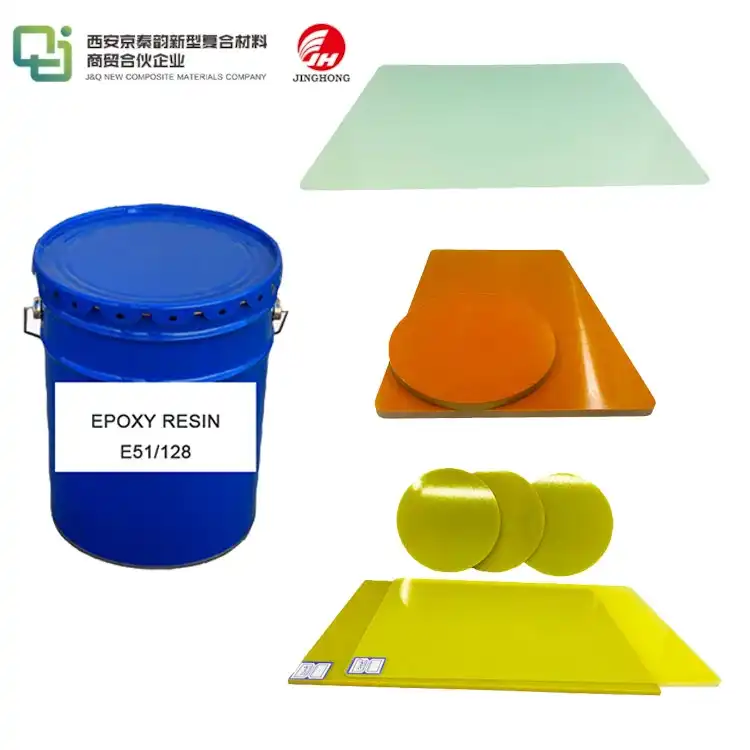
Fiberglass-reinforced epoxy is a thermoset composite material that is made by mixing epoxy resin binding systems with woven glass fiber cloth. The first step in making something is using continuous filament E-glass cloth as the structure's backbone. The epoxy glue then acts as a binding matrix, moving loads between the fibers. When these two parts are put together, they make a material with better qualities than either one by itself.
The process of making it includes carefully stacking sheets of glass cloth that are each fully saturated with catalyzed epoxy resin. Multiple layers add thickness while keeping the fiber orientation the same. This makes sure that the end product has the same mechanical properties all over. Temperature-controlled curing at about 150°C to 180°C starts the cross-linking process. This makes chemical links that can't be broken and determine how well the material works.
Core Components: Epoxy Resin Matrix and Glass Fiber Reinforcement
The glass fiber reinforcement usually uses E-glass, which is made up of silica, alumina, and boron oxide in a way that makes it best for use in electrical insulation purposes. These long filaments, which can be woven into different patterns like plain weave and crowfoot satin, give engineers directional strength qualities that they can use to meet specific load needs. The amount of fiber usually runs from 50 to 70% by weight, which has a direct effect on the mechanical performance parameters.
The epoxy resin systems used in these composites have low viscosity formulations that make sure all the fibers are wet during the production process. For FR4 grades, the resin chemistry includes flame retardant additives that make the material safer without changing its electrical qualities. Modern mixtures have brominated chemicals that release gases that put out fires and protect the things around them when they are heated.
Manufacturing Process and Quality Standards
Modern factories use hydraulic presses with multiple openings that can produce pressures above 1000 PSI and keep the temperature even across big panel areas. There are specific heat-up rates, hold times, and cooling profiles in the pressing operation that make the resin flow best and reduce the amount of empty space. Checking the thickness tolerance, checking for delamination, and making sure the electrical properties are correct according to ASTM and IEC standards are all quality control measures.
Ultrasonic testing is used in post-cure inspection processes to check the quality of the surface, the accuracy of the dimensions, and the structure inside. For flexural strength, dielectric breakdown voltage, and flame resistance, each output lot goes through a full set of tests. Material packages come with certification paperwork that makes them easy to track for uses that need to meet aerospace or military standards.
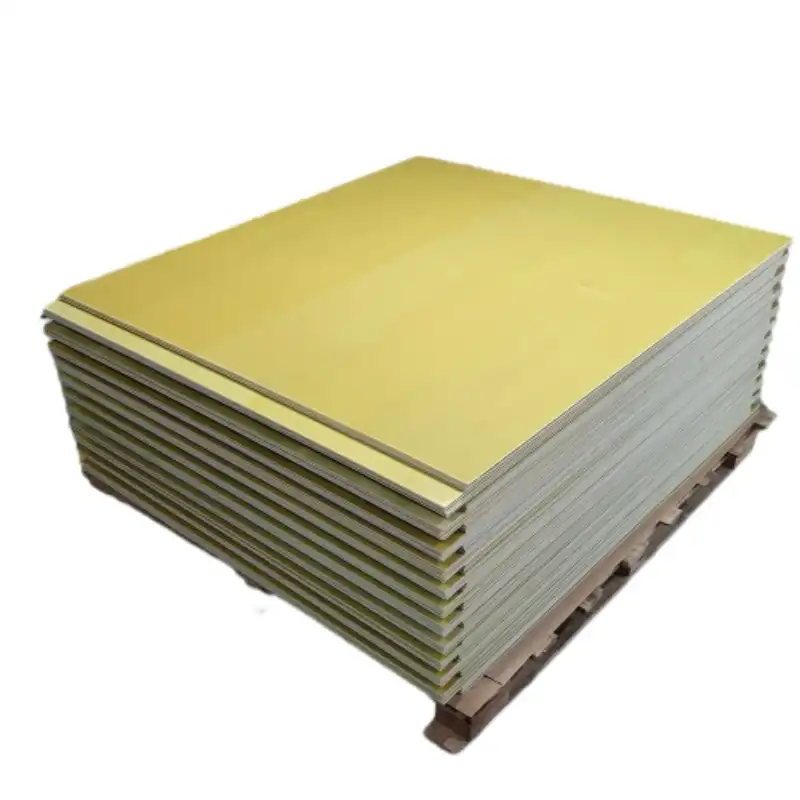
Essential Properties and Specifications of Fiberglass-Reinforced Epoxy Sheets
Engineers can make smart choices about which materials to use for different tasks when they know about their features. Composite materials such as fiberglass-reinforced epoxy sheet with fiberglass reinforcement and epoxy have a good mix of properties that meet many technical needs at the same time.
Mechanical Properties: Strength, Flexibility, and Durability
Flexural strengths are usually between 380 and 450 MPa, which means they are very good at resisting bending loads that happen in structural uses. Tensile strengths can reach 310 to 380 MPa, which means they can be used in parts that are directly pulled. The material has a modulus of elasticity of about 18–22 GPa, which means it is stiff enough for precision uses but still has some give so it can adapt to changes in temperature.
Charpy impact values hitting 50–80 kJ/m² show that its impact resistance is better than that of ceramic or metal alternatives. This toughness prevents catastrophic failure under shock loading conditions common in aerospace and automotive applications. Its fatigue resistance lets it last longer when it's loaded and unloaded many times, with endurance limits that are close to 40% of its total strength.
Its compressive strength is higher than 415 MPa, which means it can hold big loads on structures without deforming. The material keeps these qualities at temperatures ranging from -55°C to +180°C, based on the grade chosen. Dimensional stability under load stops creep deformation, which over time could damage precision parts.
Electrical Properties: Insulation and Dielectric Performance
Dielectric strength exceeds 14 kV/mm for 1 mm thick specimens, ensuring reliable insulation performance in high-voltage applications. Volume resistivity typically exceeds 1 × 10¹³ Ω·cm, indicating extremely low current leakage through the material thickness. Surface resistivity is generally above 1 × 10¹² Ω/sq, which helps prevent tracking failures under contaminated conditions.
From 50 Hz to 1 MHz, the dielectric constant stays fixed at 4.5 to 5.0, which means that these materials can be used in RF circuits. Dissipation factor values below 0.035 keep data loss in high-frequency circuits to a minimum, which helps the development of new telecommunications equipment. ASTM D495 tests show that arc resistance is higher than 120 seconds, which shows great performance when there is an electrical problem.
Temperature coefficient characteristics make sure that properties don't change much across working ranges, which keeps the performance of the circuit stable. According to IEC 60112 standards, the material has great tracking resistance, which stops electrical paths from forming when the environment is dirty.
Thermal Properties: Temperature Resistance and Heat Dissipation
The glass transition temperature (Tg) ranges from 130°C for normal grades to 180°C for high-temperature formulations. These temperatures set the highest temperature at which the material can be used. Measurements of thermal conductivity around 0.3 W/m·K show that the material can moderately remove heat, making it good for use in power electronics. The coefficient of thermal expansion is about 14 to 16 ppm/°C, which is very close to the expansion rate of copper conductors in PCB uses.
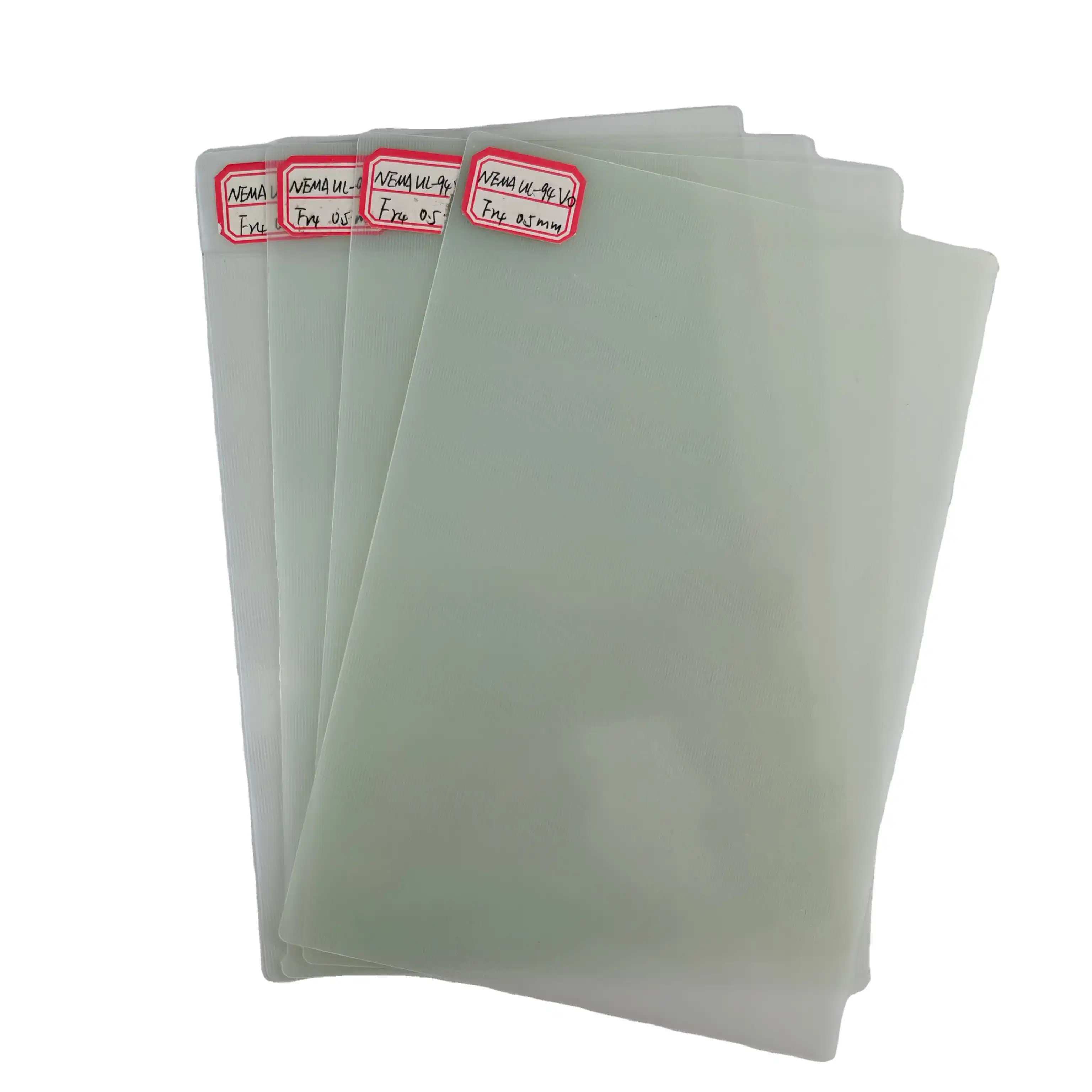
The flame resistance meets UL94 V-0 standards for FR4 grades, and it goes out on its own 10 seconds after the fuel source is taken away. When the oxygen index value is higher than 28%, it means that the material is very resistant to fire in normal circumstances. The material stays structurally sound up to temperatures around 300°C, which gives operators safety margins for harsh circumstances.
Measurements of heat deflection temperatures above 150°C are taken under 1.82 MPa of load, showing that the dimensions stay stable when thermal and mechanical stress are added together. After 1000 hours at highest service temperatures, thermal aging characteristics show that properties don't change much.
Physical Characteristics: Weight, Thickness, and Density Specifications
Density measurements are usually between 1.8 and 2.0 g/cm³. This makes them lighter than metal options while still having better strength-to-weight ratios. Standard thicknesses are 0.5mm, 1.0mm, 1.5mm, 3.0mm, 5.0mm, and 10.0mm. Custom widths can be made using special manufacturing methods. Standard thickness tolerances are accurate to within ±10%, and precision tolerances are available for uses that need to be very accurate.
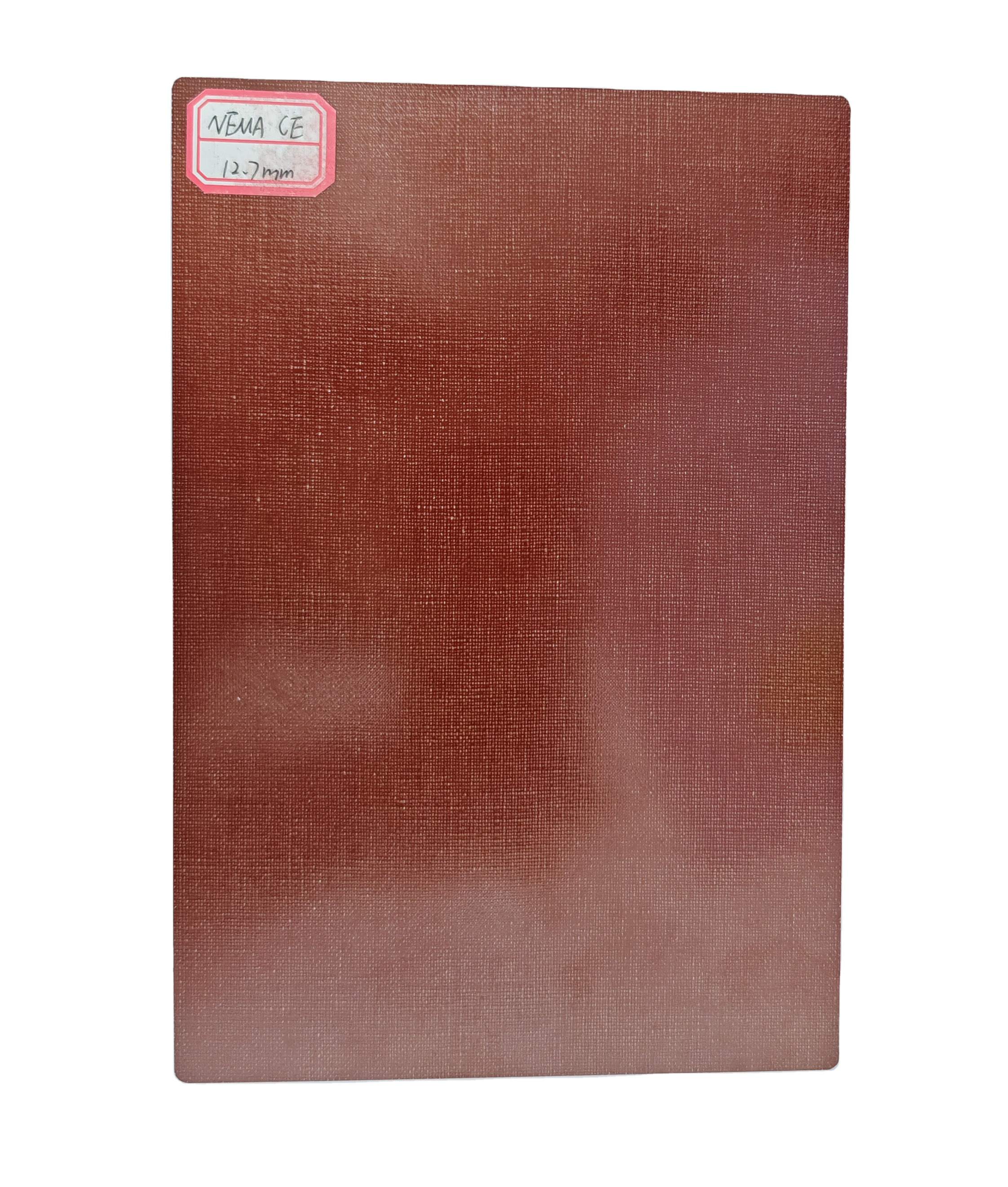
After 24 hours of immersion, the water absorption value stays below 0.5%, so the quality doesn't change in humid places. There are both matte and glossy surface finish choices, and the level of roughness can be changed to meet specific bonding or appearance needs. Natural amber, black, and custom formulations for identification reasons are all color options.
Industrial Applications and Use Cases for Fiberglass-Reinforced Epoxy
Fiberglass-reinforced epoxy sheets are very useful because they can be used in many different industries. Each one uses a different set of properties to solve engineering problems. Understanding the individual needs of the application helps choose the best materials and methods for processing them.
Electrical and Electronics Industry: PCB Substrates and Insulation
The biggest market for FR4 grade fiberglass-reinforced epoxy materials is in printed circuit boards, where their ability to stay the same size and conduct electricity safely makes it possible for electronic devices to work reliably. The material is the base for the copper conductor designs and keeps the electrical layers from touching each other. Multiple FR4 sheets glued together with copper foil are used in multilayer PCB designs to make complicated circuit layouts.
The material's arc protection and mechanical strength are used in electrical switchgear to make insulators and barriers that keep people away from high-voltage equipment. The thermal stability and electrical breakdown resistance of the material are used by transformer insulation components to keep the windings separate while giving mechanical support. The material can handle both electrical stress and mechanical vibration, which makes it useful for motor shielding.
These materials are used in power distribution devices as arc chutes, bus bar supports, and enclosure panels. They keep things safe by being resistant to flames and electrical current. Because the material can be machined, complicated insulator shapes needed for unique electrical equipment designs can be made to order.
Aerospace and Marine Applications: Structural Components and Panels
The material's high strength-to-weight ratio and radar transparency make it useful for building radomes, supporting antennas, and making internal panels. Because the material's dimensions don't change much when the temperature does, it will keep working well even when the altitude changes and the temperature changes. Flame resistance features meet strict fire safety standards in aircraft while keeping the structure's integrity.
Marine uses use the material's ability to resist water and corrosion to make hull reinforcements, equipment mounts, and electrical enclosures. The material's ability to withstand salt water keeps it from breaking down like metals do. The material is used in boat building for structural bulkheads and equipment foundations because it is lighter and better for the operation of the boat.
The material's ability to fight flames and produce little smoke in emergency situations makes it useful for use in the interior of airplanes. Because the material can be machined into complicated shapes, it can be used to make the exact brackets, panels, and structural elements that are needed to place aerospace equipment.
Manufacturing and Machining: Jigs, Fixtures, and Tooling
Because the material is stable in size and easy to machine, it is used in manufacturing tooling to make precise jigs and fixtures for production settings. Because it doesn't conduct electricity, the material can be used in welding setups where current can't flow through tooling parts. Wear-resistance properties make the service life longer in production settings where parts are loaded and unloaded many times.
These materials are used in CNC machining centers for vacuum chuck plates and fixture bases because they are non-magnetic and don't interact with magnetic workholding systems. Because the material is thermally stable, it can be used in hot tooling situations where even temperatures are important for part quality. Chemical resistance lets you clean fixtures with industrial chemicals without breaking down the material.
The material is good for use on assembly lines because it doesn't break easily when hit and can handle repeated mechanical stress from automatic equipment. Because the material is easy to machine, test tools can be made quickly, which cuts down on the time needed to develop new production methods.
Chemical Processing: Corrosion-Resistant Equipment and Tanks
These materials are used in chemical processing equipment for tank linings, pipe supports, and equipment housings because they don't rust and last longer than metal options. Because the material is resistant to most industrial poisons, there is no need for coatings that protect it and wear off over time. Temperature resistance lets it be used in chemical processes that get hot while still keeping its shape.
For fume hoods, work areas, and equipment enclosures, the material's chemical inertness and ease of cleaning make it useful for lab equipment. Because it doesn't carry electricity, the material can be used safely around electrical equipment in chemical environments where conductive materials could be dangerous.
For equipment housings, pipe supports, and access panels in wastewater treatment, the material's resistance to chemical attack and biological breakdown is useful. Because the material can be made into complicated forms, it can be used to make custom solutions for chemical processing equipment.
How to Choose the Right Fiberglass-Reinforced Epoxy Sheet?
Proper material selection requires systematic evaluation of application requirements, environmental conditions, and performance expectations. Engineers must consider multiple factors simultaneously to identify optimal material grades and specifications for specific applications.
Assessing Your Application Requirements: Load, Environment, and Performance
Mechanical loading analysis begins with identification of primary stress directions, maximum load magnitudes, and loading frequency characteristics. Static loads favor materials such as fiberglass-reinforced epoxy sheet with high flexural and compressive strength, while dynamic applications require enhanced fatigue resistance. Impact loading conditions necessitate toughness optimization over pure strength characteristics.
Environmental assessment encompasses temperature ranges, humidity levels, chemical exposure, and UV radiation conditions. Continuous operating temperatures above 130°C require G11 grade selection, while intermittent exposure may allow G10 materials with appropriate safety factors. Chemical compatibility must be verified through material testing when exposure to aggressive chemicals is anticipated.
Performance expectations include dimensional tolerance requirements, surface finish specifications, and electrical property needs. Precision applications may require enhanced thickness tolerances and controlled thermal expansion characteristics. High-frequency electrical applications demand materials with optimized dielectric properties and minimal signal loss characteristics.
Thickness and Grade Selection: Matching Specifications to Needs
Thickness selection balances mechanical performance requirements with weight and cost considerations. Thin sections (0.5-3.0mm) suit electrical insulation applications where space constraints limit material thickness. Thick sections (5.0-25mm) provide enhanced mechanical strength for structural applications but increase material costs and processing complexity.
Standard grade selection begins with temperature requirements, progressing through mechanical and electrical specifications. G10 grades optimize room temperature performance with excellent cost-effectiveness. FR4 grades add flame resistance for safety-critical applications. G11 grades enable high-temperature operation but command premium pricing.
Custom formulations address specialized requirements not met by standard grades, including enhanced chemical resistance, modified thermal expansion, or improved machinability. These materials require longer lead times and minimum order quantities but provide optimal performance for demanding applications.
Surface Finish and Machining Considerations
Surface finish selection affects both appearance and functional performance characteristics. Matte finishes provide better adhesion for secondary bonding operations, while glossy surfaces offer easier cleaning and improved chemical resistance. Textured surfaces can enhance grip for handling applications or provide controlled surface roughness for specific bonding requirements.
Machinability characteristics vary between grades, with G10 materials offering excellent cutting properties using carbide tooling. Drilling operations require specific feed rates and speeds to prevent delamination, while routing applications need climb cutting techniques to achieve smooth edge finishes. Dimensional tolerances achievable through machining typically reach ±0.1mm for standard operations.
Surface treatment options include chemical etching for enhanced adhesion, mechanical abrasion for texture modification, and primer application for paint systems. These treatments must be compatible with the base material and intended service environment to ensure long-term performance.
Flame Retardant and Special Property Options
Flame retardant formulations meet various safety standards including UL94 V-0, IEC 60695, and aerospace specifications. Standard FR4 grades provide excellent flame resistance for most commercial applications, while specialized formulations achieve enhanced performance for critical safety applications. Halogen-free formulations address environmental concerns while maintaining flame resistance performance.
Special property modifications include enhanced thermal conductivity for heat dissipation applications, controlled electrical properties for RF applications, and improved chemical resistance for aggressive environments. These modifications may affect other material properties, requiring careful evaluation of overall performance requirements.
Color options enable component identification and aesthetic requirements, with black materials providing UV resistance for outdoor applications. Natural colors simplify quality inspection by revealing machining defects or contamination that might be hidden in pigmented materials.
Conclusion
Fiberglass-reinforced epoxy sheets represent a critical material technology enabling reliable performance across diverse industrial applications. The combination of mechanical strength, electrical insulation, and thermal stability provides engineers with a versatile solution for challenging design requirements. Understanding material properties, application requirements, and processing considerations ensures optimal material selection and implementation success. As manufacturing demands continue evolving toward higher performance and reliability standards, these composite materials will maintain their essential role in supporting advanced technological applications across electrical, aerospace, automotive, and industrial sectors.
FAQ
What's the difference between G10 and G11 fiberglass-reinforced epoxy sheets?
G10 offers excellent mechanical properties at room temperature, while G11 maintains superior performance at elevated temperatures up to 180°C, making it ideal for high-heat applications.
Can fiberglass-reinforced epoxy sheets be machined with standard tools?
Yes, these sheets can be machined using carbide tools, but proper ventilation and dust collection are essential due to the abrasive nature of glass fibers.
What thickness options are available for fiberglass-reinforced epoxy sheets?
Standard thicknesses range from 0.5mm to 50mm, with custom thicknesses available from specialized manufacturers for specific applications.
How do I determine the right grade for chemical resistance applications?
Consider the specific chemicals, concentration, temperature, and exposure duration. G10/FR4 grades offer good general chemical resistance, while specialized formulations may be required for aggressive environments.
What's the typical lead time for custom-cut fiberglass-reinforced epoxy sheets?
Standard sizes are typically available for immediate shipment, while custom cutting usually requires 3-5 business days, and special grades may take 2-3 weeks.
Partner with J&Q: Your Trusted Fiberglass-Reinforced Epoxy Sheet Manufacturer
Selecting the optimal fiberglass-reinforced epoxy sheet requires technical expertise and reliable supply chain support. J&Q combines over 20 years of manufacturing experience with comprehensive technical knowledge to deliver materials that exceed your performance expectations. Our dedicated engineering team works directly with customers to match material specifications with application requirements, ensuring optimal performance and cost-effectiveness.
Our integrated manufacturing and logistics capabilities provide complete project support from initial consultation through final delivery. With established quality systems meeting international standards and extensive testing protocols, we guarantee consistent material properties across all production lots. Contact our technical specialists at info@jhd-material.com for personalized material recommendations and competitive pricing on your next project requirements.
References
Matthews, F.L. & Rawlings, R.D. (2019). Composite Materials: Engineering and Science. Cambridge University Press.
National Electrical Manufacturers Association. (2018). Industrial Laminated Thermosetting Products - NEMA LI-1 Standards Publication.
Strong, A.B. (2020). Fundamentals of Composites Manufacturing: Materials, Methods and Applications. Society of Manufacturing Engineers.
International Electrotechnical Commission. (2019). IEC 60893-3-2: Specifications for Industrial Rigid Laminated Sheets Based on Thermosetting Resins for Electrical Purposes.
Mallick, P.K. (2021). Fiber-Reinforced Composites: Materials, Manufacturing, and Design. CRC Press.
ASTM International. (2020). ASTM D709-01: Standard Specification for Laminated Thermosetting Materials. Annual Book of ASTM Standards.
_1764747988943.jpg)
