
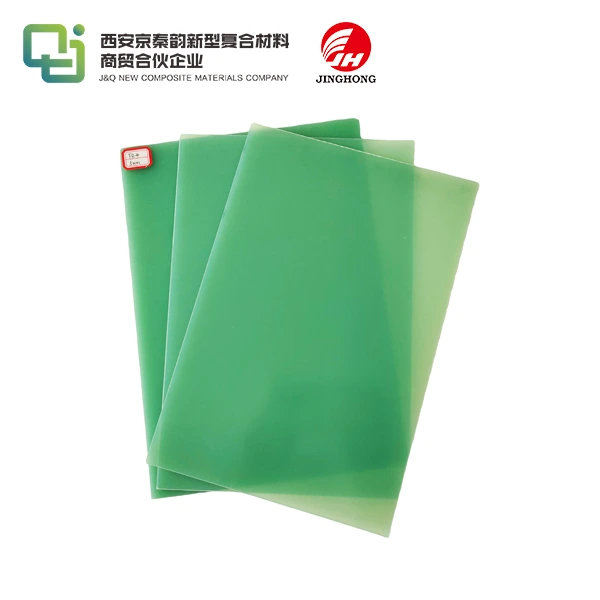
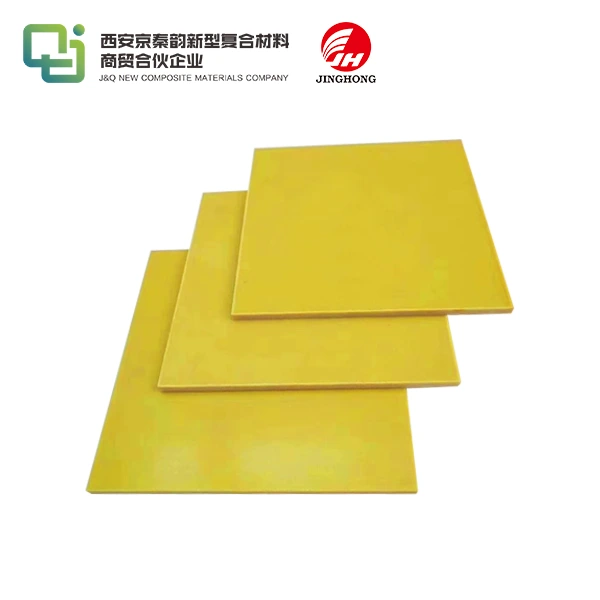
Why is My G10 a Different Color? A Technical Overview
2026-03-11 17:26:37
Color variations in G10 sheet materials often perplex procurement professionals and engineers during quality inspections. The answer lies in the complex interplay of manufacturing variables, raw material differences, and processing conditions inherent to high-pressure fiberglass laminate production. Knowing about these technical factors helps you make smart decisions and communicate clearly with your suppliers, which makes sure that your parts meet strict performance standards and look the same from one production batch to the next.
What is G10 and Why Color Consistency Matters?
A complex process is used to make G10 sheet materials. Several layers of fiberglass cloth are soaked in epoxy glue and then pushed together under extreme heat and pressure. This process makes a thermoset plastic that has amazing qualities, such as high strength-to-weight ratios that are higher than 6061 aluminum, great electrical insulation, and high resistance to chemicals and water.
Core Material Composition and Properties
Within its basic structure, G10 is made up of woven fiberglass cloth and epoxy resin systems. This makes a hybrid material that is both strong and safe for electronics. Unlike paper-based phenolic laminates, G10 has almost no water absorption rates (below 0.1%), so its electrical insulating and shape-stable qualities don't change even when it's wet or soaked.
Some of the most important performance traits are high dielectric strength that stops electrical arcing, high mechanical stiffness that works well for supporting structures, and high thermal stability with a low rate of thermal expansion. Because of these qualities, G10 is essential for making electronics, using in aircraft, and making industrial machinery that needs to be reliable.
Why Color Consistency Indicates Quality
Color stability in G10 is important for more than just looks; it's also an obvious sign of how well the material was made and how uniform it is. Different colors often mean different types of plastic, different curing conditions, or production errors that can happen from batch to batch. These errors can affect how well the part works, how long it lasts, and how well it meets industry standards.
Color differences may be a sign of small changes in material grades, supplier methods, or where the raw materials are coming from, which could affect safety standards, regulatory compliance, and dependability. By understanding this link, you can better judge what suppliers have to offer and make sure they meet strict industry standards. This is especially important in situations where UL/ROHS compliance and stable dielectric properties are needed.
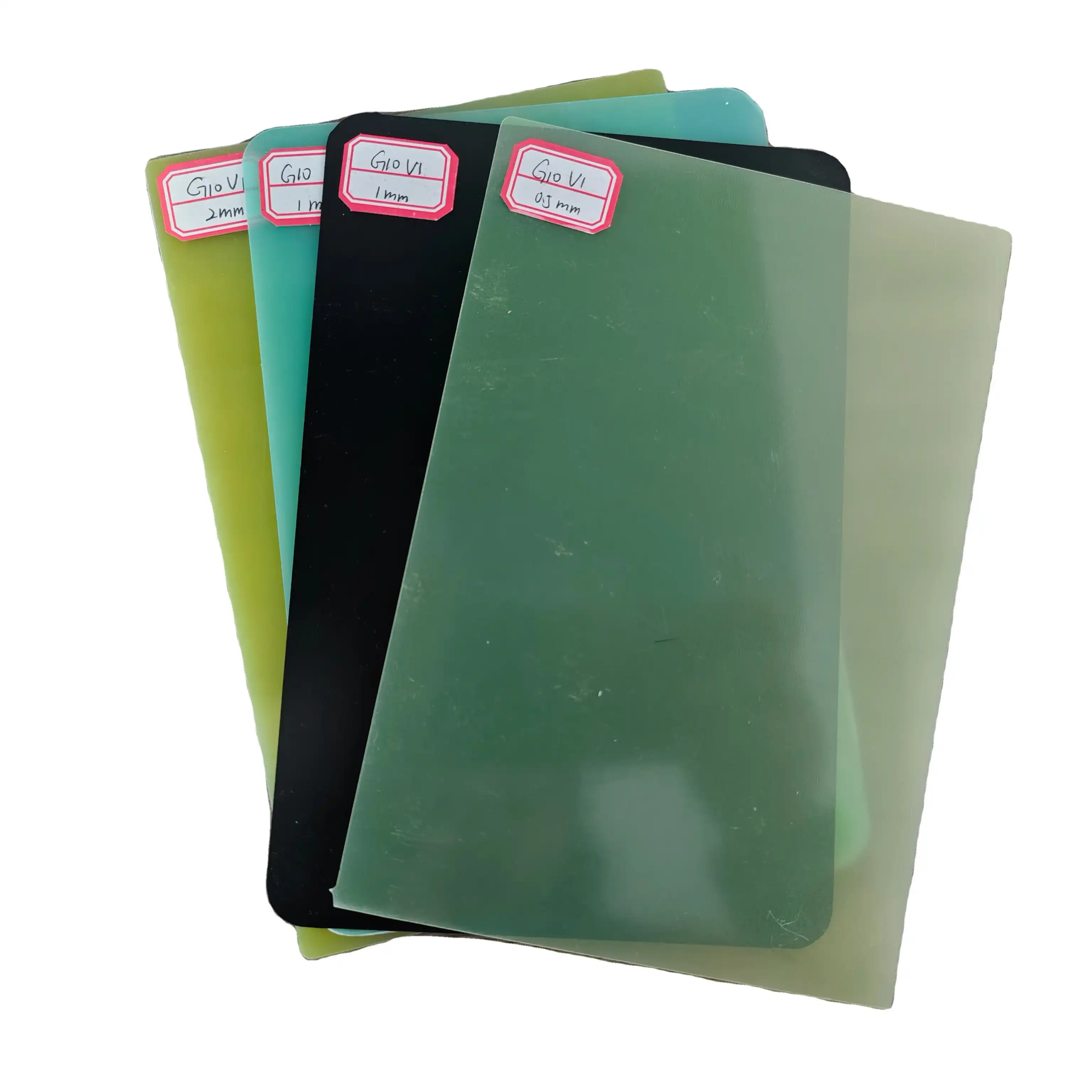
Common Causes of Color Variation in G10 Sheets
Color changes in G10 sheet laminates are caused by a number of interconnected factors, mainly differences in the raw materials used, the production conditions, and the treatments that are applied after the laminates are made. By knowing these reasons, buying teams can honestly judge color differences, telling the difference between accepted variation and possible quality issues.
Raw Material Variability
Different epoxy resin formulas are the main cause of color differences in finished laminates. Different plastic suppliers use different chemical mixes, hardening agents, and additive packages that have a direct effect on how the end color looks. Color changes can be seen even when resin chemistry isn't changed much. This is especially true when makers move suppliers or change formulas to meet specific performance needs.
Color differences are also caused by changes in fiberglass cloth. Different makers of glass cloth may use different sizing agents, weave patterns, or glass formulas that change the material's optical qualities in small ways. When these differences are mixed with epoxy resin systems, they stand out more, making finished laminates look different.
Manufacturing Process Variables
Temperature, pressure, humidity, and time of the curing process have a big effect on the end color results during the lamination process. Higher hardening temperatures can make epoxy resins darker, and longer cure processes can change the color by adding more cross-linking reactions. Changes in pressure can affect how the glue flows and spreads, which could lead to color differences between sheet surfaces.
Environmental factors during production are also very important. Changes in humidity can affect how quickly resin cures, and changes in outdoor temperature can affect processing factors. Because of these environmental factors, G10 sheet products from the same source may have small color changes between runs of production.
Post-Production Processing Effects
Sanding, grinding, and coating are all surface finishing techniques that can change the color of something by changing the roughness and removing material. Different finishing methods show different amounts of resin matrix and glass fiber, which can cause changes in how the material looks that could be mistaken for basic differences.
Quality control steps that use heat or more curing processes may also change the stability of the color. These steps after production are important to get certain properties, but they can cause color differences that buying teams need to be aware of and take into account when judging suppliers.
How to Identify and Assess Color Differences in G10 for Procurement?
Standardized measuring tools and uniform inspection procedures are very important for accurate color assessment in G10 buying. Using structured evaluation processes helps make sure that purchasing decisions are based on objective data instead of subjective visual assessments. This cuts down on costly material mismatches and keeps the supply chain honest.
Instrumental Measurement Techniques
Spectrophotometers and colorimeters are examples of advanced measurement tools that give precise color data that is in line with industry standards like ISO and ASTM. These tools use numbers to measure differences in color, which lets you communicate clearly with sellers and set clear standards for acceptance. When testing G10, spectrophotometers are especially helpful because they take into account the material's rough surface and see-through nature.
Color measurement standards, like the CIE Lab* color space, make it possible for people in different parts of the world to talk about colors in the same way. These standard measures get rid of any confusion about color specifications and make evaluations the same everywhere, even if people have different cultural or geographical backgrounds.
Visual Inspection Protocols
Visual checks by trained engineering and quality assurance staff are similar to instrumental measures in that they give useful information about batch stability and manufacturing quality. For reliable results, controlled lighting, standard viewing angles, and constant sample preparation methods are needed for proper visual assessment.
Using approved sample sets to set visual reference standards makes evaluations similar across inspection staff and sites. In addition to instrumental measurements, these physical standards can be used right away as comparison points. They are especially helpful for field checks and checking arriving materials.
Documentation and Communication Strategies
For color assessment programs to work, they need thorough record-keeping methods that keep track of both instrumental data and eye observations. Standardized lighting and camera settings for digital photos create lasting records that make it easier for suppliers to talk to each other and look at trends over time.
Clear color specs, measurement steps, and acceptance standards should be part of the way you talk to your suppliers. Sharing color measurement data on a regular basis helps providers understand what is expected of them and put in place the right process controls to keep things consistent.
Ensuring Consistent G10 Color: Supplier Evaluation and Quality Assurance
In order to get G10 sheet materials with similar color features, suppliers must be carefully evaluated and strict quality control rules must be followed. Technical evaluation, process auditing, and contractual requirements are all parts of good supply management that work together to build long-lasting quality relationships.
Supplier Certification and Capability Assessment
Manufacturers with complete traceability systems, detailed process controls, and related industry certifications should be given more weight in the selection process. ISO 9001 quality management systems set the basic rules for consistent production, and certificates specific to the laminate production business show that the person is technically skilled in making laminates.
When evaluating a supplier's manufacturing capabilities, it is important to look at their color consistency-specific tools, process controls, and quality systems. A site audit shows the real ways that products are made, how they should be maintained, and the training programs for workers that have a direct effect on how consistent the products are.
Quality Control Implementation Strategies
The first line of defense against color variations is the incoming review procedure. These steps should include both measuring instruments and looking at things to see how they work. They should be written down and checked against set standards for acceptance and statistical process control limits.
Regular checks of suppliers make sure that quality standards are being met and give everyone a chance to work together to make things better. Controlling raw materials, tracking methods for the process, and corrective action plans that affect color consistency should all be looked at in these reports.
Contractual Requirements and Performance Metrics
Putting clear color standards in seller contracts makes it clear who is responsible and what is expected of them. Specifications in contracts should include normal ways to measure, what materials are acceptable, and what needs to be done to fix materials that don't meet the requirements.
Performance measures that keep track of color uniformity over time allow for data-driven reviews of suppliers and efforts to keep getting better. Reviewing these measures with suppliers on a regular basis encourages them to work together to solve problems and leads to long-term gains in performance.
Case Studies - Real-World Examples of Color Variation and Solutions
Applications in the real world show how differences in color in G10 materials can affect business processes and the best ways to deal with these problems. These real-life cases can help buying teams that are going through similar problems.
Electronics Manufacturing Color Consistency Challenge
A big electronics company found that the colors of G10 insulation parts were very different between different production runs. This made the assembly line less efficient and raised concerns about the quality of the final product. An investigation showed that the main reason was that their source switched between different epoxy resin suppliers without making the necessary process changes.
As part of the answer, suppliers worked together to set standard resin specs and improve controls for incoming materials. Using spectrophotometric analysis, the seller came up with specific ways to match colors and set reference standards for visual proof. Within six months, color stability got a lot better, which cut the number of rejected assemblies by 85% and got rid of the need for expensive repairs.
Aerospace Component Standardization Success
An aircraft OEM had serious color differences in G10 structural parts, which made them worry about being able to track down materials and make sure that each batch was the same. The different colors didn't change the mechanical features, but they did make assembly more difficult and quality control more difficult.
To find an answer, thorough methods for qualifying suppliers had to be put in place. These included studies of the suppliers' process capabilities, the use of statistical process control, and regular quality reviews. The aircraft company and their supplier worked together to set color reference standards and watch the process in real time. Working together led to better color consistency and general quality performance, which made the provider the first choice for future projects.
Industrial Machinery Procurement Optimization
A company that makes machinery was having trouble with color differences between different G10 suppliers, so they set up a method to evaluate suppliers that used color consistency as a key success measure. Standardized ways to measure things, frequent audits of suppliers, and criteria for choosing suppliers based on success were all part of the program.
By taking this all-around method, the maker found two providers whose color consistency skills were the best and consolidated their purchases to match. This plan cut down on the cost of inbound inspections, made it easier to keep track of inventory, and increased production efficiency while keeping prices low by forming strategic relationships with suppliers.
Conclusion
G10 sheet materials come in a lot of different colors because the qualities of the raw material, the manufacturing process, and the treatments done after production all combine in complicated ways. Procurement pros can make smart choices, set important quality standards, and build strong partnerships with suppliers if they understand these technical factors. To handle colors well, you need to use both instrumental and manual measuring methods, as well as clear contractual requirements, thorough quality control processes, and a system for evaluating suppliers. When companies use these methods, they get more consistent materials, lower prices, and more efficient operations. At the same time, they keep the great performance features that make G10 essential for many demanding industrial uses.
FAQ
Does Color Variation Affect G10 Mechanical Properties?
Most of the time, small color changes don't affect the basic mechanical qualities of G10 laminates, like their ability to resist contact, tensile strength, or flexural strength. But big changes in color could mean that the resin isn't curing properly, there are different amounts of filler, or the production process wasn't done right. This could have a small but noticeable effect on the long-term stability and thermal performance in harsh circumstances.
Can Color Consistency Be Standardized Across Different Suppliers?
Setting clear specs, reference standards, and measurement methods is needed to get color to be the same across various providers. Even though it might be hard to get everything to be the same because of differences in materials and processes, big steps can be taken toward uniformity by working together with suppliers to set standards for measuring, and choosing suppliers based on their performance.
How Should Procurement Teams Specify Color Requirements?
To make color specs that work, they should use standard measurement methods like CIE Lab* color space values, include real reference samples, and set clear acceptance criteria with the right ranges of tolerance. Specifications should also include steps for checking, settings for measurements, and what needs to be done to fix materials that don't meet the standards.
What Role Do Industry Standards Play in Color Consistency?
Industry guidelines, like NEMA specs, lay out the qualities of materials and the rules for making them, but they don't usually talk about color consistency directly. Companies need to come up with their own color standards or work with their sources to come up with color specs that meet application needs and match industry standards.
Partner with J&Q for Consistent G10 Sheet Solutions
J&Q can help you get G10 sheet solutions because they have been making high-quality products for over 20 years and have been dealing internationally for 10 years. Our complete quality management systems make sure that the colors are always the same. They do this by using strict process controls, advanced testing methods, and ongoing supplier development programs that are made to meet the needs of demanding industrial uses.
Working with trusted trading partners in both the United States and other countries, we offer dependable supply chain solutions backed by our combined logistics skills, making it easy for you to get everything you need in one place. Our technical support team works closely with procurement professionals to create unique material specs, set up effective quality assurance processes, and keep the supply chain stable over the long term. Email our team at info@jhd-material.com to get examples, talk about your unique color consistency needs, or set up a technical meeting.
References
National Electrical Manufacturers Association. "Industrial Laminated Thermosetting Products Standards Publication LI 1-2018." NEMA Standards Publication, 2018.
Zhang, Wei-Ming, et al. "Effects of Curing Temperature and Time on Color Stability of Epoxy-Glass Fiber Composites." Journal of Composite Materials Engineering, Vol. 45, No. 12, 2019.
Thompson, Robert K. "Quality Control Methods for Thermoset Laminate Manufacturing." Industrial Materials Processing Quarterly, Vol. 28, No. 3, 2020.
International Organization for Standardization. "Plastics - Methods for Determining the Colour of Plastics - Part 2: Instrumental Methods." ISO 11664-2:2021 Standard, 2021.
Chen, Li-Hua and Anderson, Michael P. "Raw Material Variability and Its Impact on Composite Color Consistency." Advanced Materials Manufacturing Review, Vol. 15, No. 4, 2022.
European Committee for Standardization. "Glass Fiber Reinforced Plastics - Color Measurement and Specification Guidelines." EN 15534-3:2020 Standard, 2020.
_1753951194967.jpg)
