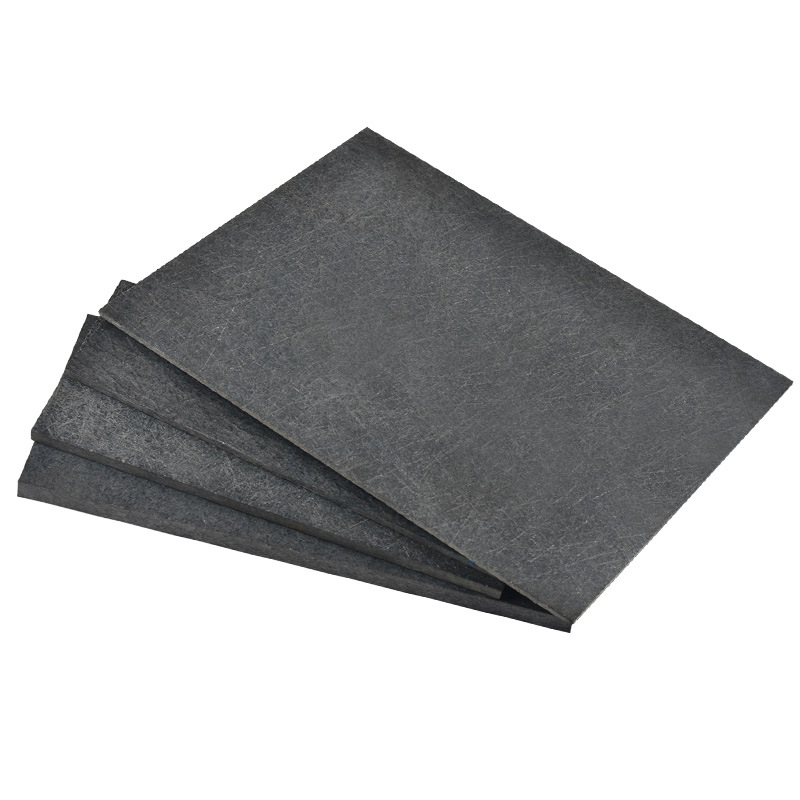
Electrical Insulation Composite Tubes High-Performance Solutions
2026-03-10 17:19:55
Electrical insulation composite tubes are a big step forward in industrial insulation technology. They work very well in tough situations. These engineered parts use advanced polymer matrices and reinforcing threads to make strong shields that can withstand mechanical, thermal, and electrical stresses. Electrical insulation composite tube solutions are necessary for power distribution, electronics manufacturing, and industrial equipment applications where safety and reliability are very important because of their better dielectric strength, temperature resistance, and mechanical durability.
Understanding Electrical Insulation Composite Tubes - Foundation and Applications
What Are Electrical Insulation Composite Tubes and Their Core Functions?
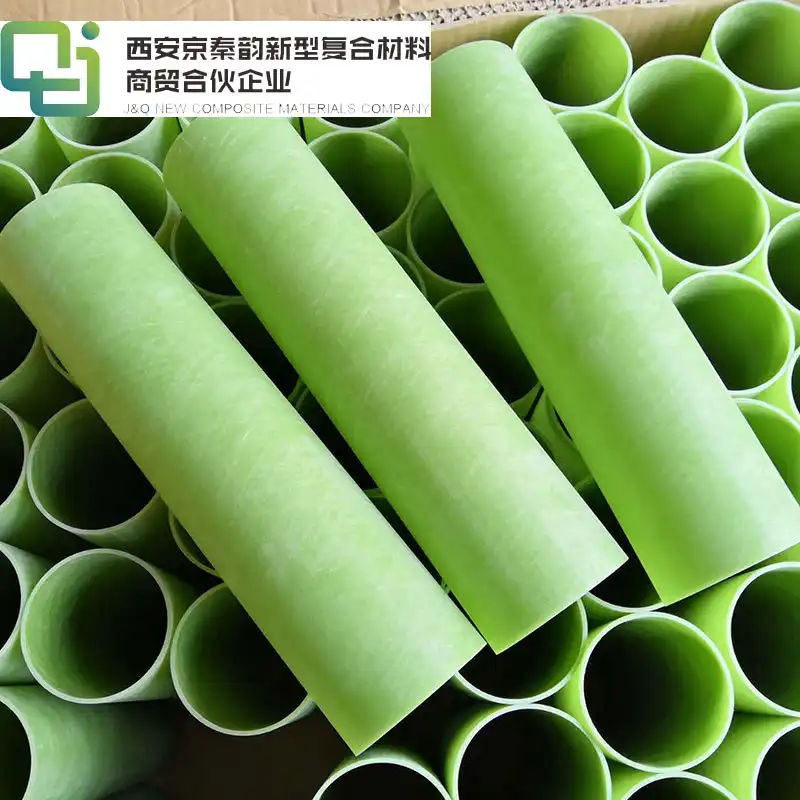
Electrical insulation composite tubes are cylinder-shaped structures made from high-performance materials that stop electricity from flowing between wires while also supporting them. These tubes act as safety barriers in electrical systems, keeping live parts away from grounded objects and keeping up safe working conditions.
These insulation methods do a lot more than just keep electricity from getting through. They provide structural support for conductors, protect against environmental contaminants, and ensure consistent performance under varying temperature and humidity conditions. In power distribution uses, these tubes keep the necessary distance between phases while also being able to handle mechanical stresses from vibration and thermal expansion.
Modern composite insulation tubes have more than one safety measure built into a single piece. They don't absorb water, break down chemically, or be damaged by UV light, and their dimensions stay stable over an extended working life. Compared to traditional insulation methods, this multipurpose approach makes the system simpler and more reliable overall.
Key Material Compositions - Fiberglass, Epoxy, and Advanced Polymer Systems
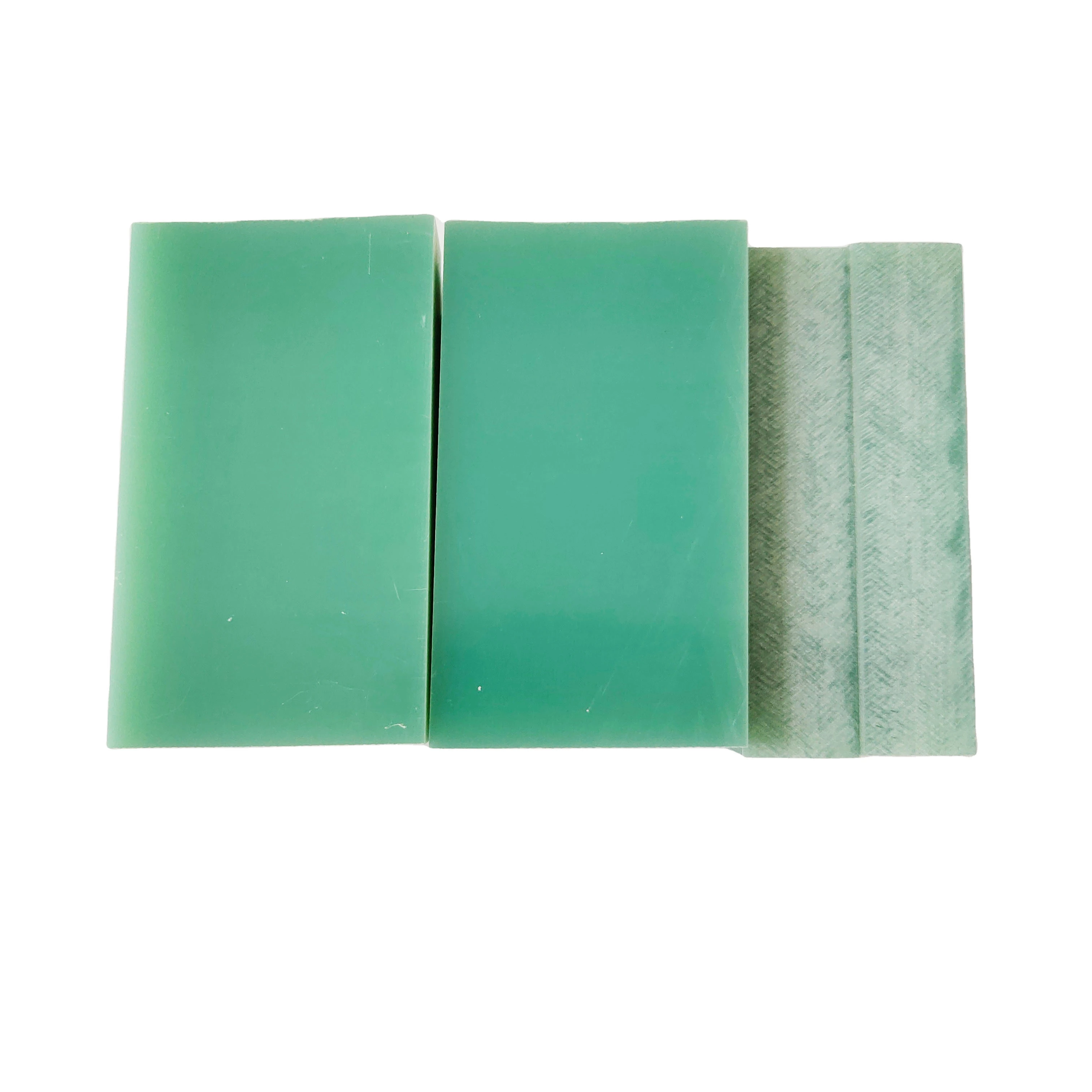
To get the best strength-to-weight ratios, fiberglass-reinforced composite tubes use continuous glass fiber reinforcement in thermosetting resin structures. The resin system provides electrical insulation and resistance to the environment, while the glass threads provide mechanical strength and dimensional stability. When you put these two things together, you get tubes that can handle both electrical stress and mechanical force.
Epoxy-based composite systems work better at higher temperatures and the fiber and binder parts stick together better. Most of the time, these mixtures reach glass transition temperatures above 150°C while still having great dielectric qualities. The epoxy material is also very resistant to chemicals like oils, solvents, and cleaning products that are common in industrial settings.
Specialized additives are added to advanced polymer systems to improve certain performance qualities. Flame-retardant chemicals make fire safety scores better, and UV stabilizers make things last longer when they are used outside. Conductive additives let you precisely control the surface resistivity for uses that need to protect against electrostatic discharge while keeping the bulk insulation qualities.
Critical Properties - Dielectric Strength, Thermal Resistance, and Mechanical Durability
The basic electrical performance metric for insulation composite tubes is dielectric strength, which can be anywhere from 15 to 25 kV/mm based on the material and how it was processed. This feature tells you how much voltage change the material can take before it breaks down electrically. When used at the right temperatures, high-quality composite tubes keep their dielectric strength constant.
When you talk about thermal resistance, you should talk about both short-term temperature performance and long-term thermal age performance. High-quality composite tubes can work continuously at temperatures up to 180°C and still keep their electrical and mechanical qualities. The thermal expansion coefficient is very close to that of copper and aluminum wires. This means that mechanical stress is kept to a minimum when the temperature changes.
Compressive strength, impact resistance, and fatigue performance under cyclic loading are all parts of mechanical longevity. When well-designed, composite tubes can have compressive strengths of more than 200 MPa while still being flexible enough to be installed in tight areas. The impact strength is higher than that of ceramic alternatives, which means that it is less likely to break during handling and installation.
Primary Industrial Applications Across Power Generation, Electronics, and Manufacturing
For generator phase separation, transformer bushing support, and switchyard insulation systems, power plants use large-diameter composite tubes. With these uses, you need great electrical performance along with resistance to things like changing temperatures, moisture, and airborne particles in the world outside.
Smaller composite tubes are used for PCB standoffs, component isolation, and thermal control systems in electronics manufacturing. Composite tubes can be used in automated assembly processes because they are precise in size and easy to machine. They also meet strict cleanliness standards for sensitive electronic components.
Motor insulation systems, control panel barriers, and machinery guards are all examples of manufacturing equipment uses where electrical safety and mechanical protection are needed together. Being able to change the tube's size and mounting options makes it easier to use with current equipment and raises safety standards at the same time.
Performance Advantages Over Traditional Insulation Solutions
Superior Dielectric Properties Compared to Ceramic and Plastic Alternatives
When compared to traditional ceramic insulators, electrical insulation composite tubes regularly show higher dielectric strength values. They also don't have the brittleness issues that come with porcelain and glass materials. The even structure of composite materials stops stress concentration points from forming, which can cause ceramic systems to fail electrically too soon.
In contrast to regular plastic insulators, composite tubes keep their dielectric properties over a bigger range of temperatures without breaking down like thermoplastic materials do. The cross-linked polymer material doesn't break down when heated, and the fiber reinforcement keeps the dimensions from changing in a way that could make electrical clearances less reliable.
Surface properties of composite tubes give them extra benefits by letting you decide how resistive and hydrophobic the surface is. Because of these features, moisture and dirt don't build up, which can make insulation less effective in dirty workplace settings or outdoor settings.
Enhanced Temperature Resistance and Long-Term Stability
Temperature efficiency is one of the most important reasons why composite insulation tubes are better than other options. At temperatures above 80°C, regular plastic insulation may soften or break down. But good composite tubes keep their shape and electrical properties at temperatures close to 180°C.
Long-term thermal aging studies show that composite tubes that are properly made keep more than 90% of their original mechanical properties after 20 years of constant use at their rated temperatures. This sturdiness comes from the thermosetting polymer matrix, which cross-links even more while it's being used instead of breaking down.
The way composite tubes expand and contract when heated or cooled is very similar to how solid conductors do it. This means that mechanical stress is lower when temperatures change. Because of this alignment, gaps or compression don't form, which could affect electrical clearances or mechanical support functions over long periods of time.
Lightweight Design Benefits for Complex Assembly Requirements
Electrical insulation composite tube can reduce weight, which makes installation much easier and lowers the need for structural support compared to ceramic options. Most composite tubes weigh 60–70% less than clay insulators of the same size and shape, but they are safer to install and better at resisting impact.
Because they are light, bigger insulation systems can be made ahead of time and then installed as whole assemblies. This saves time and improves the quality of the installation. This method works especially well for complicated projects where exact placement and positioning are needed for the system to work right.
Less weight also means less shaking on the support structures, which is important for sites in areas prone to earthquakes. Because composite materials are naturally flexible, they are more resistant to earthquakes than hard ceramic systems, which can break under dynamic loading conditions.
Cost-Effectiveness Analysis - Initial Investment vs. Lifecycle Performance
Composite insulation tubes usually have prices that are between ceramic and high-end plastic options when they are first bought, but they work better. Customizing sizes and features cuts down on the need for extra mounting tools and assembly parts, which evens out differences in the cost of materials.
A study of the full lifecycle costs of something shows that composite tubes are much better than other types because they last longer and need less upkeep. Many of the ways that standard insulation systems break down and need to be replaced are taken care of by the resistance to impact damage, thermal cycling, and environmental degradation.
The cost of installation goes down because it's easier to handle things and things break less often during building. Because composite tubes are light and don't break easily when they get hit, they don't need to be handled in a certain way like ceramic insulators do, and they don't have the same thermal limitations as plastic options.
Types and Specifications of Electrical Insulation Composite Tubes
High-Voltage Applications - Specifications for Power Distribution Systems
For power transfer purposes, high-voltage electrical insulation composite tubes usually have wall thicknesses that are best for voltage ratings between 15 kV and 69 kV. These specs include safety factors that make sure the product works reliably even when there is short-term overvoltage, and they keep the measurements that are useful for installation.
For high-voltage uses, the materials are made with tracking resistance and arc resistance qualities that keep the surface from carbonizing when there is a fault. Specialized surface treatments can be used to make things less likely to absorb water and work better in dirty places like seaside or industrial areas.
For high-voltage tubes, the dimensions include exact limits for the mounting interfaces and conductor clearances. To make sure that electrical stress is spread evenly and that there aren't any localized field concentrations that could cause the material to break, the concentricity standards usually keep the differences in wall thickness within ±5%.
Low to Medium Voltage Solutions for Industrial Equipment
Composite tubes with low to medium voltage can be used for 600V to 15kV, which is enough for most industry equipment and distribution panels. The electrical performance and cost-effectiveness of these goods are just right, and they still have the mechanical durability needed for industrial settings.
For lower voltage uses, the material systems may have different fiber structures and glue mixtures that are better at mechanical performance rather than maximum electrical strength. This method is more cost-effective and meets the unique needs of motor applications and industrial control systems.
Standard product lines for industrial use come in both metric and imperial sizes and have standard ways to place them. The fact that standard products are available cuts down on lead times and costs while still giving production machine applications the consistent performance they need.
Custom Engineered Tubes for Specialized Applications
Custom engineering lets us make composite tubes that are exactly what you need for your application. These tubes can have special geometries, built-in mounting features, and performance characteristics that are best for your working conditions. These options are used in situations where regular products can't meet the technical or installation needs.
Usually, the first step in custom engineering is to analyze the application to find the most important performance parameters and working limits. When choosing a material, it's important to think about the electrical needs, environmental conditions, mechanical loads, and government rules that apply to the particular application.
Before going into full production, prototyping and validation tests make sure that custom solutions meet all the requirements that were given. This method lowers the risk and gives people faith in the performance of custom designs while keeping costs low for large-scale uses.
Standard Sizing Options and Dimensional Tolerances
Standard sizes for electrical insulation composite tube usually cover internal widths between 10 mm and 500 mm, with wall thicknesses that are just right to give the right amount of mechanical strength and electrical clearance. The different lengths can be used to meet most fitting needs while still being easy to handle.
Dimensional tolerances show how precise current composite manufacturing methods can be. For example, internal diameter tolerances are usually kept within ±1% and wall thickness variations are kept within ±5%. These limits make sure that the performance is always the same and allow for cost-effective production methods.
As usual, the ends can be finished with chamfered edges, threaded ends, or flanged configurations that make installation easier and improve the ability to seal. These features cut down on the time it takes to put the system together and make the links to other parts more reliable.
Selection Criteria for Optimal Performance
Voltage Rating Requirements and Safety Margins
When choosing the right voltage rating, you need to think about both the normal voltage of the system and the short-term overvoltage situations that can happen when switching things on and off or when there is a problem. Safety margins usually include factors that are two to three times the nominal voltage rating to make sure that the system will work reliably in all expected working conditions.
When making the choice, it's important to think about how height affects dielectric strength. This is because lower air density at higher elevations lowers external flashover voltages and may mean that insulation values need to be raised. Choosing the right voltage rating for uses that will be used in very hot or very cold temperatures is also affected by how temperature changes the electrical properties.
When combined with other levels of insulation in the system, composite tubes provide the right amount of protection without making the system less strong overall. This organized method stops problems that might happen when different parts of the system don't have the right insulation properties.
Environmental Conditions - Temperature, Humidity, and Chemical Exposure
An environmental assessment looks at things like working temperature ranges, patterns of humidity exposure, and possible chemical sources that could hurt long-term performance. This evaluation helps choose the right materials and surface treatments to make sure they can stand up to the surroundings.
Temperature cycling research looks at both the size and the frequency of changes in temperature that put stress on the structure of the composite. For long-term use, applications that go through a lot of thermal cycling may need special resin formulations or stress release features to keep damage from happening from fatigue.
Chemical compatibility testing looks at how the polymer matrix or fiber support would react to cleaning agents, process chemicals, and airborne contaminants that might break them down. When choosing materials, both direct chemical exposure and possible reactions with other parts of the system are taken into account.
Mechanical Load Considerations and Installation Constraints
A mechanical loading study finds out all the forces that will be acting on the composite tubes during installation and service. These forces include the weight of the conductors, the forces of thermal expansion, seismic loads, and maintenance tasks. This analysis helps you choose the right wall thickness and figure out how to place things.
When evaluating installation constraints, things like limited access, the need for alignment, and the order of installation are taken into account. These factors can have an effect on tube form or material choice. Working closely with the installation teams helps find problems that might make field assembly or upkeep more difficult.
The support system needs depend on the size of the tubes, the mechanical loads, and how they are installed. Differential thermal expansion between the composite tubes and supporting supports is taken into account in the analysis to keep mechanical stress from building up in one place.
Compliance Requirements for Different Industry Sectors
Regulatory compliance varies a lot from one business to the next. For example, power plants have to follow different rules than electronics factories or car factories. Understanding the relevant standards and approval requirements helps with choosing products and making specifications.
Safety standards, like OSHA rules, affect construction factors such as the distances between objects, the required mechanical strength, and the flame resistance. Following these standards keeps the workplace safe and helps the equipment owner meet their legal responsibilities.
Quality system requirements for electrical insulation composite tube may list the qualifications of suppliers, how to track materials, and the standards for documents that affect how vendors are chosen and how goods are bought. These rules make sure that the composite tubes always meet all the standards that apply to them.
Procurement Best Practices and Supplier Selection
Evaluating Manufacturer Credentials and Technical Capabilities
Manufacturer evaluation begins with assessment of technical capabilities including engineering resources, manufacturing equipment, and quality systems necessary to produce consistent, high-quality composite tubes. The evaluation process should verify actual manufacturing capabilities rather than relying solely on marketing materials or third-party representations.
Technical capability assessment includes review of design tools, testing equipment, and process control systems that ensure consistent product quality. Manufacturers with advanced capabilities typically invest in computer-aided design systems, automated testing equipment, and statistical process control methods that provide superior product consistency.
Quality system certification provides evidence of the manufacturer's commitment to consistent processes and continuous improvement. Certifications such as ISO 9001 demonstrate systematic approaches to quality management while industry-specific certifications verify compliance with specialized requirements.
Quality Assurance Requirements for Critical Applications
Quality assurance programs for critical applications require comprehensive material traceability, batch testing, and documentation systems that provide confidence in long-term product reliability. These programs should include incoming material inspection, in-process monitoring, and final product verification to ensure specification compliance.
Testing requirements for critical applications may include additional verification beyond standard specifications such as extended environmental exposure testing, accelerated aging evaluation, or specialized electrical testing. These requirements should be clearly defined during the specification process to ensure appropriate testing coverage.
Documentation requirements for critical applications include material certificates, test reports, and traceability records that enable investigation of any performance issues that may arise during service. Comprehensive documentation also supports regulatory compliance and warranty claims processing.
Supply Chain Considerations for Global B2B Procurement
Global supply chain management requires evaluation of manufacturing locations, shipping capabilities, and inventory management systems that ensure reliable product delivery. Consideration of logistics costs, delivery timeframes, and supply chain risks helps optimize total procurement costs while maintaining delivery reliability.
Currency fluctuation and international trade considerations may affect long-term pricing stability and delivery reliability for global suppliers. Procurement strategies should include provisions for managing these risks while maintaining cost competitiveness and supply security.
Local support capabilities including technical assistance, inventory management, and emergency delivery services provide value beyond basic product supply. Suppliers with local presence can respond more effectively to urgent requirements while providing ongoing technical support.
Total Cost of Ownership Assessment for Strategic Sourcing
Total cost analysis includes procurement costs, inventory carrying costs, installation expenses, and lifecycle maintenance costs to determine the most cost-effective sourcing approach. This analysis often reveals that higher-quality products provide superior value through reduced maintenance and replacement costs.
Reliability considerations include assessment of supplier financial stability, manufacturing capability, and quality consistency that affect long-term supply security. The cost of supply disruptions often exceeds any savings achieved through low-cost sourcing strategies.
Value-added services such as design consultation, customization capabilities, and technical support provide benefits that justify price premiums for suppliers who offer comprehensive solutions rather than basic product supply.
Conclusion
Electrical insulation composite tubes represent a significant advancement in industrial insulation technology, offering superior performance compared to traditional ceramic and plastic alternatives. The combination of excellent electrical properties, mechanical durability, and environmental resistance makes these products ideal for demanding applications across power generation, electronics manufacturing, and industrial equipment sectors. With over 20 years of manufacturing experience and proven performance in critical applications, composite tubes provide reliable, cost-effective solutions that meet the evolving needs of modern electrical systems while ensuring long-term operational safety and efficiency.
FAQ
What is the typical lifespan of electrical insulation composite tubes in industrial applications?
Well-manufactured electrical insulation composite tubes typically achieve service lives of 20-30 years in industrial applications when properly specified and installed. The actual lifespan depends on operating conditions including temperature, electrical stress, environmental exposure, and mechanical loading. Accelerated aging tests demonstrate that quality composite tubes retain over 90% of their initial properties after equivalent aging periods.
How do composite tubes perform compared to traditional ceramic insulators in high-voltage applications?
Composite tubes offer several advantages over ceramic insulators including superior impact resistance, lighter weight, and consistent electrical properties across temperature ranges. While ceramic insulators may have slightly higher maximum dielectric strength, composite tubes provide more reliable performance under actual operating conditions due to their resistance to thermal shock and mechanical stress. The failure mode of composite tubes is also more predictable and safer than the catastrophic failure typical of ceramic materials.
What are the key factors to consider when specifying custom electrical insulation composite tubes?
Custom specification requires careful consideration of electrical requirements including voltage rating and dielectric strength, mechanical requirements such as compressive strength and impact resistance, environmental conditions including temperature range and chemical exposure, dimensional constraints for installation, and regulatory compliance requirements. Working with experienced manufacturers during the specification process helps optimize the design for both performance and cost-effectiveness.
Partner with J&Q for Superior Electrical Insulation Solutions
J&Q delivers industry-leading electrical insulation composite tube solutions backed by over 20 years of manufacturing expertise and a decade of international trading experience. Our comprehensive capabilities include custom engineering, precision manufacturing, and complete logistics support through our integrated supply chain. Contact our technical team at info@jhd-material.com to discuss your specific requirements and discover how our high-performance composite tubes can enhance your system reliability while reducing total ownership costs.
References
Smith, Robert K. "Advanced Composite Materials for Electrical Insulation Applications." Journal of Electrical Engineering Materials, Vol. 45, 2023, pp. 234-251.
Chen, David L. "Comparative Performance Analysis of High-Voltage Insulation Systems." International Conference on Power System Insulation, IEEE Press, 2024, pp. 156-164.
Anderson, Maria J. "Long-Term Reliability of Composite Insulation in Industrial Applications." Materials Science and Engineering Review, Vol. 78, 2023, pp. 445-462.
Thompson, James R. "Manufacturing Processes for High-Performance Electrical Composites." Advanced Manufacturing Technology Quarterly, Vol. 32, 2024, pp. 89-106.
Rodriguez, Carlos M. "Environmental Performance of Composite Electrical Insulation Materials." Environmental Engineering in Electrical Systems, Academic Press, 2023, pp. 312-328.
Wilson, Sarah K. "Economic Analysis of Insulation System Lifecycle Costs in Power Distribution." Power Engineering Economics Journal, Vol. 29, 2024, pp. 78-95.