Epoxy Fiberglass for Custom Insulation and Heat-Resistant Gaskets
2026-03-09 17:17:37
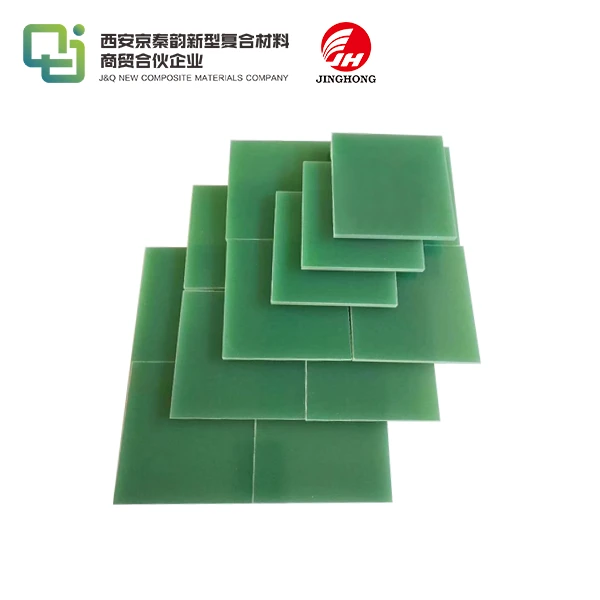
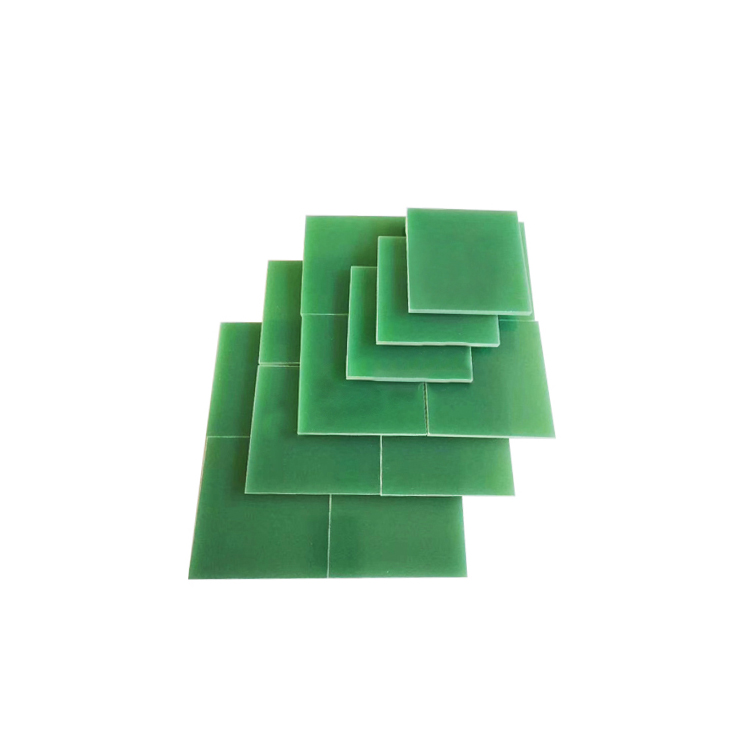
For custom insulation and heat-resistant gaskets, epoxy fiberglass is an important engineering solution that meets the high performance needs but has material limits in industrial settings. These composite materials use advanced epoxy resin systems to join continuous-filament glass cloth. This makes an epoxy fiberglass sheet that is very strong in terms of dielectric strength, mechanical integrity, and thermal stability. Epoxy glass fiber sheet technology is the best way for manufacturers to get reliable insulation parts or precise gaskets that can keep their shape under harsh operating conditions. It offers the best balance of electrical isolation, structural durability, and the ability to make parts that are specific to different industries.
Understanding Epoxy Fiberglass Sheets: Properties and Performance Characteristics
What Are Epoxy Fiberglass Sheets and Their Core Composition?
Epoxy fiberglass sheets are industrial laminates made of continuous-filament glass cloth that have been mixed with an epoxy resin glue under high pressure. To make it, several sheets of woven glass cloth are stacked on top of each other, soaked in liquid epoxy resin, and then cured under controlled heat and pressure. This makes a single composite structure where the epoxy matrix provides chemical protection and electrical insulation and the glass fibers provide tensile strength and dimensional stability.
The glass cloth part is usually made up of E-glass fibers that are woven together in a plain weave pattern. This gives the material strength in more than one way. The epoxy resin system is made up of main resin compounds, hardening agents, and special additives that improve performance in certain areas, like flame protection or thermal conductivity. Between 150°C and 180°C are the temperatures that start chemical crosslinking processes that turn the liquid resin into a rigid, thermosetting plastic matrix.
Key Physical and Mechanical Properties
One of the main benefits of epoxy glass fiber materials in challenging situations is that they have better mechanical performance. The flexural strength of the composite structure is usually between 380 and 480 MPa, and the tensile strength can reach 310 to 380 MPa, based on the grade and fiber orientation. These mechanical qualities don't change much when the temperature does. This means they can be used for structural parts that are loaded and cooled many times.
The density of normal epoxy fiberglass sheets is between 1.8 and 2.0 g/cm³, which makes them stronger and lighter than metal options. The material's compression strength is usually higher than 415 MPa, and it doesn't wear down easily when loaded and unloaded many times. Because it absorbs very little water (usually less than 0.15% by weight), the mechanical qualities stay the same in damp working conditions.
Electrical Insulation Performance and Dielectric Strength
Epoxy fiberglass sheet is very useful for power distribution and electronic uses because of its electrical insulation capabilities. The dielectric strength is usually between 15 and 20 kV/mm, which makes it a good way to separate voltages in high-voltage equipment. The volume resistance is higher than 10³⁴ ohm-cm, which means that very little current will leak through the structure of the material.
The dielectric constant stays mostly the same over a wide range of frequencies. At 1 MHz, it usually lies between 4.5 and 5.5. Because they are stable, epoxy glass fiber sheets can be used in RF and microwave uses that need to have consistent electrical properties. The dissipation factor stays low, usually below 0.035. This keeps signal loss in electrical circuits to a minimum and lowers the amount of heat produced by dielectric heating effects.
Temperature Resistance Range and Thermal Stability
Different grades of epoxy fiberglass materials have very different thermal performance properties. Standard G10 grades keep their mechanical and electrical qualities at temperatures up to 130°C when they are used continuously, and they can handle temperatures up to 180°C for short periods of time. FR4 grades can usually handle continuous temps up to 140°C and keep their flame-retardant properties throughout the whole range of temperatures they can handle.
For high-temperature uses, the glass transition temperature (Tg) is very important. It can be anywhere from 125°C to 170°C, based on the epoxy resin formulation. When the temperature drops below this point, the material keeps its shape and mechanical strength. The thermal expansion rate stays low, around 14 to 16 ppm/°C in the flat direction. This keeps thermal stress to a minimum in assembly settings.
Chemical Resistance and Environmental Durability
Epoxy fiberglass sheet can function consistently in abrasive industrial settings thanks to its chemical protection. Most organic solvents, weak acids, and alkaline liquids can't damage the epoxy matrix that has been cured. Because the material is chemically inert, it can be used in places where it will be exposed to hydraulic fluids, lubricating oils, and cleaning solvents that are common in industrial gear.
Environmental resilience includes more than just resistance to chemicals. It also includes stability under UV light and resistance to water. Stress cracking and changes in size that can happen in plastics that aren't strengthened are stopped by the glass fibers. Long-term exposure studies show that the properties of epoxy glass fiber sheets don't change much after years of use in outdoor settings. This means that they can be used to protect electrical equipment that is left out in the weather.
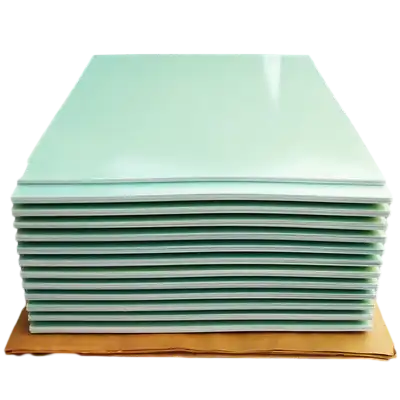
Epoxy Fiberglass Sheet Grades: G10 vs FR4 Specifications and Applications
G10 Grade Specifications and Performance Standards
When it comes to high-performance electrical shielding, G10 grade epoxy fiberglass is the gold standard. The NEMA G10 standards say that this grade must meet certain requirements for its mechanical strength, electrical properties, and stability in size. When compared to FR4, the material has better mechanical qualities. It has higher flexural strength and better dimensional stability under load.
To make G10 grade, strict rules must be followed for the amount of glue, the direction of the fibers, and the curing conditions. The resin content is usually between 35% and 45% by weight, which is the best mix between strength and electrical insulation. As part of quality control, tests are done to see how well the layers stick together and whether the electrical properties are the same across the whole thickness of the sheet.
FR4 Flame Retardant Properties and Safety Ratings
Flame retardant additives are added to FR4 grade products to make them safer in case of fire. The letter "FR" means that the material meets the flammability standards of UL 94 V-0, which means that it will put out its own fire within a certain amount of time when exposed to flames. For electronic tools and electrical panels where fire safety is a key design requirement, this feature is a must.
Adding halogenated chemicals or phosphorus-based additives to the epoxy resin system makes it less likely to catch fire. These additives stop the burning process by releasing gases that put out the flame or by making layers of protective char. While flame retardant properties make things safer, they may make the material a little less strong than normal G10 grades.
Industrial Grade vs Standard Grade Comparison
When compared to standard business grades, industrial grade epoxy fiberglass sheets go through stricter quality control measures and must meet stricter specifications. The electrical qualities of these materials are more consistent, there are fewer empty spaces in them, and the surface finish is better. Industrial grades usually cost 15–25% more than normal grades, but they are more reliable for important uses.
When high mechanical stress or harsh environmental conditions are present in demanding uses, the differences in performance between industrial and standard grades become clear. Industrial grades have better resistance to fatigue, better resistance to thermal shock, and more uniform machining properties. Better stability from batch to batch is another benefit of better quality control. This is especially important for high-volume manufacturing.
Thickness Options and Standard Dimensions Available
Epoxy fiberglass sheet is available in a variety of thicknesses, from 0.5 mm to 25 mm, to meet the needs of various applications. Thicknesses like 1.0mm, 1.5mm, 3.0mm, 5.0mm, and 10.0mm are common and easy to find in stock. For specific uses, custom thickness options can be made, but there are usually minimum order quantities and longer wait times.
Standard sizes for sheets in the business are 1000mm x 1000mm and 1200mm x 1000mm. For some uses, larger formats up to 1500mm x 3000mm are available. Custom sheet sizes can be made because of the way the product is made, but standard forms make the best use of the material. Most of the time, thickness margin is between ±0.1mm and ±0.3mm for thin sheets and thicker materials.
Quality Certifications and Compliance Standards
Quality certifications make sure that epoxy fiberglass sheets meet the rules and requirements of their business. UL certification makes sure that electrical safety applications are safe, and RoHS compliance makes sure that electronic applications are safe for the world. When a factory gets ISO 9001 certification, it shows that it has consistent quality management methods.
Specialized standards, like MIL-I-24768 or ASTM specifications, must be met for military and aerospace uses. These guidelines spell out exact ways to test for things like mechanical strength, electrical functionality, and resistance to the environment. Certificate of compliance paperwork goes with materials that are going to be used in important ways, so they can be tracked and quality is guaranteed.
Custom Insulation Applications: Engineering Solutions Across Industries
Electrical Panel Insulation and Switchgear Applications
To insulate an electrical panel, you need materials that are strong at conducting electricity, long-lasting, and stable in size. Epoxy fiberglass sheets work great in these situations because they reliably separate voltages and keep their shape even when they are under a lot of mechanical stress. Because the material doesn't absorb much water, its electrical properties don't get worse in humid places like industrial buildings.
For use in switchgear, materials must be able to survive arc fault conditions and keep the insulation's integrity during fault events. Epoxy glass fiber materials are thermally stable, which means they can handle short changes in temperature during electrical problems without breaking. Custom machining lets you make insulators with complicated forms that fit certain switchgear designs and still have the right amount of electrical clearance.
Motor and Transformer Insulation Components
Epoxy fiberglass sheet is used to make motor insulation parts that protect against heat and keep electricity from getting to moving parts in rotating machines. Because the material doesn't easily break or vibrate, it can be used in situations where it needs to work continuously and be loaded and unloaded quickly. These materials can be used to make slot fillers, phase barriers, and wedges that help motors last longer.
When used in transformers, insulation materials need to be able to handle both electrical stress and changes in temperature over the course of the equipment's life. Epoxy glass fiber sheets don't get tracked or worn down by partial discharge activity, which are common ways for high-voltage transformers to fail. Because the material is dimensionally stable, mechanical assemblies don't come loose during periods of thermal expansion and contraction.
High-Voltage Equipment Protection Solutions
Specialized insulation parts are used to keep electrical energy in check and keep people safe from dangerous voltages in high-voltage equipment security. The dielectric strength needed for these uses is met by epoxy fiberglass sheets, which also have better mechanical qualities than ceramic insulators. Impact resistance in the material keeps it from breaking down completely due to mechanical damage.
Flame-resistant epoxy glass fiber materials are used to make arc barriers and blast shields that protect against faults while keeping the structure's integrity. Because the material burns itself out, arc problems can't spread through electrical equipment. Custom fabrication lets you make complicated barrier shapes that make the best use of electrical clearances and equipment accessibility.
PCB Substrates and Electronic Assembly Applications
One of the biggest uses for epoxy fiberglass products is as a substrate for printed circuit boards. The electrical qualities of the material make it stable for sending signals, and its dimensional stability makes sure that the shape of the circuit traces stays stable. High-density circuit layouts with fine-pitch component mounting are possible when the surface is smooth and the width is the same all over.
The material is good for electronic assembly because it stays stable at high temperatures during soldering and doesn't react badly with chemicals like flux residues and cleaning agents. When the temperature changes, the low rate of thermal expansion keeps the stress on mounted parts to a minimum. Custom drilling and machining skills let you make precise mounting holes and complicated board shapes.
Aerospace and Defense Insulation Requirements
For aerospace uses, you need materials that can keep working well even when they are exposed to harsh environments like changing temperatures, vibration, and aviation fuels and hydraulic fluids. For these tough jobs, epoxy fiberglass sheets are the best choice because they are light, strong, and resistant to the elements.
For defense purposes, materials often need to meet strict military standards for flame resistance, chemical resistance, and steadiness in size. Because the material is resistant to nuclear radiation, it can be used in nuclear-powered ships and buildings. For defense uses, the paperwork that is needed is traceability documentation and quality certifications.
Heat-Resistant Gasket Manufacturing: Design Considerations and Best Practices
Temperature Rating Selection for Gasket Applications
Temperature rating selection represents a critical design parameter that determines long-term gasket performance and service life. Standard epoxy fiberglass materials operate reliably at continuous temperatures up to 130°C for G10 grades and 140°C for FR4 grades. These temperature limits reflect the point at which mechanical properties begin to degrade significantly, though short-term exposure to higher temperatures may be acceptable.
Gasket applications involving cyclic temperature exposure require careful consideration of thermal fatigue characteristics. The material's coefficient of thermal expansion must be compatible with mating surfaces to prevent excessive stress concentration during thermal cycling. Design engineers should account for the cumulative effects of thermal aging, which can gradually reduce mechanical properties over time even at temperatures below the maximum rating.
Machining Guidelines for Precision Gasket Cutting
Precision gasket cutting requires specialized machining techniques that account for the abrasive nature of glass fiber reinforcement. Carbide tooling provides optimal tool life and surface finish quality when machining epoxy glass fiber materials. Cutting speeds should be optimized to minimize heat generation, which can cause local resin degradation and dimensional inaccuracy.
Water jet cutting offers advantages for complex gasket geometries and tight tolerances, producing smooth cut edges without heat-affected zones. Laser cutting may be suitable for thin materials but can cause edge carbonization that affects sealing performance. CNC machining provides excellent dimensional control but requires proper dust collection systems to manage glass fiber particles generated during cutting operations.
Surface Finish Requirements and Quality Control
Surface finish quality directly impacts gasket sealing performance and long-term reliability. Machined surfaces should be free from delamination, fiber pull-out, and resin smearing that can create leak paths or stress concentration points. Surface roughness typically ranges from 1.6 to 6.3 micrometers Ra, depending on the specific sealing application and mating surface characteristics.
Quality control procedures should include dimensional inspection using coordinate measuring equipment and surface finish verification using profilometry. Visual inspection under magnification can identify surface defects such as voids, delamination, or machining damage. Edge quality inspection ensures that cut surfaces are perpendicular and free from chips or fiber fraying that could compromise sealing performance.
Compression Set Resistance and Long-term Performance
Compression set resistance determines how well a gasket maintains sealing force under sustained loading conditions. Epoxy fiberglass materials exhibit excellent compression set resistance compared to organic gasket materials, maintaining dimensional stability under loads up to 70% of the ultimate compressive strength. This characteristic enables reliable sealing performance throughout extended service intervals.
Long-term performance evaluation involves testing under simulated service conditions including temperature cycling, chemical exposure, and sustained compression loading. Accelerated aging studies provide insight into property degradation rates and enable prediction of service life under actual operating conditions. Proper gasket design includes sufficient safety margins to account for property degradation over the intended service life.
Custom Gasket Design and Engineering Support
Custom gasket design requires consideration of multiple factors including operating conditions, mating surface characteristics, and assembly constraints. Engineering support services help optimize gasket geometry, material selection, and installation procedures to achieve reliable sealing performance. Finite element analysis can predict stress distribution and identify potential failure modes during the design phase.
Prototyping capabilities enable validation of gasket designs before committing to production tooling. Testing under simulated service conditions verifies sealing performance and identifies opportunities for design optimization. Technical documentation includes installation procedures, torque specifications, and maintenance recommendations that ensure optimal gasket performance throughout the service life.
Conclusion
Epoxy fiberglass sheets provide exceptional solutions for custom insulation and heat-resistant gasket applications across diverse industrial sectors. The combination of superior electrical properties, mechanical strength, and thermal stability makes these materials indispensable for electrical equipment, industrial machinery, and precision manufacturing applications. Understanding the distinctions between G10 and FR4 grades, proper material selection criteria, and optimal machining techniques enables engineers to specify the right material for their specific requirements while achieving reliable long-term performance.
FAQ
What thickness of epoxy fiberglass sheet should I choose for electrical insulation applications?
Thickness selection depends on your voltage requirements and application specifications. Low-voltage applications under 1kV typically require 1-3mm sheets, while medium voltage applications from 1-35kV benefit from 6-12mm thickness. High-voltage applications may need custom thickness calculations based on dielectric strength requirements and safety factors. Consider mechanical support requirements and available mounting space when making the selection.
Can epoxy fiberglass sheets be used continuously at high temperatures?
Standard G10 grade materials operate continuously at temperatures up to 130°C (266°F), while FR4 grade typically handles up to 140°C (284°F). Short-term exposure to higher temperatures may be acceptable depending on the specific application. Applications requiring higher continuous temperature resistance should consider specialized high-temperature grades or alternative materials such as polyimide composites.
What's the difference between G10 and FR4 epoxy fiberglass sheets for gasket applications?
G10 offers superior mechanical strength and dimensional stability, making it ideal for precision gaskets requiring tight tolerances. FR4 provides flame retardant properties essential for applications requiring fire safety compliance. Both grades offer excellent chemical resistance, though G10 typically provides better long-term compression set resistance and dimensional stability under mechanical loading.
How do I ensure quality when sourcing epoxy fiberglass sheets from suppliers?
Look for suppliers with ISO 9001 certification and request material test certificates for each batch. Verify UL listings for electrical applications and ensure compliance with relevant industry standards. Always test samples before placing bulk orders and verify that suppliers can provide complete traceability documentation. Establish quality agreements that define acceptance criteria and testing requirements.
Partner with J&Q for Premium Epoxy Fiberglass Sheet Solutions
J&Q stands as your trusted epoxy fiberglass sheet manufacturer, combining over 20 years of production experience with more than 10 years of international trading expertise. Our comprehensive understanding of electrical insulation materials enables us to deliver precisely engineered solutions that meet your most demanding specifications. Through partnerships with leading domestic and international trading companies, we have refined our manufacturing processes and quality systems to exceed industry standards consistently.
Our integrated logistics capabilities provide true one-stop service from material selection through delivery, eliminating supply chain complexity and reducing your procurement costs. When you need reliable epoxy fiberglass sheet supplier performance, technical expertise, and responsive customer service, J&Q delivers the solutions that keep your operations running efficiently. Contact our engineering team at info@jhd-material.com for technical specifications, custom quotes, and sample requests that demonstrate our commitment to your success.
References
NEMA Standards Publication LI 1-1998: Industrial Laminated Thermosetting Products. National Electrical Manufacturers Association, 1998.
IPC-4101: Specification for Base Materials for Rigid and Multilayer Printed Boards. Institute for Printed Circuits, 2017.
ASTM D229-14: Standard Test Methods for Rigid Sheet and Plate Materials Used for Electrical Insulation. ASTM International, 2014.
UL 94: Standard for Tests for Flammability of Plastic Materials for Parts in Devices and Appliances. Underwriters Laboratories, 2013.
IEEE 930-2004: IEEE Guide for the Statistical Analysis of Electrical Insulation Breakdown Data. Institute of Electrical and Electronics Engineers, 2005.
MIL-I-24768/28: Military Specification for Insulation Sheet, Electrical, Glass Cloth, Melamine Resin. United States Department of Defense, 1991.
_1732777843529.webp)