Phenolic Cotton Board: How to Check Thickness and Machining Quality
2026-11-05 17:12:02
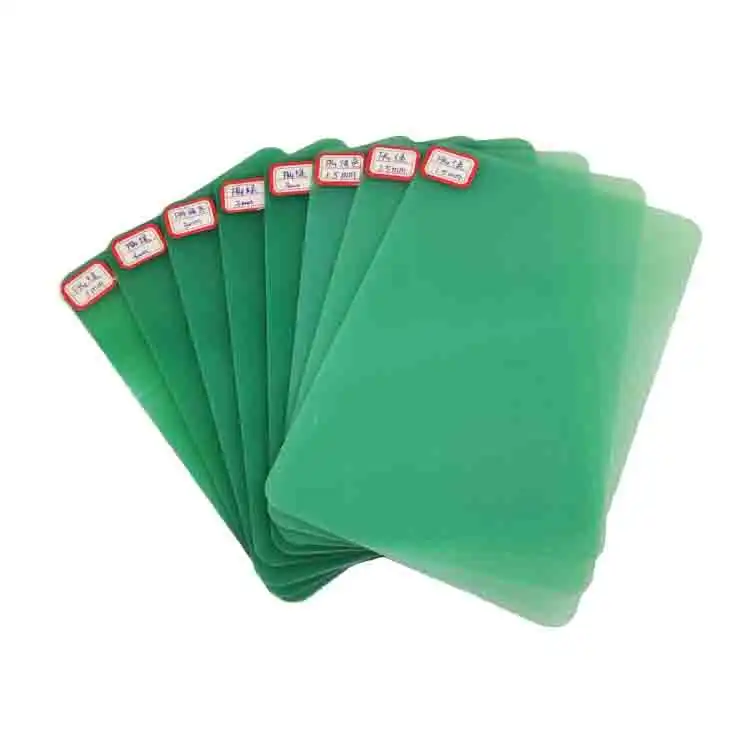
To check a phenolic cotton board, I measure thickness at several points with a calibrated micrometer, compare each reading with the agreed tolerance, and then inspect flatness, edges, and surface condition. For machined parts, I measure critical dimensions, holes, slots, and burrs against the approved drawing. A phenolic cotton board can look fine on arrival and still cause trouble if thickness drifts or cut edges chip. This guide lists the checks I use, the tools each one needs, and the records worth requesting before you approve a production order.
Phenolic cotton board is a laminate made from cotton fabric impregnated with phenolic resin under heat and pressure. Engineers use it for insulating spacers, gears, bushings, and wear parts. At J&Q, we have produced and sold insulating sheets for more than 20 years, so the checks below come from daily work with electrical, machinery, power, automotive, and appliance buyers.
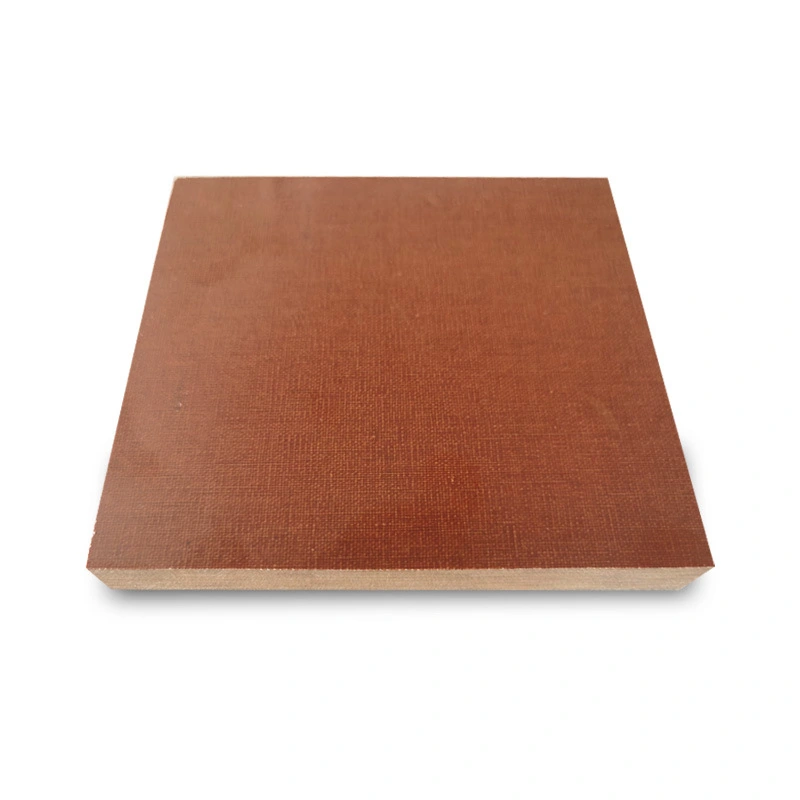
Confirm the Phenolic Cotton Board Grade Before Inspection
Match the Grade to the Application
The grade is picked before any readings are made. Fine-weave grades, like 3025, use cotton cloth with a fine count. Fine-tooth gears are a good example of a part that needs smooth sides and a precise shape. People say that the 3025 grade is the same as both IEC PFCC202 and NEMA grade LE. It costs less and has a coarse weave like type 3026. But when it is cut, it leaves a harder surface. It works well for parts that will be hit hard. Most of the time, a fine weave will look better if your picture shows small teeth, thin holes, or edges that stay close together. A rough weave might be enough if the part is big and gets hit hard. The grade should be written on the order so that it starts with the right number when it is checked.
Read the Technical Data
After that, I read the technical data sheet line by line. A typical phenolic cotton board weighs between 1.35 and 1.45 grams per centimeter squared and can pull apart more than 100 MPa. There must be at least 8.8 kJ/m² of Charpy flatwise impact strength in Grade C material. When the material is 1.5 mm thick, grade CE is said to take less water (less than 1.6%) and have an oil dielectric strength of about 5.5 kV/mm. I'll ask the source to confirm the grade and width they gave me because this is just a guess. Also, I'd like to know what kind of test is used. Laminated sheets can be used as a guide thanks to rules like ASTM D709, NEMA LI 1, and the IEC 60893 series.
Review Service Conditions
Even if the board is the right size, it won't work in that place. It's possible for phenolic cotton board to become less soundproof and swell a little more than epoxy glass FR4 if you are around them for a long time. Phenolic cotton board is used as support for transformers and control panels because it works well in mineral oil. At 120°C, it's only Class E, and if you leave the resin there for a long time, it can turn into carbonized rock and break. Acids that are very strong can also break it down. Before I give the OK, I write down the highest degree of heat, pressure, friction, humidity, chemical exposure, and electricity. Following that, I compare each one to the guide.
How to Check Phenolic Cotton Board Thickness, Flatness, and Surface?
Choose Tools and a Measurement Pattern
The right tools must be set up in order to measure thickness. I use a micrometer or a digital caliper for most sheets. I use a feeler gauge to check for gaps on a surface plate. A dial thickness gauge works well for bigger sheets. Check out ASTM D374 because it has standard ways to check how thick solid electrical insulation is. I never believe a single reading in the middle of the page. On big sheets, I measure in the center, four corners, the middle of each line, and a few other places. To begin, I clean the surface. Afterward, I keep putting stress on it and record each reading.
Compare Readings with Tolerance and Batch Data
After I measure a phenolic cotton board, I write down the average width, the ideal width, the minimum width, and the maximum width. After that, I check them against the drawing or work order. Just a little width is what we want. A tolerance tells you the acceptable range, and standards like NEMA LI 1 connect that range to the nominal thickness. Aside from that, I look at how different groups did. Adding more spacers that are bigger than the last one can change how hard it is to clamp, how far apart the insulation is, and how much room there is for cutting. This is how machinery builders feel in spacer stacks. Large amounts of small drifts add up when thousands of parts are being made. Trends can be seen right away with just a log of batch numbers and readings.
Inspect Flatness, Warpage, and Surface Condition
It's not good just because it's thick. A feeler gauge is used to check the edges of each sheet for bends or twists. The sheet is placed on a flat surface. Then I look at both sides in good light for holes, cracks, blisters, delamination, spots with a lot of resin, cloth that can be seen, scratches, and press marks. Small marks on the skin don't usually change how things work. Cracks, blisters, and delamination do because they make the part weaker and can cause the insulation to break. Things need to be stored too. Sheets should be kept in a dry place and laid flat on a box that is held up. They also need to be packed so that water and damage don't get in.
How to Evaluate Phenolic Cotton Board Machining Quality?
Check Dimensions Against the Approved Drawing
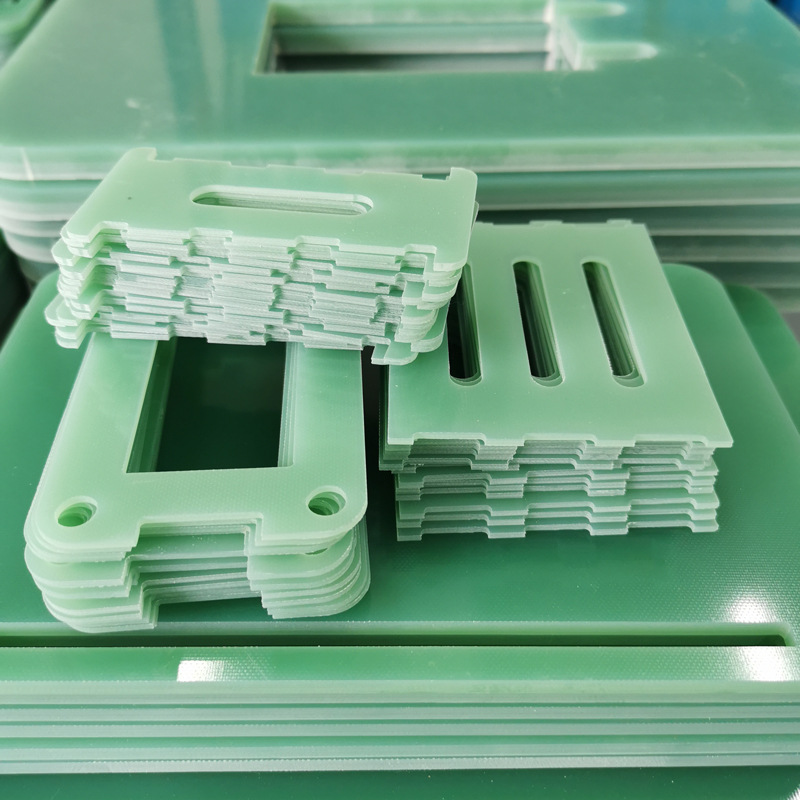
What does it matter to me how the work looks? It's important to me that it fits the approved engineering model well. The first things I measure are the most important ones: where the holes are, how wide the slots are, how thick the finished piece will be, and the distances between the centers. To measure the outside of things, you can use micrometers and calipers. To measure things that are hard to understand and have many parts, people use CMMs. Plug gages measure how big holes are, and height gages measure how high steps are. It doesn't make sense to measure an old version, so first I look at the new version of the picture. The last check isn't made until the parts are clean and free of any burrs or dust that might hide the size. I write down what the first piece and other samples from the same run say when they are done.
Spot Machining Defects Early
A lot of the time, there are flaws like burrs, chips, cracks, fiber pull-out, rough surfaces, smeared resin, tool marks, and burn marks. Most of them happen because the work isn't held properly, the tools are dull, or there is too much heat. Tungsten carbide tools work best with phenolic glue because it is rough, while cotton is soft. It is best to cut at high speeds and low feed rates to avoid too much heat and edge delamination. Fine-weave grades, like 3025, tend to have smoother teeth and cleaner ends than coarse-weave grades. When I review, I ask about CNC, drilling, turning, deburring, getting rid of dust, holding the piece in place, and making sure the first piece is okay. If you know what you want to happen, there is a good way to do things.
See How Thickness and Geometry Affect Performance
Things that are thick can be machined. If you change the width, the part will be in a different place, the insulation will be farther apart, and the binding pressure will be different. This means that bigger pieces bend less over the same support span because they are stiffer. This is important for gears and plates that are being used. Also, geometry is very important. Crevices can form quickly in places with sharp inside edges, thin walls, lots of holes close together, and not much space between the edges. When the function lets them, I tell designers to add curves and keep holes away from edges. Besides that, I separate limits that are important from those that are not. It costs more, takes longer, and there is a greater chance that the work will be thrown away. The tools also break down more quickly.
Inspection Checklist and Acceptance Process for B2B Buyers
Use a Three-Stage Checklist
The checklist tells each team what to look for and is made up of three parts.
• Material documentation: Check the grade, the amount of cotton reinforcement, the phenolic resin system, the thickness that was asked for, the sheet measurements, the batch number, and the technical data sheet for a phenolic cotton board. Test reports or certificates are needed for the job. Make sure you have them and compare them to the batch labels on each box before the materials arrive at your building. Make extra copies of the order.
• Incoming sheet inspection: Check all sides and faces of the sheet for cracks, boils, and delamination. Make sure the sheet is flat on a surface plate. Check the agreed-upon width. Make a list of all the things you have and check the boxes for water damage or crushed corners. Take shots of any problems right away so that when the provider answers, they have clear proof.
• Machined component inspection: It's best to compare each machined part to the most recent drawing to see how well it was made. We need to check the sizes, holes, slots, surface finish, cleaning, and getting rid of burrs. There should be a mark on each piece that tells you which batch of sheets it came from. As time goes on, if something goes wrong, your team will be able to quickly find the source and talk to the supplier about how to fix it.
This list makes sure that all testers use the same checks. This will help people agree on what is okay more of the time.
Avoid Common Quality Mistakes
It's clear that the worst part is the bad specs, not the material itself. If people only measure one point when they buy something, they miss a thick edge. Before getting the width from the book, they don't check the range. They just look at something to decide how good it is. Shops also choose amounts that heat the plastic too much when they drill or cut it. Also, a lot of people order CNC or custom-cut parts without checking the drawing first. This makes everyone think. You shouldn't buy something just because it's cheap. A low sheet price could hide the costs of things like repeat work, batches that are turned down, production delays, new freight, and line breaks. I believe you should look at the total cost of landing instead of just the sheet's price.
Approve Custom and Cut-to-Size Orders in Steps
I follow a set order when I cut phenolic cotton board to order. First, you need to pick the grade, thickness, tolerances, measurements, machined features, surface needs, standard for testing, and packing method. Next, look at a sample or first item to see how smooth it is, how thick it is, how accurate the measurements are, how good the edges are, and how well the pieces fit together. Set the rules for batch sampling, the most important measurements, and what to do if a part doesn't work. Then stick to them. There are checks made by the seller on the amount, labels, paperwork, and inspection results before shipping. Keep all of your records. They will help you figure out where to buy things in the future and speed up sales in the future. This method can be used on both parts that are already made and phenolic cotton board that has already been cut to size.
Choosing a Supplier and the Right Material
Evaluate a Phenolic Cotton Board Supplier
Lots of different things are done by a good supplier. They make materials, cut them, check their quality, share technical information, and handle exports. Find out if the seller can offer standard sheets, special forms, cut-to-size blanks, parts that are drilled or slotted, CNC-machined parts, and OEM runs that are repeated. Then, find out how it handles the raw materials, cutting, checking the thickness, checking the surface, final packing, and keeping track of each batch. If someone from another country wants to buy, they should also look at the export papers, how to keep the goods dry, how to ship things of different sizes, how to palletize, and when the goods will arrive. It is fair to compare things when there is an easy way to keep track of quality, skill, service, wait time, and total cost. J&Q has been around for over 20 years and has its own shipping company, so you can get everything you need there.
Compare Phenolic Cotton Board with Other Laminates
Because of how it will be used, not the brand name, it should be chosen. It is tougher and can handle impacts better than phenolic paper board, which is why it is a good choice for gears and bushings. Epoxy glass FR4 doesn't spread as much as phenolic cotton board, which absorbs more water. It can be made, though, without the chance of delamination that comes with glass-epoxy, and when it hits metal, it doesn't make a sound. FR4 is better for electrical parts that need to be waterproof and have correct measurements. That's why I always ask for the exact grade and datasheet when someone says something is phenolic laminate. It's my job to measure things so I can compare cotton sheets.
Decide When Phenolic Cotton Board Is the Right Choice
Phenolic cotton board works well for parts that need to hold weight and keep heat in. Spacers, bushings, washers, gears, guides, wear parts, and structural insulation parts are some of the most common ways they are used. It also keeps electrical panels, junction plates, and generator frames in place in gear that is full of oil. I believe the part needs a more thorough examination if it is regularly exposed to temperatures higher than its Class E grade of 120°C, strong alkalis, high amounts of moisture, very high impact, or very tight dimensional stability. Before you decide, you should think about how well it fits properly, how regular the thickness is, how well it was machined, how much it costs altogether, and when it will be sent to you. Everything works well when those things are in order.
Conclusion
First, make sure you have the right kind of phenolic cotton board for the job. Then, check the board's thickness against the range that was agreed upon several times. You need to check the sheet for more than just its width to get a good idea of how good it is. Look for flatness, warpage, and surface flaws as well. When you compare the machined parts to the approved model, look for burrs, chips, and fiber pull-out. Often, these mean the tool is broken, there is too much heat, or the support is bad. The part's shape and width affect how far the insulation goes, how well it clamps, how stiff it is, and how likely it is to break. It takes less time to turn around orders when they are approved one step at a time and a three-step checklist is used. The supplier is also reviewed in a way that looks at more than just the sheet price. We need to be more careful with it when it comes in contact with high temperatures, strong acids or bases, or a lot of water. It can be used for parts that need to be mechanically supported and insulated.
FAQ
How do I measure phenolic cotton board thickness?
Keep an eye on what a micrometer or digital scale says. Find the number that is least, most, and most often found in the middle, in the corners, and in the middle of the line. Check to see if they match the limits on your model or order.
Why is nominal thickness not enough?
Thickness is just the size that you want. Write down what range you want before you buy it and then compare the numbers you get to that range when they come in.
What causes edge chipping during machining?
Most things break because they are under too much heat, have dull tools, aren't supported well, or were cut in the wrong way. When you cut quickly with tungsten carbide tools and feed slowly, heat and edge delamination are less likely to happen.
Which documents should I request?
You need to get the inspection report, the technical data sheet, the proof of approval, and the batch records. To get hits for custom parts that are first in papers, you should also ask.
Is phenolic cotton board suitable for humid conditions?
Be careful when you use it. Phenolics soak up water, which can make your home less energy-efficient and cause little bumps to show up. Compare the number to the humidity level where you live.
Request a Phenolic Cotton Board Inspection and Supply Proposal
You can email J&Q at info@jhd-material.com to talk about what you need for phenolic cotton board. We're a company that sells phenolic cotton board. We have been trading with other countries for more than 10 years and making insulation sheets for more than 20 years. We also run our own transportation company. We can get the sheets to you and cut them to the right size so they can be sent abroad. Send your grade, width, picture, number, and any limits you want. To learn more, go to jhd-material.com.
References
1. NEMA LI 1, Industrial Laminated Thermosetting Products, 1998
2. ASTM D709, Standard Specification for Laminated Thermosetting Materials, 2017
3. ASTM D374/D374M, Standard Test Methods for Thickness of Solid Electrical Insulation, 2020
4. IEC 60893-1, Insulating Materials – Industrial Rigid Laminated Sheets Based on Thermosetting Resins for Electrical Purposes – Part 1: Definitions, Designations and General Requirements, 2004
5. IEC 60893-2, Insulating Materials – Industrial Rigid Laminated Sheets Based on Thermosetting Resins for Electrical Purposes – Part 2: Methods of Test, 2003
6. Handbook of Thermoset Plastics, 3rd Edition, 2014
_1764747988943.jpg)