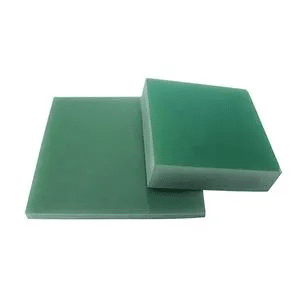
Synthetic Stone Carbon Fiber Panel: Buyer Checks for Heat Resistance
2026-11-05 17:11:57
Only if the resin, reinforcement, top layer, and installation all hold up in real-world use will a synthetic stone carbon fiber panel be heat-resistant. There should be five checks done before approval: the range of working temperatures, the make-up of the material, test reports that match, the way the material sticks or adheres, and the supplier's production control. Things that say "fire-resistant" or "carbon fibre" don't really show how well they work. There must be proof of the installation, the heat tests, and the fire tests. Engineers, buying managers, and OEM teams from all over the US can easily compare samples because this guide is written in simple language.
Define Heat Needs and Inspect the Panel Structure
Define the Heat-Resistance Requirements for Your Project
Every time I start a new job, I read the rules. Something that looks great on a pretty wall might not look good next to something hot. Write down the numbers that do and do not change. Write down how long each peak lasts as well. You can add direct flame, steam, chemicals, sunlight, freeze-thaw processes, and water to this list. A switching box, a soldering station, a battery pack barrier, and an appliance motor bracket are some of the things that put stress on the material in different ways. Make a list of things that can be used to judge its quality, such as how much the colour changes, how much the size changes, whether the surface cracks, whether the joints are strong, and whether the fire safety is good. These limits should be added to the deal's terms and conditions. When providers get a quote with clear numbers, they don't have to guess what the grade will be.
Check the Material Composition and Manufacturing Process
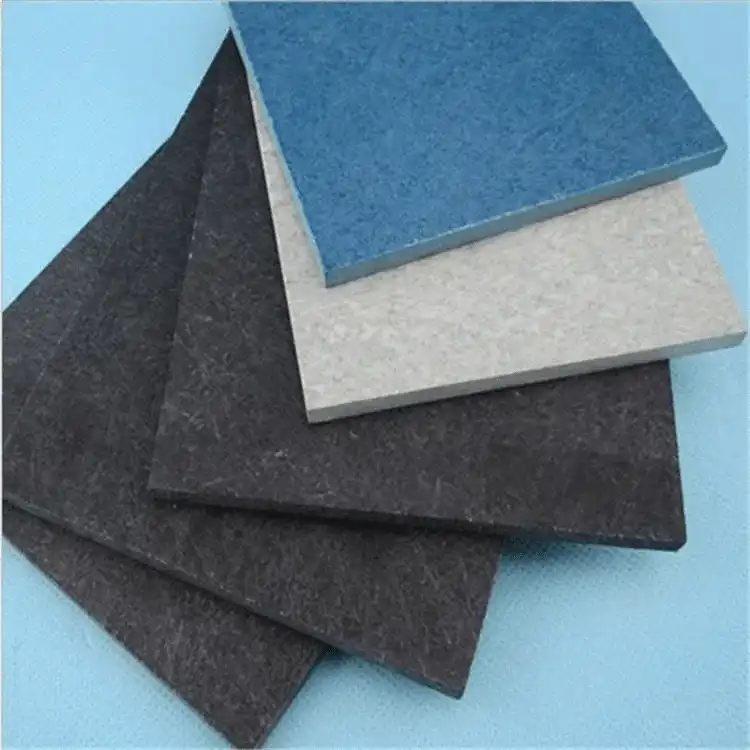
The names of buildings don't tell you anything about them. In this synthetic stone carbon fibre panel, there might be a top coat, a back coat, mineral fillers, resin binders, support layers, and a top coat. These parts make the panel hotter or cooler. It's easy to find the temperature at which heat waves bend with ASTM D648. Plus, you should learn how hot the resin gets and how long it takes to cool down. Our Synthetic Stone Sheet for sale is made with strong fibres and good epoxy glue. A lot of heat and pressure hold it in place. To make our black grade fibreglass mats stronger, carbon fillers are often added. Always check to see what kind of resin is being used. Find out how to change the sizes that can be made, how they harden, and how good the coating is. If there are holes in the stuff or it hasn't dried enough, it might bend, crack, or peel.
Verify Heat Resistance and Fire Performance with Test Evidence
Fire tests and heat tests look for different things. You should ask for the technical data sheet, records on temperature cycles or wear, information on how stable the sizes are, and information on how much water the material soaks up. The ASTM D570 method is often used to find out how much water something can hold. ASTM E84 tells us how fires spread and how much smoke gets into a home. EN 13501-1 spells out the rules that apply to the European market. They go from A1 to F. UL 94 tells us if a plastic used in electronics or home products is HB, V-2, V-1, V-0, 5VB, or 5VA. Before you print, make sure that each report fits on the page. What changes the results are the panel's width, finish, base, how it's fixed, and the amount of time it is exposed. You got a report on a different width, but your product does not pass. If the seller only says "fireproof," you should get a full test report.
Check Installation, Alternatives, and Long-Term Durability
Evaluate Installation Factors That Influence Heat Performance
If it is not put together correctly, even a good synthetic stone carbon fiber panel may not work. Check that the glue can handle being wet, heated, cooled, and wet again and again. So that things stay stable over time, it's important to leave room for growth, seal the sides, and carefully plan holes for tools and other things. It's important that the base is clean, dry, flat, and free of any oil or broken covers. If there is a lot of heat, you may need a heat shield, a hole that lets air flow, or a way to fix it mechanically. Write down how to put it together and what kind of glue works best. Ask the company that made it. Tools that are coated with solid carbide or diamond-like material and have a dust collector should be used to shape the fittings. This is since glass fibre is rough.
Compare Synthetic Stone Carbon Fiber Panels with Alternative Materials
Don't judge things by how they look or how much they cost. See how well they work when you add them instead. Because synthetic stone is lighter, easier to work with, has a more stable surface, and can be installed more quickly, it's possible that a carbon fibre panel made of it would be preferable to real stone. Plenic sheets, aluminium composite sheets, FR4 sheets, 3240 epoxy boards, and porcelain sheets are some of the different types of sheets. In their own ways, they all deal with things like fire safety, resistance to heat, resistance to force, and resistance to water. The Synthetic Stone Sheet generally lets 0.25 W/m·K of heat pass through it, based on what we know about it. Metal lights are heavy and keep heat away from the work area. As a grid, make sure that each candidate's test paper is the same in terms of width, support, core, finish, and finish. How much does it cost to heat, fire, protect, build, keep up, offer, and last forever?
Assess Durability, Maintenance, and Long-Term Performance
The first line of defence against heat is just the start. Let's say you hit the panel, scratch it, heat and cool it many times, and clean it with UV light, water, spots, and chemicals. See what it does. It's possible that a short test in the lab won't be the same as using it for years. Fluxes that mix with water don't harm our Synthetic Stone Sheet because they are made of weak acids, bases, and neutral organic solvents. Cleaners with a pH level above 11 are strong, though, and if you leave the plastic in hot water for a long time, it can break down over time. Make a list of what needs to be fixed or replaced, what can be cleaned, and how often it should be cleaned. How does the guarantee not help? Is it covered if it bends, changes shape, breaks, the glue doesn't work, or there were mistakes in the way it was made? You can also use this method for big or phased projects because it lets you match new orders with lots that were given before.
Evaluate Suppliers, Total Cost, and Decision Steps
Build a Supplier and Manufacturer Evaluation Checklist
Be sure you can trust the seller before you buy a lot of something or accept a sample. Follow these three steps.
- Paperwork and the ability to make things: Find out if they are a company, a seller, or a supplier. Also, make sure that the batch numbers, test results, and process control records match the finish and thickness you want. The seller can help you make a better comparison if they tell you how to fix, seal, and check.
- If you want to make something truly unique, make sure the service can cut to size, change the thickness, machine parts based on plans, and finish the edges. People who buy from OEMs should also ask about project packing, private branding, colour accuracy limits, and how to get samples approved. Get samples that are the same shape and size as the final product. They will help you make a lot of money after the test.
- How long you have to wait, how much it costs, the shipping options, and how quickly the technical team gets in touch with you are all things to think about. Wait times at the port and on the job site are cut down when there is a clear answer. You and your team will only have to talk to one person if your provider sends your goods and checks them for quality. It won't take longer for things to be made and delivered.
When you do these checks, you can buy things with less risk, and your team can look at quotes that are pretty much the same.
Calculate the Total Cost of Synthetic Stone Carbon Fiber Panels
You need to consider more than just the price per square metre if you want to know how much a synthetic stone carbon fiber panel costs. In the quote for the synthetic stone carbon fibre panel, you should include the size, thickness, reinforcement, finish, minimum order quantity, currency, price base, and Incoterms. The next step is to figure out how much it costs to buy glue and screws, get the base ready, cut, finish the sides, ship, work, waste, fix, and replace. If a cheaper panel breaks during shipping, needs to be fixed, or takes longer to set up, it could cost more. When it comes to business and high-traffic projects, things need to be packed well so they don't break or need to be fixed as often. Everyone should be able to quote on the same written needs. That will make the prices more similar.
Apply a Practical Buyer Decision Process
What you find should match the level of risk in the project. This is guaranteed by a tiered method. First, make sure the panel is right for the wall. It could be an inside wall, a kitchen wall, the front of a business building, an outside wall, or a hot spot. Step 2: See how well the papers stick together and how well they can handle fire, water, heat, changes in size, and wear on the surface. Step 3: Check out the examples, understand how to fit them, how long it takes, how they are packed, and how the customer service is after the sale. For low-risk jobs, how things look and how quickly they can be put together might be the most important things. For OEM projects, public buildings, and outdoor systems, more mock-ups and tests need to be made. You should only sign off on the end product if it meets your technical needs and the needs of your supply chain.
Avoid Common Mistakes and Match Data to Your Industry
Common Mistakes When Buying Heat-Resistant Synthetic Stone Carbon Fiber Panels
A lot of people make these four errors. People first think that a synthetic stone carbon fiber panel is fireproof by adding reinforcement, but reinforcement does not give a fire rating by itself. Second, they go with a maximum temperature without asking about the test conditions, the time of exposure, or the number of cycles. Third, they don't check how well the glue, base, joints, and sides work, even though these are the parts that make the system stable once it's put in place. Fourth, they only look at the price per square meter. They don't consider things like test costs, freight, waste, installation, or replacement. This is the fifth mistake: skipping data. If how something works or looks is important, make sure samples, prototypes, and mock-ups are okay before making a lot of them.
Heat and Mechanical Data to Request From Your Supplier
It's easier to compare things when they have numbers next to them. Our Industrial Synthetic Stone Sheet works best at temperatures between 260°C and 280°C, but it can handle being heated to 300°C to 350°C for 10 to 20 seconds. They are strong enough to bend over 500 MPa at room temperature and over 200 MPa at 250°C. This keeps heavy circuit boards from sagging. Walls as thin as 0.5 mm can be machined without breaking. ANSI/ESD S20.20 says that the surface resistance for controlled static discharge must be between 10^5 and 10^9 Ohms. The black grade needs less than 0.2% water. Ask anyone for the same numbers and the test that was used to get them.
Matching Panels to Your Industry
A lot of people who buy checks look at them in different ways. Things like dielectric strength, heat resistance, CNC machinability, and UL and RoHS documentation are important to people who make electronics. Machinery builders check the wear parts and spacers' mechanical strength, how long they can hold up under load, and how thick they can be without breaking. When people buy electricity, they check how stable the temperature is, how many quality systems have been approved, and how well the coil insulation and arc barriers stop fires. For battery pack barriers and fixtures, auto suppliers need to be able to machine things precisely and ensure consistent batch quality. The people who make appliances want to keep costs low, get insulated frames and motor brackets quickly, and make sure that mass production is consistent. Our Synthetic Stone Sheet is made for putting PCBs together, and both SMT and wave soldering tools can be used with it. On a case-by-case basis, we also look at other insulation sheet needs.
Conclusion
The best way to tell if a synthetic stone carbon fiber panel is good is by how well it works. Making sure the heat and fire requirements are clear is the first of the main checks. The next parts that are looked at are the resin, the reinforcement, and the manufacturing control. Test results from ASTM E84, EN 13501-1, UL 94, ASTM D648, and ASTM D570 are only useful if they match the exact thickness, finish, and fitting. Adhesives, joints, and surfaces can change how heat acts just as much as the screen itself. The warranty terms, how long the product lasts, and how to clean it all show how it works after being heated for the first time. Installation, freight, waste, and replacement must all be added to the total cost. It's time for the review to end with source papers, the ability to create, and the ability to keep track. If someone only looks at the unit price or claims, they are less likely to make a good choice than if they compare samples to written terms.
FAQ
Is a synthetic stone carbon fiber panel automatically fire-resistant?
A lot of people want to know if a synthetic stone carbon fiber panel can automatically resist fire. That's not true. How well it stands up to fire and heat depends on the resin, the reinforcement, the outside finish, and how it was put together. Just because a panel is made of carbon fiber doesn't mean it can't catch fire. You should ask for test reports that are made with the exact length and width of your panel in mind.
Which documents should I request before ordering?
What kinds of papers should I ask for before I place my order? Ask for the technical data sheet, reports on thermal cycling or aging, fire classification, data on how stable the dimensions are, results on how much water the adhesive absorbs, and tips on how to use it. If you ask each supplier for the same papers, you can compare proof that is the same.
Can I install these panels near kitchen cooking equipment?
Only after the provider confirms the location's temperature, heat spread, and mounting method. We also need to look at the stress that comes from steam and grease. There may be a need for a heat shield or a hole that lets air flow.
How do I find the best service providers?
Check out how consistent the production is, how easy it is to make changes, how long the lead time is, how easy it is to export, and how good the expert help is. Make sure that the samples you ask for are the same ones you will use and that the specifications you use are the same for each quote.
Request a Synthetic Stone Carbon Fiber Panel Quote from J&Q
Contact J&Q at info@jhd-material.com to discuss your project. As a synthetic stone carbon fiber panel supplier with more than 20 years of insulating sheet experience and over 10 years in foreign trade, we support custom sizes, samples, technical data, and quotations. Our own logistics company provides one-stop service from production to delivery. Send us your panel size, thickness, heat exposure, and order quantity, or visit jhd-material.com for more details.
References
1. ASTM International, ASTM E84 Standard Test Method for Surface Burning Characteristics of Building Materials, 2023.
2. European Committee for Standardization, EN 13501-1 Fire Classification of Construction Products and Building Elements, 2018.
3. Underwriters Laboratories, UL 94 Standard for Tests for Flammability of Plastic Materials for Parts in Devices and Appliances, 2013.
4. ASTM International, ASTM D648 Standard Test Method for Deflection Temperature of Plastics Under Flexural Load in the Edgewise Position, 2018.
5. ASTM International, ASTM D570 Standard Test Method for Water Absorption of Plastics, 2018.
6. ESD Association, ANSI/ESD S20.20 Protection of Electrical and Electronic Parts, Assemblies and Equipment, 2021.
_1755583592640.webp)