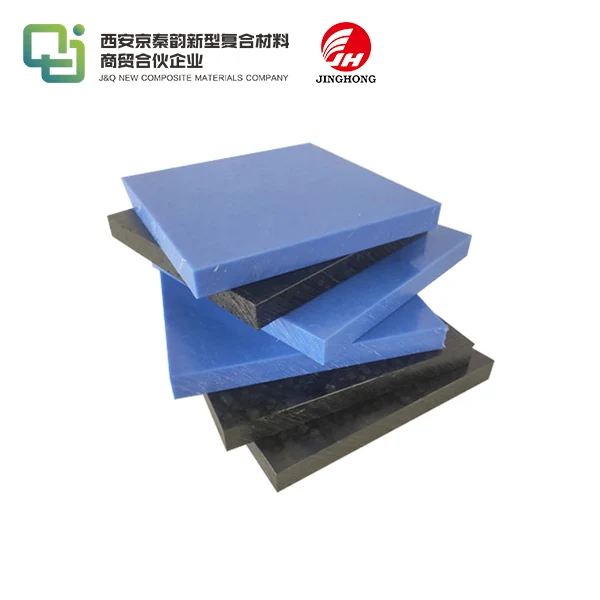
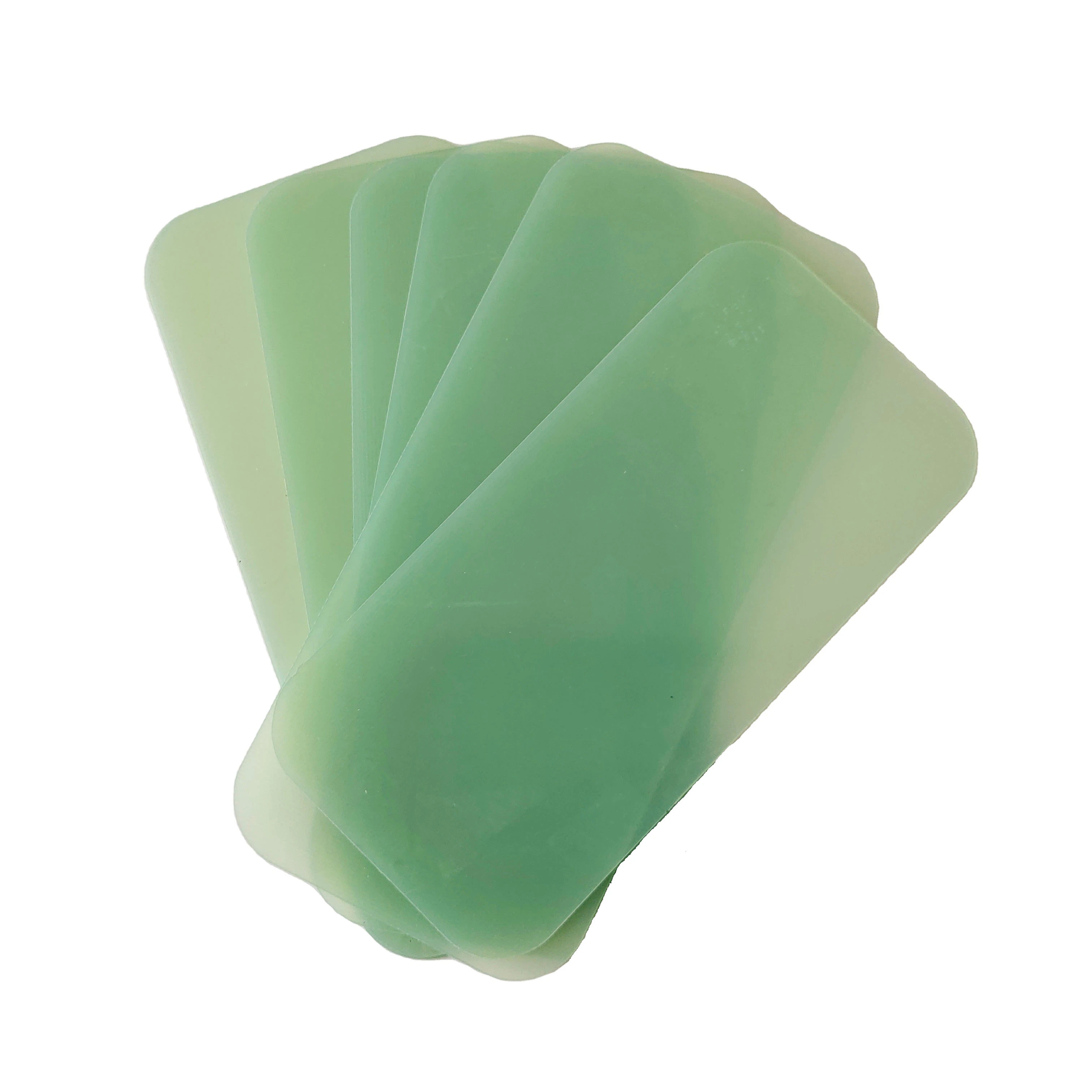
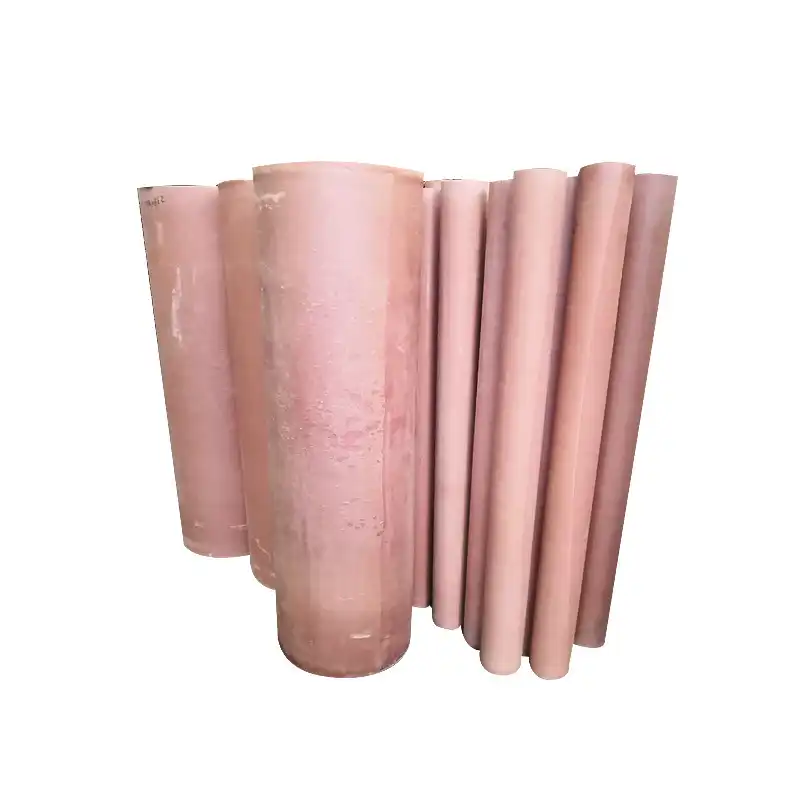
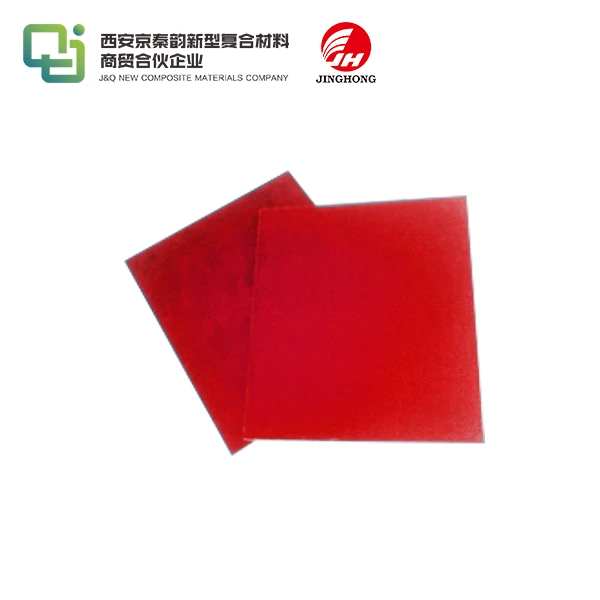
Phenolic Cotton Cloth Board for Mechanical Applications
2026-05-26 17:01:35
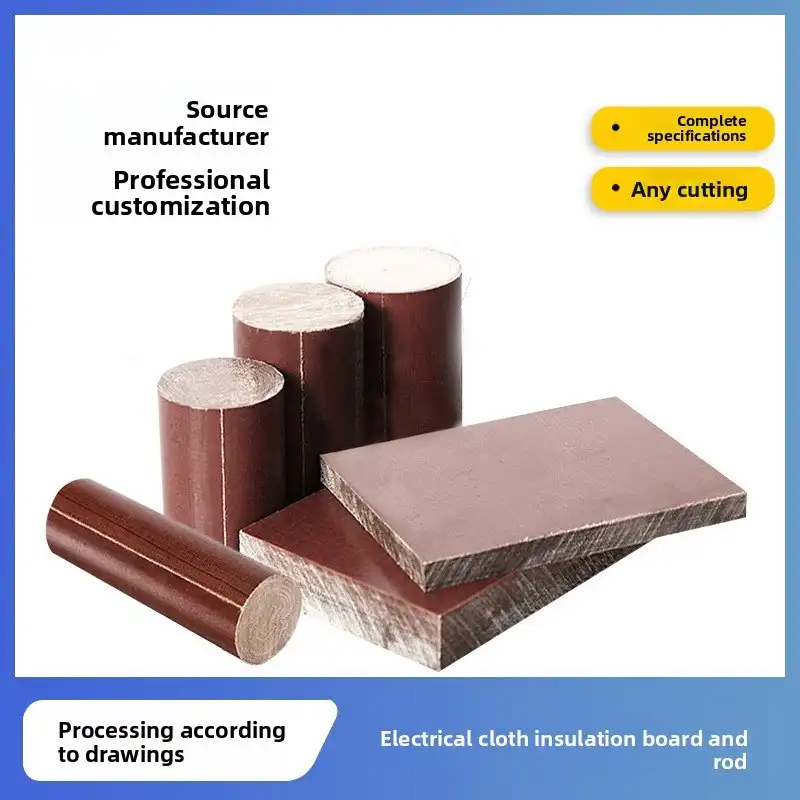
Phenolic cotton cloth board appears as a technological answer designed for demanding industrial settings when machinery builders and electrical engineers look for materials that balance mechanical toughness with electrical reliability. This composite laminate is made by injecting phenolic resin into woven cotton cloth under controlled heat and pressure. It has great impact protection and structural integrity, which are not usually found together in insulation materials. This material, which is classified by IEC as PF CC 201 and NEMA Grades C and CE, changes how businesses deal with the ongoing problem of making single-component designs that are both mechanically durable and electrically insulating.
What Is Phenolic Cotton Cloth Board and Its Key Properties?
Manufacturing Process and Material Composition
Layering cotton cloth that has been thoroughly saturated with phenolic resin, followed by exact heat application and compression shaping, is what it takes to make phenolic cotton laminate. The natural tensile strength of cotton fibers and the chemical stability of phenolic resin work together in this process to make a thermosetting plastic structure. The woven fabric basis is better than paper-based phenolic options because it is stronger in one direction and less likely to tear. This makes it good for parts that are exposed to repeated mechanical stress.
Core Technical Specifications
The material is very flexible when it comes to key performance indicators. Its mechanical qualities include high tensile strength both longitudinally and crosswise, and it doesn't absorb much water, so its dimensions stay stable in damp places. The board is resistant to a wide range of chemical agents and acids, which is important for machines that work in environments that are acidic. The dielectric strength stays the same at middle temperatures, so it can be used in situations that need voltage resistance between 3kV and 15kV, based on the thickness. Precision cutting is easier when the surface is flat and smooth, so makers can make gears, spacers, and insulation frames with tight tolerances.
Thermal and Environmental Characteristics
One of the best things about this material is that it doesn't change much with temperature. The material keeps its structural stability and electrical properties when used in temperatures ranging from -40°C to 120°C, with short trips to higher temps possible based on the grade. This temperature resistance keeps motor housings, transformer parts, and battery barriers for cars from warping or breaking down. In addition to being resistant to flames, the phenolic matrix meets safety standards for electrical covers and switchgear systems. In terms of being environmentally friendly, the cotton-resin composite supports recycling programs and safe dumping guidelines. This is in line with the sustainable purchasing strategies that global companies are asking for more and more.
Why Choose Phenolic Cotton Cloth Board for Mechanical Applications?
Performance Under Mechanical Stress
Materials for industrial machines need to be able to handle constant vibration, impact loads, and friction without putting worker safety at risk. The phenolic cotton cloth board hybrid structure absorbs shocks very well, which lowers the noise that gear systems and bearing housings make. This trait reduces vibrations, which makes parts last longer and keep running quietly compared to metal options. The material works well with little to no lubrication, which cuts down on upkeep times and the chance of contamination in clean rooms or equipment used to handle food. When OEM makers replace standard metal bearings with phenolic cotton parts in rough conditions, the longevity is seen to be better.
Cost-Efficiency and Operational Benefits
Lifecycle study shows big cost savings that go beyond the original cost of materials. When wear resistance and electrical insulation work together, motor parts don't need different shielding layers. This makes assembly easier and cuts down on the number of parts needed. Manufacturers can make complicated shapes using normal techniques like turning, milling, drilling, and pressing, without having to make special tools. Because it's so easy to make, production processes are shorter and labor costs are cheaper. When phenolic cotton boards are used instead of polymer composites in thermal separation applications, guarantee claims go down, according to procurement managers at appliance makers. This is because the material's dimensional stability keeps the assemblies from becoming misaligned over the life of the product.
Real-World Application Validation
Power distribution companies have written about how well the laminate works as transformer coil insulation. Its resistance to arcs and temperature stability keep electrical failures from happening during surges. Automotive makers use phenolic cotton boards as shields for electric vehicle battery packs because they don't catch fire and protect the batteries mechanically in case of a crash. When making industrial equipment, this material is chosen for use in drilling jigs and underwater bearings, where regular plastics fail because they absorb water or wear out mechanically. These tried-and-true use cases show that the product works well in a range of situations, giving engineers faith as they look at material alternatives.
Comparing Phenolic Cotton Cloth Board with Alternative Materials
Advantages Over Traditional Options
When picking a material, it's common to have to choose between electrical performance, industrial strength, and how hard it is to process. Compared to FR4 epoxy fiberglass laminates, phenolic cotton cloth board are more resistant to pressure and easier to machine, but FR4 is still better for high-frequency electrical uses. Compared to phenolics made from Bakelite paper, the cotton version has higher tensile strength and less brittleness, which is important for structural parts that are bent. Melamine composites may have nice-looking finishes on the outside, but they aren't tough enough to be used for gears and load-bearing gaps.
Material Performance Matrix
In many situations, phenolic cotton laminate has lower total ownership costs than metal parts when lifetime costs are looked at. The material's ability to lubricate itself means that it doesn't need to be maintained as often, and its electrical insulation means that it doesn't need to be grounded. The phenolic core is better at resisting heat and keeping its shape than plastic laminates, so it stops the laminates from creep deforming under long-term loads. Fiberglass composites work well in harsh chemical conditions, but they are harder to machine and cost more to make. When purchasing managers know these differences, they can make the best specs based on the needs of the product, like getting the best thermal performance, the tightest tolerances, or the lowest cost.
Application-Specific Selection Criteria
When comparing materials, people who build machines should look at the mechanical load patterns. Heavy vibration areas benefit from the damping properties of phenolic cotton, but high-temperature areas may need extra thermal shields no matter what base material is used. The amount of electrical stress determines the dielectric strength needed, and transformer uses need approved voltage rates. The processing skills of a manufacturing facility affect the choice of material. For example, companies that do a lot of CNC cutting can benefit from how easy it is to work with phenolic cotton, while companies that focus on molding may prefer thermoplastic options. These useful things, along with information about the properties of the materials, help people make smart choices about what to buy that are in line with their production needs and performance expectations.
Procurement Guide: How to Source Phenolic Cotton Cloth Board Effectively
Supplier Evaluation and Quality Assurance
Finding makers with the right certifications, like UL recognition and ROHS compliance, is the first step to successful buying. These certifications prove that the company meets safety and environmental standards for electrical equipment. Suppliers with well-established quality management systems—ISO 9001 approval is a good starting point—show steady control over production and the ability to track goods back to their sources. Manufacturing development and technical know-how are shown by being open about where the raw materials come from and how the resins are mixed. Before making big purchases, engineering teams can make sure that the material's specs match the needs of the application by asking for test results on its mechanical strength, dielectric properties, and flame resistance.
Customization and Order Specifications
phenolic cotton cloth board come in normal thicknesses ranging from 0.5 mm to 50 mm, but special orders can be made to get specific sizes. It is important for buyers to know about the thickness limits because some uses, like making gears, need more precise control than general insulation panels. Sheet sizes are usually between 1000mm and 2000mm, but special cutting services are often available along with material supply. Minimum order numbers depend on the seller and the specification. Standard grades can be bought in smaller amounts, but custom formulas or odd thicknesses may need bigger pledges. Lead times rely on how much inventory is available and how complicated the customization is. For example, stock items can be shipped right away, while special production runs can take anywhere from 4 to 8 weeks.
Logistics and Delivery Considerations
When you buy something internationally, shipping factors come into play that can change the total cost and time frame of the job. When shipping a lot of phenolic laminates, ocean freight is the best option. Air freight, on the other hand, is only used for pressing needs and costs more. Proper handling keeps edges from getting damaged and keeps wetness out during shipping, which is very important because the material is very sensitive to germs. Experienced sellers offer consolidated shipping choices and help with customs paperwork, which makes it easier to do business across borders. When buyers plan their inventory gaps, they should take into account the time it takes to move goods from the port and within the country. This is especially important for just-in-time manufacturing situations where delays in materials can throw off production schedules.
Handling and Processing Phenolic Cotton Cloth Board
Machining Best Practices
When making phenolic cotton cloth board parts, it's important to pay attention to the tools and cutting settings for the best results. Carbide-tipped tools keep their sharp edges longer than high-speed steel tools, which stops burrs from forming and makes the surface finish better. Cutting at moderate speeds keeps the resin from melting from contact heat, which can smear the material and make measurements less accurate. Using coolant or an air blast to remove chips and get rid of heat during long grinding processes. When drilling, lower feed rates near breakthrough help keep the material from delaminating, and when grinding, climb cutting methods that reduce edge chipping work best.
Safety and Handling Protocols
Fine particles are made during machining, so workers need to make sure there is enough air flow and wear safety gear. Dust collection systems catch particles in the air, which keeps factories clean and protects workers' health. It is best to store things in climate-controlled areas with reasonable humidity, since too much wetness can change the electrical properties and stability of the dimensions of the items being stored. When you stack sheets with safe interleaving between them, the surface doesn't get scratched and stays flat. Handlers should not drop or hit the edges of sheets, as this can cause cracks that spread during further processing.
Installation and Assembly Guidelines
Installing parts correctly ensures long-term success and keeps them from breaking down too soon. For mechanical fastening through phenolic cotton parts, the holes need to be the right size to account for temperature expansion and keep stress from building up around the fastener sites. To avoid over-tightening that leads to limited breaking, assembly torque specs should be based on the material's compressive strength. When phenolic cotton is used as an electrical insulation barrier, making sure that certain gaps are kept makes sure that voltage ratings stay valid under normal working conditions. Edge sealing with suitable coatings can make things more resistant to moisture in damp places, which can extend their useful life in marine or outdoor areas.
Conclusion
phenolic cotton cloth board helps machinery builders, electrical manufacturers, and people who make industry tools choose the right materials. Because it is strong mechanically, doesn't conduct electricity, and stays stable at high temperatures, it works better in many situations, from motor parts to transformer barriers. The material can be processed in a variety of ways and is cost-effective. This makes manufacturing more efficient, and its proven reliability lowers the need for upkeep and guarantee risks. Engineering teams can get the most out of this composite laminate by learning about the features of different materials, finding reliable sources, and following the right handling procedures. As the needs of industry change to require better performance and sustainability, phenolic cotton solutions continue to adapt by making specification changes and manufacturing improvements that meet new needs in applications.
FAQ
What thickness ranges are available for phenolic cotton cloth boards?
Thicknesses range from 0.5 mm to 50 mm, which can be used for everything from thin insulation shields to structural load-bearing parts. Custom widths outside of this range may be possible through special production runs, but for these kinds of specs, the minimum order quantity usually goes up. There are different thickness tolerances for each grade and manufacturing process. For important uses, precision-ground choices offer tighter control.
Can phenolic cotton boards withstand high-temperature environments?
In normal running temperatures between -40°C and 120°C, the material keeps working reliably. Some kinds can handle higher temperatures as well. Short thermal trips above constant values are usually okay, but long-term exposure speeds up aging. Thermal analysis is useful for applications close to the upper temperature limits to make sure there are enough safety gaps for the worst-case working conditions.
How does electrical insulation compare to fiberglass laminates?
Phenolic cotton boards have great insulating strength for medium-voltage uses, usually between 3kV and 15kV, based on how thick they are. While FR4 fiberglass might work better in high-frequency circuits, phenolic cotton is better for industrial uses that need both electrical shielding and strength. When choosing a material, you should think about the power needs, frequency ranges, and mechanical loads to find the best answer.
Partner with J&Q for Reliable Phenolic Cotton Cloth Board Supply
J&Q has been making insulation materials for over twenty years and has been trading internationally for over ten years. This makes us your reliable source for phenolic cotton cloth board. Our long-term partnerships with trade partners in both the United States and other countries guarantee consistent quality and dependable shipping times that keep your production lines running smoothly. Because we run our own transportation infrastructure, we can offer a seamless one-stop service from placing an order to delivering it, which takes away the planning issues that often come up in supply chains with multiple vendors. We keep a large inventory of products that meet standard specs, and we can also make changes to the thickness, size, and performance traits to fit your needs. Our technical team can help you choose the right materials and make suggestions for how to handle them. They can also back up your engineering choices with data-driven insights. Contact us at info@jhd-material.com to talk about the details of your project and get thorough quotes backed by our dedication to quality and service greatness.
References
ASTM D709-19, Standard Specification for Laminated Thermosetting Materials, American Society for Testing and Materials International, 2019.
IEC 60893-3-2, Insulating Materials - Industrial Rigid Laminated Sheets Based on Thermosetting Resins for Electrical Purposes - Part 3: Specifications for Individual Materials - Sheet 2: Requirements for Rigid Laminated Sheets Based on Phenolic Resins, International Electrotechnical Commission, 2018.
Kumar, S. and Singh, R., "Comparative Analysis of Phenolic Composites in Industrial Applications," Journal of Composite Materials for Industrial Engineering, Vol. 45, No. 3, 2021, pp. 287-304.
NEMA LI 1-1998, Industrial Laminating Thermosetting Products, National Electrical Manufacturers Association, 1998.
Thompson, J.M., Mechanical Properties of Cotton-Based Phenolic Laminates Under Dynamic Loading, Materials Science Research Monograph Series, Technical Publishing House, 2020.
Zhang, W. and Chen, L., "Thermal Stability and Electrical Performance of Phenolic Resin Composites in Power Distribution Equipment," IEEE Transactions on Dielectrics and Electrical Insulation, Vol. 28, No. 4, 2022, pp. 1456-1463.