Phenolic Cotton Cloth Tube for Electrical Bushings and High-Strength Insulation Applications
2026-10-09 17:30:12
Phenolic Cotton Cloth Tube is a thermosetting composite material manufactured by winding cotton fabric layers impregnated with phenolic resin under heat and controlled pressure. The result is a dense, rigid tube that delivers a strong balance of mechanical toughness and electrical insulation. Engineers across power distribution, industrial machinery, and automotive sectors rely on this material for electrical bushings, structural spacers, and bearing sleeves. This guide walks B2B buyers—engineering managers, OEM sourcing teams, and procurement specialists—through material properties, procurement criteria, and real-world application data to support confident purchasing decisions.
Understanding Phenolic Cotton Cloth Tubes: Properties and Manufacturing Process
Material Composition
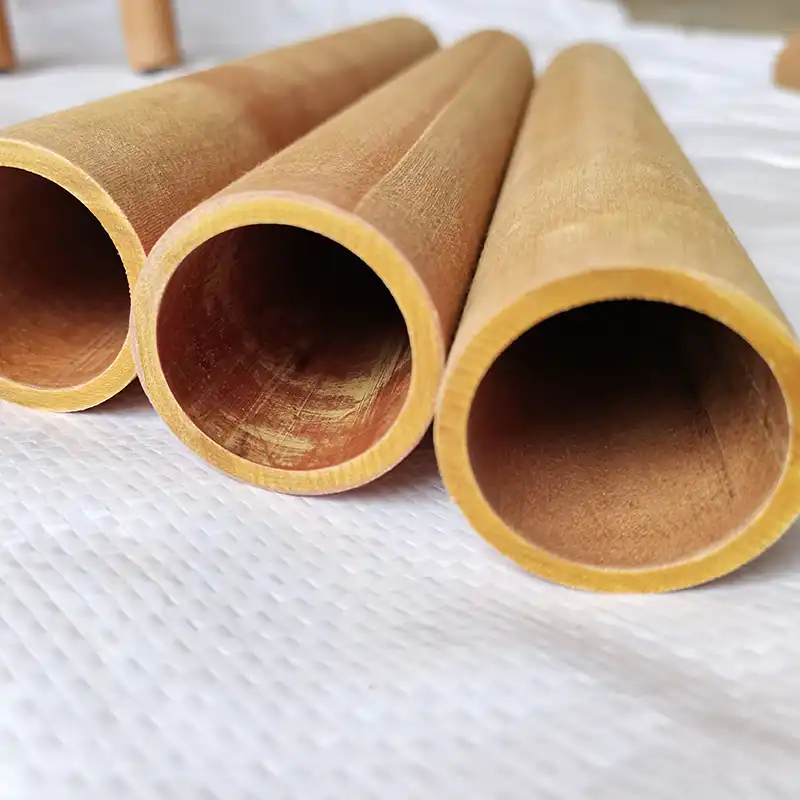
The tubes we make are made of layers of woven cotton cloth that are fully soaked with phenolic resin binder. The cotton weave reinforces the fibers, and the resin binder makes the fabric resistant to chemicals and stable in its shape. These tubes come in a natural red color and are certified by ISO 9001 for quality management. They also meet UL, ASTM, and ISO standards. The base material is thermosetting, which means it doesn't soften after it's been fixed. This is a good quality for parts that will be heated or pushed continuously.
Manufacturing Process
There are three steps in the production process: the cotton cloth is soaked in resin, it is wound under controlled strain, and it is heated and cured under pressure. At each stage, the resin distribution and wall density are checked to make sure they stay the same. Our factory makes 100 tons of tubes every year. The inner diameters range from φ5 mm to φ1500 mm, the outer diameters from φ6 mm to φ2000 mm, the wall thickness starts at 0.5 mm, and the longest tube length is 2 meters. These limits are the same as those in DIN 40607 and models provided by the customer.
Performance Ratings
The temperature can stay at Class E (115°C–120°C) for a long time. When this rating is exceeded for long periods of time, the cotton fibers become carbonized, which weakens their mechanical integrity. If you ask for it, you can get our full detailed report with information on dielectric strength, compressive strength, and moisture absorption. Before placing an order, procurement engineers can use these performance parameters to compare specifications to what the application needs.
Comparing Phenolic Cotton Cloth Tubes with Other Insulation Materials
Phenolic Cotton vs. Fiberglass Epoxy (FR4/G10)
Fiberglass epoxy laminates are better at keeping their dielectric properties even when there is a lot of moisture and voltage. But cotton-reinforced Phenolic Cotton Cloth Tube tubes are better for making gears, bushings, and bearing rings because they are more impact-resistant and easier to machine. Most of the time, cotton-based phenolic tubes are the best choice when parts need to receive mechanical pressure instead of sending it. If primary high-voltage protection is what you need, FR4 is still the best pick.
Phenolic Cotton vs. Mica and Ceramic
Mica and clay insulators can handle higher temperatures over time—often above 500°C—but they are too fragile to be used in places that are heavy or prone to shaking. Cotton-reinforced phenolic tubes can take impact without breaking. This makes them good for use in tap changers, switchgear links, and transformer structural supports, where mechanical switching forces put repeated stress on materials that are too weak to handle it.
Phenolic Cotton vs. Paper Phenolic (Grade XX/XXX)
Paper phenolic tubes are better at resisting wetness and keeping their insulating properties stable in places with a lot of moisture. Impact strength and oil retention are the most important things for cotton phenolic, especially Grade CE or Grade C versions. In transformer and bearing applications where oil is present, cotton phenolic tubes actually benefit from absorbing oil. This is because the oil reduces the friction coefficient and increases the wear life, which is something that paper phenolic tubes don't do.
Procurement Guide: How to Purchase Phenolic Cotton Cloth Tubes for Your Business?
Certifications and Supplier Verification
Before you place an order, make sure you have proof that the product is certified according to ISO 9001, meets ASTM D709 or a similar standard, and has any UL recognition that is needed for your purpose. Suppliers should provide test results from a third party that include information on the electrical strength, bending strength, and water absorption. As standard, J&Q provides all the necessary certifications and full technical documentation, which cuts down on the time it takes for engineering teams to become qualified.
Sizing, MOQ, and Lead Time
During the inquiry stage, sourcing managers should make sure that the inner diameter, outer diameter, wall thickness, and tube length are all clear. This will save money on rework costs. J&Q can make products in any size that is within their production range, and they offer OEM services that include custom packaging arrangements. We can ship by ocean freight, land freight, or air freight, so we can handle both large-scale contracts and pressing sample orders. Putting tolerances and inspection criteria in writing before production starts keeps disagreements from happening later.
Bulk Purchasing and Supply Chain Planning
Logistics costs are lower per unit for bulk sales, and production schedules are more flexible for them. J&Q can handle both steady-state supply agreements and project-specific orders because it can produce 100 tons of Phenolic Cotton Cloth Tube goods every year and has its own dedicated logistics operation. When there is a lot of demand that keeps coming back, procurement teams should talk about blanket order arrangements. These make wait times less unclear and prices stable across supply cycles.
Real-World Applications and Advantages in Electrical Bushings and High-Strength Insulation
Electrical Bushings and Switchgear
Rather than being the main high-voltage barriers, cotton-reinforced phenolic tubes act as structural insulators in medium-voltage switches and transformer bearings. During switching operations, they take in the mechanical forces that are generated and keep enough dielectric separation between live wires and grounded structures. Because they are easy to machine, they can have tight tolerance profiles that fit standard bushing assemblies without needing to be finished again.
Heavy Industry Bearings and Mechanical Components
This material is used in steel mills, marine stern tubes, and hydraulic cylinder guide rings because the cotton fiber network holds on to lubricating oil, making a contact surface that doesn't need to be oiled. When there is a lot of load and not much speed, metal-on-metal contact would lead to stopping and galling. But cotton phenolic tubes work well in these situations. Because the material is not as hard as steel, it keeps mating surfaces from scoring, which is a benefit that has been recorded in bearing application data from people who run industrial machines.
Automotive and Power Sector Use
For insulation pads, battery pack spacers, and heat-resistant fixtures where batch quality needs to stay the same across production runs, auto suppliers use phenolic cotton tubes. These tubes are used for coil support structures, spark barriers, and thermal separation components by clients in the power sector, such as companies that make transformers and distribution equipment. Both groups like how the material can keep machined specs consistent across production runs, which lowers the number of rejects during assembly.
Conclusion
Cotton-reinforced Phenolic Cotton Cloth Tube laminated tubes meet certain technical needs, such as having a high impact strength, being easy to machine, keeping oil in bearing environments, and providing enough structural insulation for switchgear and generator parts. They aren't the best way to insulate every situation, but when their qualities match the design needs, they always cost less and last longer than other options. When purchasing teams know the maximum temperature, voltage ranges, and machining needs of the material, they can find the correct grade and standard the first time. This cuts down on repairs, approval delays, and supply chain disruptions.
FAQ
What is the maximum continuous operating temperature for this material?
It is rated for Class E insulation, which means it can work continuously at temperatures between 115°C and 120°C. When temperatures stay above this point for a long time, the cotton fiber structure turns into carbon, which weakens the fibers and makes them more fragile. Glass-epoxy or mica-based materials are better for uses that need to be exposed to temperatures above 130°C all the time.
Can these tubes be used in oil-immersed environments?
Yes. Cotton-reinforced resin tubes work well in places where there is generator oil or hydraulic fluid. The network of cotton fibers soaks up and holds on to oil, which makes bearings and bushings less likely to wear out. Mineral-based transformer oils don't break down the material, and it doesn't pollute the oil either.
What customization options are available?
J&Q sells tubes with wall thicknesses starting at 0.5 mm and inner diameters ranging from φ5 mm to φ1500 mm. Our tubes also have outer sizes that go up to φ2000 mm. The tube can be up to 2 meters long. Custom sizes, tolerances to DIN 40607 or customer drawings, and special packaging are all part of OEM services. If you send your requirements to info@jhd-material.com, they will send you a custom price.
Is this material suitable for high-voltage primary insulation?
Paper phenolic (Grade XX/XXX) or glass-epoxy (FR4/G10) is suggested for main high-voltage shielding in damp places. Cotton phenolic is good for insulating structures and separating dielectrics to a moderate degree. However, it absorbs a little water, which changes the dielectric consistency when high voltage is applied for a long time.
Partner with J&Q for Reliable Phenolic Cotton Cloth Tube Supply
Every order comes from J&Q, which has been making insulation materials for more than 20 years and trading with other countries for more than 10 years. We are a reliable Phenolic Cotton Cloth Tube manufacturer, and our production is ISO 9001-certified. We also offer full customization and in-house logistics for ocean, land, and air freight. Email info@jhd-material.com to get product samples, bulk quotes, or detailed paperwork, or go to jhd-material.com to start your request right away.
References
1. ASTM International. (2019). ASTM D709: Standard Specification for Laminated Thermosetting Materials. ASTM International.
2. IEEE Standards Association. (2020). IEEE C57.12.00: Standard for General Requirements for Liquid-Immersed Distribution, Power, and Regulating Transformers. IEEE.
3. Harper, C. A. (Ed.). (2006). Handbook of Plastics Technologies. McGraw-Hill.
4. Brydson, J. A. (1999). Plastics Materials (7th ed.). Butterworth-Heinemann.
5. IEC. (2015). IEC 60893: Specification for Industrial Rigid Laminated Sheets Based on Thermosetting Resins for Electrical Purposes. International Electrotechnical Commission.
6. Kulshreshtha, A. K., & Vasile, C. (Eds.). (2002). Handbook of Polymer Blends and Composites. Rapra Technology.