Phenolic Cotton Sheet Provides High Strength for Mechanical Parts
2026-08-31 17:29:38
Phenolic Cotton Sheet delivers unmatched mechanical reliability through its unique construction—cotton fabric layers bonded with phenolic resin under high temperature and pressure. This engineered laminate combines exceptional tensile strength with thermal stability, making it the preferred choice for machinery builders, power equipment manufacturers, and automotive component suppliers who demand durable, precision-engineered materials that withstand extreme operational stress without compromising safety or dimensional accuracy.
Introduction
Industrial buying teams are under more and more pressure to choose products that are good in terms of performance, dependability, and cost. Phenolic cotton cloth laminates have become a standard solution in mechanical engineering because they offer strong structural integrity and great insulation. This composite material solves important problems in many manufacturing sectors, unlike parts made of only metal that make noise and vibration or alternatives that are brittle and break when hit.
Working with insulation materials and helping OEM clients around the world for 20 years, I've seen how choosing the right material has a direct effect on how well production goes and how long equipment lasts. When engineering managers look at phenolic laminates, they need to know what they are made of, what their comparative advantages are, and how to best buy them. This detailed guide boils down technical specs and sourcing strategies to help B2B buyers make decisions based on facts that improve operating performance and budget allocation.
Understanding Phenolic Cotton Sheets: Composition and Properties
Manufacturing Process and Material Structure
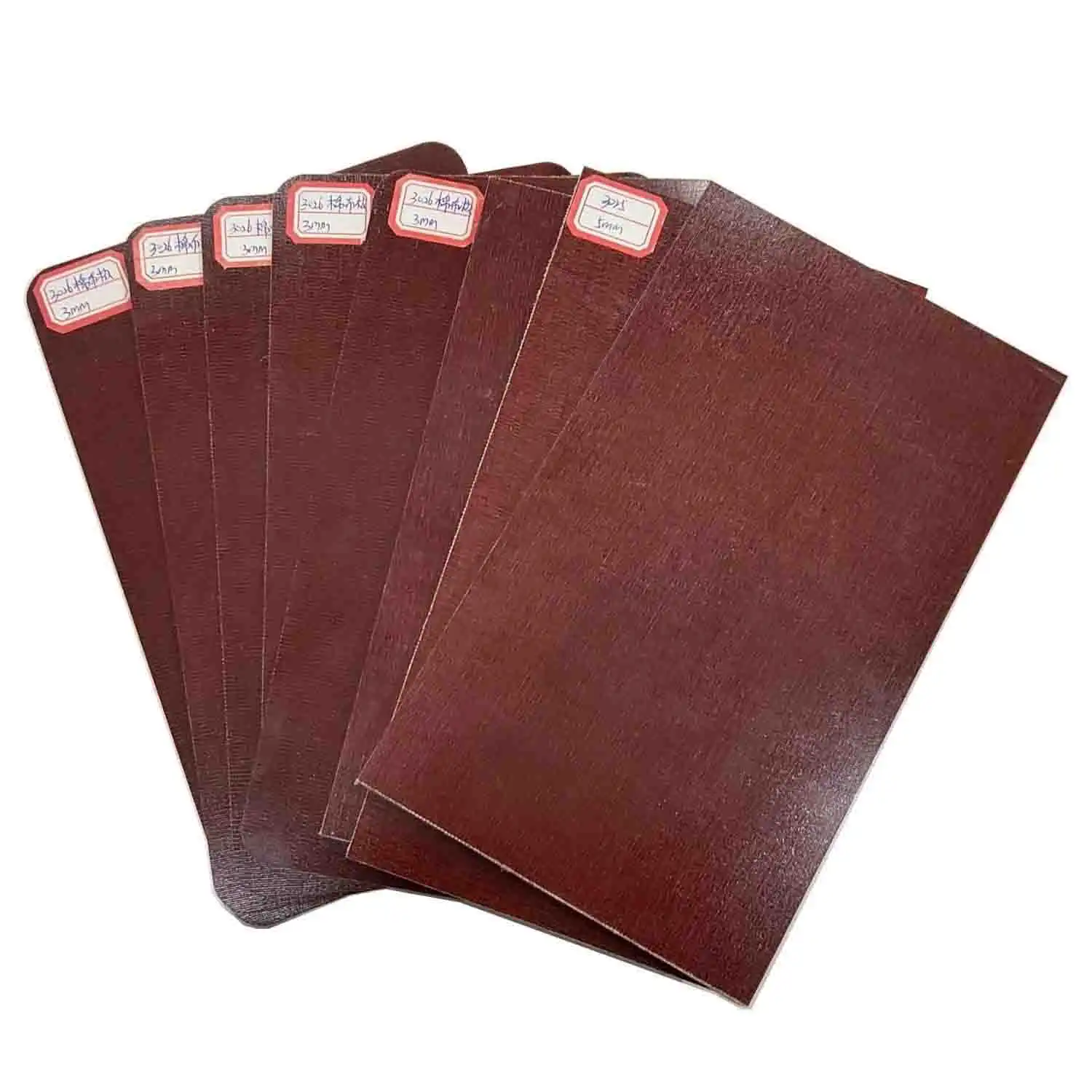
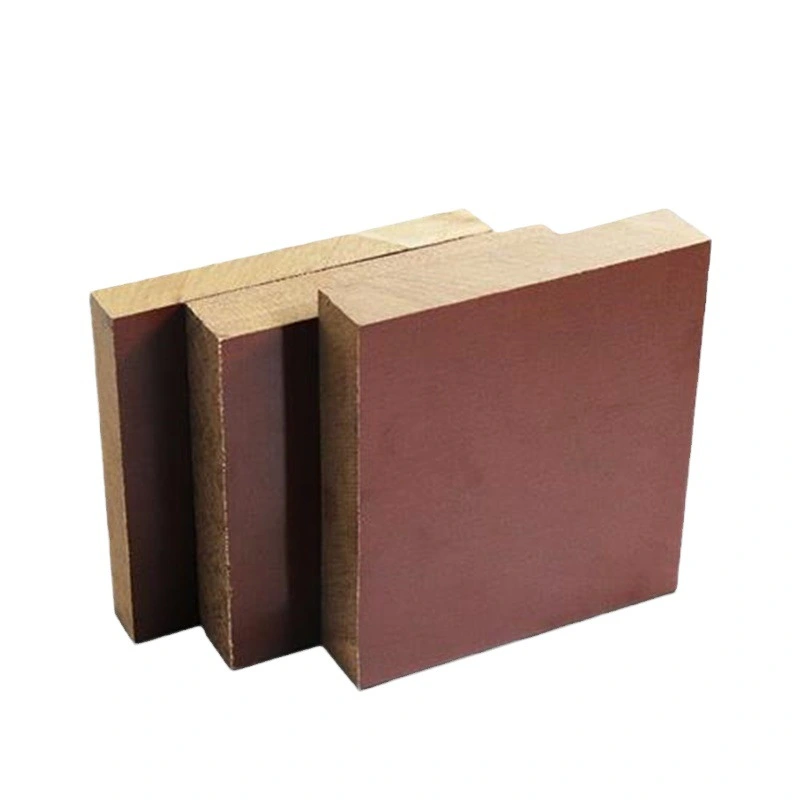
Multiple layers of knitted cotton fabric are saturated with thermosetting phenolic resin, which is also known as bakelite, to make phenolic cotton cloth laminate sheets. The layered structure cures at temperatures above 150°C and under controlled high pressure. This cross-links molecules, turning the assembly into a hard, high-density structural laminate. This process is very different from phenolic paper types, which use cellulose-based reinforcement instead of textile fibers.
Cotton fibers' tight weave makes them more resistant to mechanical damage than paper-based alternatives. Tough quality controls check the viscosity of the glue, the curing times, and the size differences during production to make sure that the final product is the same across big production runs. Batch testing makes sure that every sheet is within the allowed width range. This is very important for precision cutting tasks, where even small differences can cause assembly problems.
Core Material Properties
The final combination has a number of impressive qualities that tech teams like:
Mechanical Strength: The tensile strength of a material is usually between 70 and 100 MPa, which means it can hold up under heavy loads without deforming. The cotton fiber support absorbs shock and spreads stress equally, so the structure doesn't break in a terrible way when it hits something hard.
Thermal Performance: It can handle constant operating temperatures of 120°C to 130°C and can handle higher temperature spikes for a short time. The phenolic resin structure doesn't break down as easily at high temperatures as many thermoplastic options.
Electrical Insulation: Measurements of the dielectric strength always go above 10 kV/mm, which means that switchgear and motor assemblies can reliably keep their electricity separate. Even in humid industrial settings, materials with low moisture uptake keep their insulating properties fixed.
Chemical Resistance: Once the resin has hardened, it can stand up to oils, weak acids, and organic solvents that are often used in machinery. This makes it last longer in places where chemicals are present.
By knowing these basic properties of Phenolic Cotton Sheet, procurement specialists can match the material's abilities with the needs of a specific application, making sure that the chosen laminate grade meets operational needs.
Why Phenolic Cotton Sheets Are Ideal for Mechanical Parts?
Superior Load-Bearing Capacity
When parts need to withstand big loads and repeated stress cycles, mechanical engineers choose cotton-reinforced phenolic laminates. The material's compressive strength is 30–40% higher than that of phenolic paper sheets. This means it can be used for load-bearing spacers, structural supports, and wear plates in machinery. This quality is very important to gear manufacturers because phenolic gears made from cotton cloth laminates can handle a lot of torque while also naturally reducing vibration.
The toughness of the composite keeps it from breaking easily, which is an important safety trait for big machinery. The material tends to shred slowly instead of breaking off in a big explosion when a phenolic gear hits an obstruction or jam. This fail-safe behavior keeps expensive steel drive shafts safe and stops major damage to machines, which cuts down on downtime and repair costs.
Heat and Fire Resistance Advantages
When they are working, power distribution tools and transformer units make a lot of heat. Phenolic cotton cloth laminates keep their shape and mechanical properties even at temperatures that would soften or break down other types of plastic. The material's ability to put itself out of fire adds an extra layer of safety in situations where arc flash or thermal runaway are possible.
When these laminates are used to make terminal boards and arc barriers, they provide effective thermal safety without adding too much weight to systems. The material is perfect for coil separators and phase barriers in electrical machinery because it can resist both heat and electricity. This is because both thermal management and dielectric isolation are necessary.
Machinability and Precision Manufacturing
The material's consistent density and homogeneous structure make it good for CNC machining. Phenolic Cotton Sheets can be machined smoothly with standard carbide tools, yielding smooth surfaces and tight measurement limits without delamination or edge fraying. Because it is machinable, complicated shapes like precision washers, detailed gaskets, and custom-profiled mechanical parts can be made at a low cost.
The material's dimensional stability after machining keeps parts from warping or shrinking too much, so they stay within the tolerances that were set during production. This predictability lowers the number of rejections in quality control checks and makes it easier for component manufacturers to keep track of their inventory.
Comparing Phenolic Cotton Sheets with Alternative Materials
Phenolic Paper vs. Cotton Cloth Laminates
Instead of woven fabric, phenolic paper sheets are reinforced with cellulose paper, which makes them weaker and less resistant to impact. Paper-based laminates work great for electrical protection tasks that don't put a lot of stress on them, but cotton cloth laminates are stronger and can handle more weight. When engineers have to choose between these two options, they have to weigh the pros and cons of better electrical properties (paper) and better mechanical toughness (cotton cloth).
Cost is another factor that affects the choice of material. Paper-reinforced laminates usually have lower unit costs, which makes them a good choice for high-volume electrical shielding jobs where mechanical demands are low. Cotton cloth laminates are worth the extra cost when a failure in the material could cause expensive equipment damage or safety issues.
Epoxy Laminates and Fiberglass Comparisons
Fiberglass-reinforced epoxy-resin composites have great electrical properties and can handle high temperatures. They are often used for PCB substrates and precision electronics. On the other hand, epoxy laminates usually cost more to make and are harder to machine than phenolic alternatives. Cotton phenolic sheets offer similar heat protection at a lower cost, and they are easier to machine for making mechanical parts.
Fiberglass-reinforced materials work well in corrosive conditions and high-temperature settings, but they don't have the ability to reduce mechanical stress as cotton-phenolic composites do. Which of these materials to use depends on whether chemical resistance (fiberglass is better) or vibration reduction and shock absorption (cotton phenolic is better) are the main needs of the application.
Fire Resistance and Service Longevity
Because they are thermosetting, phenolic resins naturally don't catch fire. This is because they create char layers that protect what's underneath from the heat. This ability to put out fires on its own is better than many thermoplastic alternatives, and it meets strict fire safety standards in transportation and electrical equipment. Comparing service lives shows that phenolic cotton laminates keep their mechanical properties for decades of continuous use, as long as the temperatures used stay within certain limits.
To find the best mix of performance characteristics, material selection models should compare these features against specific application needs, working conditions, and budget limits.
Procurement Guide: Buying Phenolic Cotton Sheets for Mechanical Parts
Supplier Selection Criteria
To find good cotton phenolic laminates, you have to look at possible sources in a lot of different ways. Manufacturers that have been around for a while and have ISO 9001 certification show that they are committed to stable quality management systems. UL recognition for certain product types proves that they meet North American electrical safety standards. This is especially important for parts that will be used in electrical equipment.
Different sources have very different production capacities and lead times. Partners who can keep a buffer stock and handle rush orders during production spikes are helpful for large machinery makers that need regular shipments. Smaller original equipment manufacturers (OEMs) may choose providers with low minimum order amounts and open customization options.
Premium suppliers of Phenolic Cotton Sheet are different from commodity vendors because they offer technical support. Having access to applications engineers who know how materials behave in certain working conditions helps buying teams choose the right grades and sizes. Giving detailed datasheets, material certificates, and advice on how to machine something is more valuable than just sending the product.
Size, Thickness, and Customization Options
Standard Phenolic Cotton Sheets come in thicknesses from 0.5mm to 50mm, and most machining operations can be done on sheets that are 1000 x 2000 mm in size. To make sure that the dimensions meet their needs, procurement teams should check the tolerances. Usually, tolerances run from ±0.2mm for smaller sheets to ±0.5mm for thicker materials.
For large production runs, custom size services cut down on waste and cutting time. Some suppliers offer blanks that have already been cut, shapes that have been CNC-profiled, or custom sheet sizes that fit the shapes of certain parts. Just-in-time delivery of nearly net-shape parts is possible with water jet cutting, laser profiling, and precision stamping services. This lowers the costs for customers who keep inventory.
When choosing a thickness, you should think about the mechanical load requirements, the electrical clearance requirements, and how easy it is to machine. Although thicker materials are stronger mechanically, they need to be machined more aggressively and take longer to make.
Pricing Structures and Order Quantities
When you reach certain amounts, volume pricing usually gives you big price cuts per unit. Suppliers may offer savings based on full sheets, pallet loads, or container orders. When comparing quotes from different suppliers, people who work in procurement should think about the total landed costs, which include freight, customs duties, and the cost of keeping inventory.
Payment terms affect how you handle your cash flow. For example, known sellers will often give qualified accounts net-30 or net-60 terms. For international deals, letters of credit or other trade finance tools may be needed, which can make things more difficult to manage and cost more.
Lead times depend on whether the material specs match things that the seller already has in stock or if special production runs are needed. Standard grades and common thicknesses can usually be shipped within days. However, custom formulations or odd sizes may need 4 to 6 weeks to be scheduled for production. Strategic sellers keep extras of important materials on hand in case there are problems with the supply chain.
Technical Specifications and Datasheets to Know Before Purchasing
Mechanical and Thermal Performance Metrics
It is important for procurement teams to make sure that supplier datasheets include full information on mechanical properties like tensile strength, flexural strength, compressive strength, and impact resistance. For cotton phenolic grades, the tensile strength is usually between 70 and 100 MPa, and the bending strength is close to 120 to 150 MPa. These numbers should be based on testing standards like ASTM D638 or other international standards that are similar.
The same care needs to be taken with the thermal qualities of Phenolic Cotton Sheet. Long-term exposure limits that are safe are set by continuous operating temperature ratings, which are usually around 120°C. Short-term heat deflection temperature readings show how resistant the material is to short-term temperature jumps. In thermal management applications, thermal conductivity values, which are usually between 0.2 and 0.3 W/mK, affect how much heat is lost.
Electrical and Chemical Characteristics
Dielectric strength tests show that the insulation works. For good phenolic laminates, values above 10 kV/mm are typical. Data on volume resistivity and surface resistivity help with electrical design predictions, especially for uses with a lot of power. Arc resistance ratings show how well a material works when it is exposed to electrical arcing.
Chemical resistance charts show which working fluids and surroundings are suitable. Mineral oils, weak acids, and aliphatic hydrocarbons don't usually damage phenolic materials. However, strong alkaline solutions and some chlorine solvents can damage them. Knowing these limits keeps service from getting worse in a big way.
Dimensional Tolerances and Quality Verification
Tolerances for thickness have a direct effect on the machining processes and the end measurements of the part. Standard business tolerances are usually between ±0.2mm and ±0.5mm, based on the stated thickness. Precision grades, on the other hand, give you more control. Specifications for flatness keep things from shifting during assembly and cutting.
Material certificates should be included in quality documentation to show the type of resin used, the type of reinforcement material used, and compliance with all relevant standards. Traceability through batch numbering lets you figure out what went wrong if there are quality problems during production. By asking for samples of materials before placing large orders, you can make sure that the machining characteristics and size accuracy are correct.
Conclusion
For tough industrial uses, Phenolic Cotton Sheet provides the strength, thermal stability, and electrical insulation that are needed. Their unique mix of properties solves important engineering problems in the automobile, electrical equipment, and tool-making industries. The success of procurement relies on knowing what the materials are made of, comparing options in an unbiased way, and working with sellers who provide consistent quality and quick service. Strategic buyers use detailed technical specifications and screening processes for suppliers to find reliable material sources that support long-term manufacturing excellence and operational efficiency.
FAQ
What thickness options are available for mechanical parts applications?
Cotton phenolic laminates are made in a range of sizes, from 0.5 mm to 50 mm, to meet the needs of all kinds of mechanical parts. Sheets that are between 0.5 mm and 3 mm thick can be used for electrical insulation barriers, seals, and washers. 5–15 mm thick pieces are used for structural spacers, wear plates, and light-duty gears. Materials 20 mm and thicker are used for heavy-duty tasks like load-bearing supports and industrial gears. Custom thickness choices can be made to fit specific needs, but wait times may be longer for sizes that aren't common.
How does heat resistance compare to fiberglass laminates?
Phenolic Cotton Sheets keep their shape at constant temperatures of about 120°C to 130°C, which is about the same as standard epoxy-fiberglass grades. Specialty high-temperature fiberglass laminates may be able to handle higher temperatures for longer periods of time, but cotton phenolic materials are easier to work with and cheaper for uses within their temperature range. Because phenolic resin burns itself out, it is safer than many fiberglass alternatives when it comes to fire safety.
What should buyers prioritize when selecting bulk suppliers?
Reliable suppliers have ISO certification, make sure that the quality of their products stays the same from batch to batch, provide detailed technical documentation, and provide quick customer service. Make sure that the production capacity meets your volume needs and that the lead times are in line with the manufacturing schedules. Before placing big orders, ask for samples of the material and make sure you understand the limits for size and the standards for quality that must be met.
Partner with J&Q for Premium Phenolic Cotton Sheet Solutions
J&Q has been making and selling high-quality insulating materials to demanding industrial customers around the world for more than 20 years. The strict quality standards that machinery builders and electrical equipment makers expect are met by our cotton phenolic laminate sheets. After more than ten years of working with international markets, we know the problems technical buyers face when they need to buy things. We offer solutions that make it easier to find what you need while still making sure the quality of the materials you buy is good.
Because our businesses are vertically integrated, we have dedicated logistics capabilities that make it easy to coordinate everything from placing an order to delivering it. This all-inclusive service model makes your job easier and speeds up project timelines. Our expert team works with your engineering staff to make sure that the material specifications and production processes are as efficient as possible, whether you need standard sheet sizes or parts that are machined to your exact specifications.
Get in touch with our buyers at info@jhd-material.com to talk about your Phenolic Cotton Sheet needs. We help your manufacturing success by giving you thorough technical datasheets, cheap volume prices, and quick responses to your customer service requests. You can look at our full line of industrial laminate solutions at jhd-material.com, or you can ask for samples to make sure of the quality of the material before ordering large amounts. As a reputable Phenolic Cotton Sheet provider, we're dedicated to giving you consistent quality and dependable performance for your mechanical component uses.
References
1. Harper, C.A. (2015). Handbook of Plastics Technologies: The Complete Guide to Properties and Performance, 4th Edition. McGraw-Hill Professional.
2. Richardson, T. (2017). Industrial Plastics: Theory and Applications, 6th Edition. Cengage Learning.
3. Ashby, M.F. & Johnson, K. (2013). Materials Selection in Mechanical Design, 5th Edition. Butterworth-Heinemann.
4. Biron, M. (2018). Thermoplastics and Thermoplastic Composites, 3rd Edition. William Andrew Publishing.
5. Mazumdar, S.K. (2019). Composites Manufacturing: Materials, Product, and Process Engineering. CRC Press.
6. Murphy, J. (2016). Reinforced Plastics Handbook, 4th Edition. Elsevier Science.