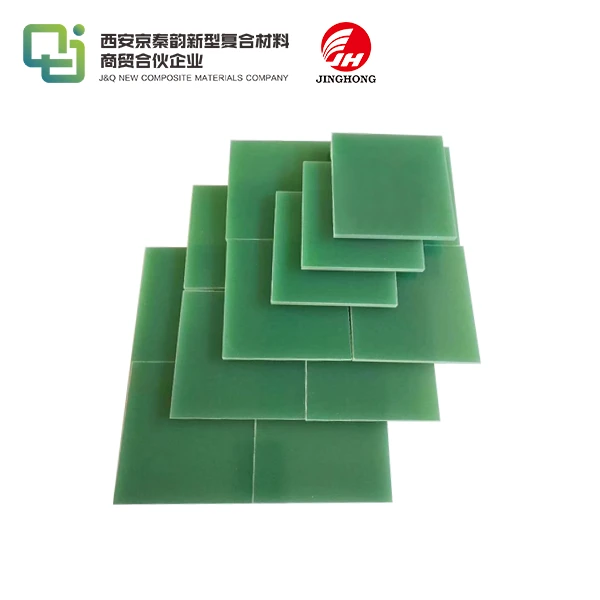
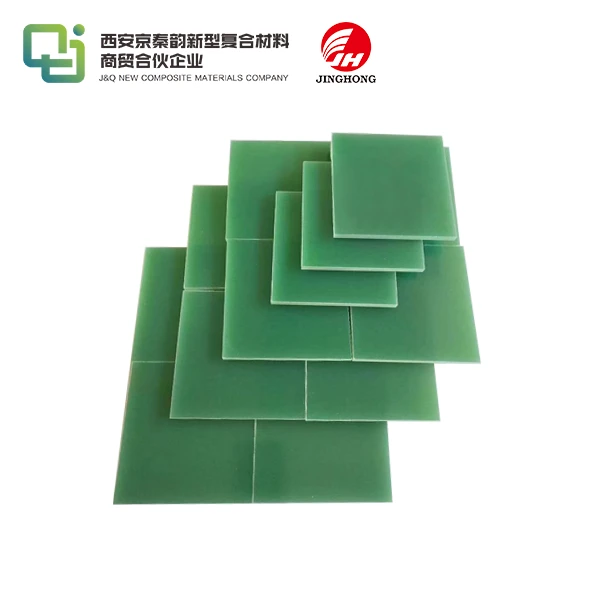
G10 Fiberglass Tube Provides Reliable Insulation for Electrical Systems
2026-08-31 17:29:40
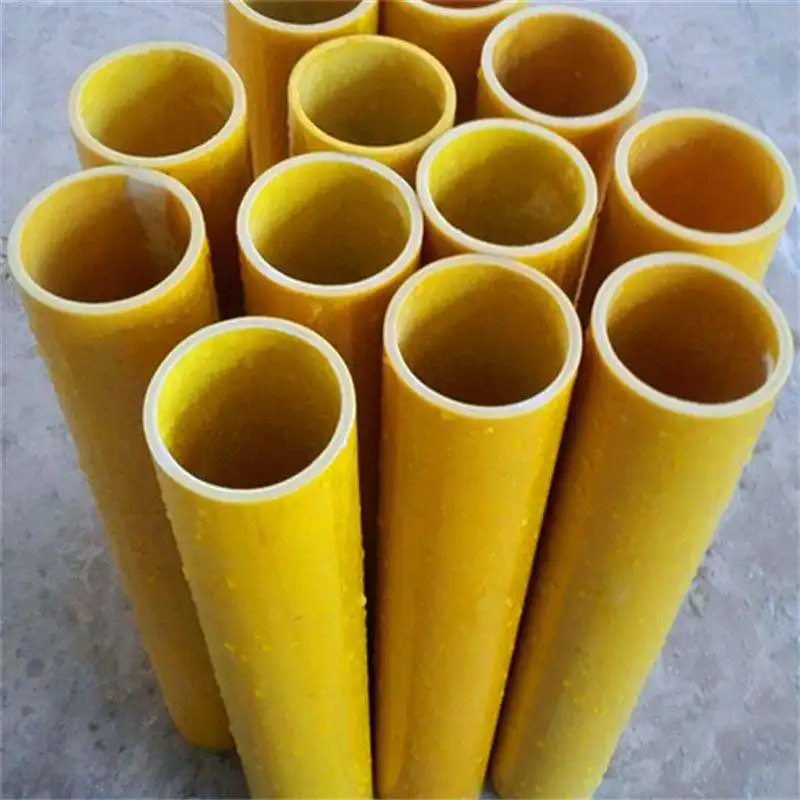
When electrical systems demand unwavering reliability, G10 Fiberglass Tube emerges as the solution that engineering managers and procurement specialists can trust. This premium-grade composite material combines woven fiberglass cloth with epoxy resin under high pressure and heat, creating an insulation solution that excels where traditional materials fail. Manufactured to meet NEMA G10 and military specification MIL-I-24768/2 standards, these tubes eliminate conductive risks, resist chemical corrosion, and maintain structural integrity across extreme temperature ranges—from cryogenic conditions to sustained heat exposure. The result is a non-conductive, dimensionally stable material that addresses critical pain points in transformers, switchgear, and high-voltage applications where safety and performance cannot be compromised.
Understanding G10 Fiberglass Tube: Properties and Applications
What Makes G10 Glass Epoxy Composite Exceptional?
Using thermosetting epoxy glue to soak continuous filament glass cloth is how G10 tubes are made. The material is then cured under controlled temperature and pressure. This makes a hybrid laminate that has great mechanical properties and a specific gravity of 1.8. The epoxy-glass mixture is stronger than regular fiberglass because it can withstand 40,000 psi of tension and 65,000 psi of compression. The bond strength of 2,200 psi keeps the layers together even when they are under a lot of mechanical stress. The flexural strength of 75,000 psi lets the material bend without breaking when it is loaded.
There are no brominated additives in G10, which makes it different from its flame-resistant cousin FR4. Because of this difference, G10 has slightly higher mechanical strength and much better water absorption—only 0.11% over 24 hours. Because of this, engineering teams that are working on projects where the performance of the structure is more important than its flammability grade often choose G10.
Core Performance Characteristics for Industrial Applications
Because they don't conduct electricity, these tubes are essential to systems that distribute power. The high dielectric strength stops current leakage and keeps the dissipation factor low, which means that very little energy is lost during operation. The material stays stable at temperatures up to 284°F (140°C), but some G11 versions can handle even higher temps.
Chemical resistance makes G10 useful in tough settings where oils, chemicals, and other corrosive substances are common. Marine equipment makers like that the material doesn't break down in saltwater, and industrial machinery builders depend on its stable dimensions for making precise parts like mechanical spacers and gears that don't wear out.
Because G10 doesn't react with radiation, it can be used in specific fields like medical tools and instruments for space travel. Because it doesn't creep when it's cold, the material stays true to its dimensions even in cryogenic settings. This makes it a good choice for systems that handle liquefied gases and parts for space exploration.
Industries Relying on G10 Insulation Solutions
G10 tubes are used as coil insulation in transformers and as arc barriers in high-voltage switchgear by power plants. Because the material can handle thermal shock, it saves important structures when load changes cause sudden changes in temperature. Electrical engineers choose G10 because it doesn't absorb water, which could damage the dielectric over time.
Epoxy fiberglass tubes are being used more and more by auto parts manufacturers to make barriers for electric car battery packs and heat-resistant fixtures for motor systems. The combination of a light build and long-lasting mechanical performance helps meet weight reduction goals without compromising safety. Precision machining lets R&D teams make parts that are exactly what they need for assembly, which they value.
Because it is RF-transparent and nonmagnetic, G10 is used by aerospace companies to make antenna supports and radome structures. This keeps communication systems from losing signals and keeps the structure strong even when the pressure and vibrations change during flight. The ability not to spark also makes fuel system parts and electrical wiring harnesses safer.
Builders of industrial machinery use G10 Fiberglass Tube for structural insulation and mechanical gaps when they need to keep electricity from getting through and also make sure the machine can hold weight. With a hardness rating of 110 on the M scale, the material is very resistant to wear in gears and bushings, which means they will last longer in high-cycle applications. OEM sourcing managers like the accurate thickness tolerances that make assembly easier and lower the number of rejects.
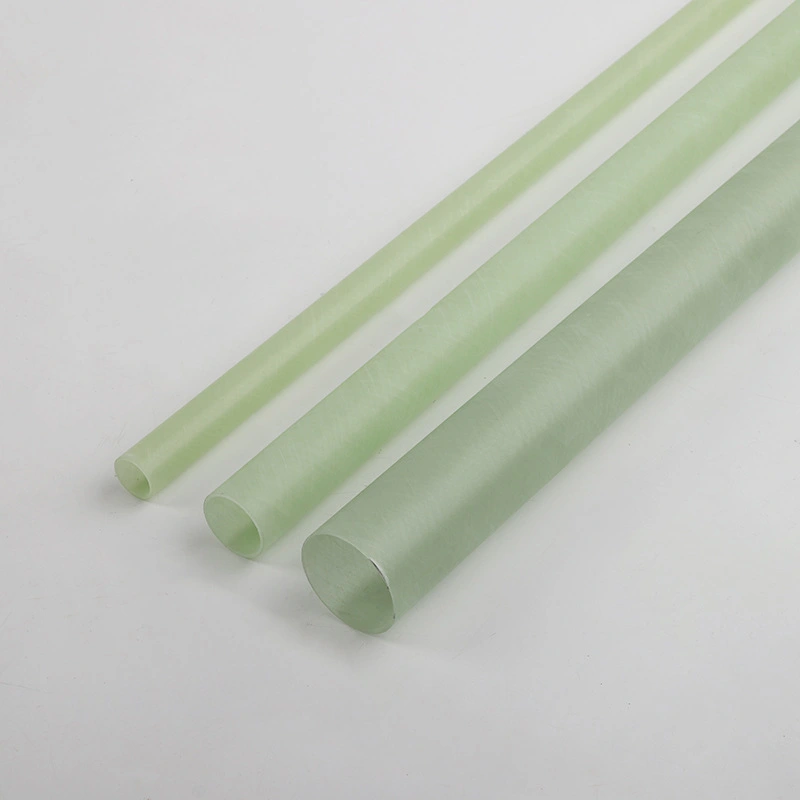
G10 Fiberglass Tube vs. Alternative Materials: Making the Right Choice
Comparing G10 to FR4 and Other Composites
G10 and FR4 are technically similar and are often used equally in everyday situations, but they are used for different things. FR4 has self-extinguishing bromine additives that meet UL94 V-0 flame retardancy ratings. This means that it has to be used in places where fire safety rules apply. But this has a small effect on how well the mechanical parts work. G10 has slightly higher bending strength and better resistance to moisture, which makes it the better choice for structural uses in places where fire safety is not the main concern.
Carbon fiber tubes are very strong for their weight, but they also conduct electricity, so they can't be used as electrical insulation. Carbon fiber's ability to conduct electricity, which makes it useful for grounding, turns out to be a problem in parts for switchgear and transformers. Carbon fiber is also a much more expensive material, so G10 is the better pick when both meet the functional needs.
Metal and Plastic Alternatives: Where They Fall Short
Although metal tubes are strong and good at transferring heat, they can also carry electricity, which can be dangerous in high-voltage areas. Metals are still a problem because of corrosion, especially in sea settings or chemical processing plants. Metal parts are heavier, which makes them harder to put together and costs more to ship. G10, on the other hand, is just as strong but much lighter.
Plastic tubes made of PVC or PEEK are resistant to chemicals and don't conduct electricity, but they aren't strong enough to hold weight. Plastic can't be used in motor parts or power-producing equipment that is exposed to high temperatures for long periods of time because of temperature limits. In contrast to engineering thermoplastics like PEEK, which are very expensive, G10 is a great value because it has better thermal stability and mechanical properties at a lower cost.
Cost-Performance Trade-Offs in Material Selection
When purchasing insulation materials, people in charge have to weigh the current prices of the materials against the total cost of ownership. The original cost of G10 is higher than that of common metals like aluminum or steel, but the longer service life and lack of corrosion-related problems lower the long-term costs of replacement and upkeep. When compared to industrial thermoplastics like nylon or PEI, G10 is much cheaper and has better mechanical performance and steadiness in shape.
Because G10 is rigid and has a lot of fibers, it needs to be machined in a certain way, which can make the cost of making it higher. But because the material isn't very strong when sheared, higher loads and speeds are possible during CNC operations. This helps to some degree to reduce worries about tool wear. When engineering managers understand these trade-offs, they can make decisions that balance technical needs with budget limits while also improving system reliability.
Procurement Essentials: How to Buy G10 Fiberglass Tube for Your Business?
Defining Specifications and Custom Requirements
For sourcing to work, you need to be very clear about the sizes you need, like the outer diameter, inner diameter, wall thickness, and length. Because of the size of the press and oven, standard manufacturing methods can only make lengths of 36 to 48 inches. However, continuous filament winding techniques can make custom lengths of up to 20 feet or more, based on the mandrel's capabilities. Technical buying teams should make it clear if apps need standard stock sizes or special fabrication to fit the needs of assembly.
The choice of material grade for G10 Fiberglass Tube affects both cost and performance. Making sure that the material meets NEMA G10 standards and getting certifications for its electrical insulation, mechanical strength, and temperature tolerances ensures that all batches are the same. Suppliers who have ISO quality management systems show that they are dedicated to process controls that keep important properties like dielectric strength and water absorption from changing too much.
Different manufacturers have very different minimum order amounts. Larger suppliers usually need volume commitments that work with their production schedules, while smaller businesses may be able to handle prototype quantities or short production runs. When procurement managers know the wait times for both stock items and custom fabrication, they can make sure that material deliveries don't interfere with production plans, which can cost a lot of money.
Evaluating Supplier Capabilities and Reliability
Supply chain risks can be cut down by working with reputable makers that can be proven through industry certifications and customer reviews. Suppliers who have been making composite laminates for decades usually have stricter quality controls and more technical knowledge to answer application engineering questions. When you ask providers about their in-house testing options, like dielectric withstand testing and mechanical load tests, you can find out if they can back up their performance claims with proof.
Logistics costs and delivery reliability are affected by where things are delivered. When it comes to shipping prices, taxes, and how close manufacturers are to end-use markets, those in the US, Europe, and certain areas of China offer different benefits. Building ties with providers who keep enough inventory on hand can help you avoid production delays and save money on fast shipping costs.
Case studies and reviews from customers in related industries show how providers deal with technical issues, requests for customization, and help after the sale. Procurement professionals should ask the supplier if they are willing to work with them to choose the right materials for specific uses and if they are responsive to concerns about quality. Long-term partnerships with suppliers often have benefits beyond just lower prices. For example, when capacity is limited, priority is given to certain suppliers, and better material specifications can be made together.
Optimizing Pricing Structure and Total Cost
Prices are affected by more than just the cost of raw materials. When you make a volume promise, you can usually get tiered pricing, which means that as you place more orders, the cost per unit goes down. Custom sizes, precise machining, and fast delivery all come with extra costs that procurement teams have to weigh against the benefits they bring to the business. By asking for specific quotes that list the costs of materials, assembly, and shipping, you can accurately compare prices from different providers.
Understanding what causes costs helps you find ways to make things better. Sticking to a few different sizes simplifies your inventory and may help you get better prices by combining your orders. Scheduling orders for times when suppliers don't have many orders can sometimes give you more options for pricing or lead times. When you negotiate blanket buy deals with planned releases, you can combine the benefits of volume discounts with the costs of keeping inventory.
The total cost of ownership includes more than just the purchase price. It also includes the costs of incoming inspections, keeping inventory, and the effects on operations when something goes wrong. Premium providers may charge more per unit, but their consistent quality and dependability often lower total system costs by cutting down on rework, warranty claims, and unplanned production downtime. When purchasing managers put numbers on these factors, they can make better smart choices about where to buy things that help the business reach its goals in more ways than just cutting costs.
Ensuring Quality and Performance: Verification and Testing of G10 Fiberglass Tubes
Industry Standards and Certification Requirements
ASTM standards include testing procedures that make sure the properties of G10 Fiberglass Tube match the published requirements. ASTM D229 describes how to test stiff sheet and plate materials that are used as electrical insulation. It sets out steps for checking dielectric breakdown voltage, bending strength, and water absorption. By asking for test reports that are certified to these standards, you can be sure that the materials meet the basic performance requirements.
IEC approvals prove that electrical insulation systems meet European standards for use in foreign markets. IEC 60893 is all about insulating materials made from thermosetting resins that are used in electrical applications. It gives engineers classification systems that help them choose the right materials for different voltage levels and weather situations. Suppliers that work with global markets usually follow a number of different standard systems. This makes it easier to make specifications for projects that involve multiple countries.
When it comes to quality, military standards like MIL-I-24768/2 are stricter than commercial standards. Materials that meet military standards go through stricter testing procedures and tighter process controls. This makes them suitable for use in important aerospace, defense, and infrastructure projects where failure would have serious consequences. When application criticality requires maximum reliability, the extra costs of qualification are worth it.
Testing Methods That Validate Performance
High voltage is applied across insulation materials during dielectric withstand testing to make sure they can keep electricity from breaking down in real-world situations. Electrical codes set safety margins above normal operating voltages that test voltages usually go over. Materials that pass the dielectric withstand test have the right amount of insulation and no flaws in the manufacturing process that could cause conductive paths.
When you put materials through mechanical load tests, they see how they handle tensile, compressive, and flexural stresses that are typical of service conditions. Tensile testing shows how strong something is and how much it can stretch, while compression testing shows how it reacts to being crushed. Flexural testing checks how well a beam bends, which lets you guess how it will behave in cantilevered or spanning situations. These engineering tests show that the materials will keep their structural stability for as long as they are supposed to.
Thermal cycling is the process of putting materials through regular changes in temperature that mimic real-life situations found in power plants and cars. If you check the changes in size, the retention of mechanical properties, and the condition of the surface after thermal cycling, you can tell if the materials will keep working well over time. When materials don't break down much after hundreds or thousands of cycles, they are good for long-term use.
For chemical resistance tests, samples are submerged in typical chemicals at high temperatures to speed up the effects of contact. Changes in weight, size, and mechanical properties that don't change after soaking show resistance to certain chemicals. When materials are regularly coming into contact with oils, solvents, or corrosive substances in chemical processing, marine settings, or industrial machines, this testing is necessary.
Real-World Performance in Demanding Applications
Aerospace companies have tested G10 in radome uses that need to survive changes in altitude pressure, temperature ranges from -55°C to 85°C, and fast airflow while still being RF transparent. Long-term flight testing confirms that the material is resistant to UV degradation when properly coated and can keep its shape when vibrated for a long time.
The makers of industrial machinery say that G10 gears and spacers keep their measurements even after millions of cycles of heavy use. The material is resistant to wear and has stable dimensions, so it needs less maintenance than metal alternatives that rust or plastic parts that move when they are under constant load. These case studies show how initial investments in materials can save money in the long run by allowing for longer repair gaps.
Manufacturers of transformers use G10 coil insulation because it keeps the dielectric strength even when it's under constant heat stress and short voltage spikes. Field performance data spanning decades shows that G10 insulation systems properly specified can last more than 30 years in substations and other industrial power distribution equipment. This proven dependability backs up infrastructure investments where the cost of replacement is too high, and downtime threatens important operations.
Future Trends and Innovations in G10 Fiberglass Tubes for Electrical Systems
Material Formulation Advances Enhancing Performance
The main goal of improving resin chemistry for G10 Fiberglass Tube is to raise the highest working temperature above the current 140°C limit while keeping the mechanical properties the same. For uses close to 180°C, modified epoxy systems with higher crosslink density show promise. This means that G10 can be used in more difficult heat conditions. These changes are good for parts inside cars and things used in factories that work at high temperatures.
Fiber architecture innovations that improve the strength-to-weight ratio make it possible for parts to be lighter without lowering their load-bearing capacity. Three-dimensional fiber weave and hybrid cloth designs better spread pressures, which lets tubular parts have thinner walls. Getting rid of extra weight directly leads to more payload capacity in aircraft uses and better energy economy in transportation systems.
Growing concerns about the environment are being addressed by eco-friendly manufacturing methods that lower volatile organic compound emissions during curing processes and make it easier to recycle materials at the end of their useful lives. Water-based epoxy systems and bio-derived resin components keep their performance while having less of an effect on the world. As more and more procurement policies take environmental concerns into account along with technical success, manufacturers who use sustainable practices will be in a good situation.
Growing Market Demand Across Expanding Sectors
Electrical insulation materials are in high demand because wind turbines and solar inverter systems are being put up in more and more places. In green energy systems, G10 tubes are used in generator slip ring assemblies, power converter bus bars, and transformer parts. As the world moves toward clean energy sources, markets for commercial insulation materials will continue to grow.
As more electric cars are sold, there is a need for battery pack insulation, motor winding separators, and parts for charging systems. EV safety and efficiency depend on glass epoxy composites because of their high-voltage electrical systems and strict temperature management needs. Long-term plans are being made by automotive supply lines to get the materials they need to support the expected output volumes of electric vehicles (EVs) over the next ten years.
Next-generation aerospace systems, like electric aircraft propulsion and the deployment of satellite constellations, need high-tech insulation materials that can work reliably in harsh conditions. G10 has been used successfully in aerospace applications in the past, which makes it a good choice for these new markets. However, performance needs may push the use of improved formulations with better thermal or mechanical properties.
Strategic Procurement Planning for Innovation Alignment
Long-term relationships with suppliers let you work together to create material solutions that are tailored to your needs and give you a competitive edge. When suppliers put money into research and development, they can change formulas, production methods, and testing protocols to meet the specific needs of each customer. Intellectual property advantages and early access to next-generation materials before they become available to the public are common benefits of these partnerships.
Aligning the technology plan makes sure that buying strategies work with the schedules for product development. When engineering teams know which new materials are getting close to being sold, they can design next-generation products that take advantage of these new features instead of being limited by the materials that are already available. Getting suppliers involved early in the design process speeds up the qualification process and cuts down on the time it takes to get new products on the market.
The return on investment in material innovation goes beyond the performance of the new product right away. It also includes advantages in the market and following the rules. Products made with advanced materials usually cost more because they have to meet stricter safety and environmental standards. Material selection that is seen as strategic rather than just tactical by procurement managers directly affects how well a company positions itself in the market and its long-term success.
Conclusion
G10 Fiberglass Tubes have been used for decades in difficult industrial settings and have been shown to effectively insulate against electricity. Because they are chemically resistant, mechanically strong, and have great dielectric strength, these composite tubes are the best choice for electrical engineers, procurement specialists, and machinery builders who can't skimp on dependability. Glass epoxy tubes continue to make technological progress possible while meeting important safety standards. They are used in infrastructure for power generation, new cars, and space systems. Strategic selection of materials from reliable sources and strict quality control procedures make sure that electrical systems work safely and efficiently for a long time.
FAQ
What is the difference between G10 and FR4 Fiberglass Tubes?
G10 and FR4 are physically similar and can be used interchangeably in relaxed settings. However, FR4 has self-extinguishing bromine additives that G10 does not have. FR4 has UL94 V-0 flammability ratings. G10 has a slightly higher mechanical strength and better resistance to water. On the other hand, FR4 is required when tight fire-retardancy compliance is needed.
How should G10 Fiberglass Tube be machined?
G10 is rough, so you need diamond-coated or carbide cutting tools and fast spinning speeds. Wet machining or forceful vacuum dust extraction systems are needed to protect worker health and keep equipment precise because milling creates dust with glass fibers and epoxy resin in it.
Can G10 Fiberglass Tube be used outdoors?
In outdoor installations, G10 works mechanically, but epoxy resin breaks down over time in UV light, turning yellow and chalking the surface. Because they are outside all the time, permanent outdoor uses need protective coats like UV-resistant polyurethane to keep the surface looking good and intact over time.
Is G10 Fiberglass Tube transparent to radio waves?
RF transparency and non-magnetic properties of G10 make it an industry standard for radomes, antenna supports, and coil shapes where keeping signal loss to a minimum is important for system performance.
What is the maximum length usually available?
Because of limitations in press and oven sizes, normal lengths are usually 36 to 48 inches. However, continuous filament winding methods allow custom lengths of up to 20 feet or more, based on the mandrel capabilities at each production facility.
Partner with J&Q for Premium G10 Fiberglass Tube Solutions
As a company, J&Q has more than twenty years of experience making high-quality insulation products and more than ten years of experience trading with other countries. Our long-term partnerships with trading partners in both the United States and other countries make sure that you not only get high-quality G10 Fiberglass Tube products but also full support throughout the whole process of buying them. As a company that makes G10 Fiberglass Tubes and also handles transportation, we offer a true one-stop service, from helping you come up with unique specifications to making sure your order gets delivered on time. Engineering managers and procurement specialists know that our technical know-how and quality systems will always deliver materials that meet their exact needs. You can email our team at info@jhd-material.com or visit jhd-material.com to talk about your unique insulation needs and get customized quotes that fit your project's schedule and performance standards.
References
1. National Electrical Manufacturers Association. (2019). Industrial Laminating Thermosetting Products: NEMA Standards Publication LI 1-2019. Rosslyn, VA: NEMA.
2. ASTM International. (2020). ASTM D229-20: Standard Specification for Rigid Sheet and Plate Materials Used for Electrical Insulation. West Conshohocken, PA: ASTM International.
3. Military Specifications and Standards. (2018). MIL-I-24768/2: Insulation Sheet, Laminated, Thermosetting, Glass Cloth, Epoxy Resin. Department of Defense.
4. International Electrotechnical Commission. (2021). IEC 60893: Insulating Materials – Industrial Rigid Laminated Sheets Based on Thermosetting Resins for Electrical Purposes. Geneva: IEC.
5. Harper, C.A. (2017). Handbook of Plastics Technologies: The Complete Guide to Properties and Performance, Fourth Edition. New York: McGraw-Hill Education.
6. Peters, S.T. (2018). Composite Filament Winding. Materials Park, OH: ASM International.
 拷贝.webp)