Why Do Engineers Select FR4 Epoxy Laminate for Circuit Applications?
2026-09-01 17:27:37
Engineers consistently choose FR4 Epoxy Laminate for circuit applications because it delivers an optimal combination of electrical insulation, thermal stability, mechanical strength, and flame resistance. This glass-reinforced epoxy composite meets stringent UL94 V-0 flammability standards while maintaining dimensional stability under high-temperature soldering processes. Its predictable performance across diverse operating conditions, coupled with cost-effectiveness and compliance with international safety certifications, makes it the industry-standard substrate for reliable PCB manufacturing and complex electronic assemblies.
Introduction
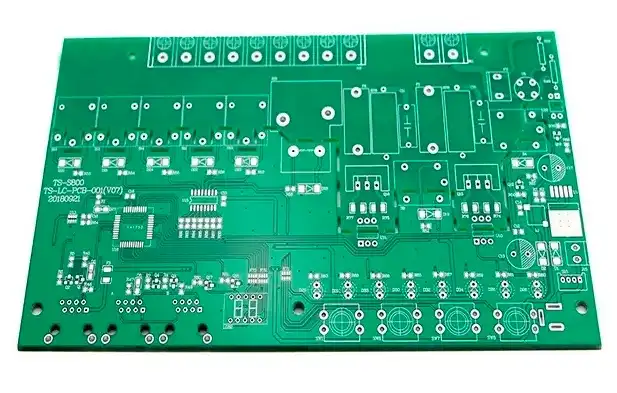
Choosing the right base material is very important for making current electronics work well. FR4 Epoxy Laminate has become the best material for making printed circuit boards, and it is used in everything from telecommunications to automotive electronics. This material does more than just support components; it also has a direct effect on how heat is managed, how well signals work, and how long a device lasts. It's important for procurement managers looking at different suppliers and engineers designing mission-critical circuits to know why this laminate is the market leader. The choice of material affects how much it costs to make, how long it lasts, and how well it meets regulations. This guide looks at the technical features, production standards, and buying options that make this composite the best base for electronics making around the world.
Understanding FR4 Epoxy Laminate: Core Properties and Manufacturing Process
What Defines FR4 as an Industry Standard?
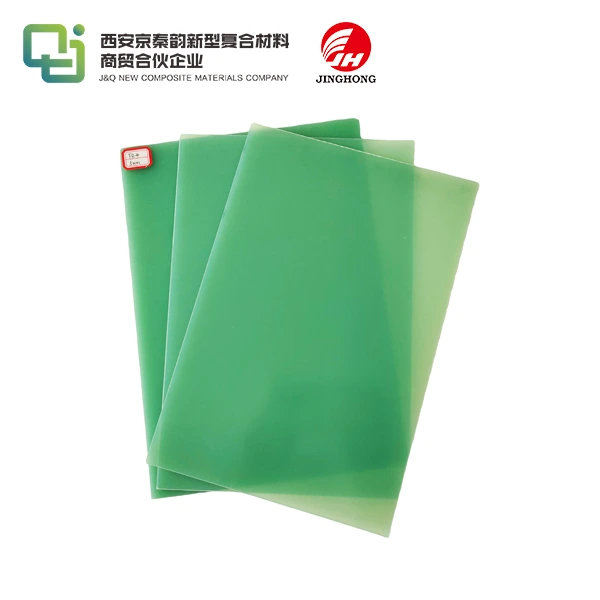
The NEMA grade specification for woven fiberglass cloth that has been treated with flame-resistant epoxy resin is FR4. The "FR" label means that the material meets the flammability requirements of UL94 V-0, which means that it goes out on its own in ten seconds when it comes into contact with an open flame. The mechanical strength of glass fibers is combined with the adhesive and insulating properties of cured epoxy to make this composite structure. It is a substrate that can handle both electrical stress and physical loads.
Essential Physical and Electrical Characteristics
The specific gravity of the material is between 1.80 and 1.90 g/cm³, which means it has a great strength-to-weight ratio that makes it good for designing small devices. After 24 hours of immersion, water absorption stays below 0.10%, which stops electrical leakage in damp working conditions. The lengthwise flexural strength is higher than 400 MPa, which makes sure that the substrate stays intact when heavy parts are being assembled or when it is under mechanical stress. Dielectric strength is higher than 45 kV, which means that there is strong electrical separation between the conductive layers. These traits don't change at different temperatures. Standard grades work reliably up to 130°C, while high-Tg types work reliably above 170°C.
Manufacturing Process and Quality Assurance
To start the process of making FR4 Epoxy Laminate, knitted fiberglass cloth is dipped in a liquid epoxy resin that has been mixed with brominated flame retardants. Several layers of fabric are precisely impregnated with resin to get a consistent thickness and resin content. The epoxy is polymerized by controlled curing in hot presses. This bonds the glass reinforcement into a hard composite sheet. Manufacturers put copper cladding on using electrodeposition or lamination, which makes surfaces that can conduct electricity for circuit patterning. Differential Scanning Calorimetry is used in quality control protocols to check the glass transition temperature and make sure that the thermal performance specifications are met. Surface integrity checks find problems like glue not having enough, fibers coming apart, or contamination that might make it harder for copper to stick during etching. Measuring dimensions makes sure that thickness errors stay within the limits that are needed for automatic assembly equipment. Certification paperwork proves that the product meets ROHS, UL, and IPC-4101 standards, which lets you track it all the way through the supply chain.
Why FR4 Epoxy Laminate Is Preferred: Benefits and Applications?
Understanding the specific benefits this material provides helps explain why it is used so widely in a wide range of manufacturing sectors. The following traits deal with common problems that come up when making electronic devices and industrial equipment.
Thermal-Mechanical Stability: The composite structure controls thermal expansion coefficients that are very close to those of the copper traces. This keeps the layers from coming apart during reflow soldering cycles that reach 260°C. This compatibility lowers the chances of board warping and pad lifting, which happen a lot during high-temperature assembly processes.
Better Electrical Insulation: The finished epoxy matrix keeps its high volume resistance of more than 10^6 megohms even when the humidity is high, which breaks down phenolic materials. The material can be used in telecommunications infrastructure and computer backplanes because it has low dissipation factors, which reduce signal loss in high-frequency uses.
Durability in terms of mechanical wear and machinability: Rockwell M hardness values between 110 and 115 protect test tools and solder pallets from wear and tear from repeated use. Even though it is very hard, CNC machining can make precise geometries for complicated PCB shapes, mounting holes, and component cutouts without cracking or delaminating the material in a big way.
Cost-effective Volume Production: Because raw materials are easy to get and industrial methods are well-known, prices can be kept low for big production runs. This material is cheaper, so it can be used for both consumer electronics that need to keep costs low and industrial equipment that needs to perform well enough to justify the cost.
All of these benefits make the material the best choice for situations where reliability under stress is needed. Machined sheets are used as arc barriers and phase separators in high-voltage switchgear parts, where breakdown voltage requirements stop electrical flashovers. Automotive battery pack kits have insulation layers that keep the assembly together even when it is exposed to temperature changes and vibrations. Industrial control systems depend on PCBs made with this substrate to work reliably in factories where the temperature changes and there is electrical noise.
Environmental compliance is becoming a more important factor in purchasing things. Lead, mercury, and restricted brominated compounds are no longer used in production because modern formulations meet ROHS rules on dangerous substances. Adhering to the rules makes sure that companies can reach markets in different countries and helps them with their environmental efforts. Manufacturers are offering more halogen-free versions that keep their flame resistance through different chemistries. This meets customer demands for less environmental impact without sacrificing safety performance.
Comparing FR4 Epoxy Laminate with Alternative Materials
Performance Comparison Across Laminate Options
CEM-1 composite surfaces for FR4 Epoxy Laminate are made up of layers of paper, fiberglass, and epoxy resin. They are cheaper than full fiberglass building. But the paper content makes it less resistant to moisture and heat, so it can only be used in consumer electronics that won't be exposed to harsh environments. Polyimide laminates have better thermal performance and can safely work above 250°C in aircraft and downhole drills. Their much higher cost means that they can only be used in specific situations where their ability to withstand high temperatures makes the investment worthwhile. FR1 phenolic paper laminates are the least expensive choice, but they can't handle flames or wetness, so they should only be used for simple single-layer boards in safe places. Aluminum-backed substrates are great for power electronics because they quickly remove heat, but they need to be made in a certain way and can't support multilayer designs.
Selecting the Appropriate Grade
Standard versions with glass transition temperatures around 135°C are used for general-purpose electronics that are put together with tin-lead soldering. For lead-free assembly processes that need higher reflow temperatures, high-Tg formulations that reach 170°C are needed. These higher grades are also good for uses that need to work at high temperatures for a long time, like electronics under the hood of cars and industrial motor controls. Flame-retardant ratings are most important for consumer electronics that need to be certified for use in homes, where UL94 V-0 compliance is required by fire safety rules.
The choice matrix weighs the need for success against the ability to pay. Teams in charge of buying things have to look at the temperature ranges that the products can work in, the conditions of their surroundings, and the rules that apply to the markets they want to reach. The technical specs should match the way the parts are put together, especially the soldering temperatures and the amount of heat cycling that is expected to happen during the product's lifetime.
Procurement Insights: How to Source and Evaluate FR4 Epoxy Laminate?
Critical Sourcing Considerations
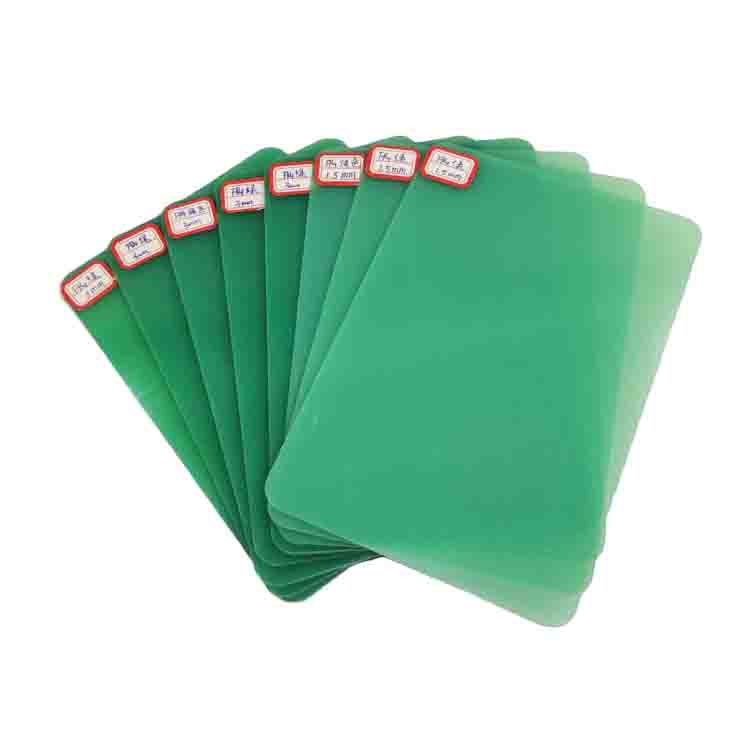
Different PCB layer counts and current-carrying needs can be met by thicknesses ranging from 0.4mm to 3.2mm. Custom sizing cuts down on waste when the measures of the board don't match up with standard panel sizes. Lead times are usually between two and six weeks, but they depend on the grade and the size of the order. This means that production planning has to work with assembly schedules. Different suppliers have different minimum order quantities. Usually, for specialized grades, you need to make bigger commitments than for commodity specifications.
Supplier Evaluation Criteria
Material properties stay the same across production lots when you work with reliable partners. This is very important for automated assembly processes that need to stick to tight tolerances. UL marks, ROHS compliance statements, and test reports that confirm electrical and mechanical properties should all be on the certification paperwork. Track records of suppliers are important—established makers show they can control the process by consistently delivering high-quality goods for years. Long-term relationships let people work together to solve problems when the needs of an application call for customized materials or expert help during the design optimization process.
Pricing systems for FR4 Epoxy Laminate take into account the costs of raw materials, the difficulty of making the product, and changes in market demand. Unit costs are affected by the weight of the copper cladding, the Tg specifications, and the size of the panels. With volume agreements, you can get discounts on larger orders, but buying plans need to weigh the costs of keeping inventory against the benefits of lower prices. Certified materials cost more, but they lower the risks in the supply chain that come with non-conforming materials, which could cause production to stop or fails in the field.
How Engineers Can Maximize Performance Using FR4 Epoxy Laminate?
Design Best Practices for Optimal Results
The material has a through-plane thermal conductivity of about 0.25 W/mK, which should be taken into account in thermal management techniques. Thermal vias that connect to internal ground planes help heat-generating parts by spreading it over larger areas of the board. When figuring out trace width, you have to think about how much current the substrate can handle at a given temperature. This keeps the substrate from getting too hot in some places, which could reach the glass transition thresholds.
Keeping the right distance between wires based on working voltages is important for the effectiveness of electrical insulation. IPC-2221 rules say how far apart things should be for creeppage and separation, but high-voltage uses might need extra space to keep things from moving across the base surface. Multilayer stack-up designs put ground planes in specific places to protect important data from electromagnetic interference and keep high-speed digital circuits' resistance under control.
Real-World Application Insights
Manufacturers of telecommunications equipment have successfully used high-Tg versions in outdoor infrastructure that is exposed to large changes in temperature. The better thermal stability stops changes in size that could put stress on solder joints when temperatures change with the seasons. Precision-machined sheets are used by automakers as insulation barriers in battery management systems. The dielectric strength of the material keeps high-voltage cells separate while it can handle vibration and shock loads over the life of the vehicle.
Designers of industrial control systems use the material's mechanical stability for mounting arrangements that need to support components rigidly. In motor control assemblies, electrical isolation and load-bearing capacity are provided by gears and mechanical spacers made from thicker sheets. These different uses show how flexible the material is because it has a balanced property makeup.
Emerging Innovations and Future Trends
As material science progresses, performance factors keep getting better. Dissipation factors are lowered by low-loss formulas for 5G infrastructure that uses millimeter-wave bands. Concerns about the environment can be addressed with halogen-free chemicals that still meet UL94 V-0 standards through different flame protection systems. Higher grades of glass transition temperatures allow for longer operating ranges in electric vehicle applications where temperatures near the battery packs are higher than usual. These changes make sure that the information is still useful as electronic devices need better performance and longer life.
Conclusion
This glass-reinforced epoxy composite, FR4 Epoxy Laminate, is popular among engineers because it has been shown to meet a wide range of performance requirements in temperature, electrical, and mechanical areas. The properties of the material work well with a range of manufacturing methods, from automated assembly to precise machining. Also, certification compliance makes it easier to get products into global markets. Advantages of procurement, such as low costs and easy access to suppliers, help both high-volume consumer products and specific industrial uses. As electronics get better at working at higher temperatures, putting out more power, and following stricter environmental rules, new materials are being developed to make sure that this substrate can keep up with the changing needs. Understanding these technology basics and sourcing issues helps you make better choices throughout the whole product creation process.
FAQ
What thickness options are commonly available for circuit board applications?
Standard thicknesses are 0.4mm, 0.8mm, 1.6mm, 2.4mm, and 3.2mm, which meet most PCB layer count needs. Thinner sheets are better for small, portable devices that don't have a lot of space inside, while thicker sheets are better for industrial equipment that needs to be more rigid and carry more current. To meet specific design needs, custom thicknesses can be made, but the minimum order quantity usually goes up for non-standard specifications.
How does high-Tg material differ from standard grades in practical applications?
When temperatures go above 170°C, high-Tg formulations keep their shape and mechanical strength. This is important for lead-free soldering processes and devices that work in hot places. Standard grades with a Tg of about 135°C are good for normal operating conditions and traditional assembly methods. The performance difference is very important in places like under-hood applications in cars and industrial equipment that is exposed to high temperatures for a long time, where standard grades might soften and deform.
Can this laminate meet international environmental and safety certifications?
Modern formulations meet UL94 V-0 flammability standards, ROHS directives that limit dangerous substances, and other regional safety requirements. In order to help global markets follow the rules, manufacturers provide certification paperwork that includes UL marks and material composition statements. Halogen-free versions meet more environmental requirements while keeping the flame resistance and electrical performance levels.
Partner with J&Q for Certified FR4 Epoxy Laminate Solutions
J&Q has been making insulating sheets for over 20 years and has done business all over the world, making us your reliable source for FR4 Epoxy Laminate. Because our businesses are vertically intertwined, we have our own logistics services that make delivery easier and give you quick technology help throughout the whole buying process. Our strict quality control procedures are in line with IPC-4101 standards, and the materials we offer are certified to meet UL and ROHS standards, which is important for your compliance needs. Our engineering team works with clients to find the best material specifications for each job, whether you need high-Tg grades for harsh thermal environments or custom sizes for complex assemblies. You can talk to our technical sales experts about your project needs, get material certifications, or get full quotes by emailing info@jhd-material.com. Visit jhd-material.com to see all of our products and learn how our one-stop service model makes managing your supply chain easier while keeping the quality of the materials constant.
References
1. Coombs, Clyde F. "Printed Circuits Handbook, Seventh Edition." McGraw-Hill Education, 2016.
2. Harper, Charles A. "Electronic Materials and Processes Handbook." McGraw-Hill Professional, 2003.
3. IPC-4101 Specification for Base Materials for Rigid and Multilayer Printed Boards, IPC International Standards, Latest Revision.
4. National Electrical Manufacturers Association. "NEMA Standards Publication LI 1-1998: Industrial Laminated Thermosetting Products."
5. Prasad, Ray P. "Surface Mount Technology: Principles and Practice, Second Edition." Springer Science & Business Media, 2013.
6. Underwriters Laboratories. "UL 94 Standard for Safety of Flammability of Plastic Materials for Parts in Devices and Appliances." UL Standards, Current Edition.