Bakelite Sheet Offers Cost-Effective Insulation for Industrial Applications
2026-09-01 17:27:41
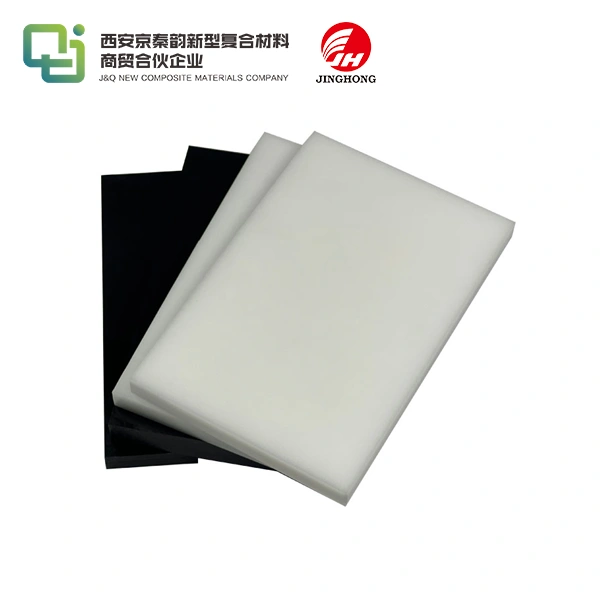
When electrical engineers and procurement managers evaluate insulation materials, they face a persistent challenge: balancing performance with budget constraints. Bakelite sheet emerges as a proven solution that addresses this dilemma effectively. As a phenolic paper laminated sheet, this thermoset plastic material delivers exceptional electrical insulation, heat resistance, and mechanical durability at a price point that outperforms many modern alternatives. Unlike thermoplastic insulators that soften under thermal stress, Bakelite maintains dimensional stability across demanding industrial environments—from high-voltage switchgear to automotive battery barriers. This material bridges the gap between expensive technical ceramics and structurally inadequate consumer plastics, offering cost-effective protection for critical applications.
Understanding Bakelite Sheet: Properties and Manufacturing Process
Historical Context and Material Definition
Since the early 1900s, phenolic laminate materials have been used in industry, giving them a track record that few synthetic materials can match. This thermoset compound is made up of layers of cellulose paper or cloth that are saturated with phenolic resin, which is made when phenol and formaldehyde react together. The material that is made has a permanent cross-linked structure that works the same way in all temperature ranges and electrical stress situations.
Core Material Properties
Phenolic laminates are useful in engineering because they have a number of qualities that can be measured. The dielectric strength is between 15 and 25 kV/mm, which makes it a reliable way to separate electrical currents in high-voltage areas. Up to 120°C of constant operation temperature is possible, and 150°C of short-term contact is possible. The mechanical strength varies by grade, but the tensile strength is usually between 40 and 70 MPa, which means it can be used for more than just insulation. This material can handle chemicals like oils, acids, and alcohols, so it can be used for parts of tools that come into contact with industrial fluids.
Manufacturing Process and Quality Control
The production process has a direct effect on how well the finished product works. Controlled condensation of phenol and formaldehyde under certain temperature and pressure conditions in reactor vessels is the first step in making resin. Properties like cure speed and flame resistance can be changed by additives and catalysts. Paper or fabric substrates are impregnated with resin using precise coating systems that make sure the resin is spread out evenly. Hydraulic presses stack these layers that have been coated between metal plates and then apply heat and pressure for controlled hardening times. Through this lamination process, separate sheets are turned into solid composite panels with consistent thickness ranges. Through cutting, drilling, and milling operations with carbide or diamond-tipped tools, CNC machining can turn cured sheets into precise parts.
Comparing Bakelite Sheet with Other Insulation Materials
Performance Benchmarking
If an industrial buyer is looking for insulation materials, they will often compare phenolic laminates to epoxy glass (FR4), fiberglass composites, and stiff PVC. Each type of material has its own pros and cons that affect its suitability for a given application.
The thermal efficiency makes these choices very different from each other for Bakelite Sheet. Even though FR4 epoxy laminates are better at withstanding heat up to 140°C, they are much more expensive per square meter—often 40–60% more than phenolic options. Although rigid PVC is very resistant to chemicals, it softens above 60°C, which makes it less useful for motor housings and switches. Fiberglass composites are very strong mechanically, but they are hard to machine because the glass fibers are rough and wear down tools quickly.
Electrical Insulation Capacity
The dielectric properties of materials show us another way to compare them. Phenolic laminates keep their insulation resistance stable even when the humidity changes, which is a big plus for transformers and outdoor electrical enclosures. Epoxy materials are a little better at resisting arcs, but they also take more water over time, which could hurt their long-term electrical performance. In low-voltage uses, PVC works well as an insulator, but it's not stiff enough to be used in structural insulator parts.
Machining and Fabrication Considerations
Materials that help production teams work efficiently are valued by them. When the right tools are used to cut phenolic sheets, they produce manageable dust that can be removed by standard systems. FR4 materials make more abrasive dust with glass threads that need better breathing protection. Different phenolic grades come in a range of thicknesses, from 0.5mm to 50mm, so they can be used for a wide range of design needs, from thin electrical barriers to thick structural spacers. This dimensional flexibility makes it easier for OEM suppliers who handle multiple product lines to keep track of their inventory.
Industrial Applications of Bakelite Sheet in Electrical Insulation
Electrical Control Systems and Switchgear
A lot of the time, phenolic insulators are used in power distribution equipment as arc barriers, mounting boards, and phase separators. Electrical codes require that the material meet safety standards for both its ability to isolate electricity and its resistance to heat. Manufacturers of switchboards like the physical stability that keeps the boards from warping over time and keeps the exact distances between the electrical parts. Common places where cost-effectiveness has a direct effect on project profitability are terminal blocks, bus bar supports, and circuit breaker housings.
Motor Components and Transformer Insulation
Phenolic sheets are used by companies that make electrical motors as bearing housings, phase insulators, and slot wedges. The material can handle mechanical vibrations and keeps the electrical connections between the windings separate. Builders of transformers use phenolic barriers to separate the coils and insulate the terminals. These barriers have uniform thickness tolerances that make the building process easier. The low rate of moisture absorption—usually less than 1% by weight—keeps the dimensions from changing in damp places, which could affect the electrical clearances.
Automotive and Transportation Applications
Putting together battery packs for electric cars needs covering materials that are light, don't catch fire, and don't cost a lot of money. When there is a fault, phenolic sheets stop thermal runaway from spreading between cell modules by acting as thermal barriers. Thin-gauge phenolic laminates are used by companies that make electronics for cars as insulation pads under circuit boards. These keep sensitive parts safe from chassis currents. The material can be easily machined to support the complex shapes needed for modern vehicle electrical architectures.
Best Practices for Machining and Maintenance
To get the best results when making phenolic components from Bakelite Sheet, you need to use certain methods. When compared to high-speed steel, carbide machining lasts longer, which lowers the cost per part in high-volume production. Spindle speeds between 3,000 and 6,000 RPM and controlled feed rates keep the edges of made holes from breaking. Getting rid of the dust at the cutting point keeps you from breathing in phenolic particles, which can hurt nasal membranes. Isopropyl alcohol can be used to clean the surface and get rid of cutting dust without harming the resin material chemically. In service environments, electrical integrity is maintained by checking for surface cracks or delamination on a regular basis.
Procurement Considerations for Bakelite Sheet Buyers
Supplier Certification and Quality Assurance
Choosing manufacturers with well-established quality systems greatly lowers the risk of procurement. ISO 9001 certification means that quality control is carried out in a planned way throughout the whole production process. When electrical insulation materials are recognized by UL, it means they meet North American safety standards, which is important for switchgear and control panel applications. The RoHS compliance paperwork makes sure that there are no restricted chemicals, which is what is needed by law for making electronics. Reports from a third party that test dielectric strength, flexural modulus, and flame resistance give concrete proof of performance that goes beyond what the seller says.
Pricing Structures and Cost Optimization
The price of phenolic laminate in industrial markets is affected by a number of factors. The prices of phenol and formaldehyde feedstocks affect the costs of raw materials, but the changes are small compared to those in petroleum-based plastics. Sheet thickness has a direct effect on price; thicker gages command higher prices because they take longer to press. If you commit to buying a lot of something, you can usually get better prices. For example, if you buy more than 500 square meters, you can often get discount prices that cut the cost per unit by 15 to 25 percent. Custom cutting services charge extra for handling, but they get rid of the costs and trash of making things in-house.
Ordering Flexibility and Lead Times
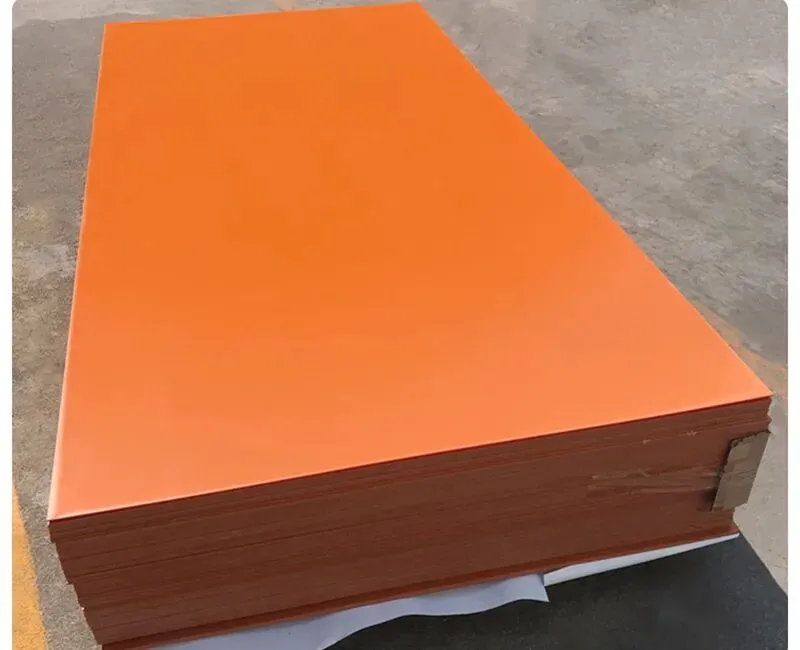
Knowing what your suppliers can do about minimum order sizes and delivery times helps you plan your supply chain well. Standard sheet sizes, like 1000x2000mm or 1220x2440mm, ship quickly—often within two weeks of the order being placed. Custom thicknesses or special grades need longer production windows, which can go up to 4 to 6 weeks depending on how much the factory can make. Different suppliers have different minimum order numbers, which can be as low as one sheet for a sample or as high as a pallet for a full production run. When production schedules get tight, building relationships with distributors who hold inventory can help lower the cost of emergency purchases.
Evaluating Supplier Reliability
Besides certifications, there are other signs that show how reliable a supplier is for Bakelite Sheet. A lot of years of work in manufacturing says that you know a lot about process control and technology. Having direct relationships with factories, instead of trading middlemen, often leads to better technical support and faster problem resolution. Referrals from customers in similar fields can help you figure out how to make sure that shipments are delivered on time and of good quality every time. Integrated logistics capabilities make international shipping easier, which makes it easier for buyers to manage supply chains around the world.
Why Choose Bakelite Sheet for Your Industrial Insulation Needs?
Economic Advantages in Competitive Markets
Cost forces affect the choices of materials in all fields, but they are especially important in price-sensitive areas like making home appliances and commercial machinery. Phenolic laminates offer electrical insulation performance that is on par with premium materials at costs that keep profit margins high. Compared to ceramic insulators, phenolic choices use 60% to 80% less material and still have enough insulating strength for most voltage classes. Phenolic sheets are 30–50% cheaper than FR4 resin boards for uses that don't need to withstand high temperatures. Because of this, phenolic materials are especially good for mass production, where small costs per part add up to big savings over the course of a year.
Technical Performance for Demanding Applications
In addition to original cost, phenolic selection is based on long-term performance traits. Mineral oils and hydraulic fluids that are common in machinery environments don't break down the material. It keeps its mechanical and electrical properties throughout its service life. Dimensional stability over temperature cycles stops the warping problems that make it hard to get gaps in precise electrical systems. Flame resistance meets V0 ratings in the right grades, so fire safety rules can be followed without having to spend a lot of money on expensive flame retardant treatments. Machinability makes it possible to make complex shapes that would need expensive molding steps to make from thermoset materials.
Emerging Trends and Material Evolution
Even though phenolic laminates are an established technology, they are still being improved to meet the changing needs of industry. Halogen-free products meet stricter environmental rules in the electronics making industry. Better resin systems allow continuous operation at temperatures up to 140°C, which means they can be used in higher temperature ranges. Better surface finishes allow direct copper cladding for custom circuit board uses, connecting electrical and mechanical functions. These new ideas show how old materials can be changed to meet current performance needs while still saving money.
Conclusion
Because they are a good balance of performance and cost, phenolic laminated sheets like Bakelite Sheet are still used as practical insulation in the mechanical, automotive, and electrical industries. The material has been used for more than one hundred years, which gives people confidence in its long-term dependability that newer alternatives can't yet claim. When procurement workers are looking at insulation choices, they shouldn't just look at the price of the raw materials. They should also look at the total cost of ownership, which includes machining costs, material waste, and upkeep needs. When you need reliable electrical isolation, moderate mechanical strength, and cost-effective solutions, phenolic laminates should be seriously considered over more expensive options that might only slightly improve performance but cost a lot more.
FAQ
Why Select Phenolic Laminates Over PVC or Fiberglass for Electrical Insulation?
If the temperature goes above 60°C, rigid PVC softens and loses its shape, which isn't good for motor housings and switchgear. Fiberglass composites are very strong, but they are hard to machine because the glass fibers are rough and wear down tools quickly. This means that workers need to wear better respiratory protection. Phytochemical materials are good at keeping electricity safe while also being easy to work with and not melting at temperatures up to 120°C. They are priced competitively and meet the needs of most commercial electrical uses.
Can Phenolic Sheets Undergo Surface Painting or Customization?
Preparing the surface with light abrasion and then cleaning it with a liquid makes it possible for the layer to stick well. Paints and topcoats made of epoxy and polyurethane stick well to phenolic substrates, which lets you use color coding or protect the environment. Custom machining can handle complicated shapes, threaded pieces, and very close standards. Some companies make custom resin mixtures that include certain color pigments during the lamination process so that the colors show through without painting.
What Delivery Timelines and Minimum Orders Should Buyers Expect?
Standard thickness sheets in popular grades usually ship within 10 to 15 business days from reputable wholesalers who keep stock on hand. Lead times can go up to 4 to 6 weeks based on the manufacturing queue for custom specs that need special production runs. Minimum order quantities are very different. For example, prototype quantities of single sheets are needed for research and development, while production orders usually start at 50–100 square meters to keep costs low.
Partner With J&Q for Reliable Phenolic Insulation Materials
J&Q has been making industrial insulation materials for more than twenty years and has been serving foreign markets for more than ten years. Our factories have strict quality controls that make sure that all of our shipments have the same electrical and mechanical properties. As a well-known provider of Bakelite Sheet, we have a large stock of both standard grades and unique specs made to fit your exact application needs. Our integrated logistics operations make delivery from the factory to your facility quick and easy, cutting out delays caused by middlemen and making international buying easier. Technical support teams help you choose the right materials, make suggestions for how to machine them, and make sure you have all the compliance documentation your quality systems need. Email our engineering team at info@jhd-material.com to talk about your insulation needs, get material data sheets, or set up an evaluation sample. You can see our whole selection of phenolic laminates and other insulation goods made for tough industrial settings by going to jhd-material.com.
References
1. Harper, Charles A. (2006). Handbook of Plastics Technologies: The Complete Guide to Properties and Performance. McGraw-Hill Professional.
2. Richardson, Terry (2003). Industrial Plastics: Theory and Applications. Cengage Learning, 4th Edition.
3. Margolis, James M. (1985). Engineering Thermoplastics: Properties and Applications. Marcel Dekker Inc.
4. Goosey, Martin (1999). Plastics for Electronics, 2nd Edition. Springer Science & Business Media.
5. Seymour, Raymond B. and Carraher, Charles E. (1992). Polymer Chemistry: An Introduction. Marcel Dekker Inc., 3rd Edition.
6. Drobny, Jiri George (2014). Fluoroplastics Volume 2: Melt Processible Fluoropolymers - The Definitive User's Guide and Data Book. William Andrew Publishing.
_1747991245292.webp)